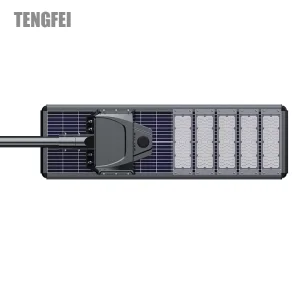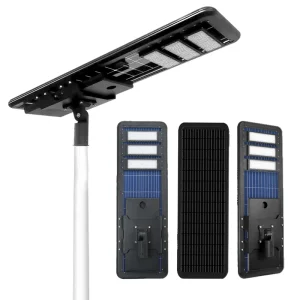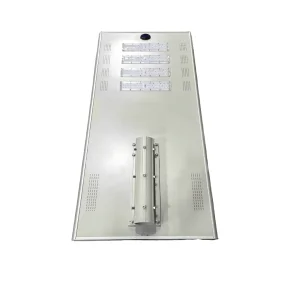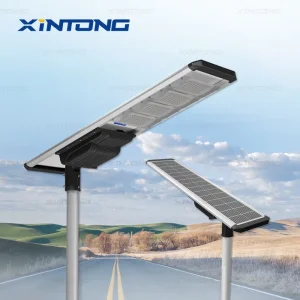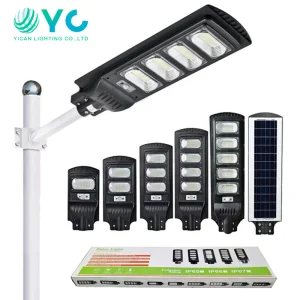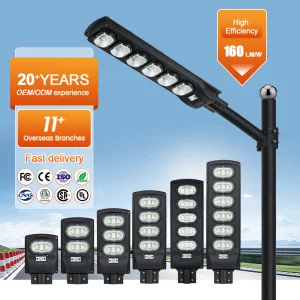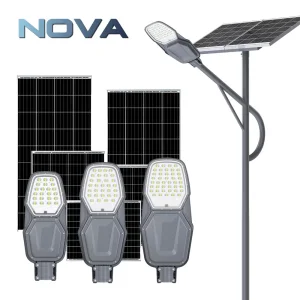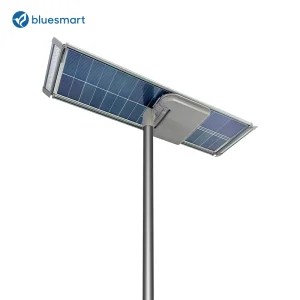
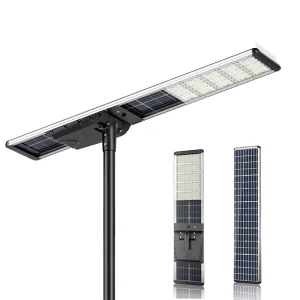
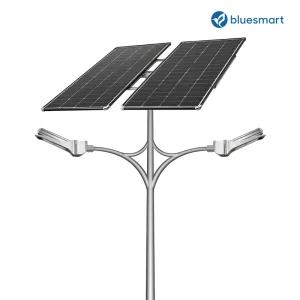
Calgary, Alberta, sits in one of the most uniquely positioned geographical regions in North America for solar infrastructure development. Often praised as Canada's sunniest major city with an average of 2,396 hours of bright sunshine annually, the solar resource potential here is enormous. However, deployment of outdoor public infrastructure, particularly autonomous street lighting, faces a double-edged sword of high solar irradiance paired with extreme winter temperatures, heavy snowfall, and the dramatic temperature swings brought by Chinook winds.
For municipal engineers, site developers, and industrial operators in the Calgary Metropolitan Area, selecting the right lighting setup is not just an aesthetic or baseline illumination choice. It is a critical performance challenge. Traditional street lighting requires massive trenching, laying miles of underground cables—a process that becomes prohibitively expensive when dealing with Alberta's deep frost lines (often reaching depths of 1.5 to 2.5 meters). Integrated solar street lights, or "All-in-One" solar lights, completely eliminate this bottleneck, providing rapid deployment options for new construction zones, warehousing hubs, and peripheral agricultural areas without disturbing the local terrain.
Calgary's high insolation rates mean high energy conversion capabilities, even during short winter days, provided high-efficiency monocrystalline PV panels are deployed.
Our systems feature temperature-compensated LiFePO4 battery storage, functioning reliably in deep freeze conditions down to -40°C with automated pre-heating systems.
Bypassing deep-frost excavation and electrical grid hookups delivers immediate capital expenditure savings of up to 60% compared to traditional grid lighting systems.
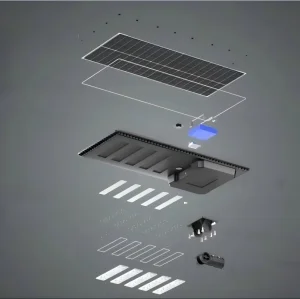
On a global scale, the transitions toward decarbonization, ESG (Environmental, Social, and Governance) corporate compliance, and the smart city blueprint have forced a massive technological pivot. Solar lighting is no longer treated as a low-output, secondary lighting source suitable only for simple garden pathways. Modern integrated solar street lighting leverages high-capacity LiFePO4 battery cells, ultra-efficient MPPT (Maximum Power Point Tracking) controllers, and LED chips outputting up to 210 lumens per watt (lm/W).
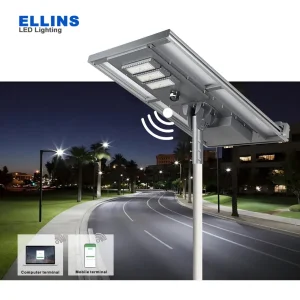
This evolution enables solar streetlights to serve as primary roadway illumination, critical industrial facility perimeter lighting, and high-visibility parking lot security lighting. The inclusion of IoT capabilities—such as 4G/5G, LoRaWAN wireless monitoring, and integrated CCTV cameras—has transformed lighting poles into smart municipal nodes that actively gather ambient data, optimize energy profiles dynamically, and alert maintenance centers of system status in real time.
Yangzhou Gtron Solar Co., Ltd. is a professional manufacturer and solution provider specializing in solar lighting systems, LED outdoor lighting, and renewable energy products. Located in the Industrial Zone of Yangzhou City, Jiangsu Province, China, the company has been dedicated to the research, development, production, and export of high-quality lighting products since its establishment.
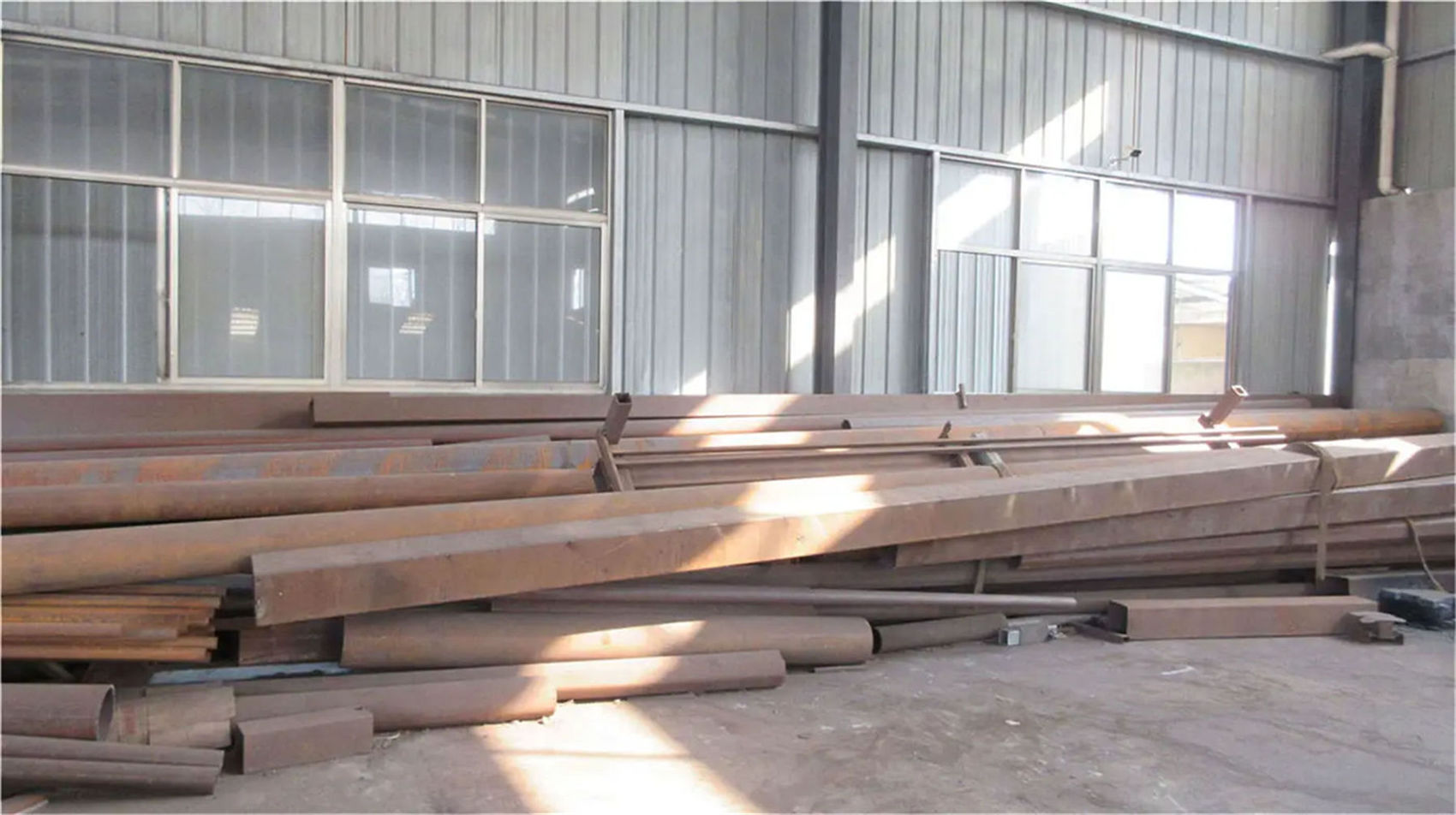
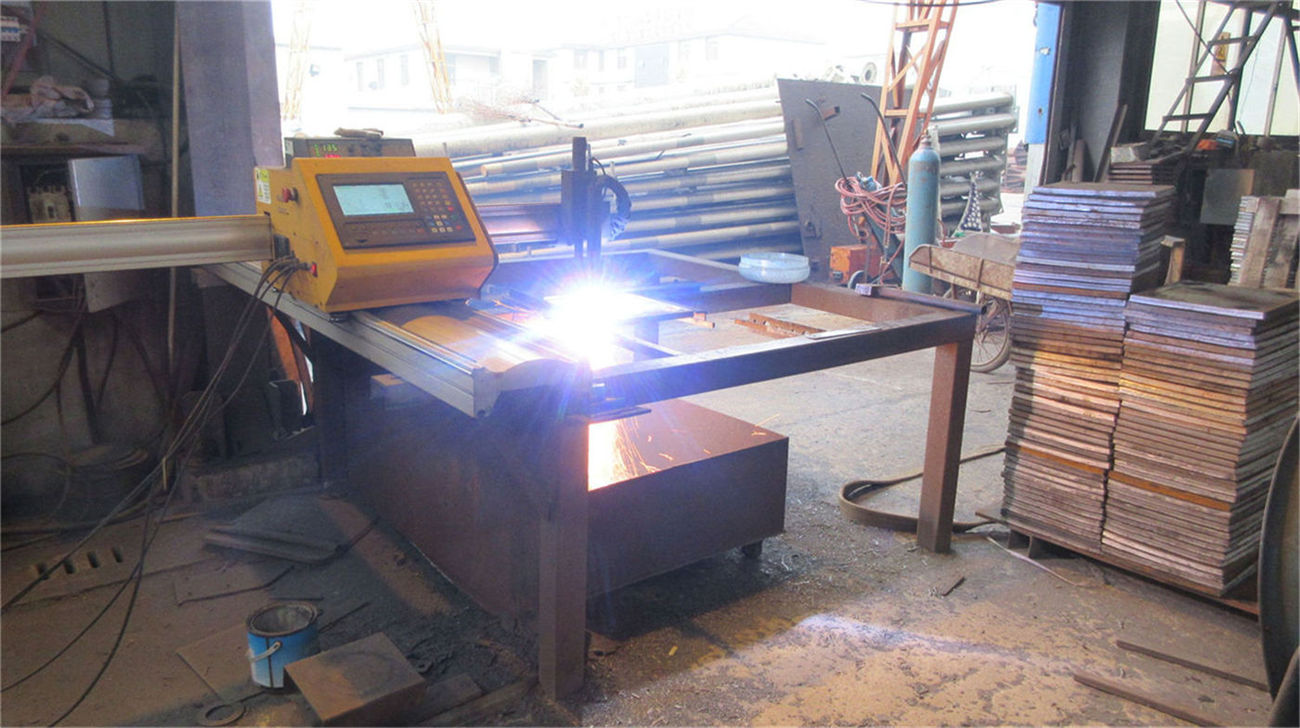
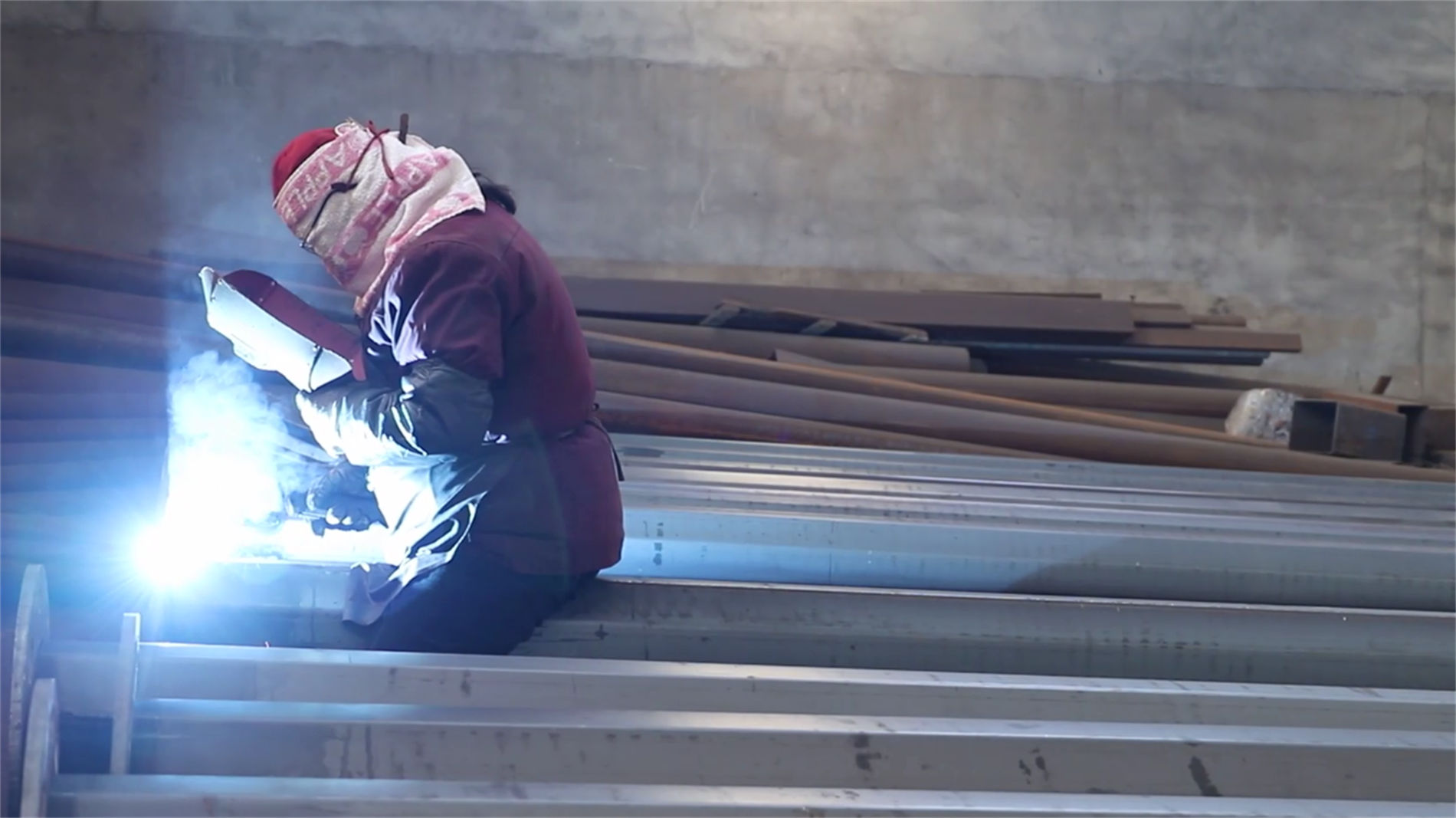
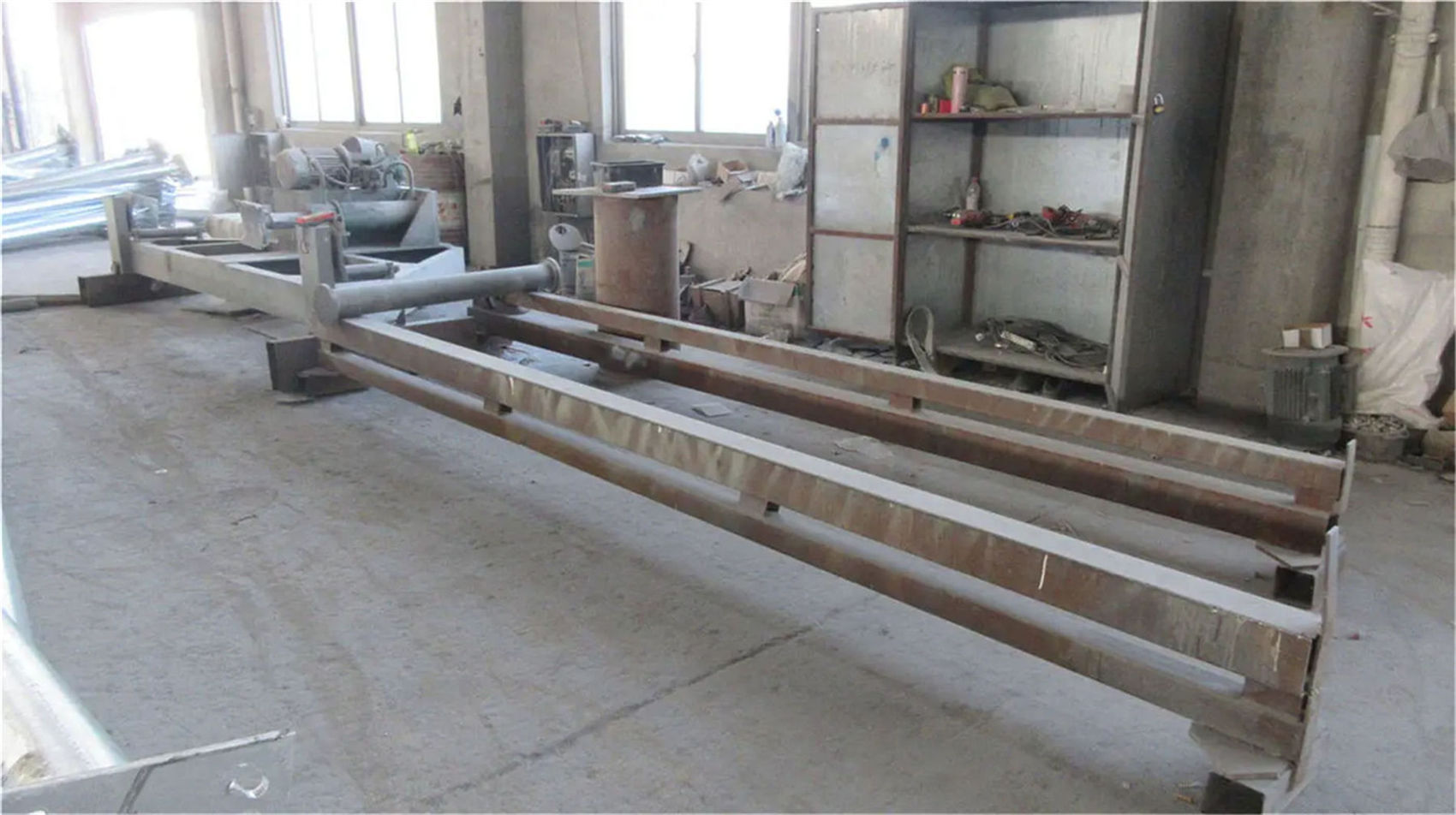
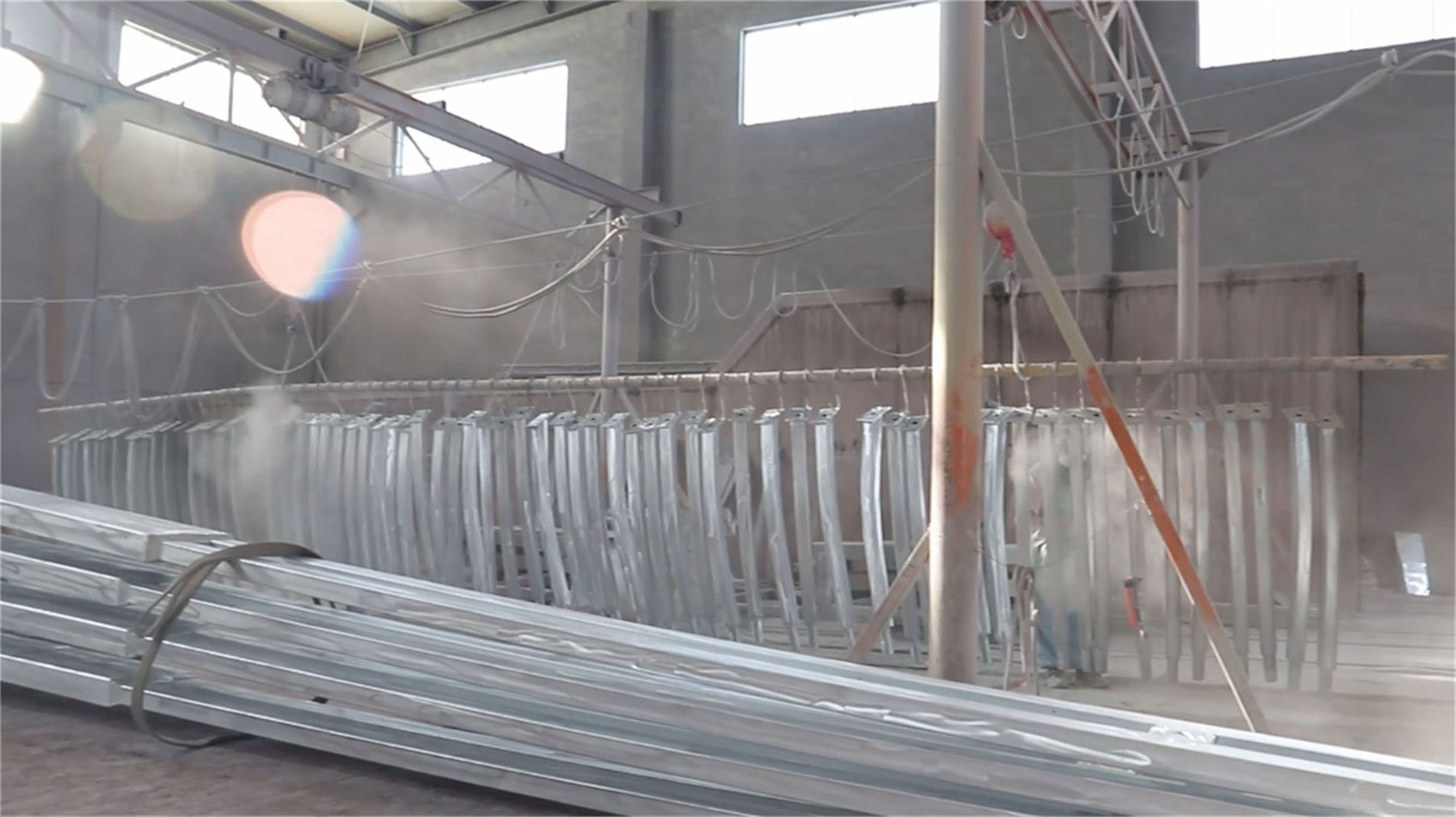
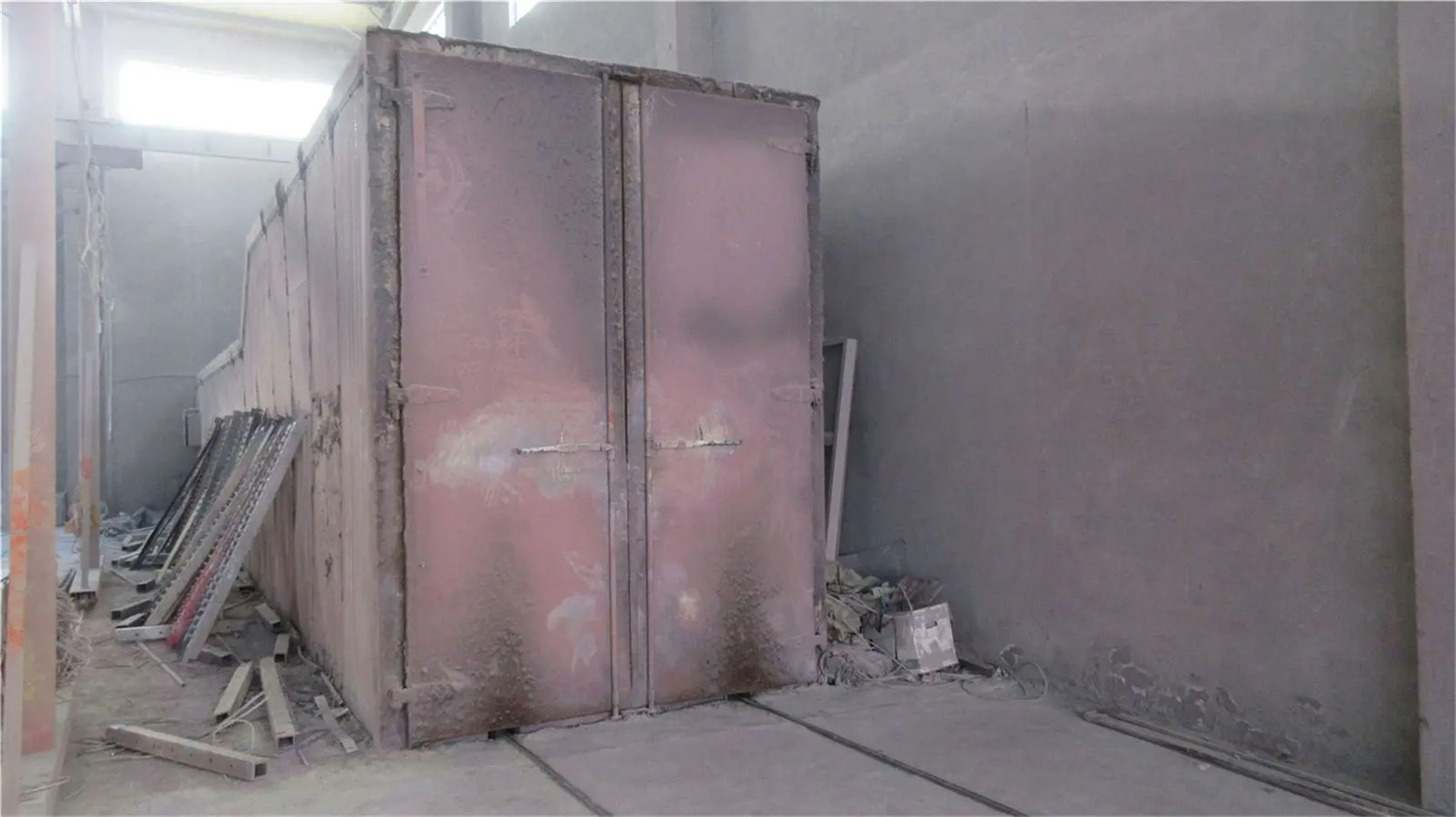
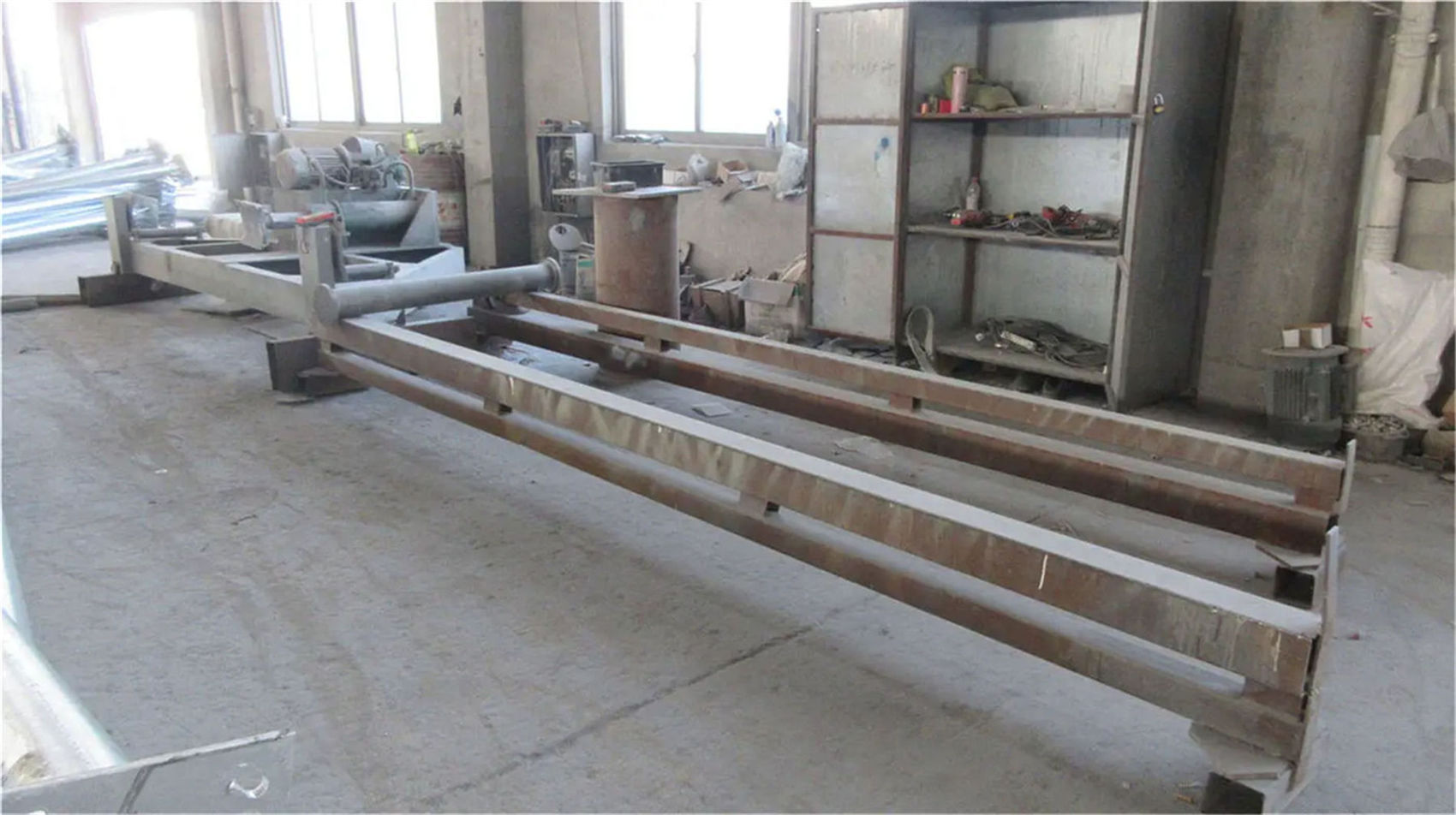
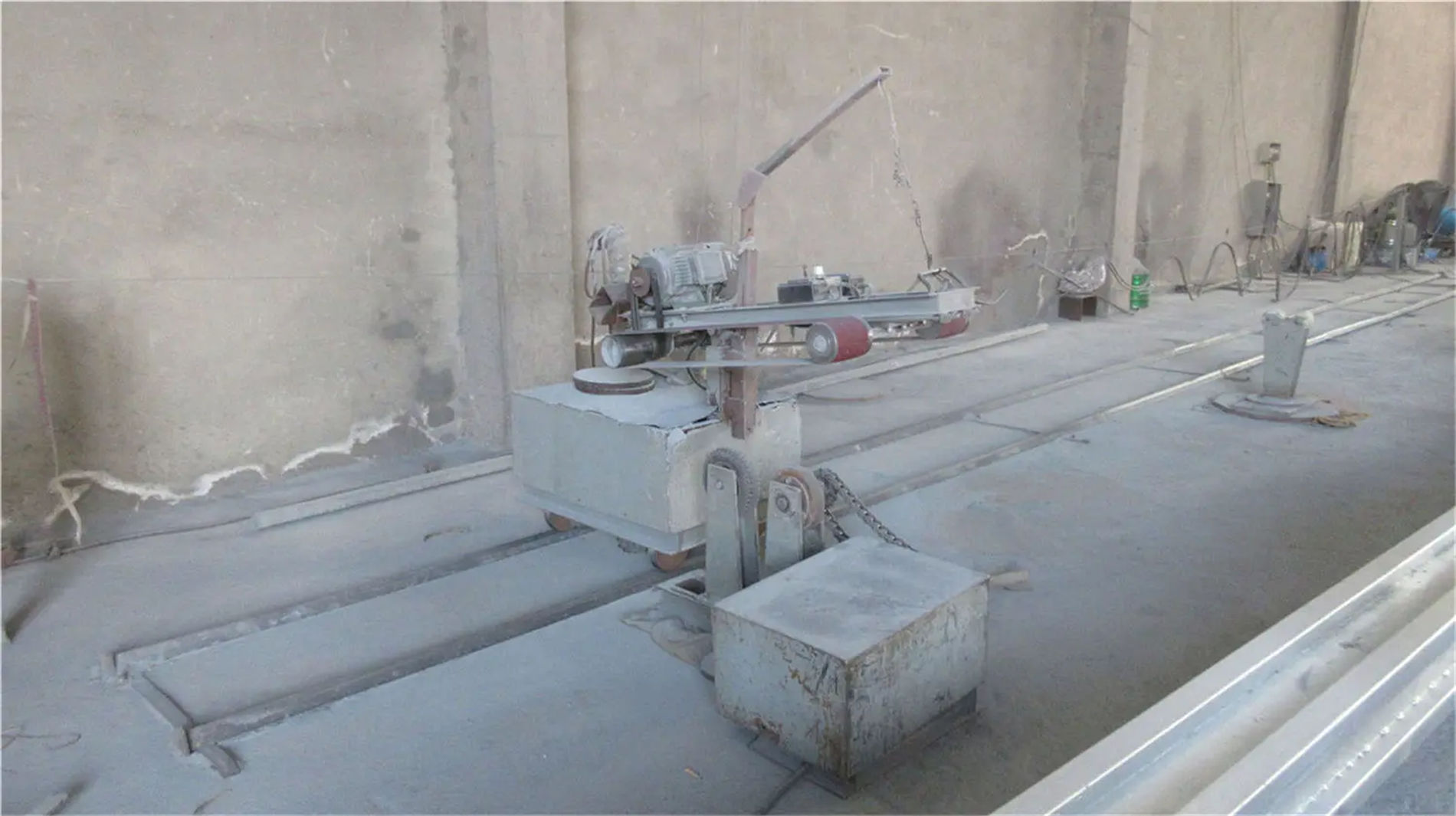
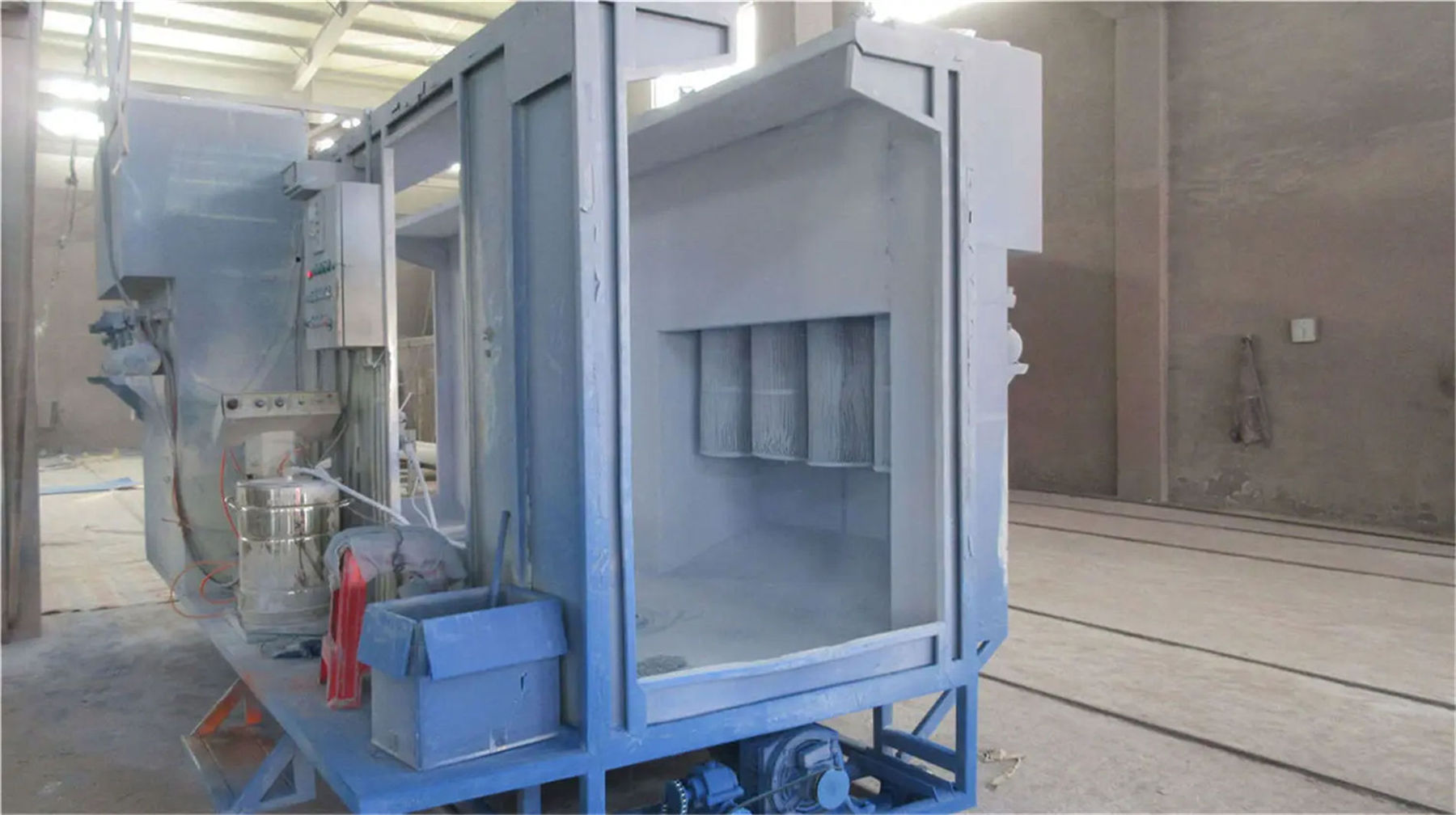
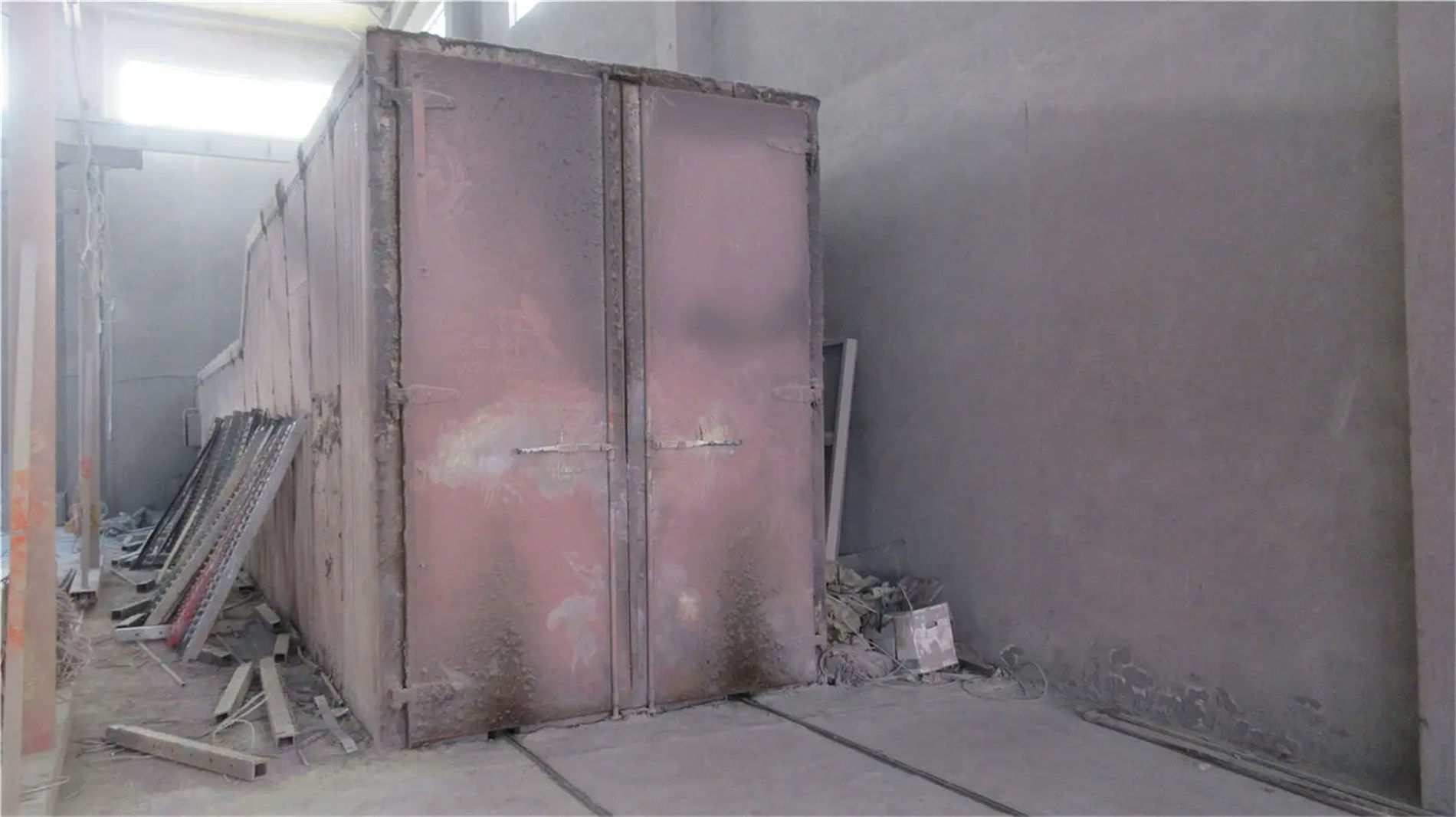
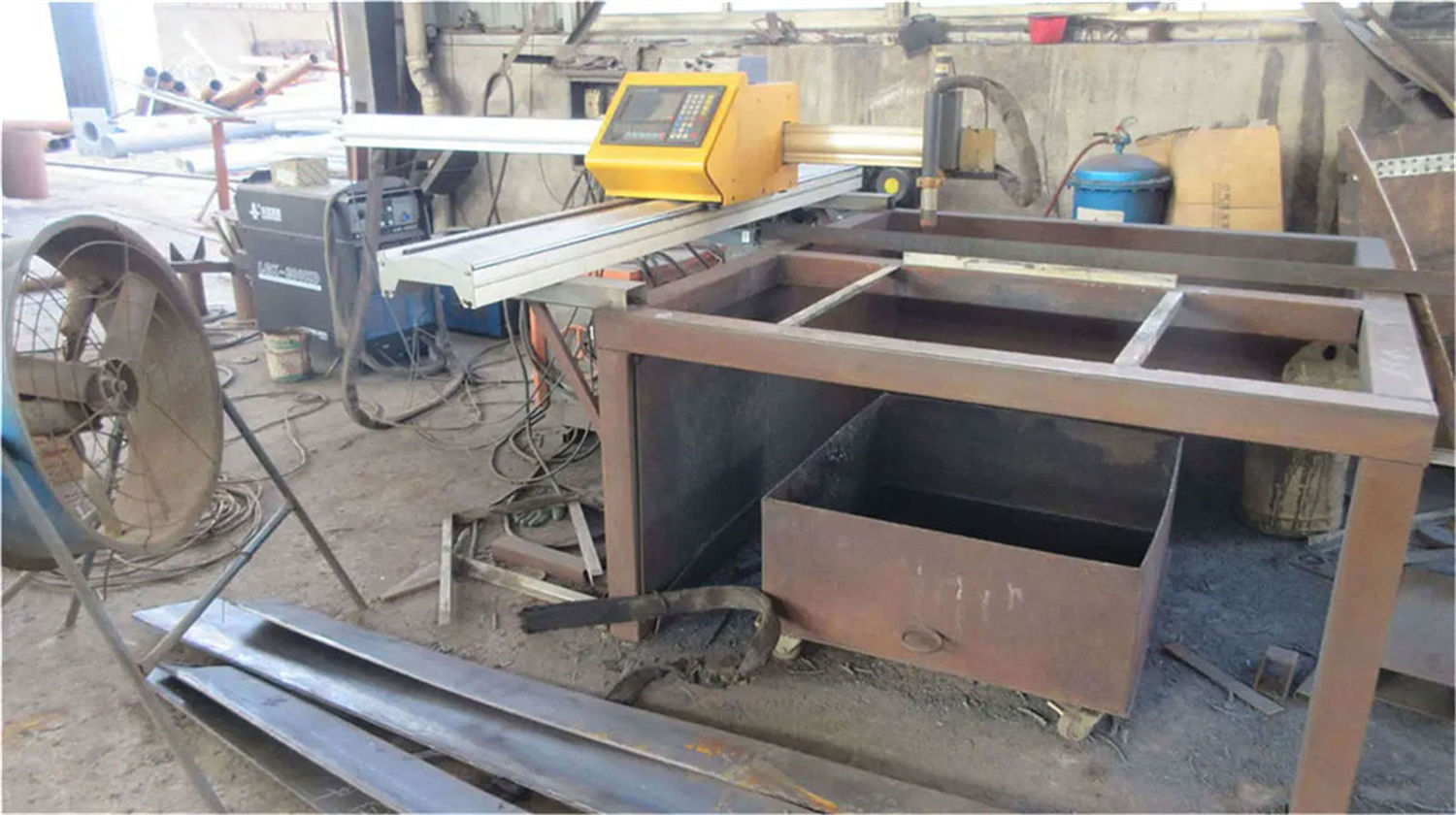
Over the past 20 years, Gtron Solar has grown into a modern high-tech enterprise equipped with advanced manufacturing facilities and intelligent production systems. Our factory is equipped with large CNC bending machines, high-speed longitudinal shearing machines, automatic submerged arc welding equipment, laser cutting machines, electrostatic powder coating lines, fluorocarbon paint spraying workshops, and various automated testing instruments, ensuring precision manufacturing and consistent product quality.
To meet the growing global demand for sustainable lighting solutions, Gtron Solar has established multiple specialized production lines, including:
As a National High-Tech Enterprise, Gtron Solar possesses strong technical capabilities and comprehensive project experience. The company has obtained ISO 9001 Quality Management System Certification, ISO 14001 Environmental Management System Certification, CE Certification, RoHS Compliance Certification, CCC Certification, and various product testing reports recognized by international markets.
Innovation is at the core of our development strategy. Supported by an experienced R&D team, we continuously develop energy-efficient, intelligent, and environmentally friendly lighting solutions. Our products are widely applied in urban roads, highways, residential communities, industrial parks, commercial areas, airports, ports, and municipal infrastructure projects.
Today, Gtron Solar products have been exported to more than 80 countries and regions across Asia, Africa, the Middle East, Europe, South America, and Oceania. We have established long-term partnerships with distributors, contractors, government agencies, and engineering companies worldwide.
Guided by the principles of innovation, quality, sustainability, and customer satisfaction, Yangzhou Gtron Solar Co., Ltd. remains committed to delivering reliable products, professional technical support, and comprehensive project solutions to customers around the globe.
We look forward to building a brighter and greener future together with our partners worldwide.
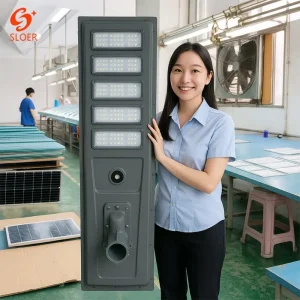
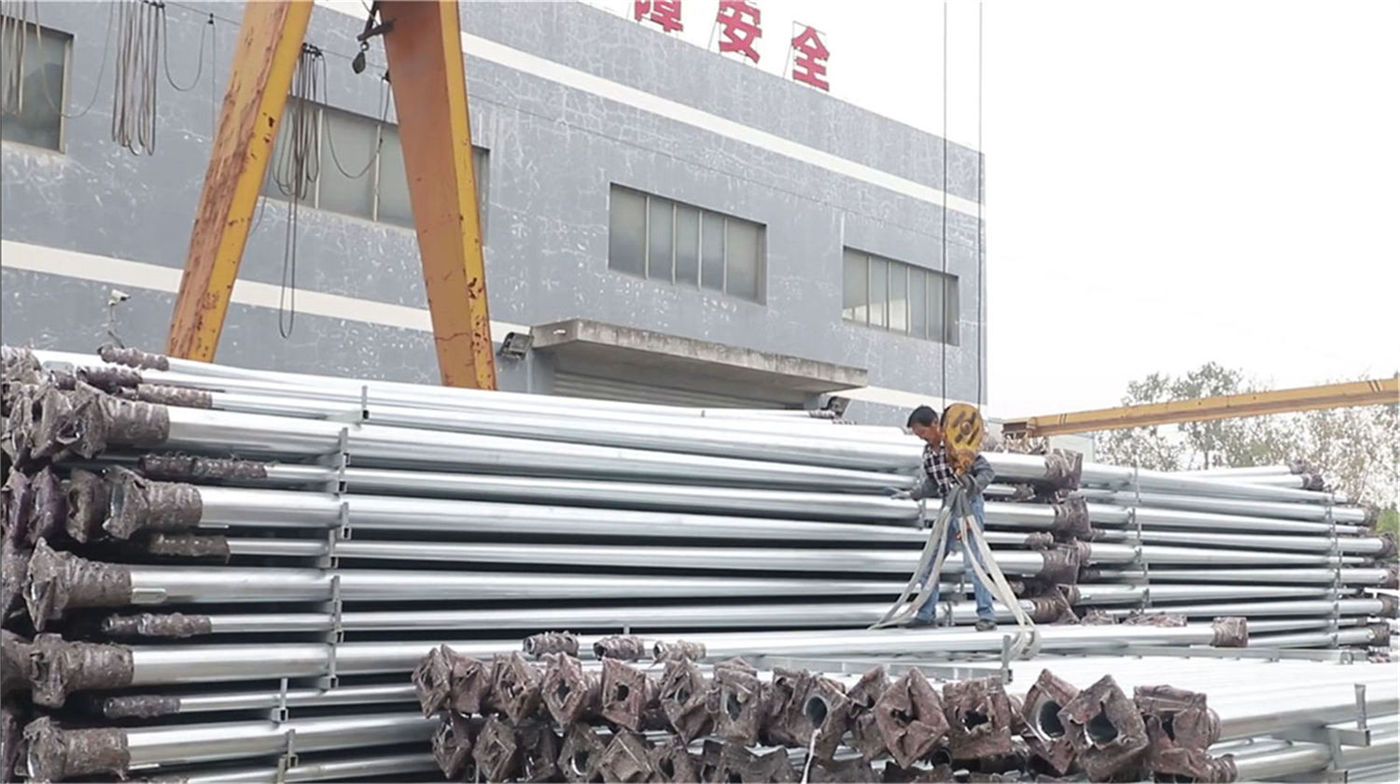
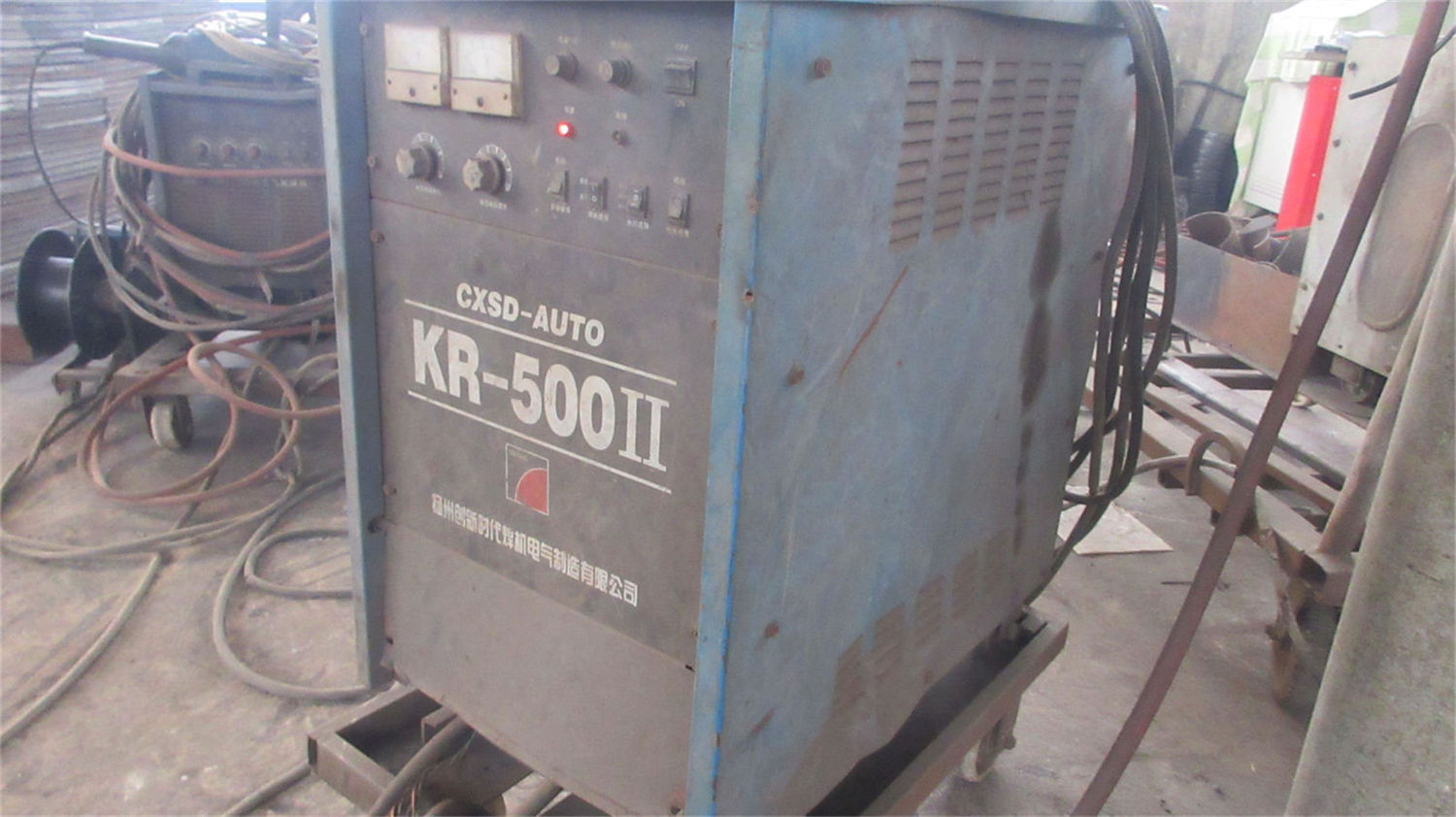
A behind-the-scenes view of our vertically integrated manufacturing facility, showing how raw materials are converted into heavy-duty structural poles and smart lighting components.

When selecting integrated solar streetlights for municipal or industrial use in Calgary, the primary engineering concern is thermal management and low-light harvesting efficiency. Below is the technical blueprint Gtron Solar uses to ensure 365-day reliability in Western Canada:
Lithium Iron Phosphate (LiFePO4) battery chemistry is the global standard for safety and long lifecycle. However, standard LiFePO4 batteries cannot be safely charged at sub-zero temperatures (below 0°C) without damaging the internal anode structure. For Calgary’s winters, where temperatures easily drop below -20°C, Gtron Solar utilizes an integrated **smart thermal management BMS**. When the ambient temperature falls below 0°C, the system directs incoming solar current to dedicated, low-draw internal heating elements, warm-jacketing the battery cell chamber to an optimal +5°C before initiating the charging cycle. This prolongs battery life for over 10-12 years (up to 4000+ charge cycles).
Unlike flat or standard 15-degree solar mounting systems suited for low-latitude areas, systems deployed in Calgary must account for latitude-specific seasonal solar elevations and snowfall. Since Calgary sits at approximately 51° N latitude, the solar angle during the critical winter months is low. We mount panels on our integrated fixtures at optimized angles (typically 50° to 55°) or provide dynamic brackets. This tilt not only maximizes energy absorption during winter but also allows gravitational shedding of snow, preventing ice build-up that blocks PV cells.
Standard Pulse Width Modulation (PWM) solar charge controllers lose up to 30% efficiency in low-light, cold conditions. Gtron Solar street lights utilize intelligent MPPT (Maximum Power Point Tracking) algorithms. In extreme cold, the PV panel voltage increases while the current decreases slightly. The MPPT controller continuously analyzes this curve, converting excess voltage into additional charging current. This delivers a 20% to 30% higher charging efficiency than standard configurations, ensuring the battery charges fully during Calgary's short winter days.
Our integrated solar street lighting configurations are engineered to meet specific spatial and functional layouts across the Calgary region:
Ideal for security perimeters and shipping zones around Northeast Calgary, Rocky View County, and Foothills Industrial Areas where trenching disturbs paved pathways.
Provides critical safety illumination at crossroads and driveway entryways along the Stoney Trail extension, Okotoks, Airdrie, and Cochrane pathways without grid connections.
Off-grid lighting solutions for pathways, public parks, and neighborhood bus stops, supporting Calgary’s sustainable green infrastructure transition.
As we design lighting systems for the future, the technology is moving toward fully connected ecosystems. Our production lines are transitioning to support Solid-State Battery cells, which double energy density while remaining thermally stable down to -50°C without heating jackets. Additionally, our upcoming generation of integrated fixtures will feature Bifacial Solar Integration. This allows the back of the solar panels to harvest light reflected off winter snow, boosting overall power generation by up to 15%.
Furthermore, our integrated smart poles are prepared to integrate with future Smart Grid IoT frameworks. By utilizing AI-driven adaptive dimming based on local transit patterns and localized light pollution policies, Gtron Solar systems are designed to minimize energy waste while providing high-intensity illumination only when active presence is detected.
Our solar lights are engineered to withstand extreme winter conditions. We use high-grade monocrystalline panels tilted at 50°-55° to maximize low-angle winter sunlight and allow snow to slide off. Additionally, our intelligent BMS pre-heats the battery compartments during freezing weather, ensuring normal charging and discharging cycles down to -40°C.
Traditional lighting requires high upfront costs for trenching, cabling, and permit approvals—especially in frozen soils. Integrated solar lights require no cabling, reducing installation labor costs by up to 60-70%. You also save on monthly electricity costs, making your system fully self-funding over its operational lifespan.
Our high-capacity LiFePO4 batteries deliver over 4,000 charge cycles, providing roughly 10-12 years of runtime under normal conditions. The LED chips have a lifespan exceeding 50,000 to 80,000 hours, while the structural steel components are hot-dip galvanized and powder-coated to prevent rust for 20+ years.
Yes. Our smart models support optional IoT integrations using Zigbee, LoRa, or 4G LTE. This allows operators to monitor battery charge levels, solar panel output, and LED status, and adjust dimming profiles remotely through a centralized cloud dashboard.