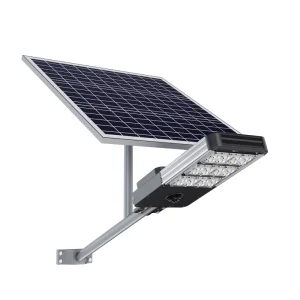
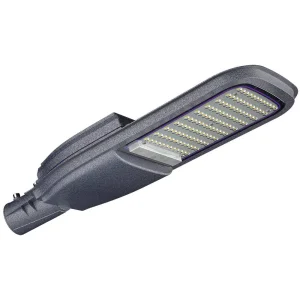
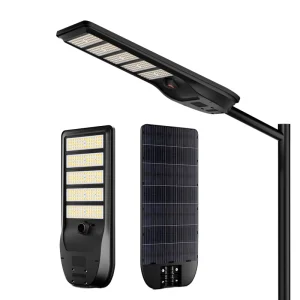
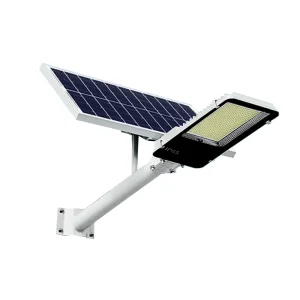
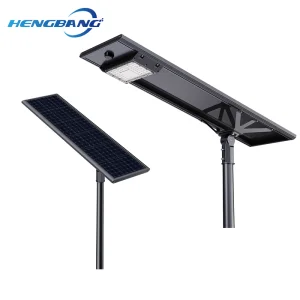
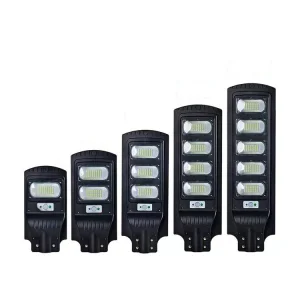
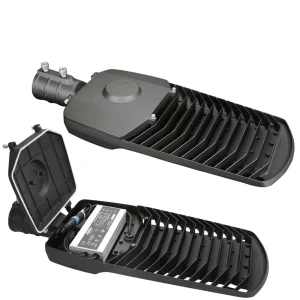
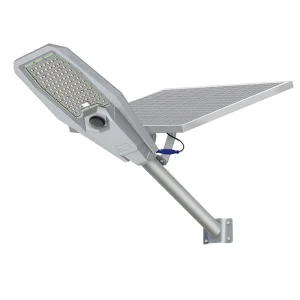
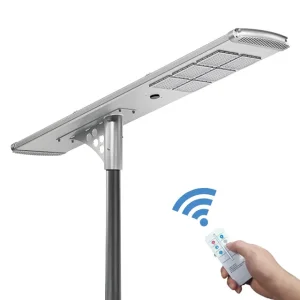
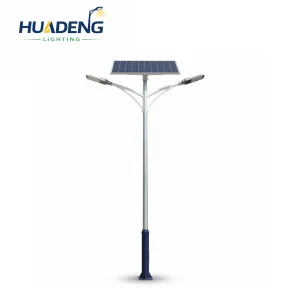
As South Africa continues to navigate complex energy challenges, including persistent load shedding and the need for sustainable infrastructure, Split-type Solar Street Lights have emerged as a critical solution for municipalities, mining sectors, and private developers. Unlike "All-in-One" systems, the split design provides the necessary flexibility to maximize solar harvest in regions ranging from the high-irradiation Northern Cape to the humid coastal corridors of KwaZulu-Natal.
In the South African market, security is paramount. Split systems allow for the battery and controller to be mounted high on the pole or in underground reinforced enclosures, significantly reducing the risk of vandalism and theft compared to integrated units.
With South African summers reaching extreme temperatures, separating the LED light source from the battery box ensures optimal cooling. This architectural separation extends the lifespan of LiFePO4 batteries by up to 40%.
Split-type lights allow for the precise orientation of solar panels towards the north, independent of where the light needs to shine. This ensures maximum efficiency during winter months when sun angles are lower.
Yangzhou Gtron Solar Co., Ltd. stands as a beacon of excellence in the solar lighting industry. Located in the high-tech industrial heart of Yangzhou, China, we have spent over 20 years perfecting the art of renewable illumination. As a National High-Tech Enterprise, our focus is not just on manufacturing, but on pioneering the next generation of smart city infrastructure.
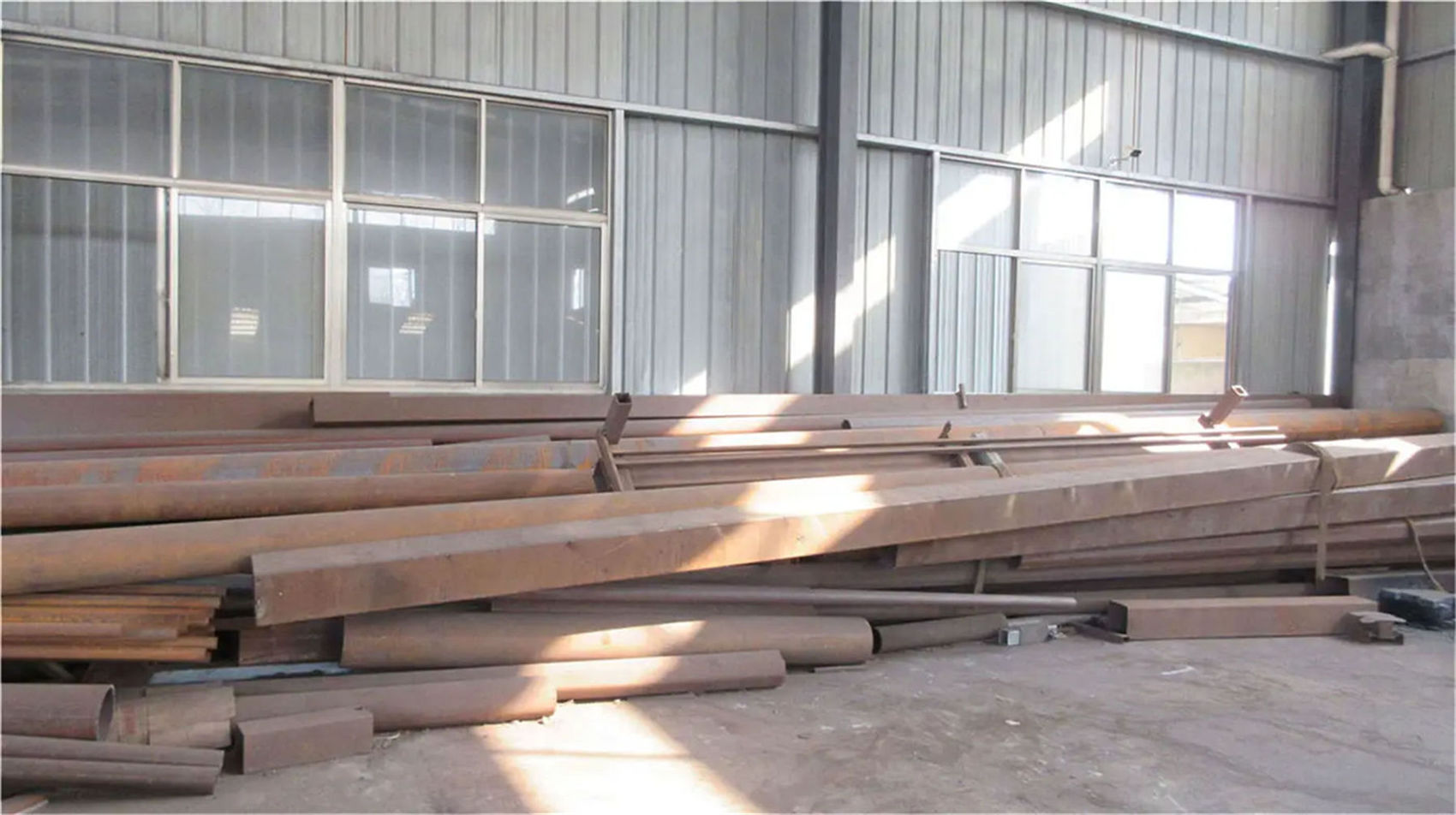
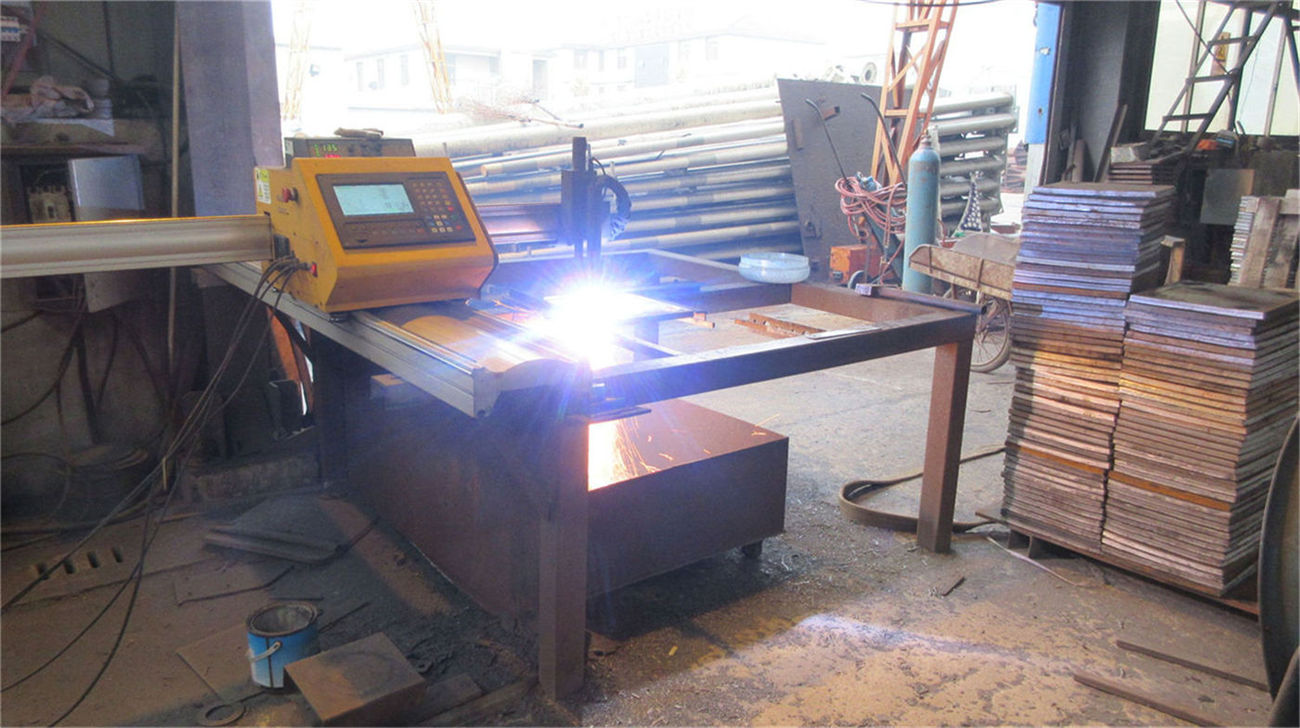
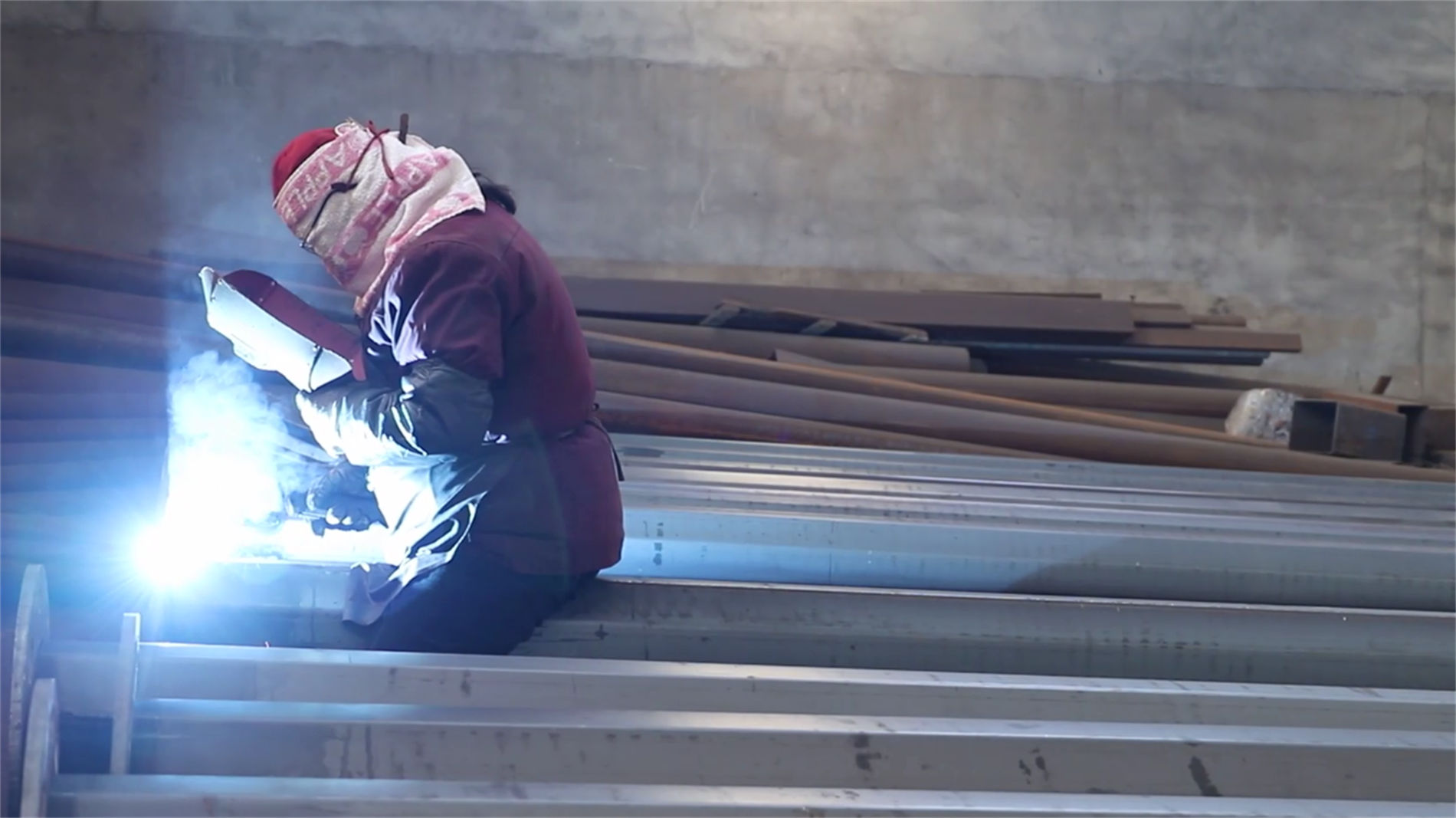
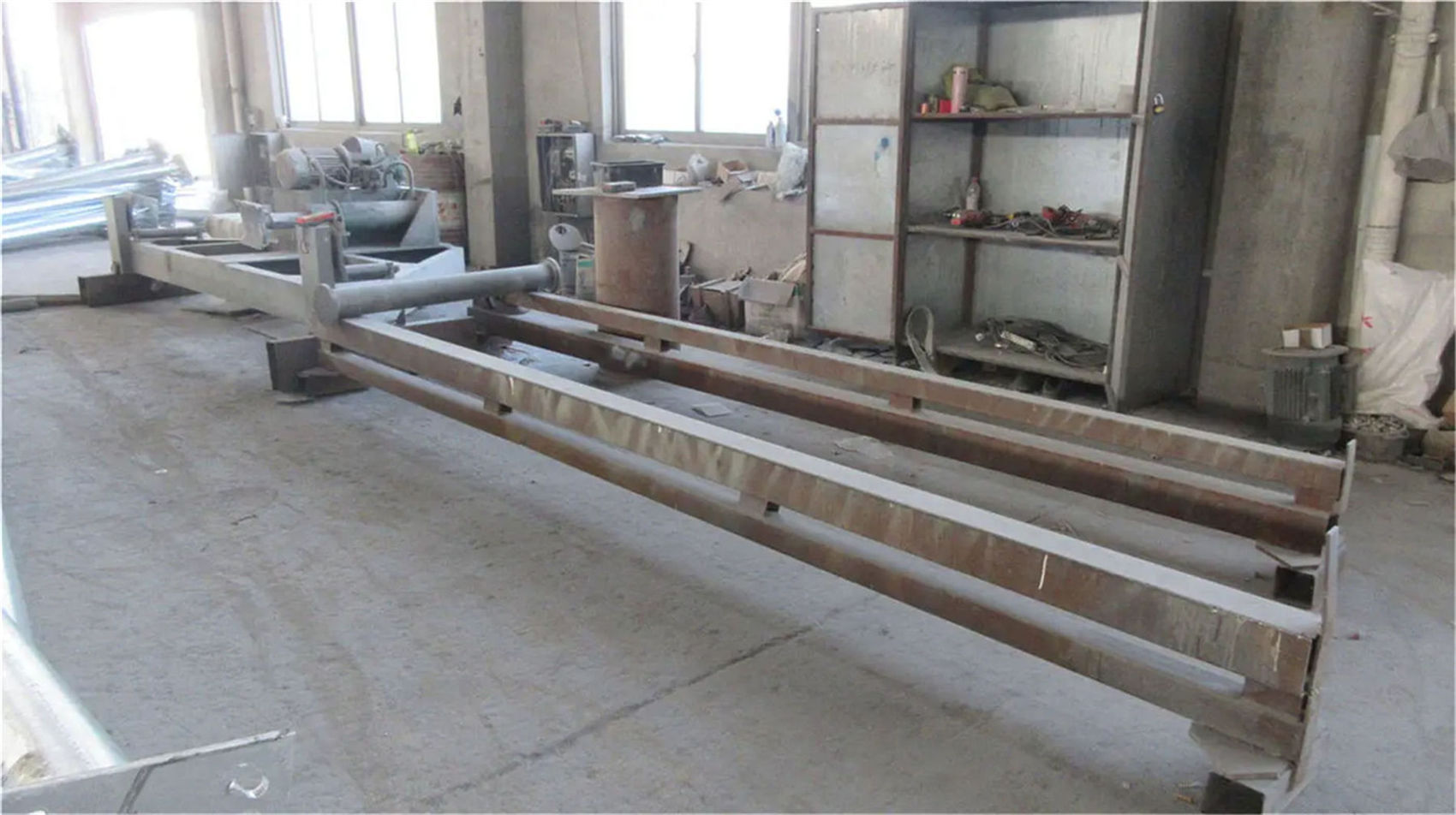
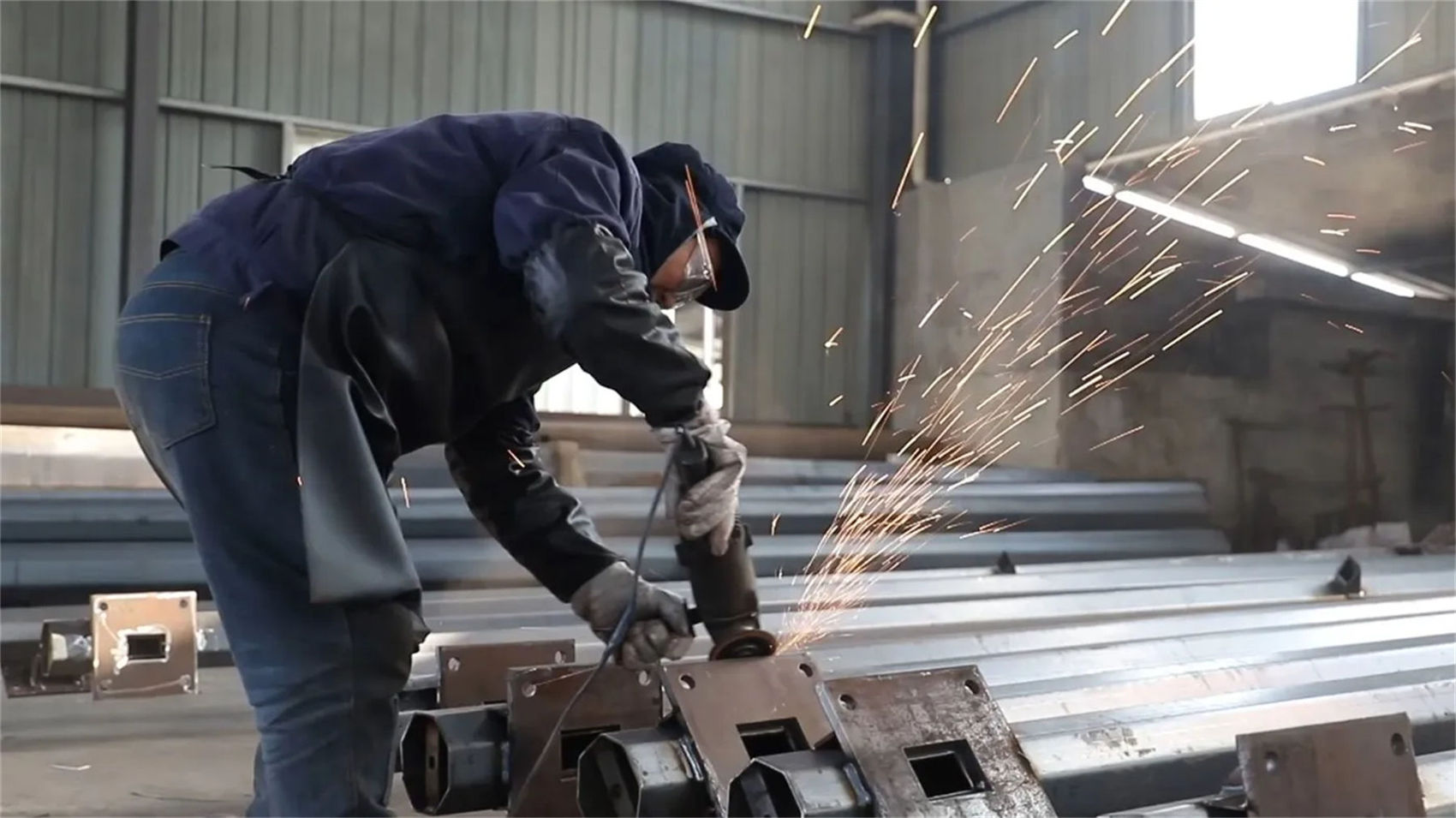
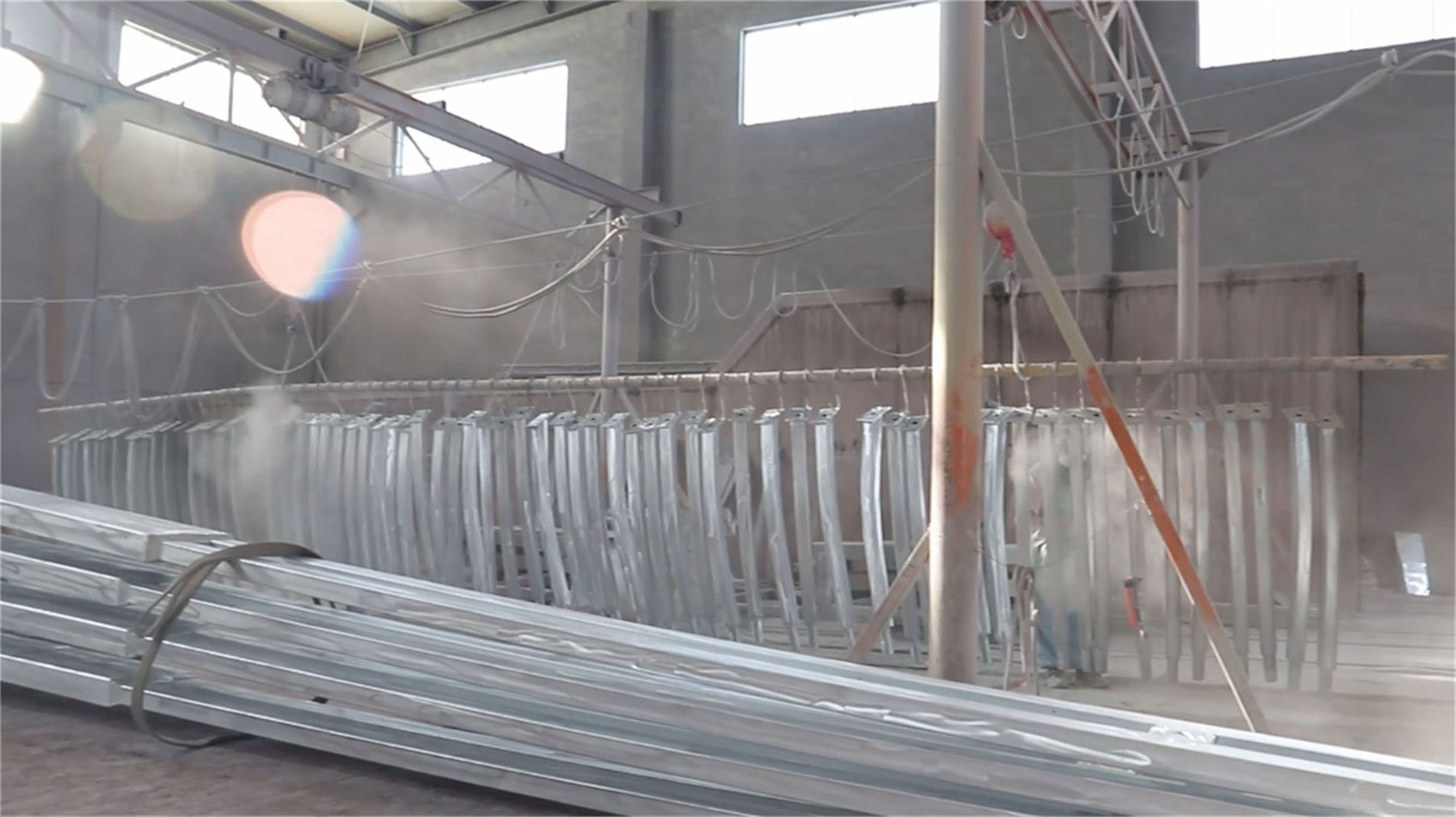
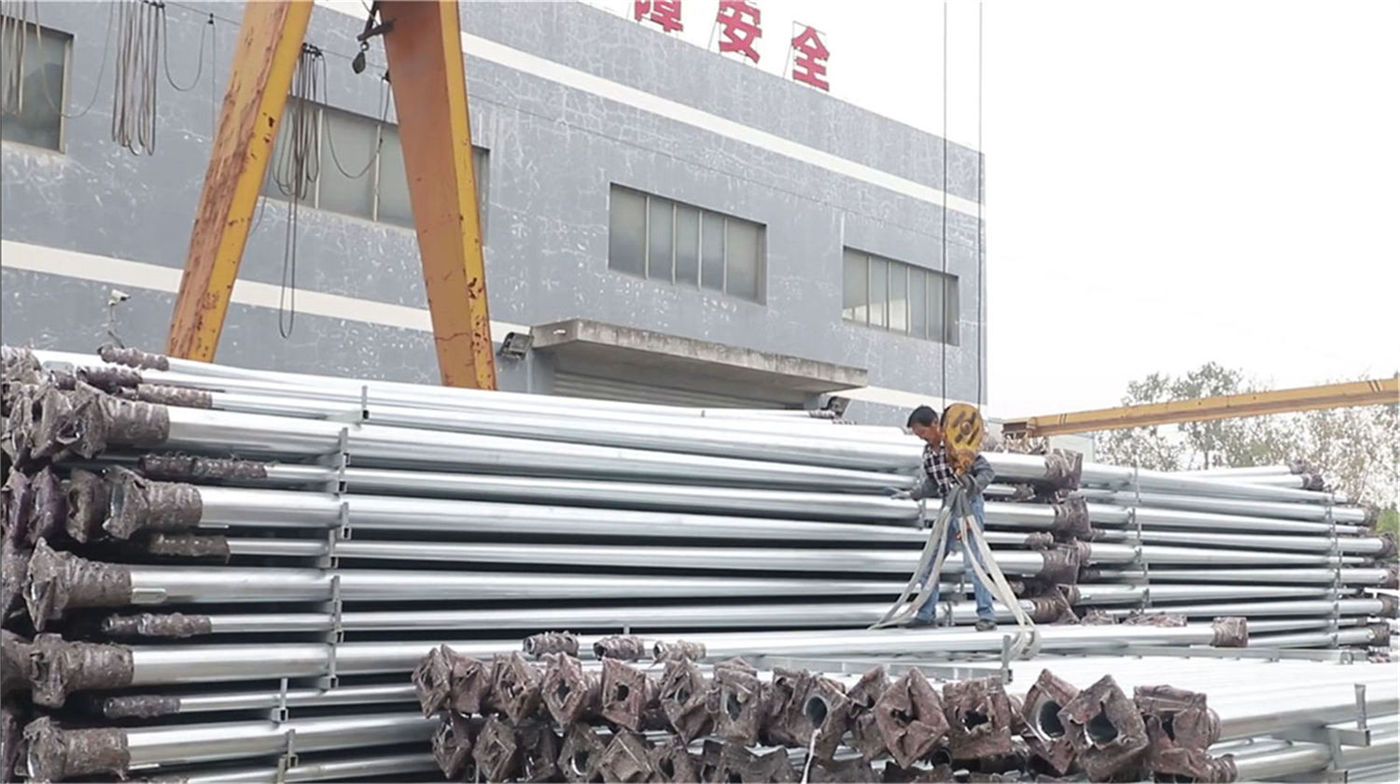
Our production facility is equipped with state-of-the-art CNC machinery, automated SMT lines for PCB assembly, and rigorous environmental testing chambers. We understand the specific demands of the South African market—durability, high lumen output, and long-term maintenance support.
Modern split-type systems in South Africa are increasingly using Zigbee, LoRa, or 4G/5G technology. This allows municipal managers to monitor battery health, adjust brightness remotely, and receive instant maintenance alerts, saving millions in operational costs.
The shift from Lead-Acid or Gel batteries to Lithium Iron Phosphate (LiFePO4) is complete. These batteries offer over 3000 cycles at 80% Depth of Discharge (DoD), ensuring 8-10 years of reliable operation in harsh African climates.
By utilizing reflected light from the ground, bifacial panels in split systems can increase energy production by up to 25%, particularly useful in sandy or paved urban environments.
Our solutions are designed to address specific local application scenarios:
High-powered 300W+ systems for heavy-duty haul roads and security perimeters in Mpumalanga and Limpopo mines.
Reliable, low-maintenance lighting for off-grid communities, providing safety and extending economic activity after sunset.
Specialized IP67 waterproof and salt-spray resistant fixtures for beachfront lighting in Port Elizabeth and East London.
A: Highways require high lumen output and specific beam angles. Split-type lights allow for larger solar panels and larger batteries that cannot fit into an integrated unit, providing the 12+ hours of light needed throughout the night.
A: We use high-grade tempered glass for panels and UV-stabilized powder coating for the aluminum housings, ensuring no yellowing or degradation for at least 15 years.
A: Yes, we offer full Dialux simulations to ensure your project meets the specific SANS (South African National Standards) for road lighting categories.
A: Production typically takes 15-20 days, with shipping to Durban or Cape Town ports taking approximately 25-30 days.