
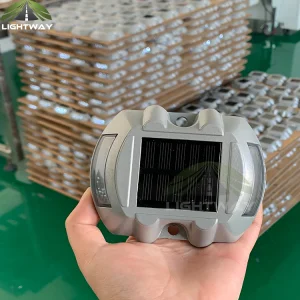
High-lumen, high-efficiency solar lighting systems tailored for Singapore's expressways, commercial spaces, and ecological boardwalks.
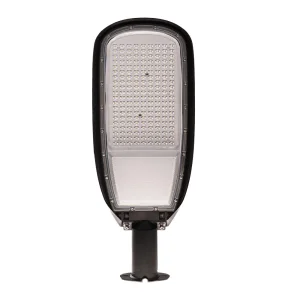
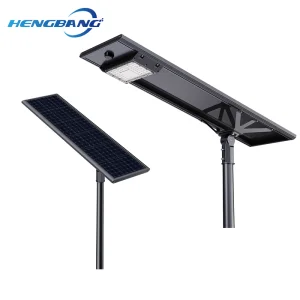
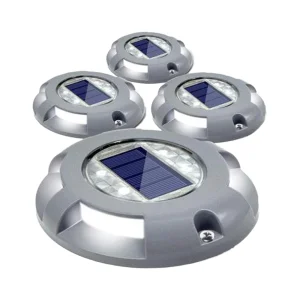
Under the statutory mandate of the Singapore Green Plan 2030, the nation-state has accelerated its carbon reduction goals, targeting at least 2 gigawatt-peak (GWp) of solar energy deployment by 2030. In highly urbanized settings, traditional municipal lighting systems account for a substantial percentage of administrative electrical consumption. Achieving grid-decarbonization requires structural transformation, moving from grid-dependent lighting to localized off-grid solar infrastructure.
However, Singapore's unique equatorial geography poses severe physical limitations on solar hardware performance. Operating close to the equator means high solar irradiance (averaging 1,580 kWh/m² annually), but it is accompanied by dense cloud coverage, intense seasonal monsoons, high humidity indices (averaging 84%), and significant ambient thermal retention. This is where Split-type Solar Street Lights establish technological superiority over traditional "all-in-one" solar solutions.
Urban Shading (Skyline Density): Decoupled modules allow panels to be placed high above the canopy or structures, extending the charging window.
Severe Monsoons (Nov - Jan): Enhanced water sealing (IP66/IP67/IP68) on separate driver compartments prevents moisture ingress from heavy downpours.
Equatorial Heat: Split architecture lowers internal battery operating temperature by up to 12°C compared to all-in-one units, doubling cycle life.
The worldwide transition towards sustainable, micro-grid-based lighting solutions.
The global outdoor solar lighting market is undergoing a structural transition driven by the decarbonization policies of the European Union, the United States National Clean Energy Strategy, and Southeast Asia's ASEAN Smart Cities Network (ASCN). Industrial developments, port facilities, and logistic centers are progressively adopting off-grid municipal street lighting to comply with Scope 1 and Scope 2 emission limits.
Technological benchmarks have shifted from raw luminous flux to overall system longevity, intelligent connectivity, and return on investment (ROI). In global ports and coastal heavy industries—ranging from Rotterdam to Jurong—smart split-type solar street lights have emerged as the standard. They provide customizable power profiles, accommodating high-wattage requirements (up to 300W LED equivalents) and high-pole installation demands that integrated solar fixtures cannot support.
As international supply chains optimize, the role of exporters has shifted from hardware-only supply to providing comprehensive end-to-end solutions. This includes DIALux simulation modeling, site-specific wind-load calculations, battery thermal management designs, and integrated IoT control platforms.
How our engineering breakthroughs ensure maximum energy harvesting, storage, and distribution efficiency.
Integrating next-generation N-type monocrystalline silicon solar cells with conversion efficiencies exceeding 22.5%. Anti-reflective coatings and self-cleaning glass minimize efficiency degradation from dust, soot, and marine salt buildup.
Maximum Power Point Tracking (MPPT) with tracking efficiencies up to 99.8%. Utilizing multi-peak tracking technology to maintain stable power conversion during partially shaded conditions, such as tree cover or urban infrastructure.
Advanced Lithium Iron Phosphate (LiFePO4) energy storage system featuring custom-built Battery Management Systems (BMS). Features over-charge protection, thermal shutdown thresholds, and a high-cycle rating (>3000 cycles at 80% DOD).
An objective engineering comparison for tropical urban deployments.
| Performance Metrics | Smart Split-Type Solar Lights | Integrated (All-in-One) Solar Lights | Traditional Grid-Tied HPS/LED Lights |
|---|---|---|---|
| Solar Panel Positioning | Fully adjustable azimuth/tilt (360° rotation) | Fixed parallel to road alignment | N/A (Grid Powered) |
| Thermal Management | Excellent (Battery isolated from heat source) | Poor (Integrated with solar panel & lamp) | Standard (LED Driver heat only) |
| Max Lumens / Power Output | Up to 30,000 LM / 300W equivalent | Typically capped at 12,000 LM / 100W | Unlimited (Grid draw) |
| Maintenance / Serviceability | Easy (Component-level replacement) | Hard (Requires replacing entire unit) | Moderate (Ballast/driver replacement) |
| IoT/5G Smart City Integration | Highly compatible (NEMA 7-pin, external sensor arrays) | Limited space for internal sensor modules | Requires expensive add-on controllers |
| Lifespan in Tropical Areas | 8 - 10 Years (Optimized LiFePO4 thermal load) | 3 - 5 Years (Battery degradation via heat) | 3 - 5 Years (Driver component wear) |
Yangzhou Gtron Solar Co., Ltd. is a national high-tech enterprise and solution provider specializing in smart solar lighting systems and LED outdoor structures.
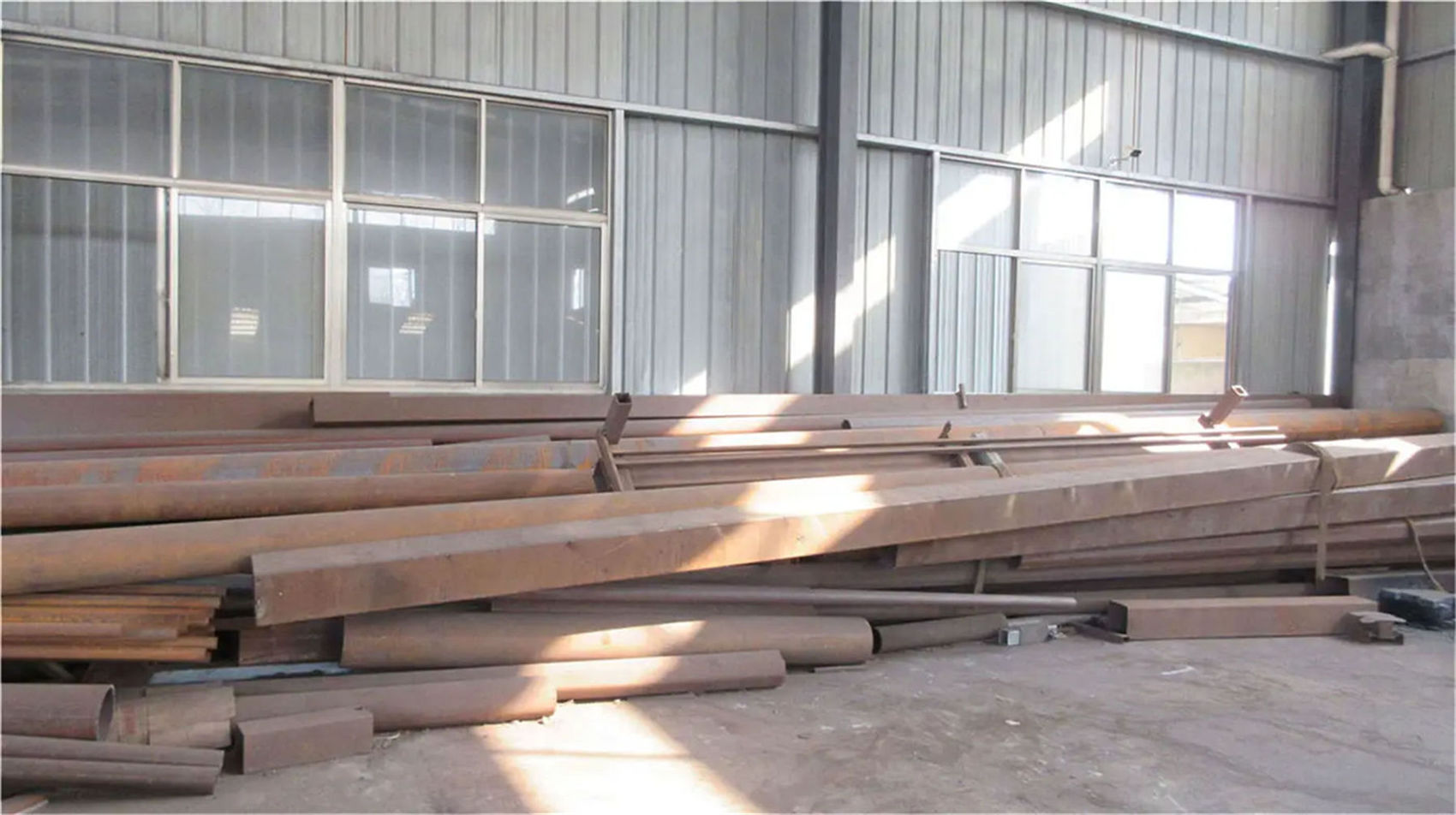
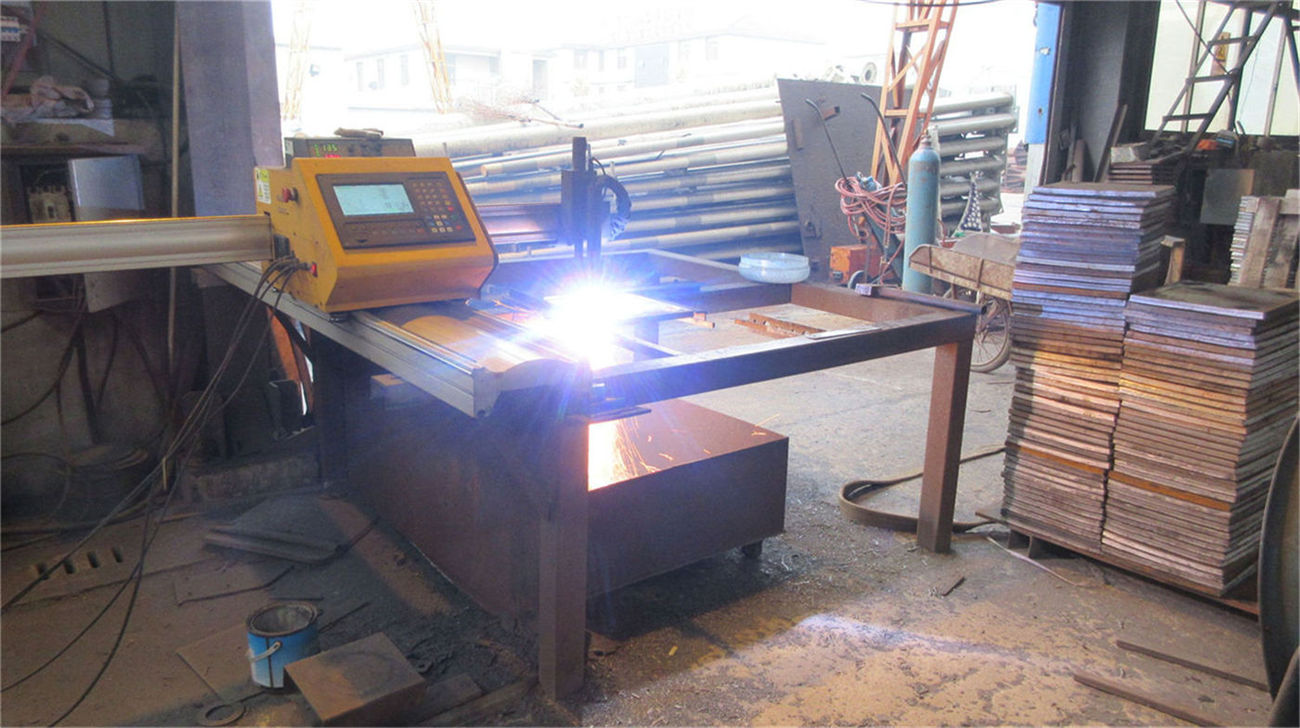
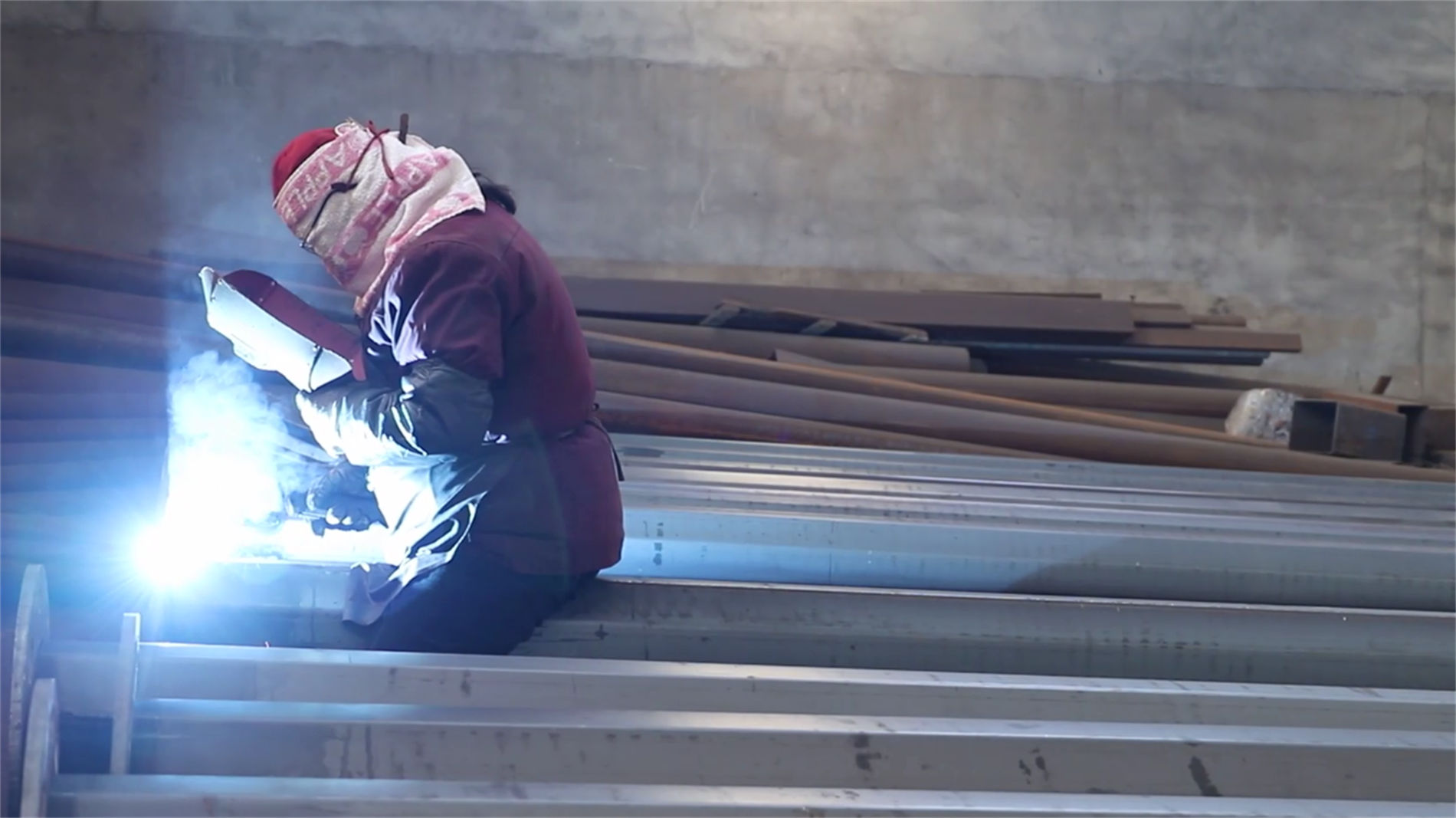
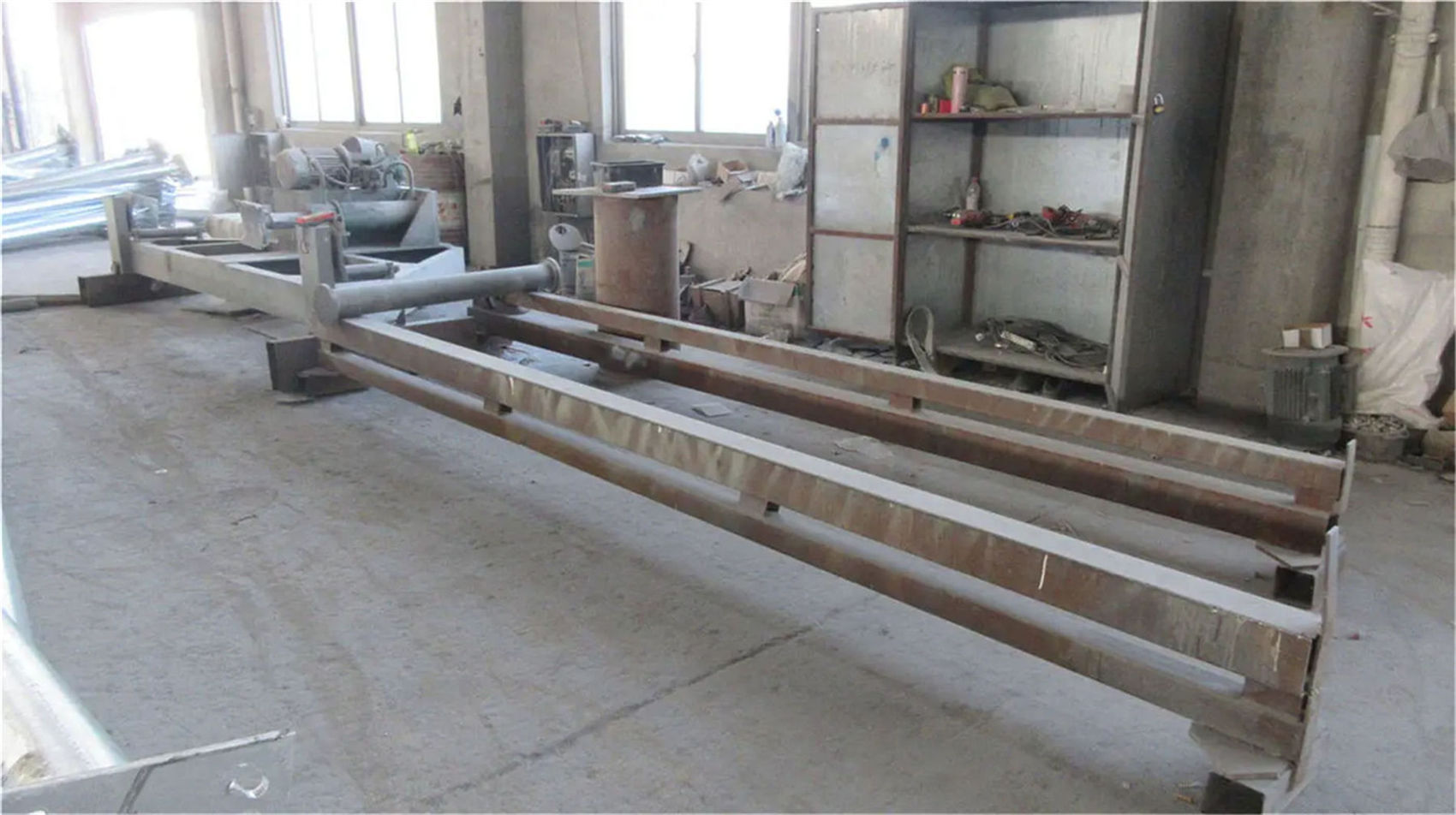
Over the past 20 years, Gtron Solar has grown into a modern high-tech enterprise equipped with advanced manufacturing facilities and intelligent production systems. Located in the Industrial Zone of Yangzhou City, Jiangsu Province, China, our manufacturing complex features automated production pipelines, including smart solar street light assembly, SMT automatic PCB lines, lithium battery pack fabrication, and precision lighting pole manufacturing lines.
Our facility is certified under ISO 9001, ISO 14001, CE, RoHS, and CCC. Innovation is at the core of our strategy. Supported by an experienced R&D team, we design, test, and manufacture energy-efficient lighting solutions deployed in urban roads, highways, industrial parks, and municipal infrastructure projects globally.
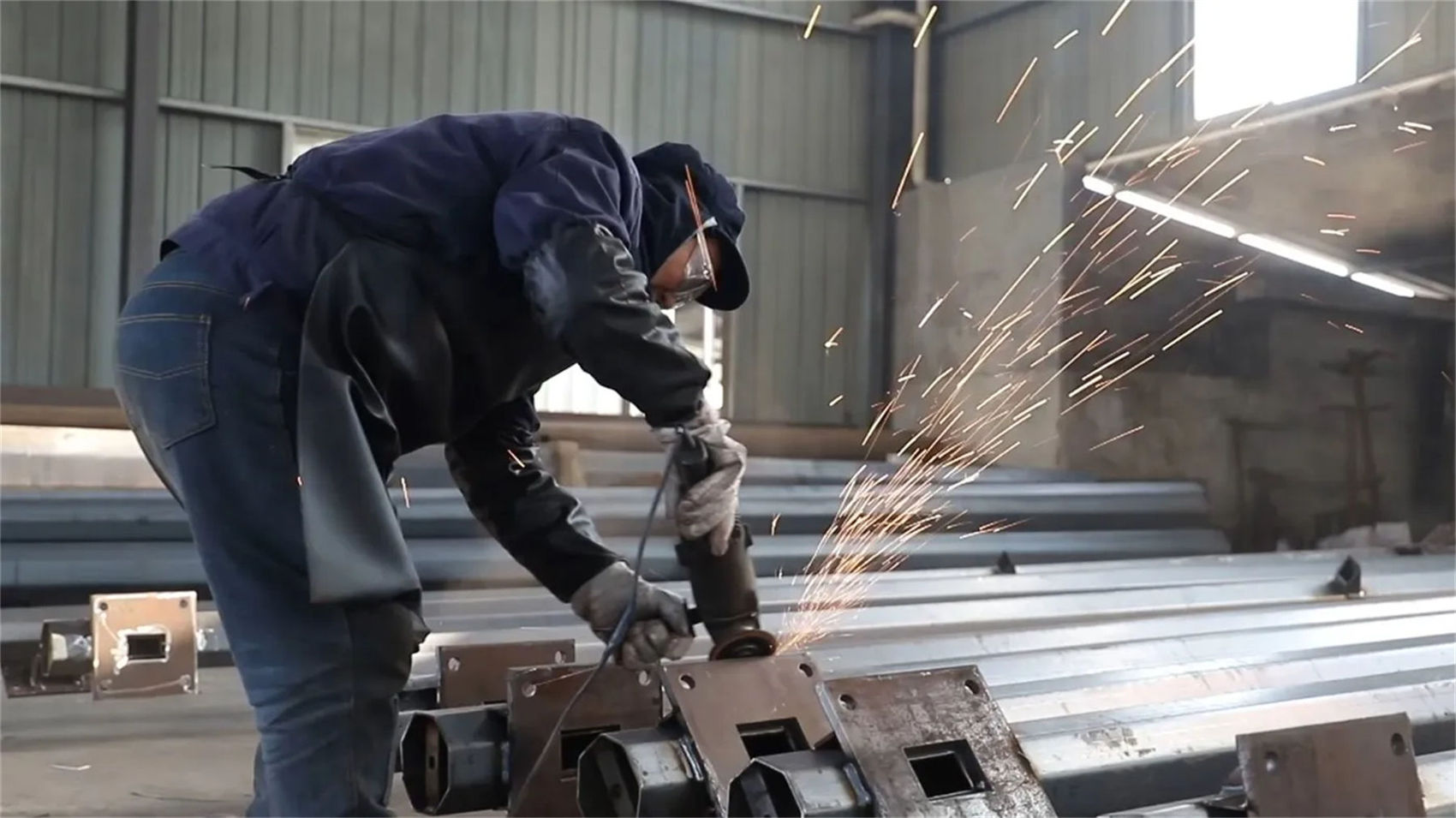
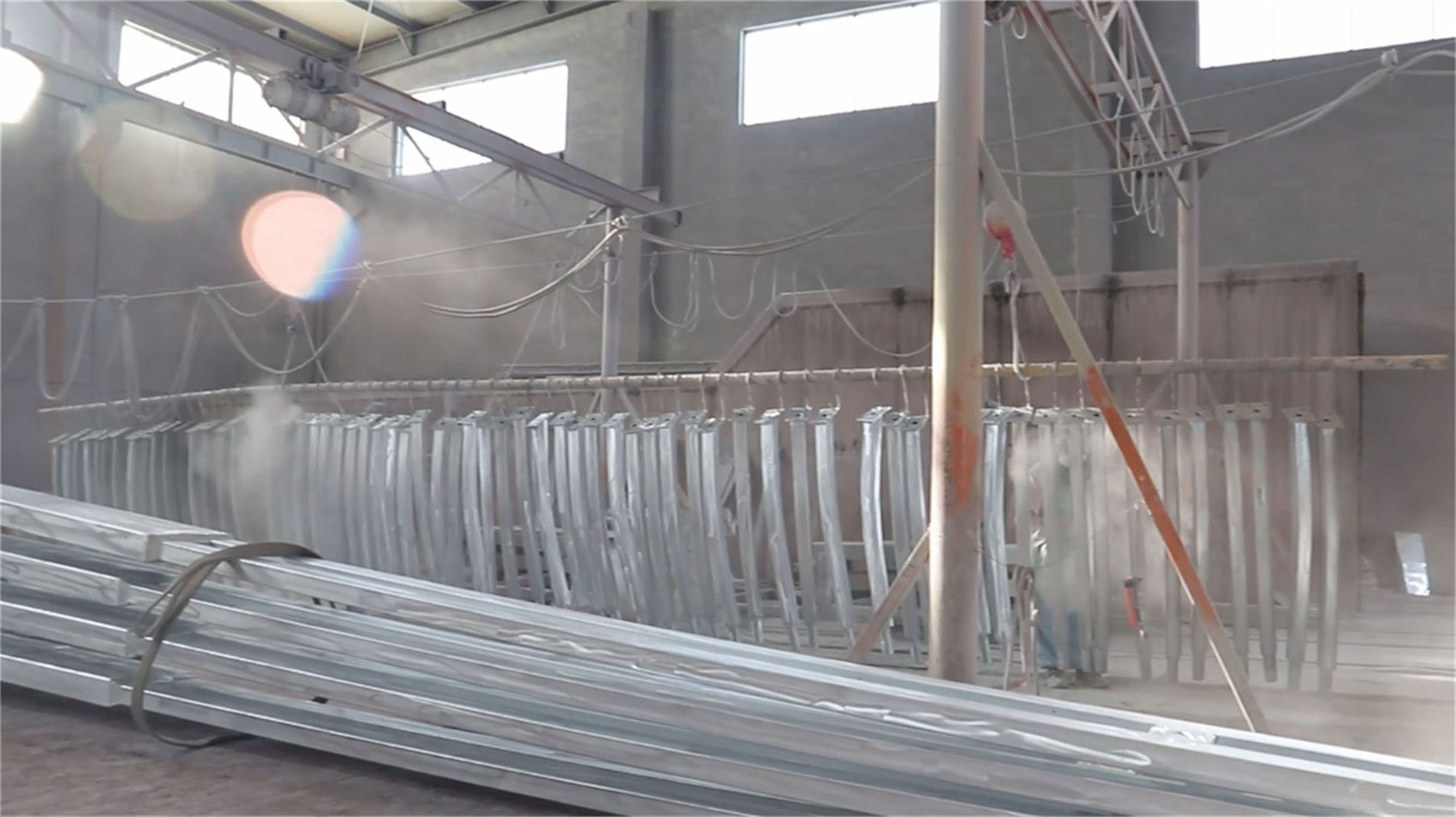
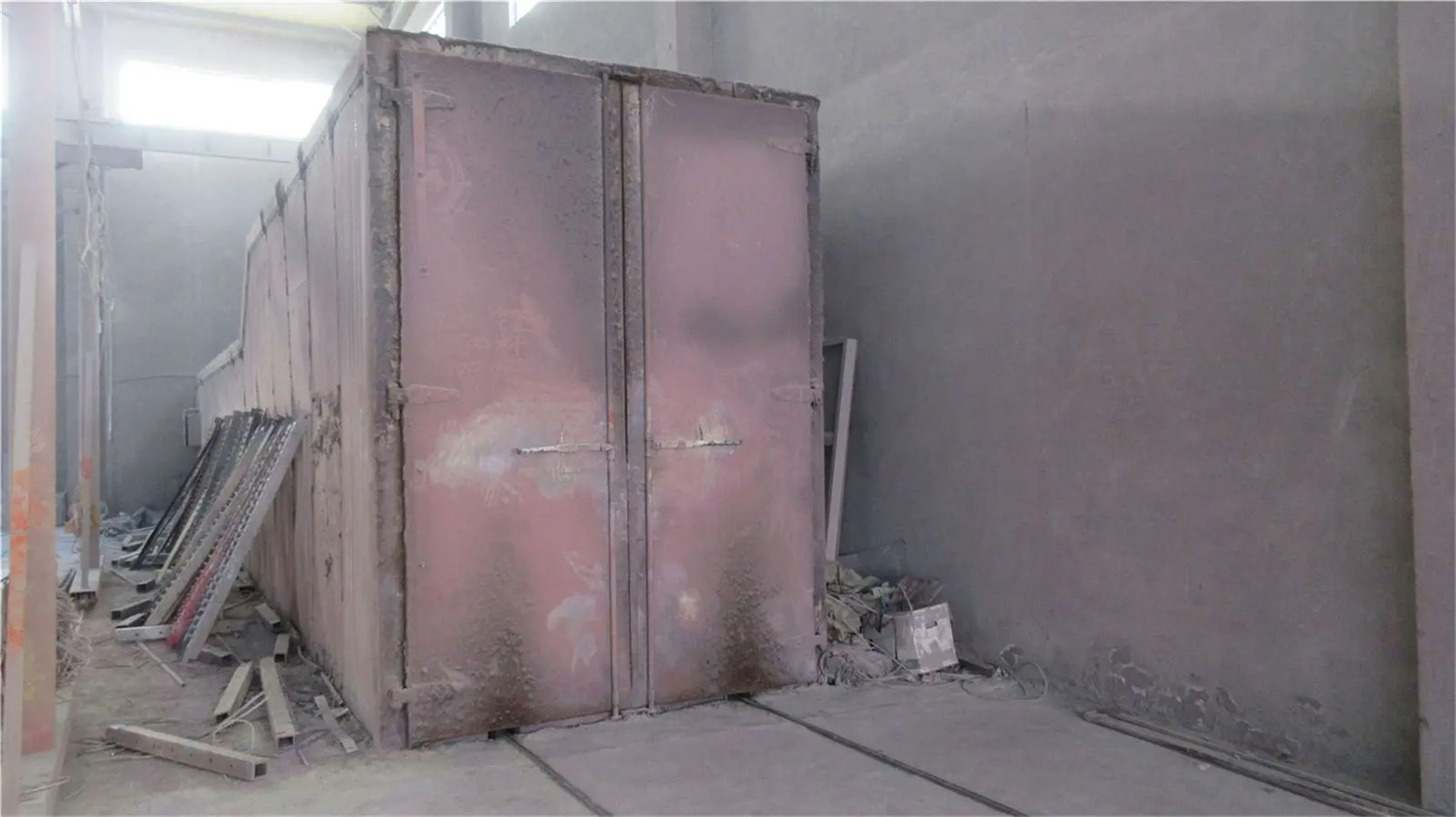
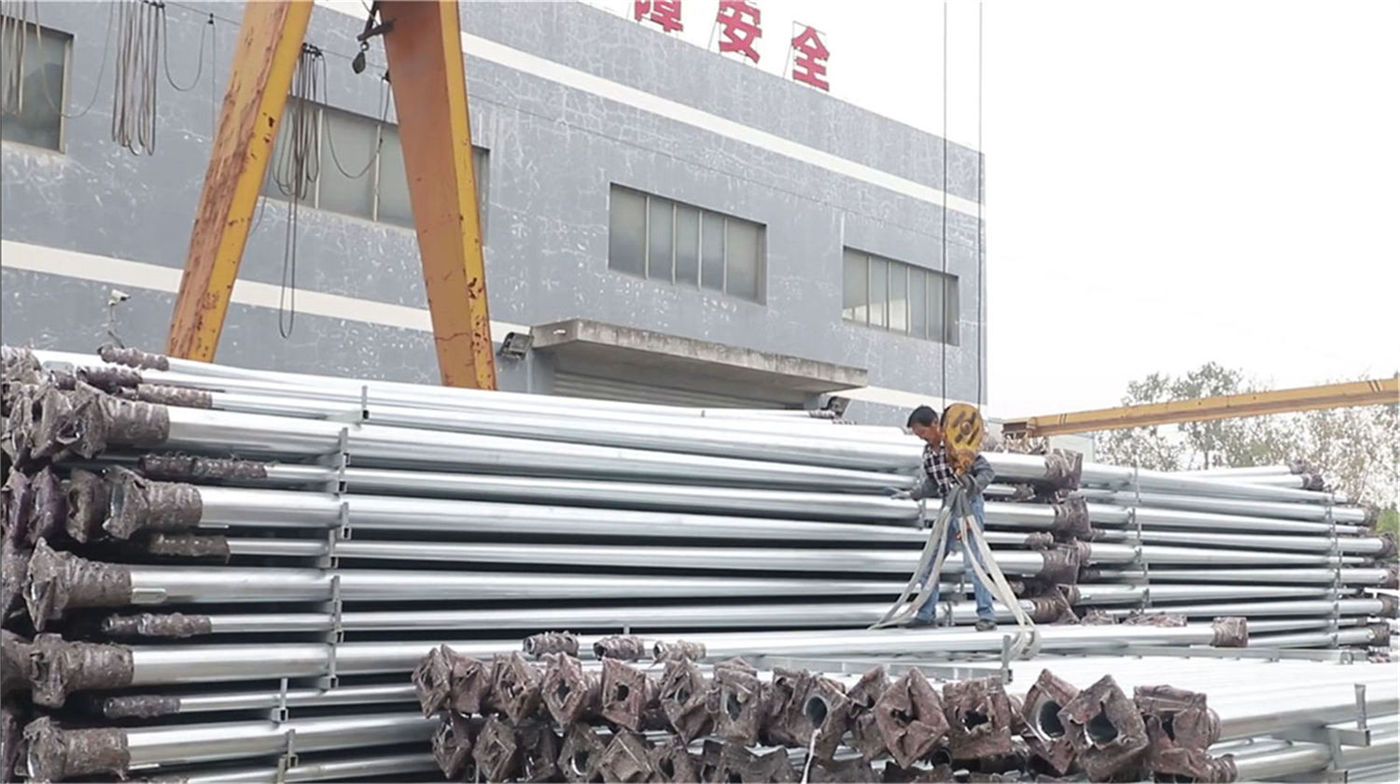
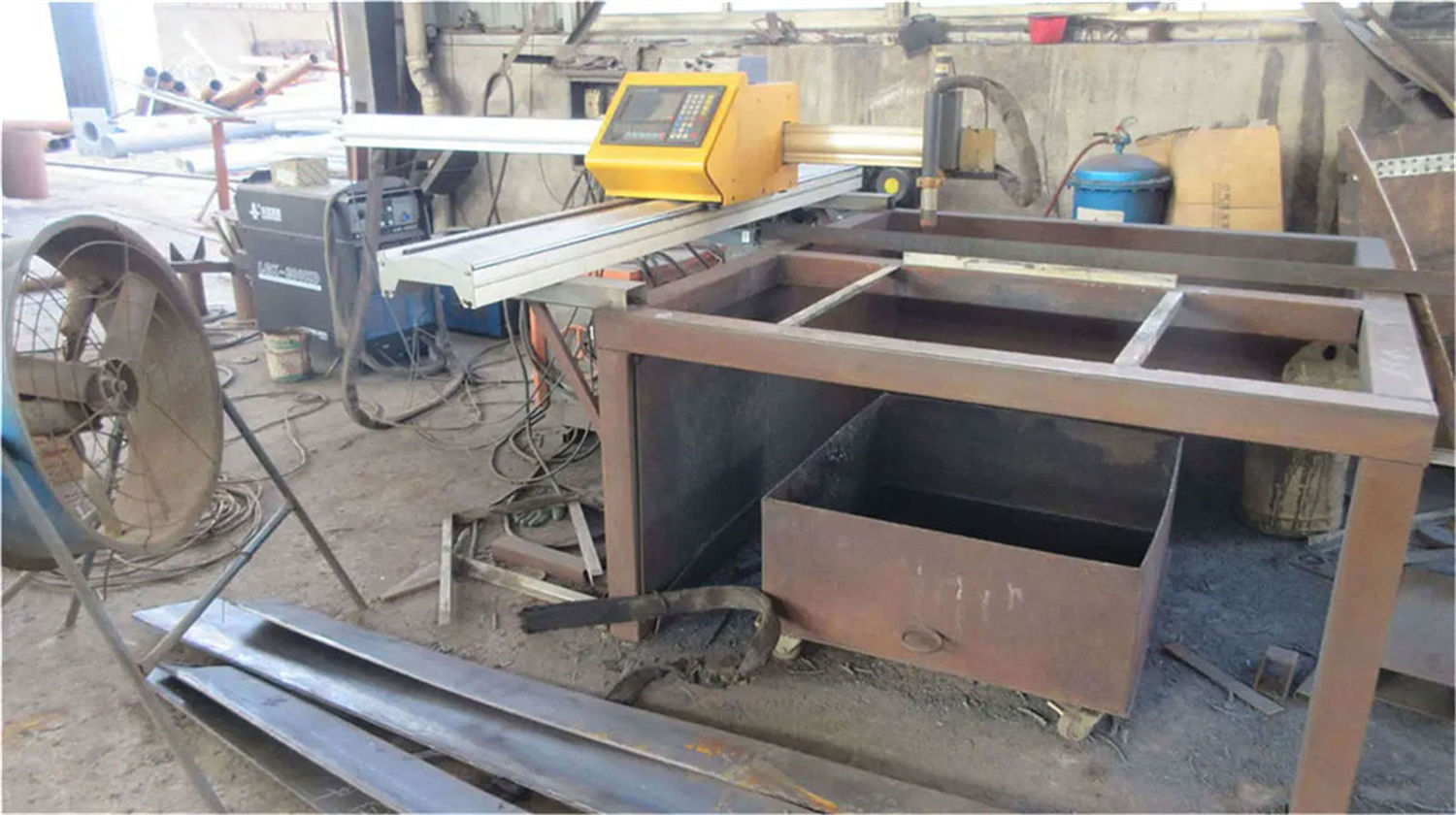
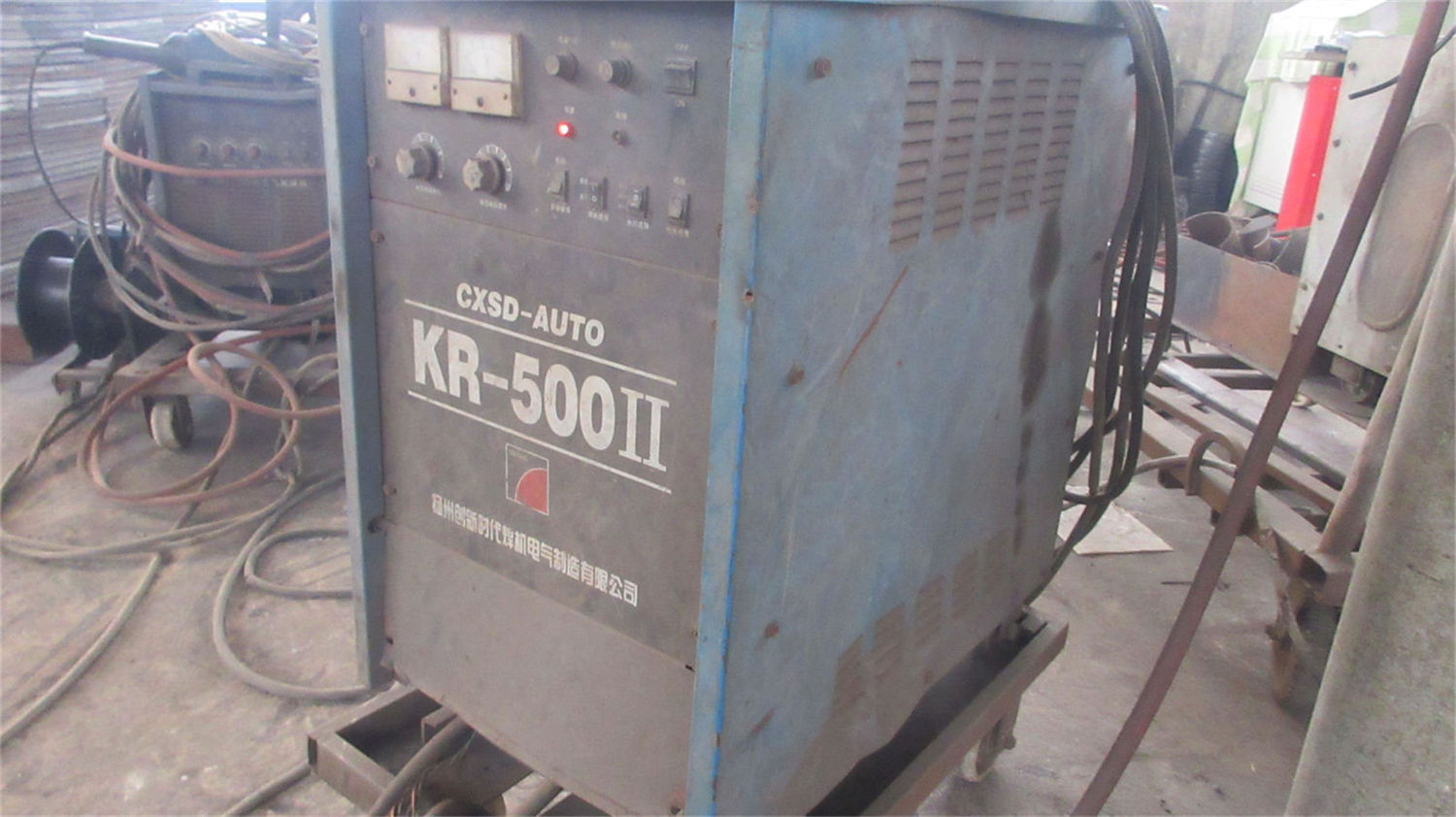
Our heavy manufacturing floor is equipped with large CNC bending machines, high-speed longitudinal shearing machines, automatic submerged arc welding equipment, laser cutting machines, electrostatic powder coating lines, and fluorocarbon paint spraying systems. This ensures every lighting pole and structural chassis meets strict structural wind-load designs and anti-corrosion specifications.
To support high-stakes global infrastructure, Gtron Solar implements rigorous end-to-end quality control testing, from spectrometer optical testing to IP68 waterproof chamber validation, ensuring high reliability in aggressive environments like Singapore's coastal zones.
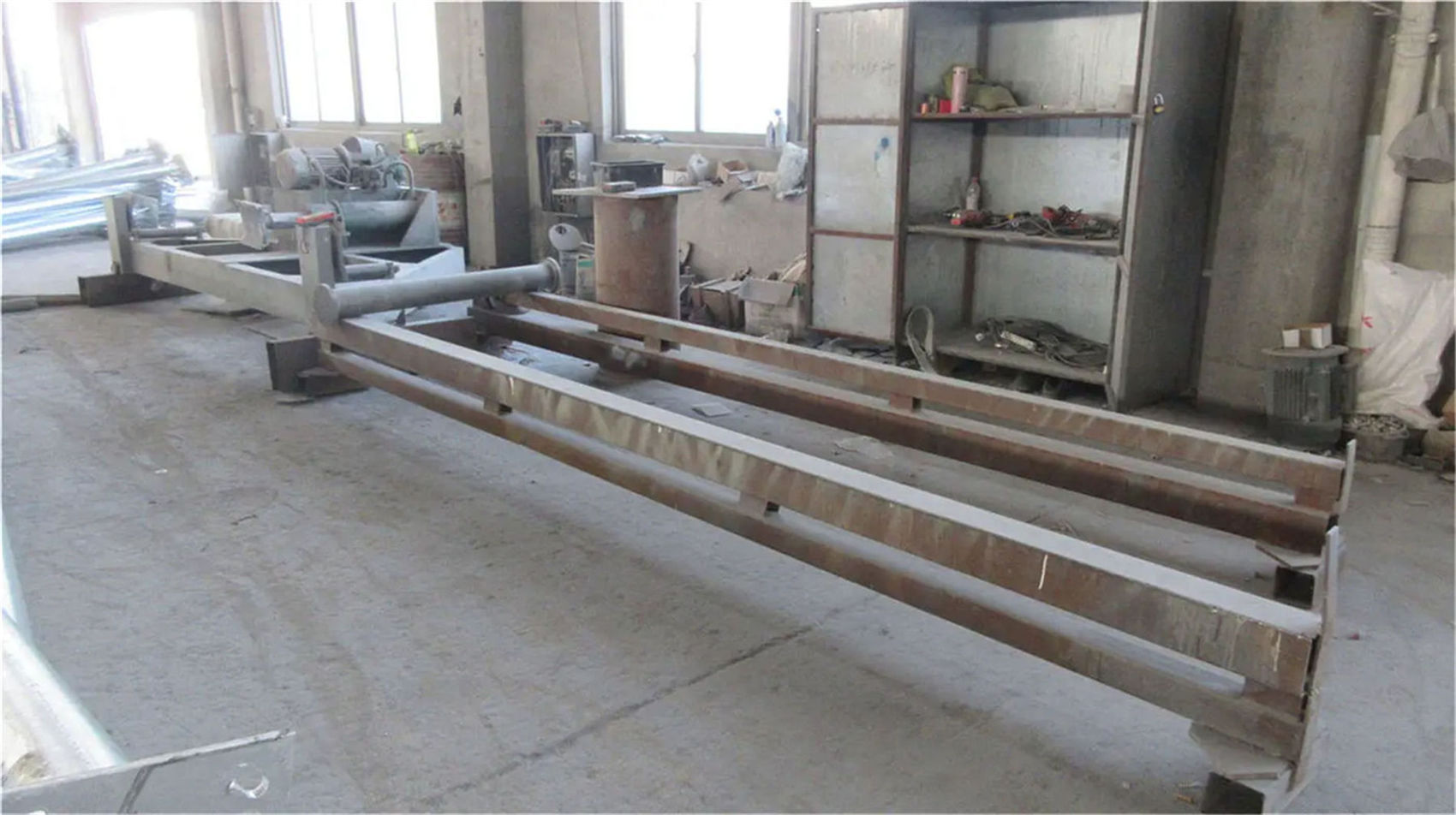
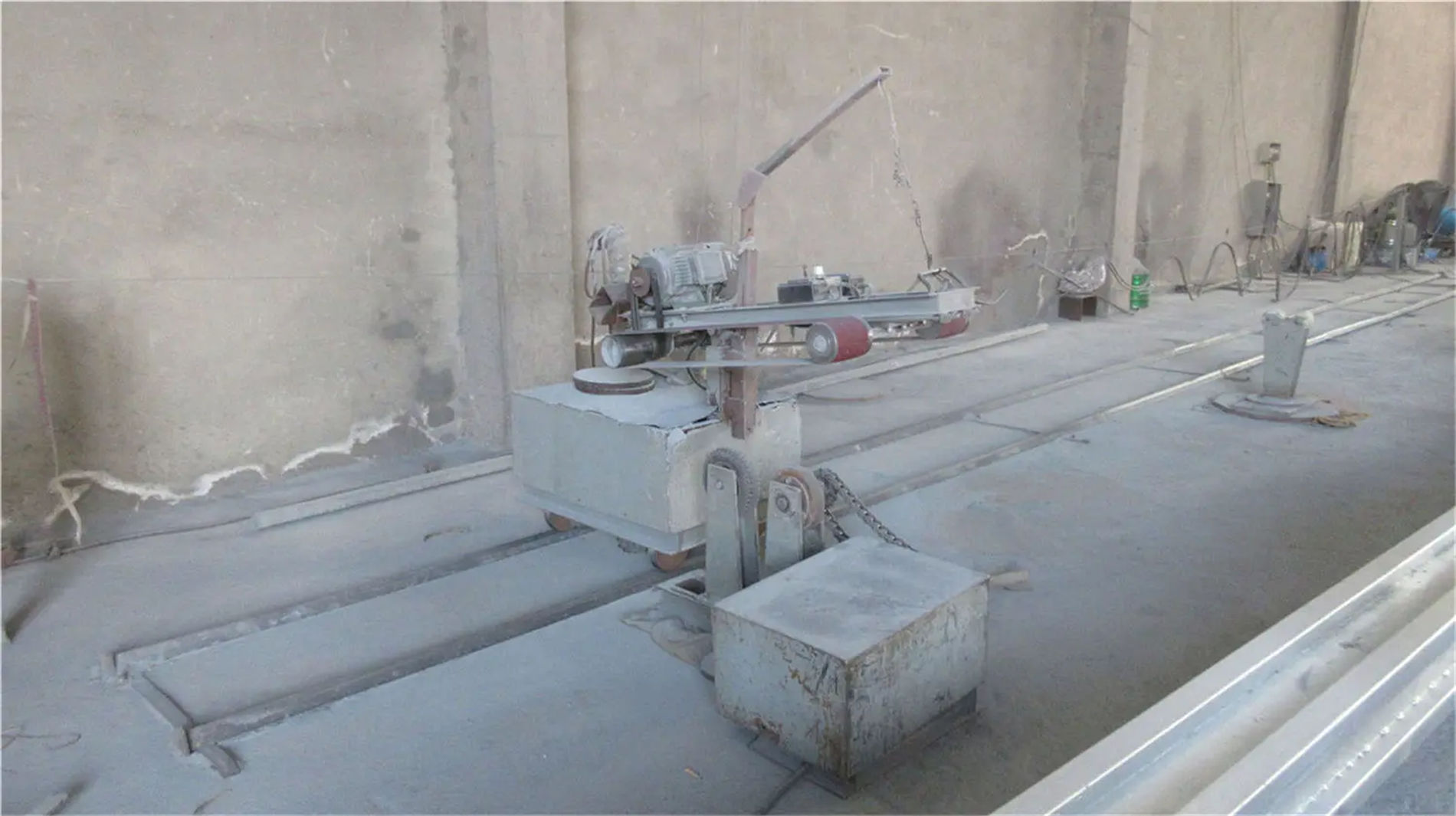
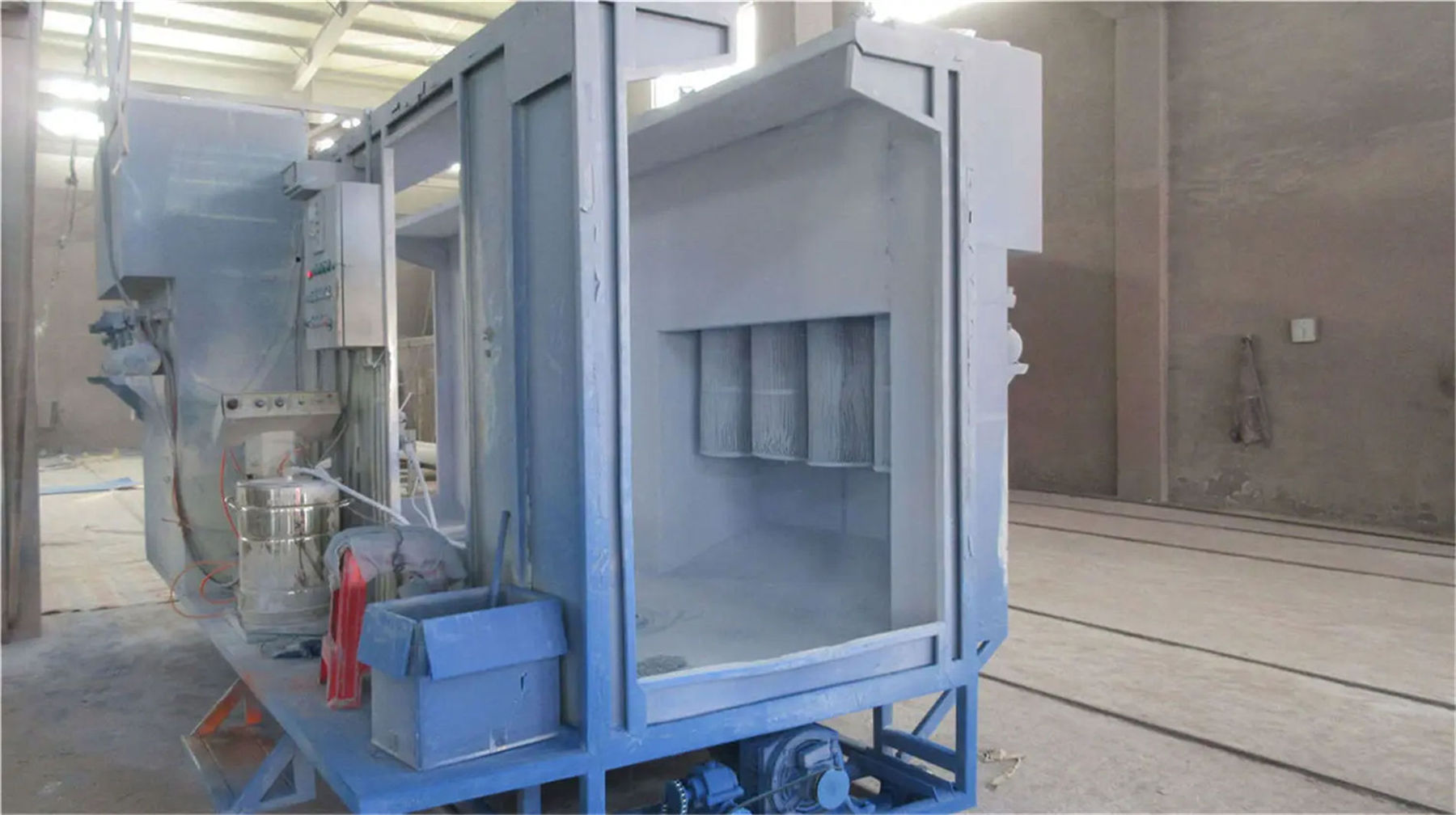
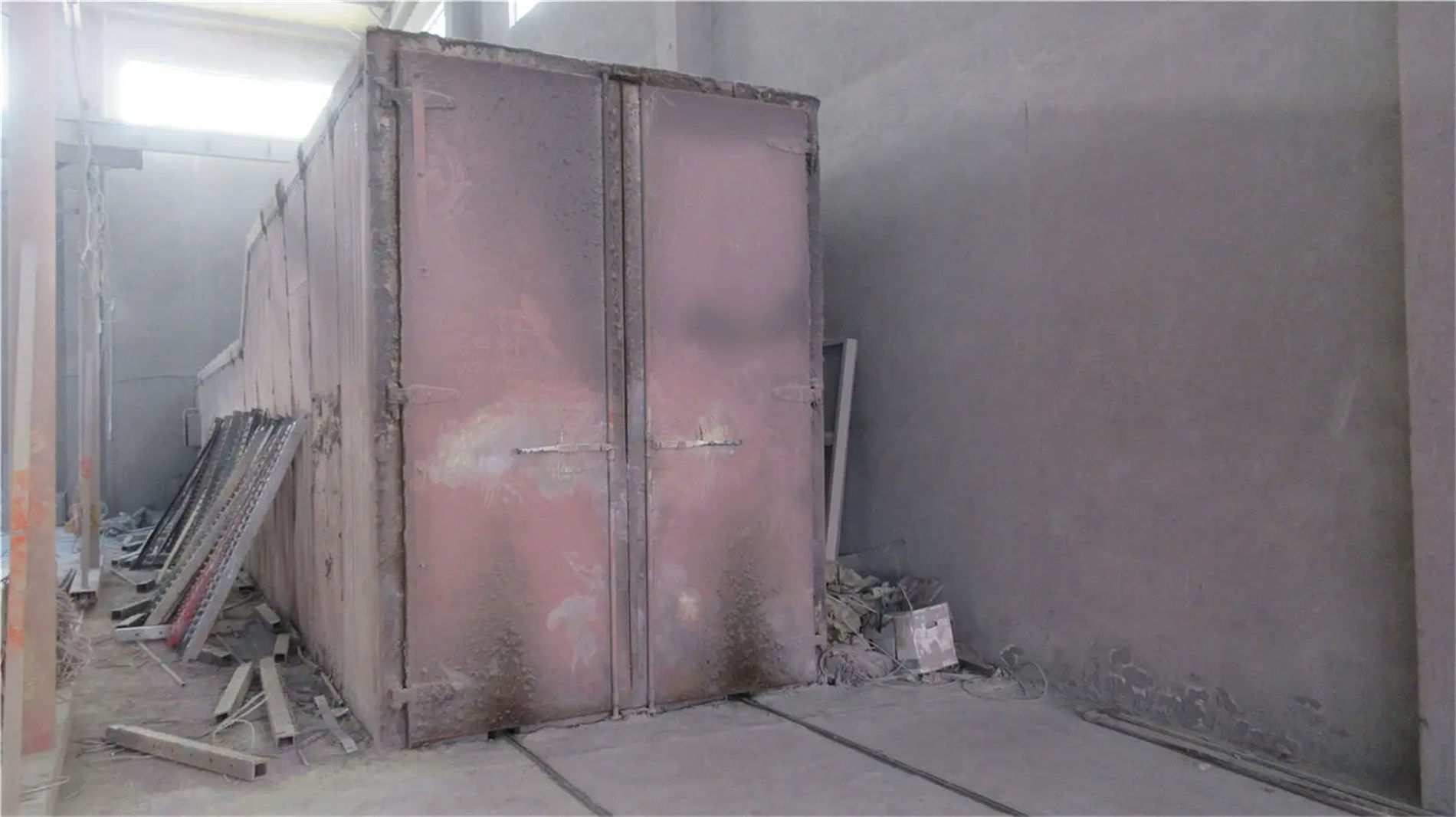
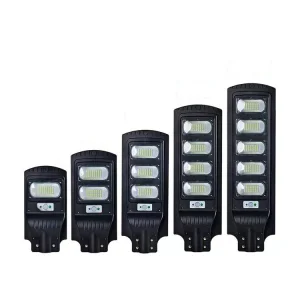
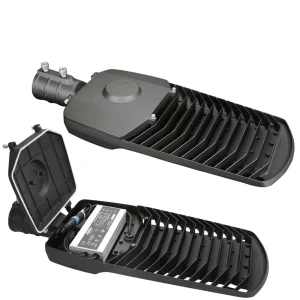
Commercial and municipal outdoor solar solutions engineered to international standards.
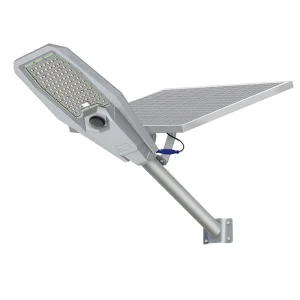
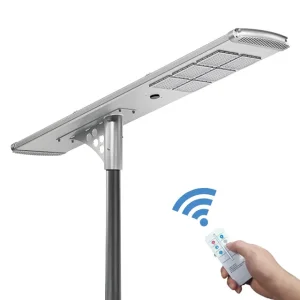
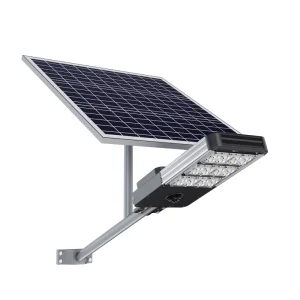
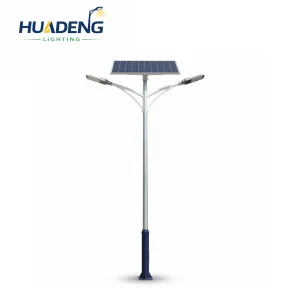
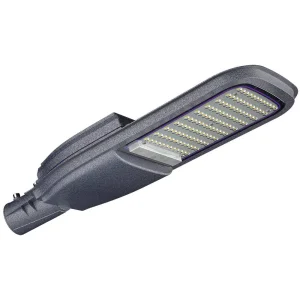
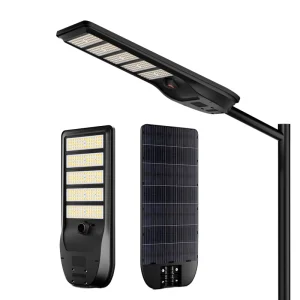
Detailed technical insights on deploying solar street lighting systems in equatorial climates.
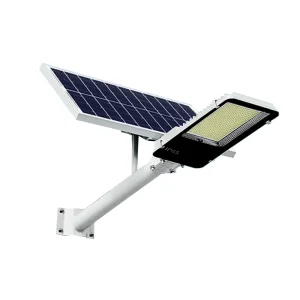
Split-type solar street lights separate the PV panel, battery pack, and LED luminaire. This design provides three distinct engineering advantages for equatorial regions like Singapore:
Our structural components are fabricated using high-strength structural carbon steel or aerospace-grade die-cast aluminum alloys. Structural steel components undergo hot-dip galvanization (minimum coating thickness of 85 microns) followed by electrostatic powder coating or fluorocarbon paint spraying. This creates a multi-layered barrier against moisture and atmospheric salts, ensuring our poles and brackets can withstand marine environments without oxidation.
We utilize Class-A Lithium Iron Phosphate (LiFePO4) battery packs managed by customized Battery Management Systems (BMS). Unlike standard ternary lithium batteries (NMC), which degrade rapidly at temperatures above 30°C, LiFePO4 chemistry remains stable up to 60°C. Our systems maintain over 80% capacity after 3,000 complete charge-discharge cycles, corresponding to a service life of 8 to 10 years under tropical conditions.
Yes. Our smart solar controllers can be integrated with 7-pin NEMA sockets, enabling communication via LoRaWAN, Zigbee, NB-IoT, or 4G/5G cellular modules. This compatibility allows municipal operators to monitor battery health, adjust dimming profiles, receive automated error notifications, and track power generation metrics in real time via centralized dashboards.
When the rain-sensor module detects sustained precipitation, it communicates with the central MPPT controller to adjust the lighting output. The system transitions from standard profiles to dimming profiles (e.g., dimming down during periods of low pedestrian activity) to preserve battery power, ensuring the system can operate for up to 5 to 7 consecutive rainy days without charging.
Our engineering team provides DIALux simulations, structural calculation sheets, and customized battery/PV configuration analysis for Singapore and international projects.