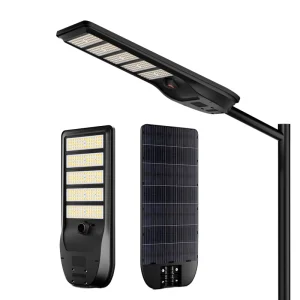
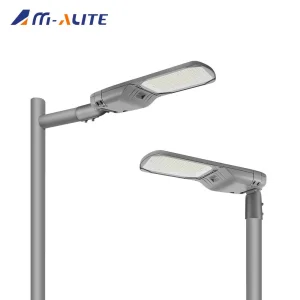
Deploying heavy-duty, smart-configured solar systems optimized for regional high-insolation and dust environments.
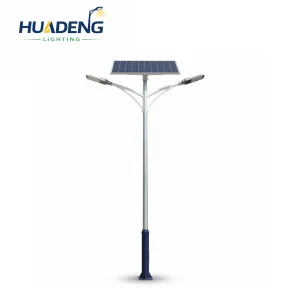
Strategic localization analysis for sustainable reconstruction, municipal upgrades, and off-grid utility operations.
Afghanistan presents a unique combination of high solar irradiance and significant electrical grid deficits. Across key transport corridors, municipal areas (including Kabul, Kandahar, Herat, and Mazar-i-Sharif), and industrial zones, the availability of centralized utility power remains highly intermittent. Municipalities are actively transitioning to decentralized solar lighting systems to secure safe night-time transport, curb urban security challenges, and reduce recurring maintenance expenses.
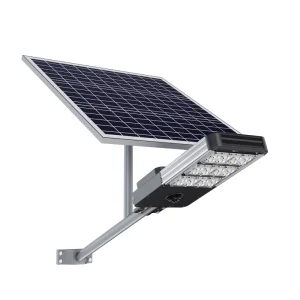
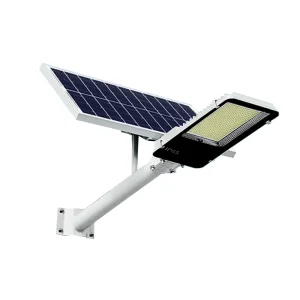
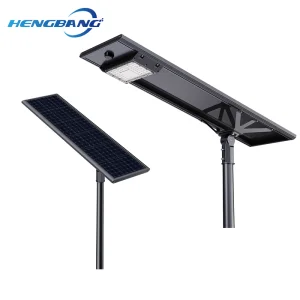
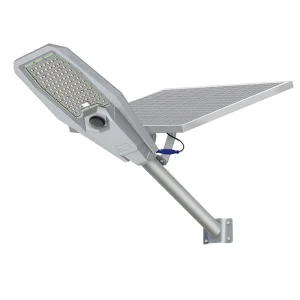
Unlike standard All-in-One systems, Split-type Solar Street Lights are the engineering preference in the region. Separating the photovoltaic module, the luminaires, and the energy storage unit allows engineers to scale the battery banks independently, optimize solar panels toward the maximum tilt angle to shed dust and snow, and protect sensitive battery packages from intense ambient heat by placing them underground or on isolated pole brackets.
Designing street lighting for Afghanistan requires planning for environmental extremes. Our engineering standards address the following factors:
Our commitment to supplying engineered solar projects globally and managing complex municipal installations.
We configure split solar solutions to match specific wind loads, pole heights, and autonomy day requirements (typically 3-5 rainy days). Monocrystalline solar panels are paired with MPPT (Maximum Power Point Tracking) controllers to maximize conversion rates under low-light and dusty environments.
Lithium Iron Phosphate (LiFePO4) battery systems have replaced older gel lead-acid models. Equipped with a custom Battery Management System (BMS), our batteries feature low-temperature cutoff and high-temperature protection to guarantee a lifetime of over 3,500 charging cycles.
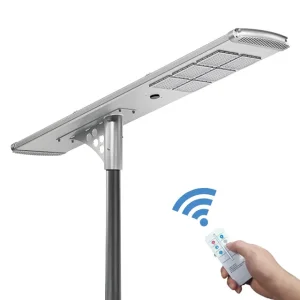
Integrating 4G, 5G, and LoRaWAN controllers enables remote dimming schedules, automated maintenance alerts, and system health status monitoring. These smart controllers optimize lighting power, reducing waste during peak and off-peak hours.
International NGOs, construction contractors, and municipal authorities sourcing lighting systems for Afghanistan emphasize long-term operational reliability. A key issue with cheaper imports is component failure due to thermal stress and inadequate dust sealing. Gtron Solar addresses these concerns by providing detailed engineering drawings, third-party wind-tunnel test records, certified photometrical calculations (IES files), and comprehensive quality inspection reports before shipping.
Supporting smart city updates, commercial developments, and high-lumen solar retrofit demands.
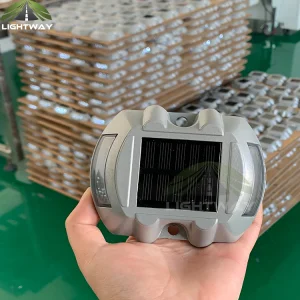
A National High-Tech Enterprise delivering professional solar lighting and renewable energy systems for over 20 years.
Yangzhou Gtron Solar Co., Ltd. is a manufacturer and solution provider specializing in solar lighting systems, LED outdoor lighting, and renewable energy products. Located in the Industrial Zone of Yangzhou City, Jiangsu Province, China, the company manages research, development, production, and export of high-quality lighting products.
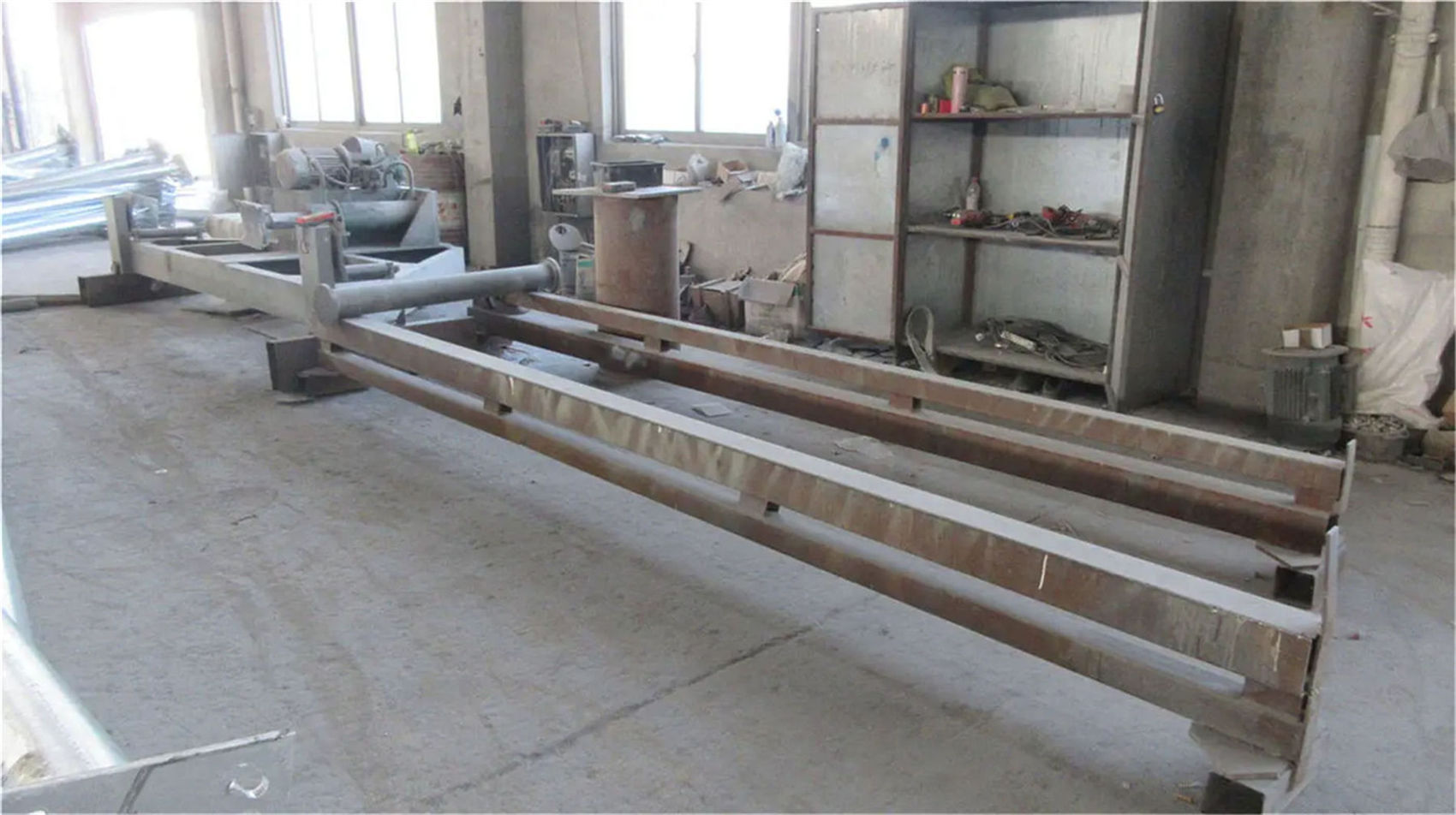
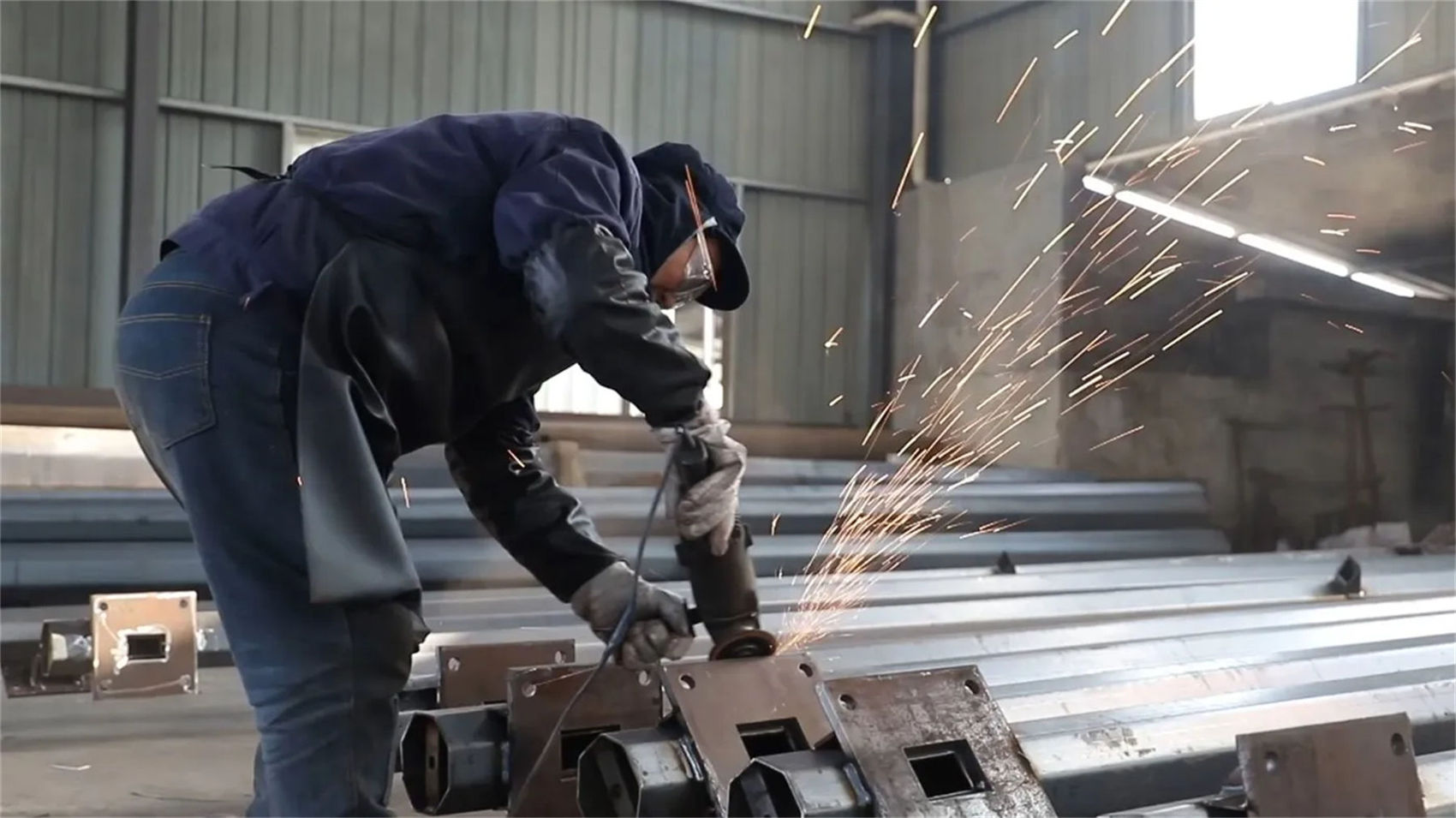
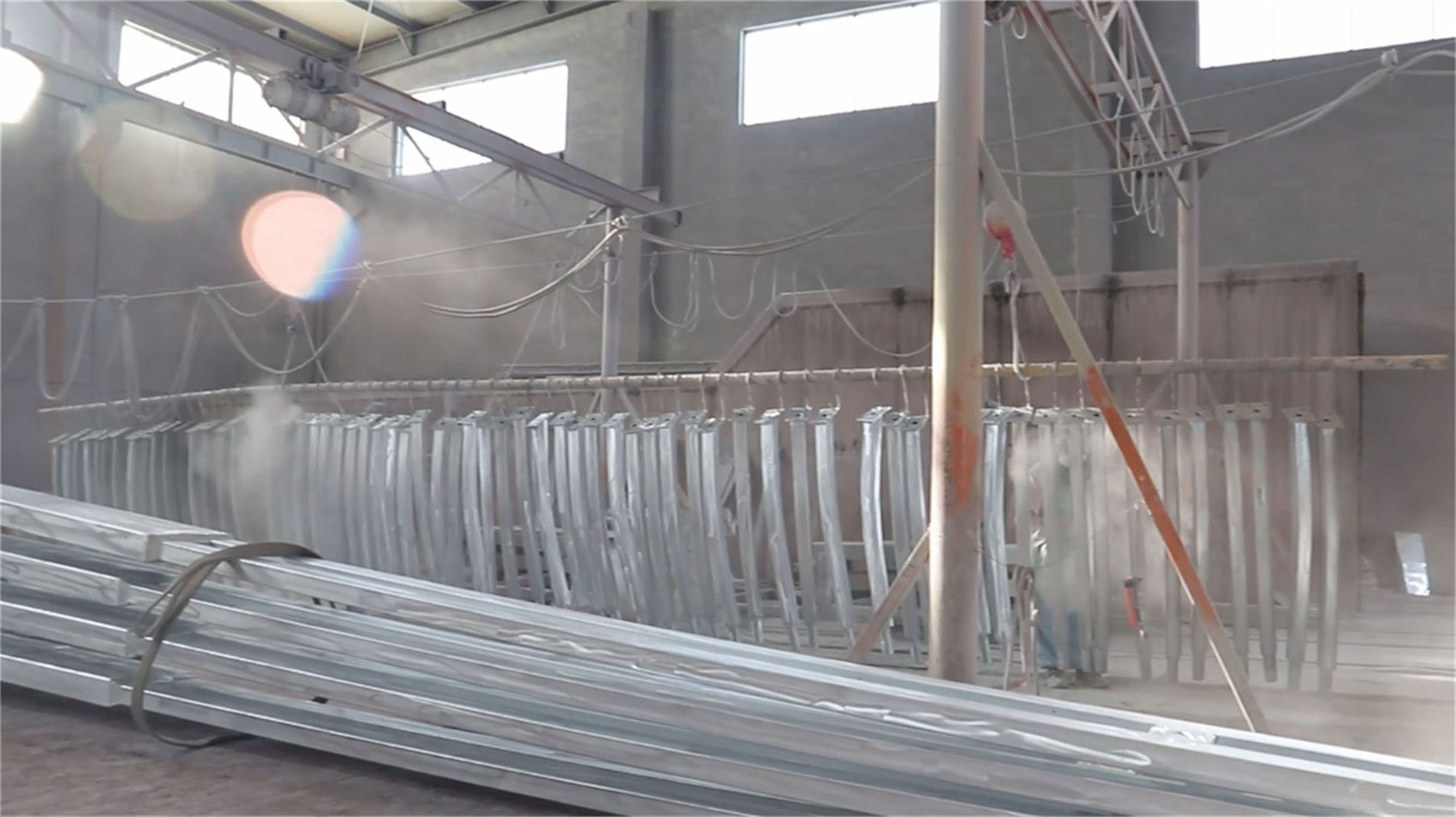
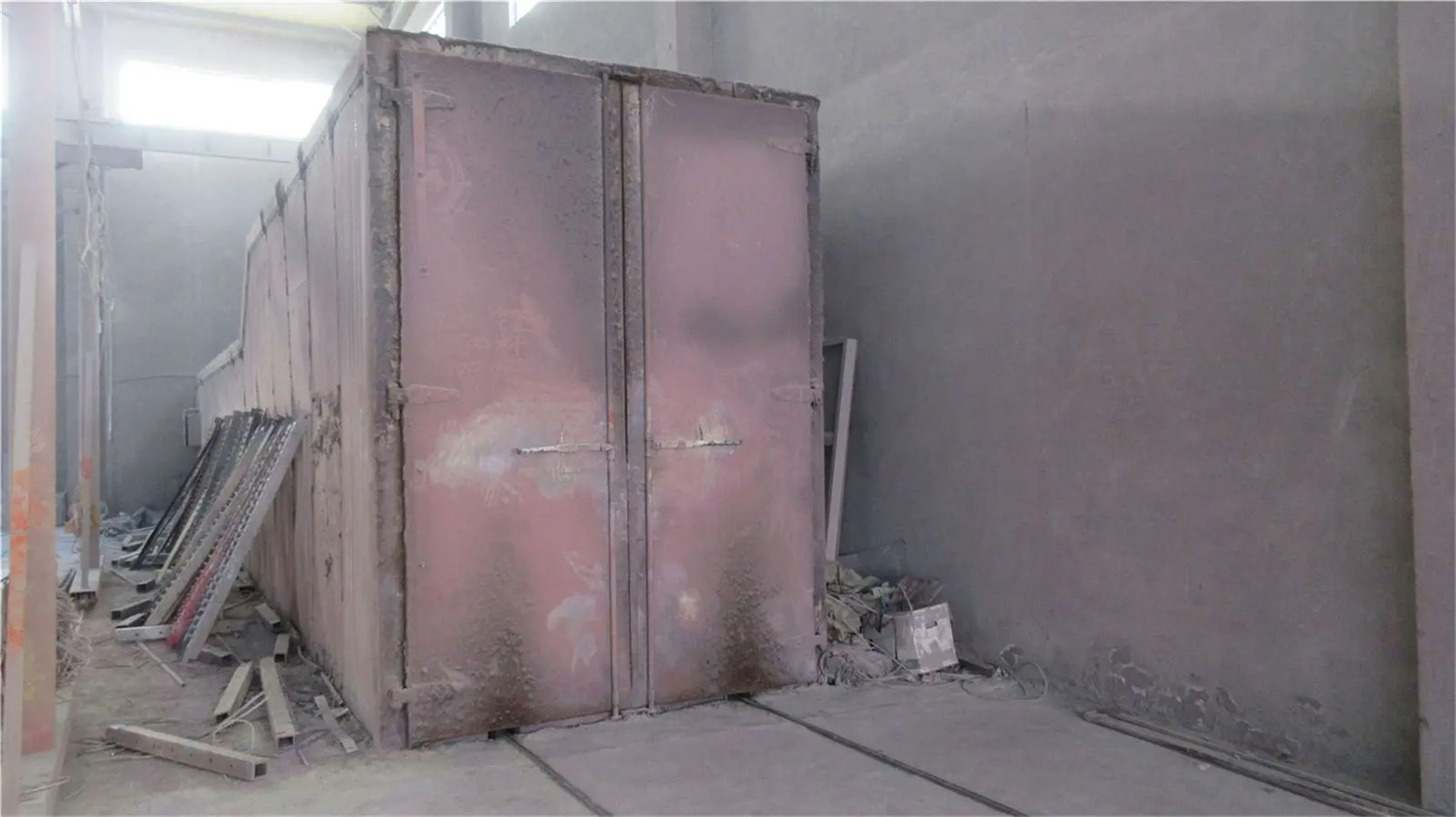
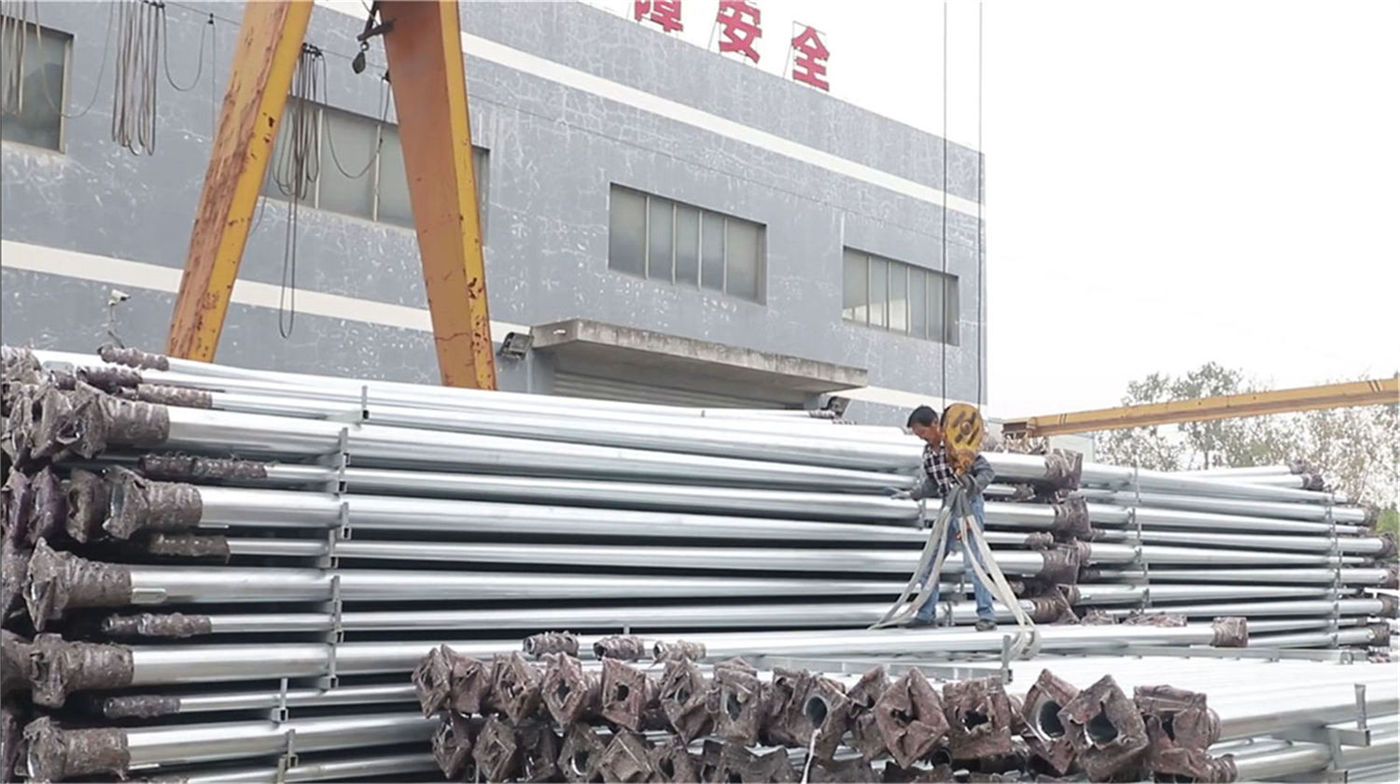
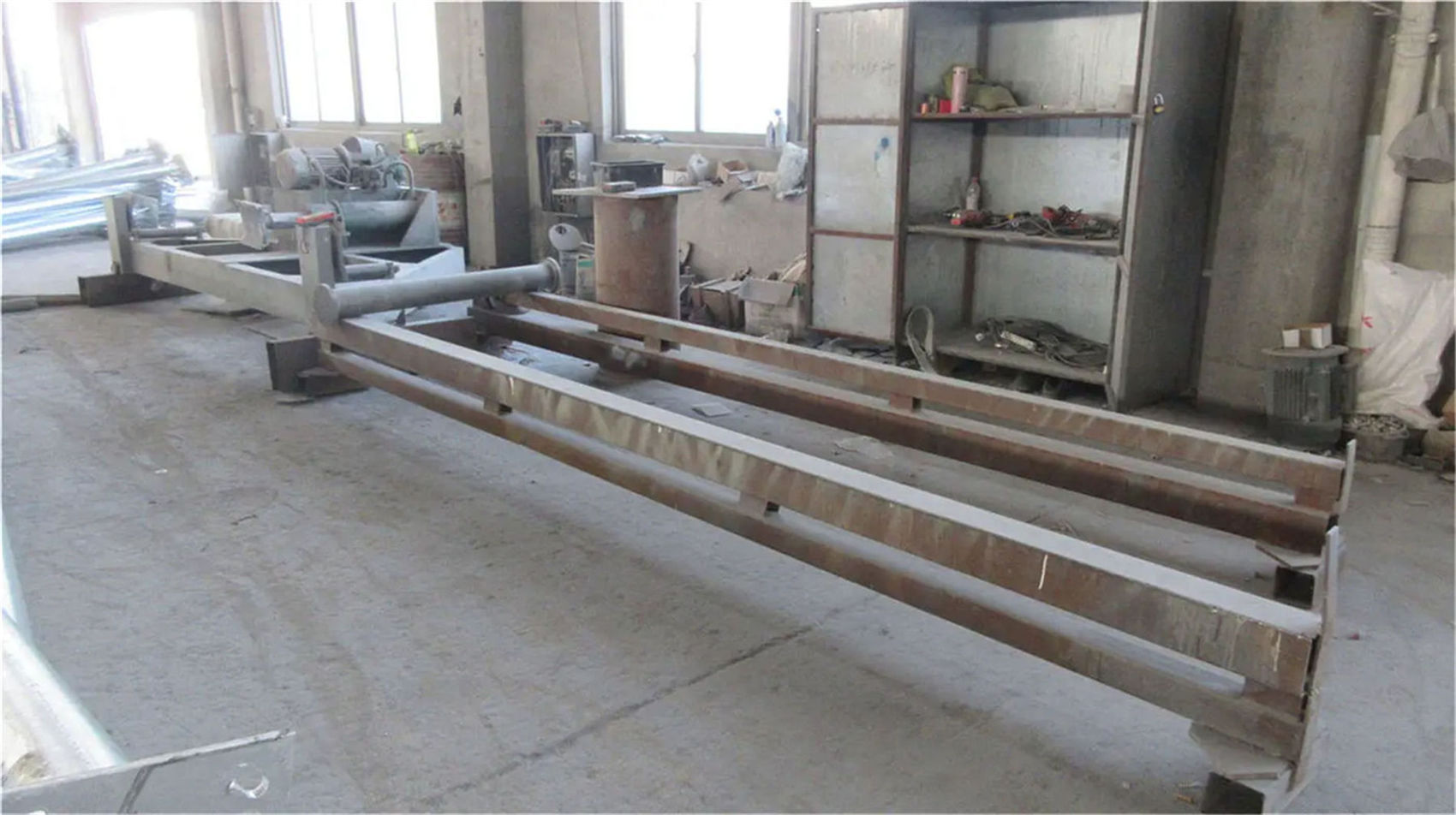
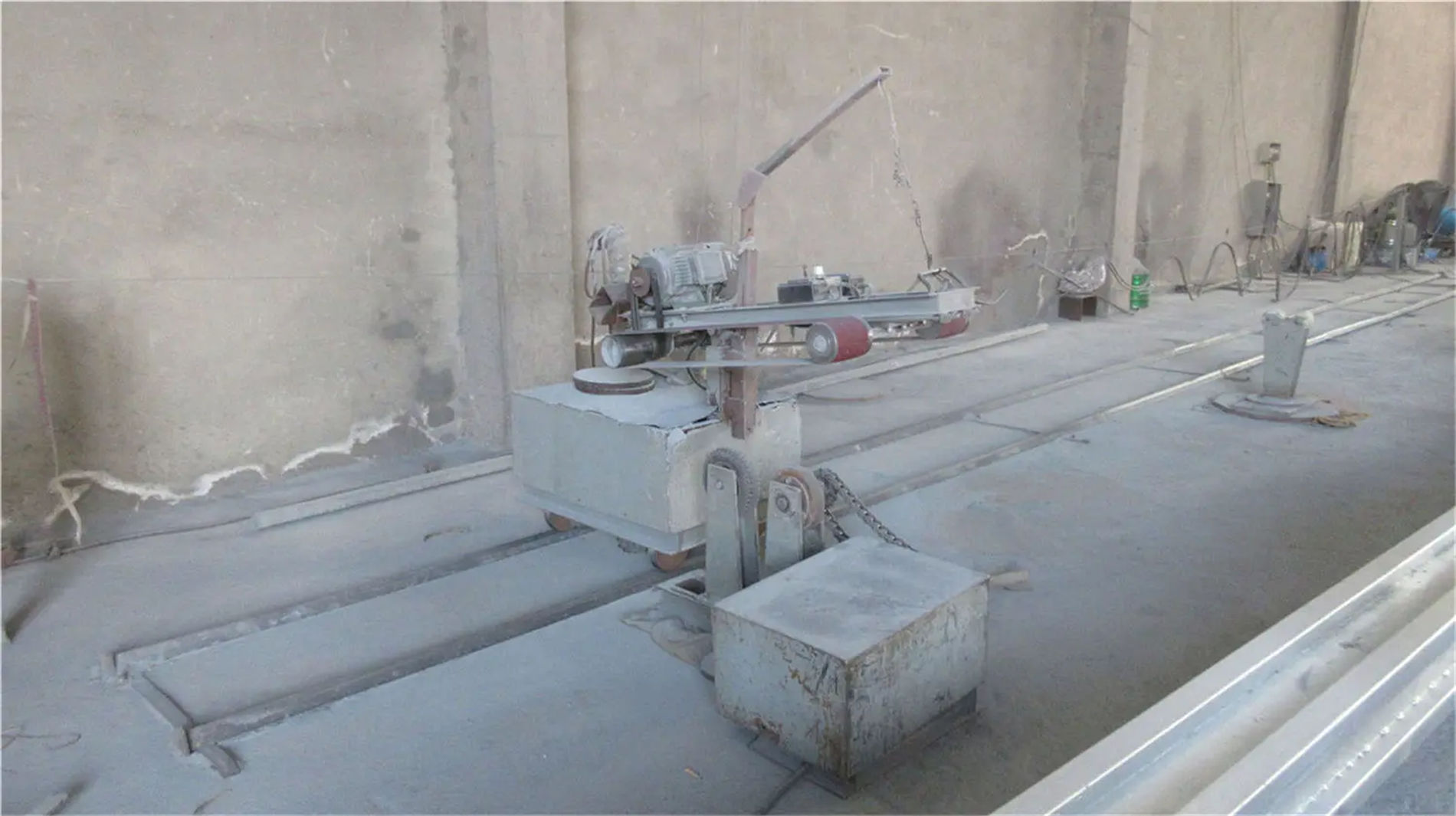
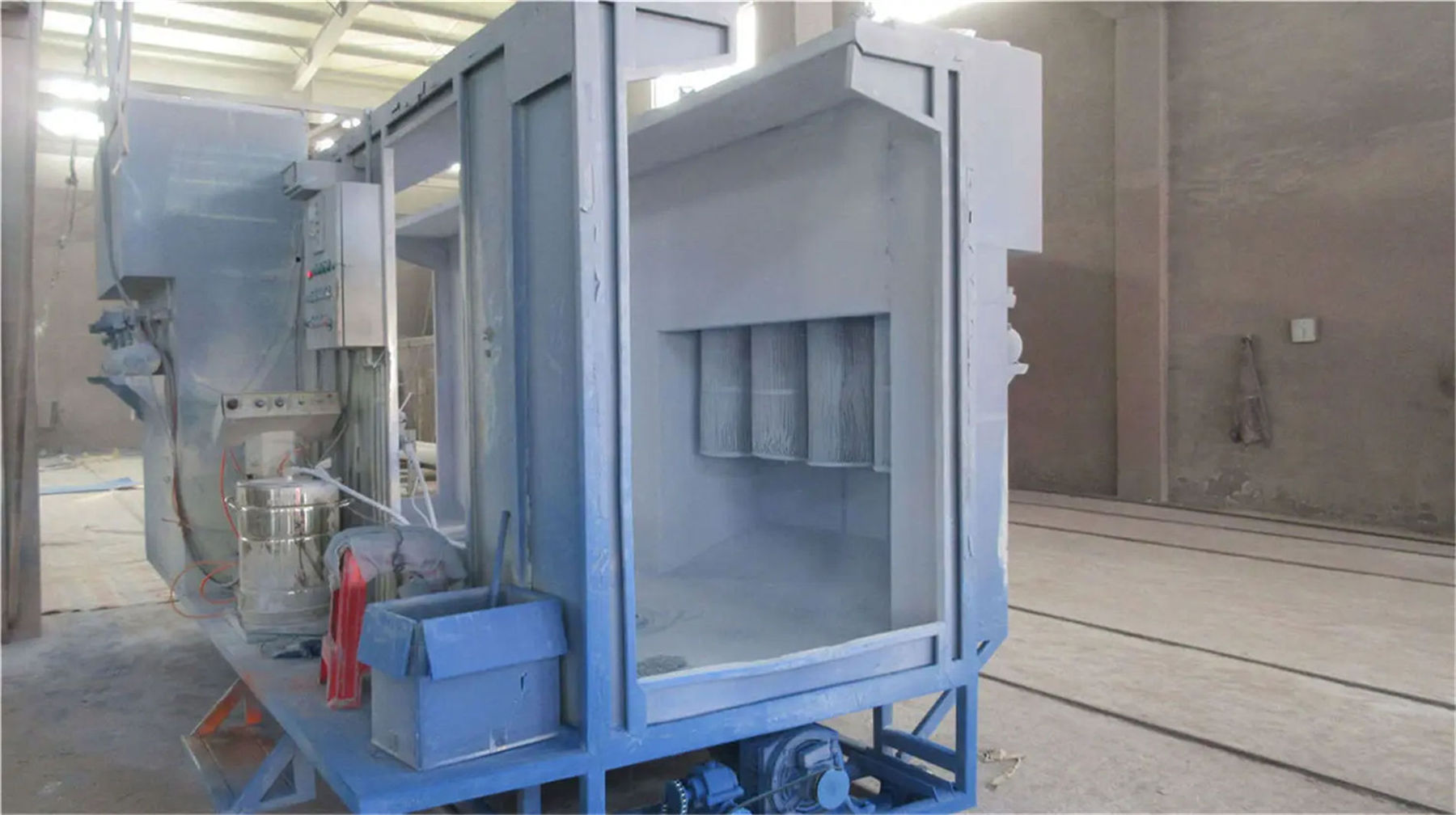
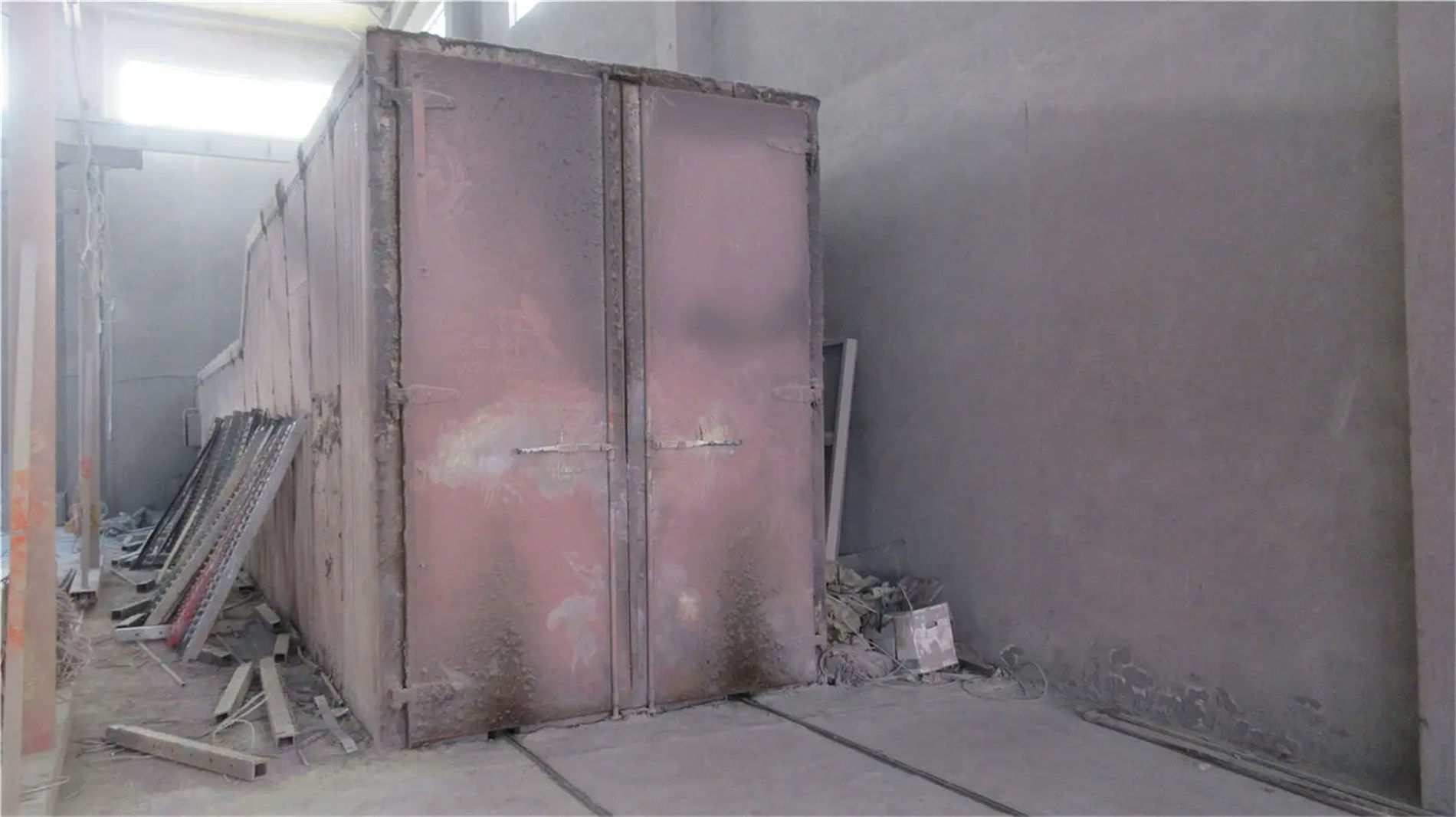
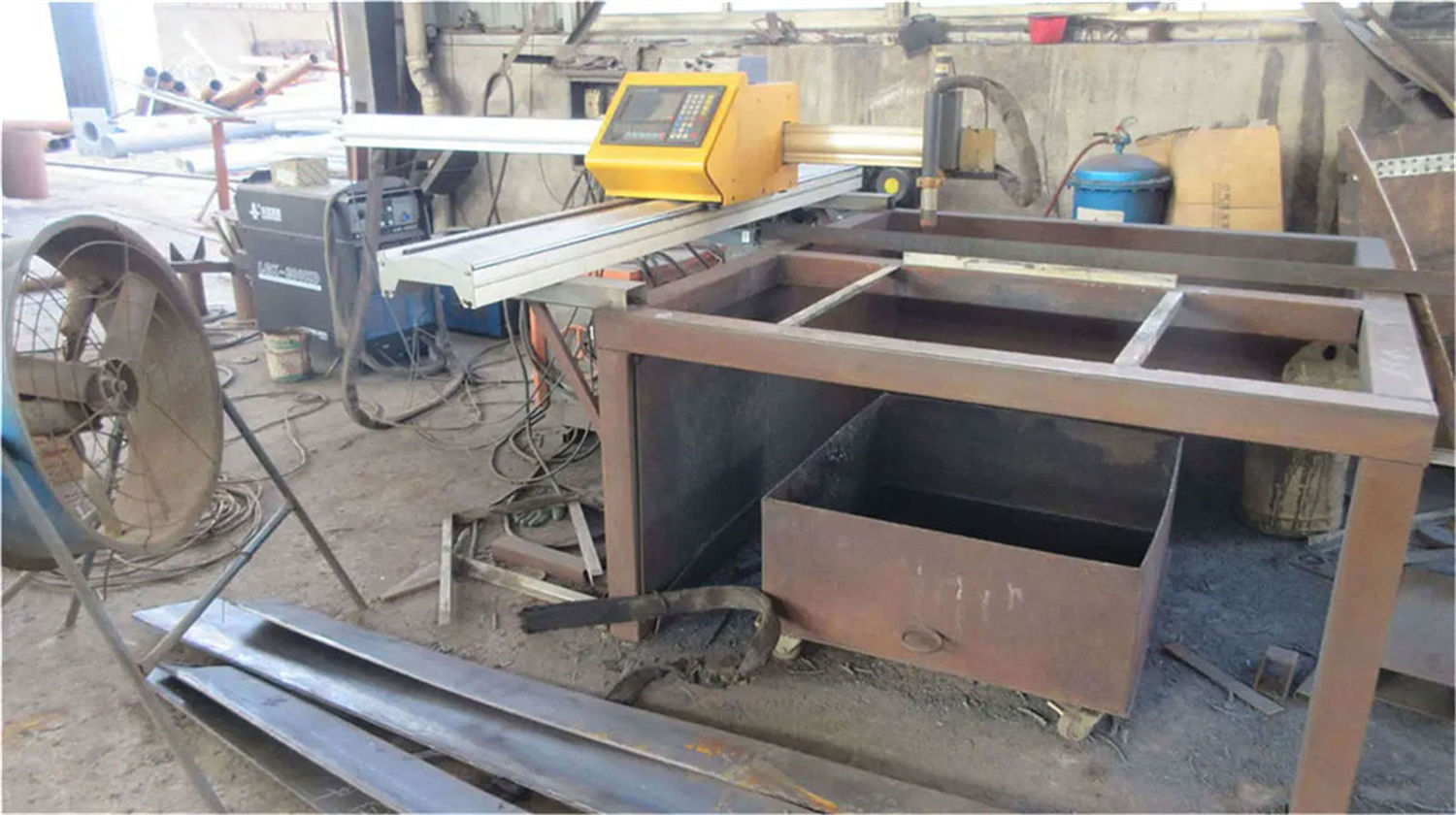
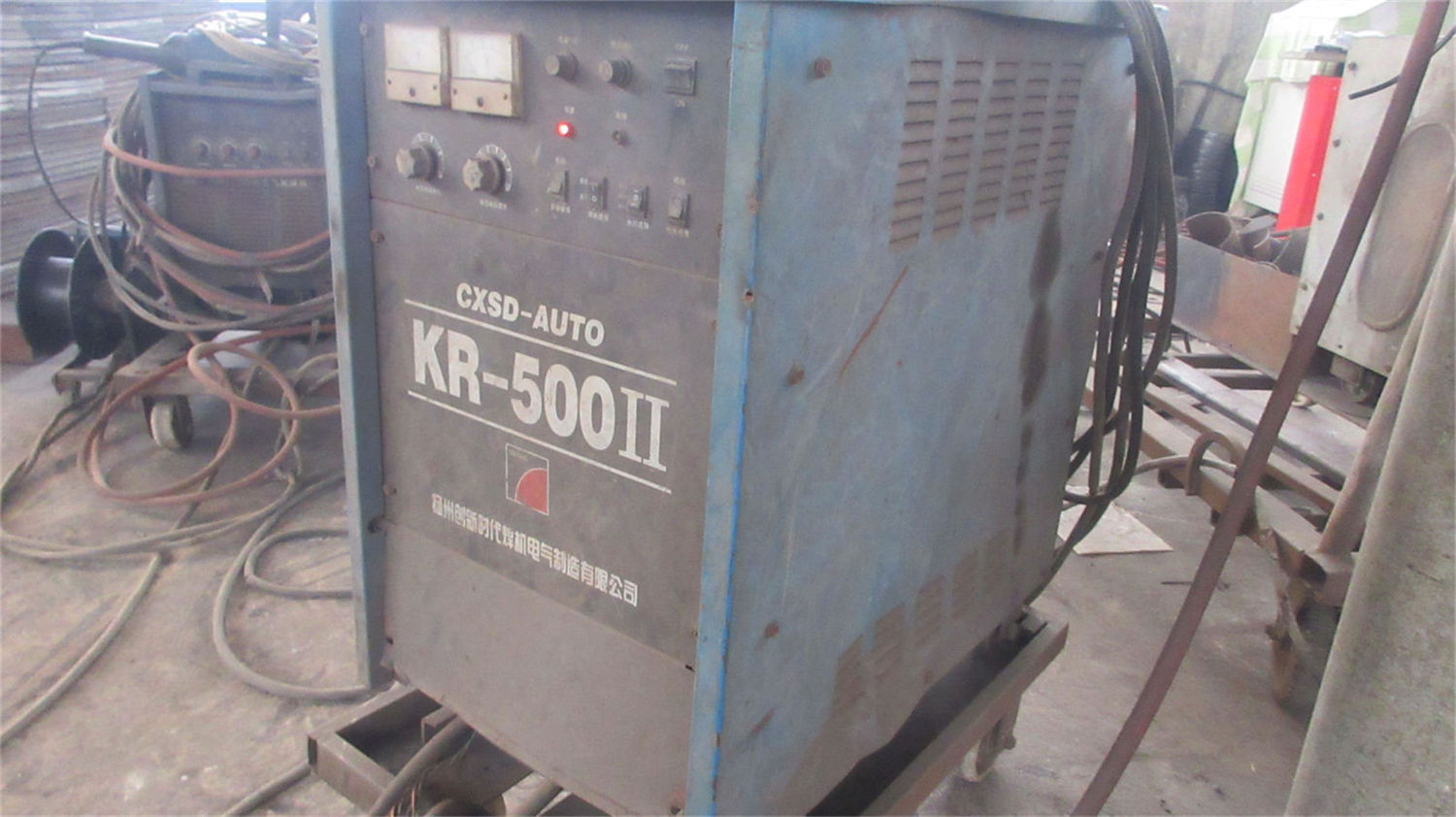
Equipped with advanced manufacturing facilities and intelligent production systems, our factory features large CNC bending machines, high-speed longitudinal shearing machines, automatic submerged arc welding equipment, laser cutting machines, electrostatic powder coating lines, fluorocarbon paint spraying workshops, and automated testing instruments. This enables precise fabrication and consistent product quality across all configurations.
Our dedicated production lines include:
Gtron Solar is certified to ISO 9001 Quality Management System, ISO 14001 Environmental Management System, and our products carry CE, RoHS, and CCC certifications to meet global standards.
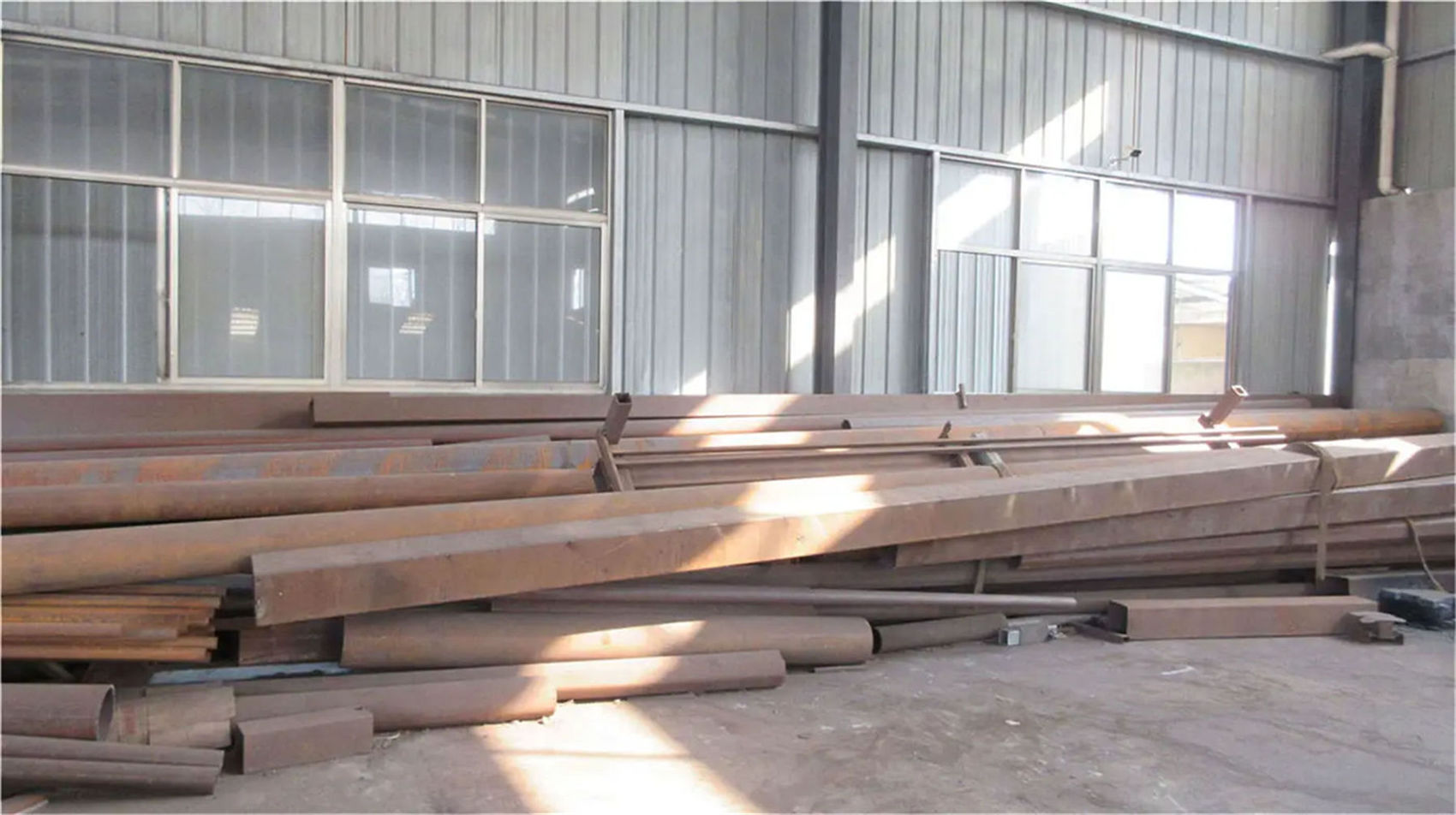
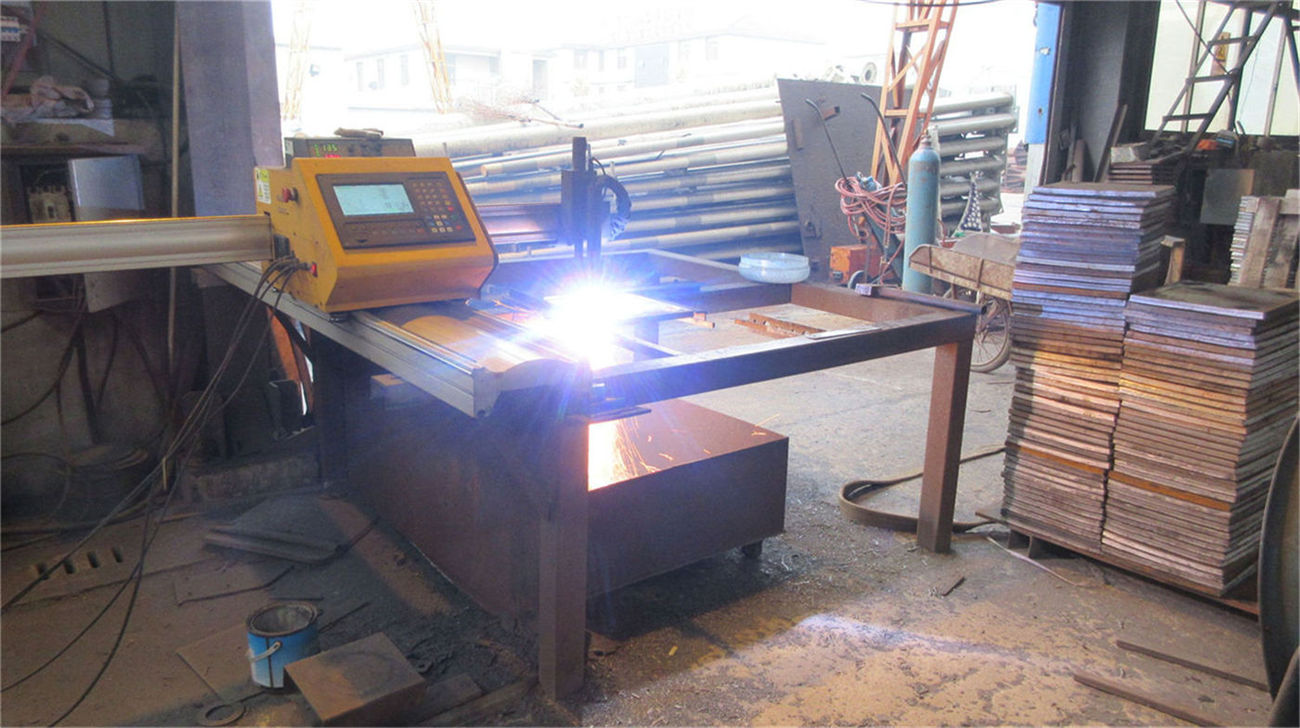
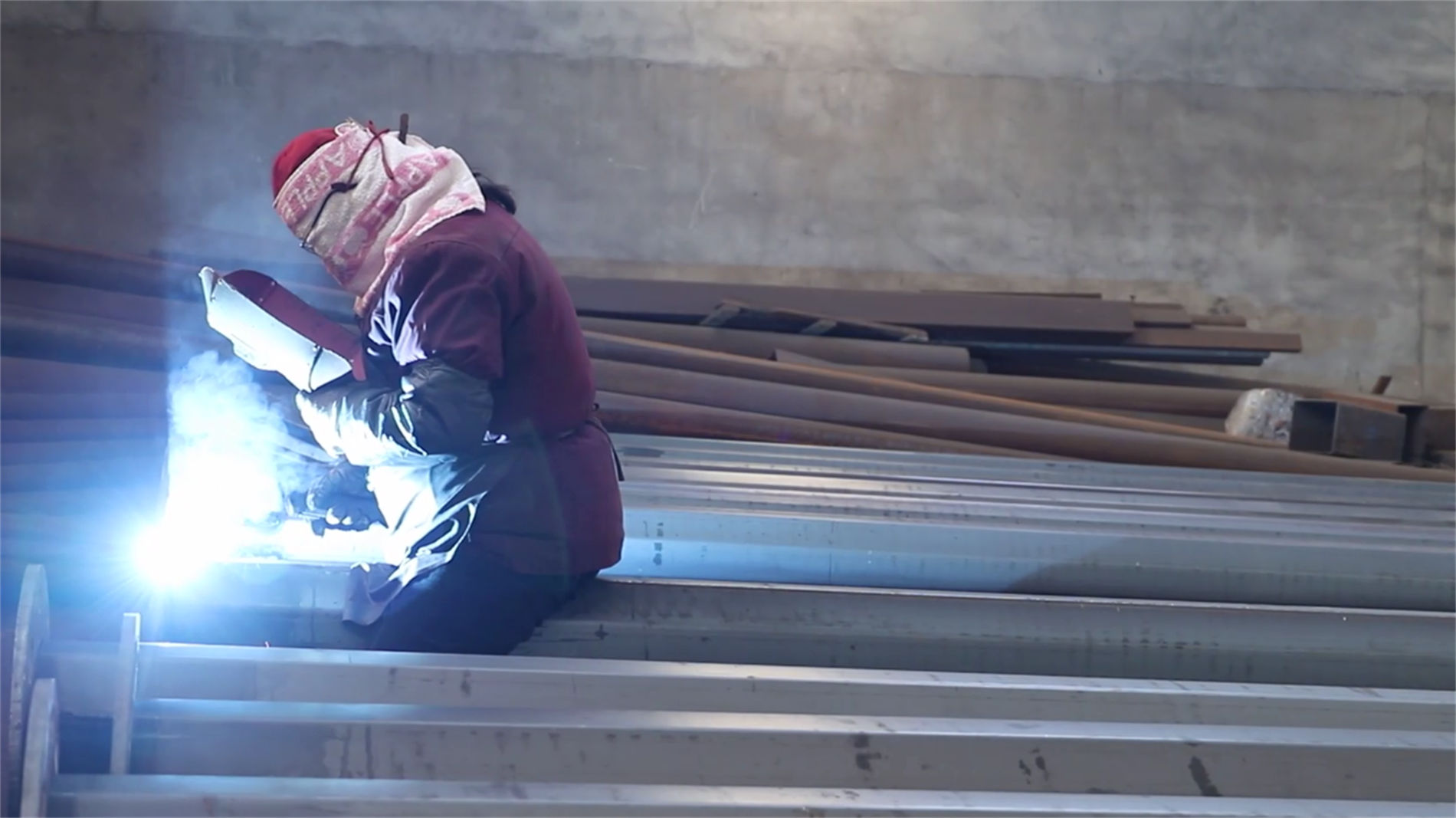
Ensuring secure transport packaging and reliable border clearance for industrial shipments.
Shipping industrial equipment into Afghanistan requires managing logistics across diverse terrain. We ship consignments via two main routes:
The Southern Corridor (via Karachi Port): Shipments arrive in Karachi, clear transit customs, and are transported via container trucks through the Chaman or Torkham border crossings to Kabul and Kandahar.
The Northern Corridor (via Central Asia): Transport moves overland through China to Xinjiang, passing through Kyrgyzstan and Uzbekistan to cross the border at Hairatan directly into Mazar-i-Sharif.
Unpaved roads and rough terrain during regional transport can damage fragile components. Gtron Solar protects shipments through targeted packaging designs:
Technical answers to common engineering, deployment, and logistics questions.
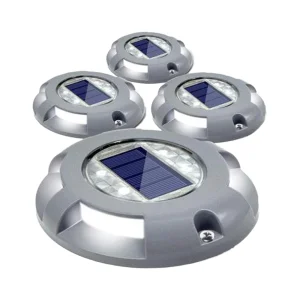
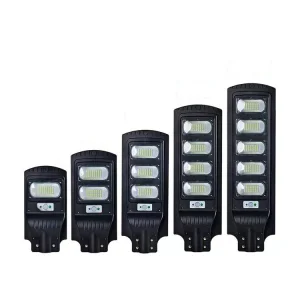
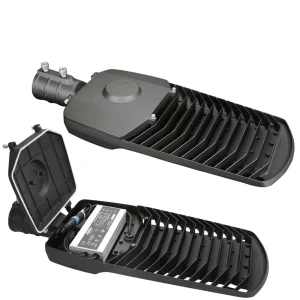
Browse our full range of certified industrial solar street lights, retrofit heads, and solar markers.
Provide your pole height, wind load requirements, and desired illumination levels. Our engineering team will supply full IES layouts, photometrical plans, and customized commercial pricing within 24 hours.
Send Inquiry Now ➜