As the world pivots toward sustainable energy, China's solar night light factories and exporters have emerged as the backbone of the global green lighting revolution. This dominance is not merely a matter of scale but a sophisticated integration of E-E-A-T (Experience, Expertise, Authoritativeness, and Trustworthiness) within the industrial supply chain. For global B2B buyers—ranging from municipal contractors to wholesale distributors—understanding the "Information Gain" behind Chinese manufacturing is key to securing high-performance assets.
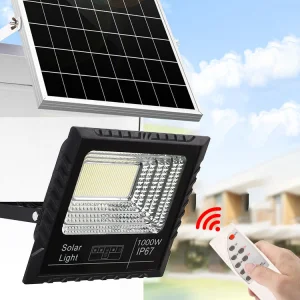
Leading factories like Yangzhou Gtron Solar Co., Ltd. leverage over 20 years of experience. They utilize advanced SMT automatic PCB production and Lithium battery integration technology to ensure that "Solar Night Lights" aren't just garden gadgets but robust industrial components capable of IP67 waterproof performance and 1000W output.
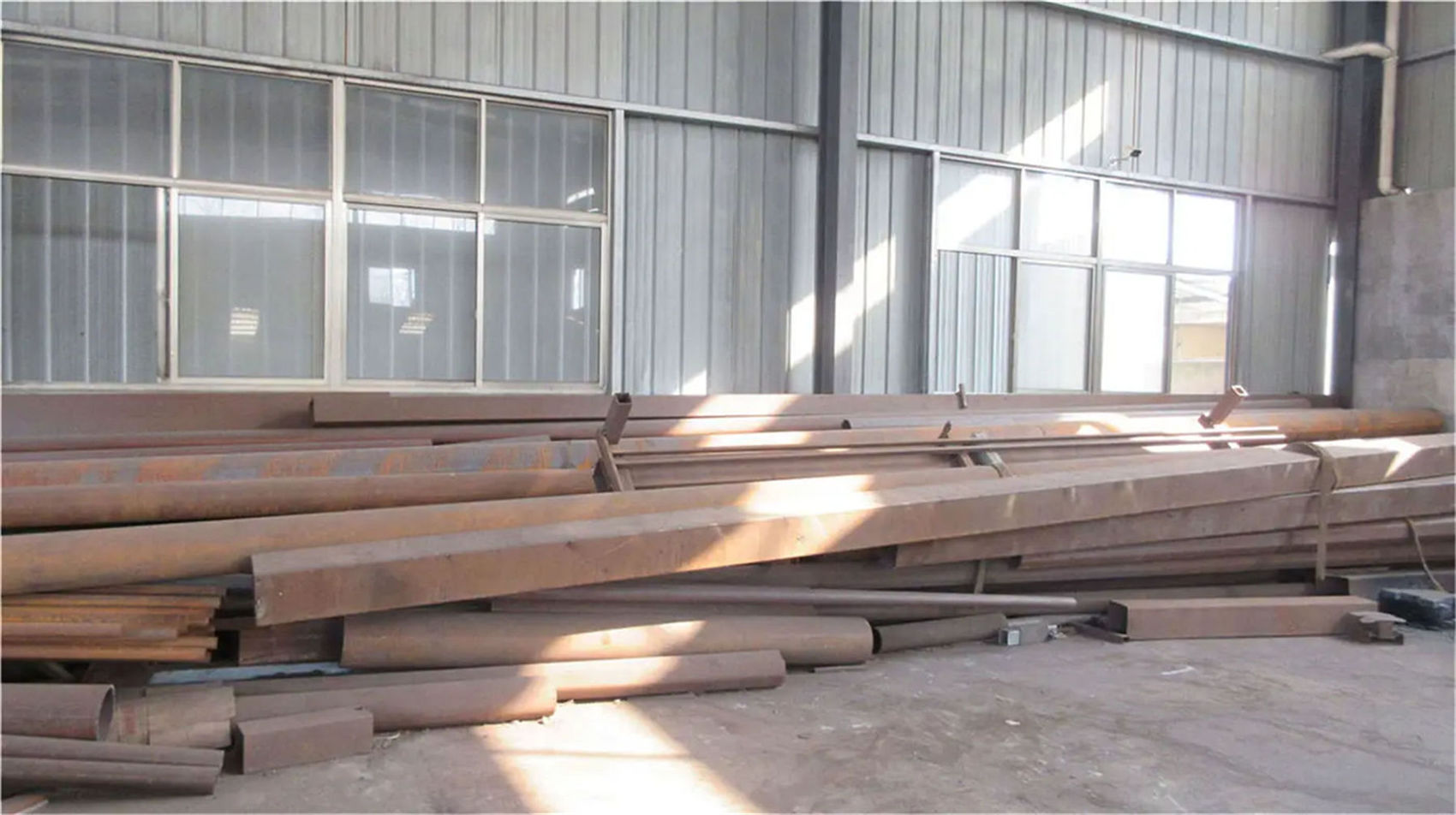
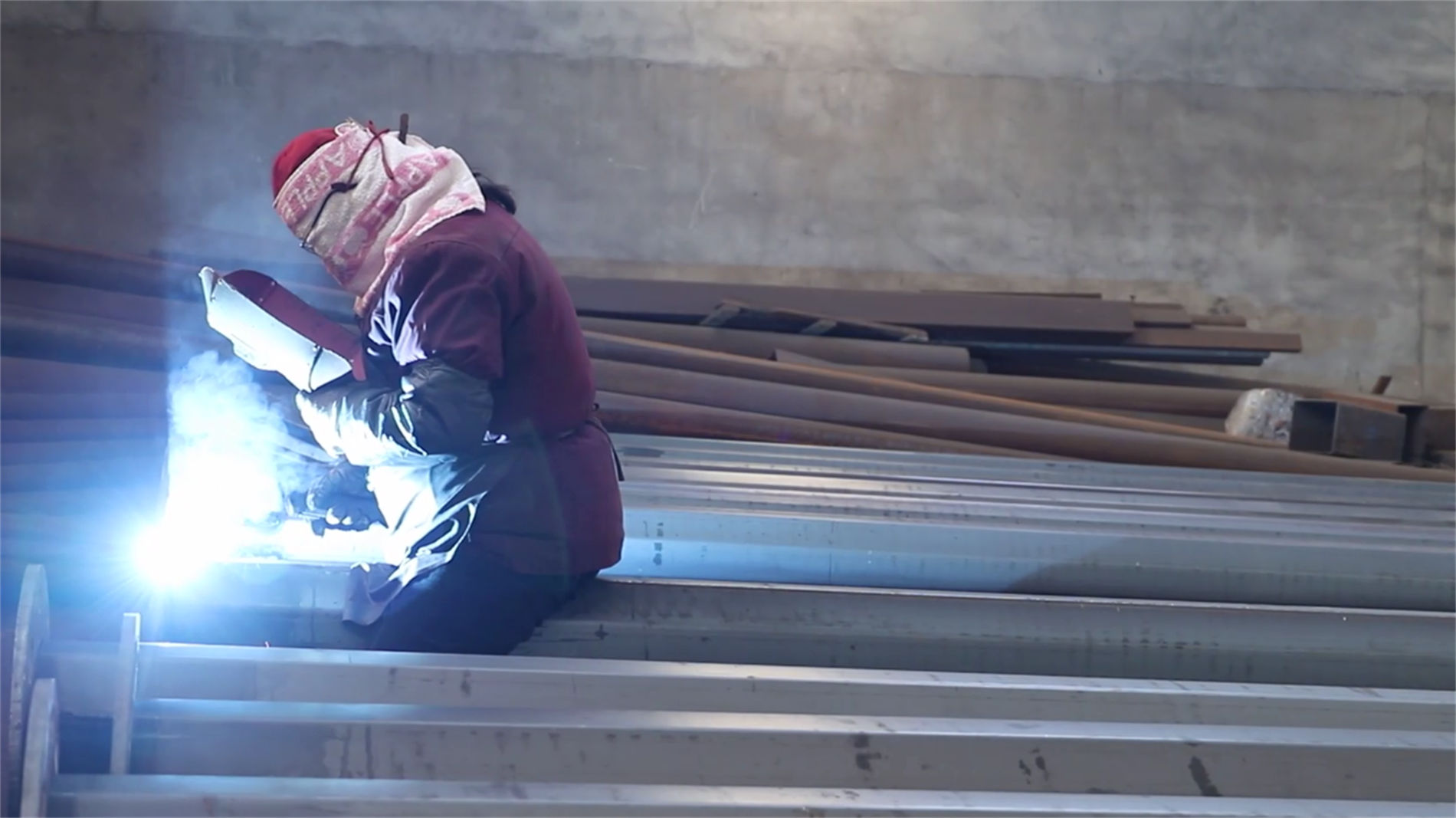
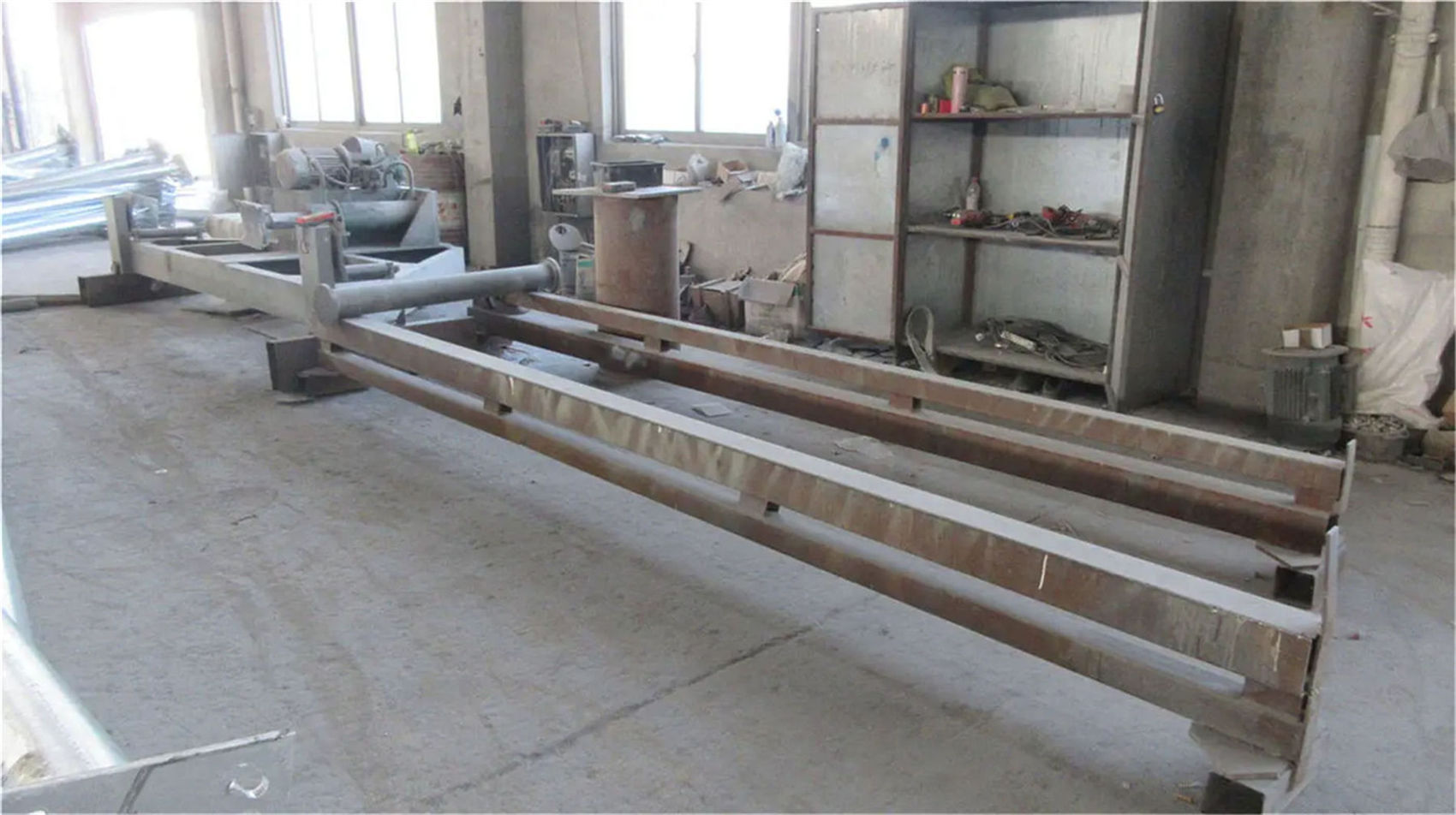
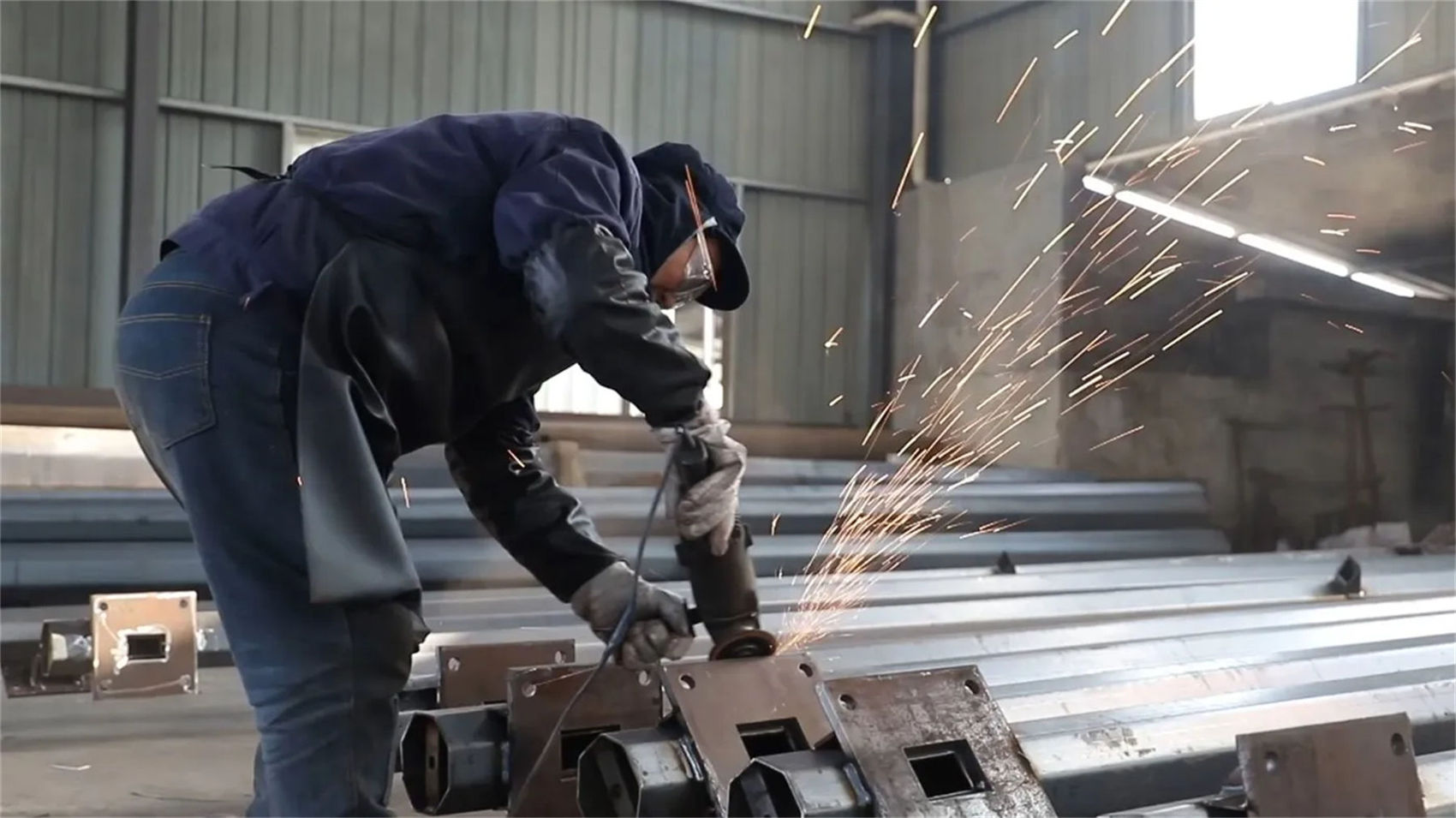
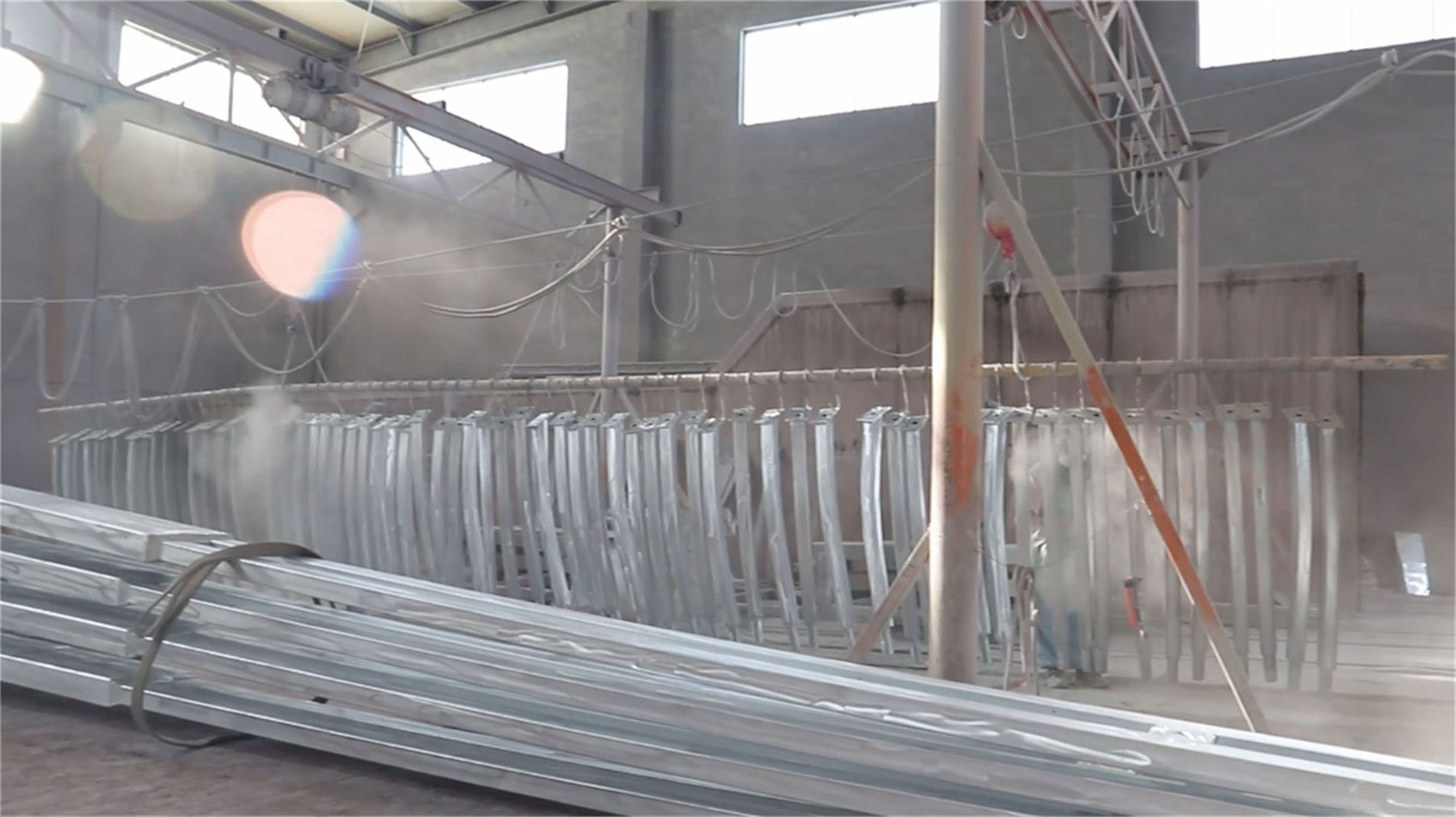
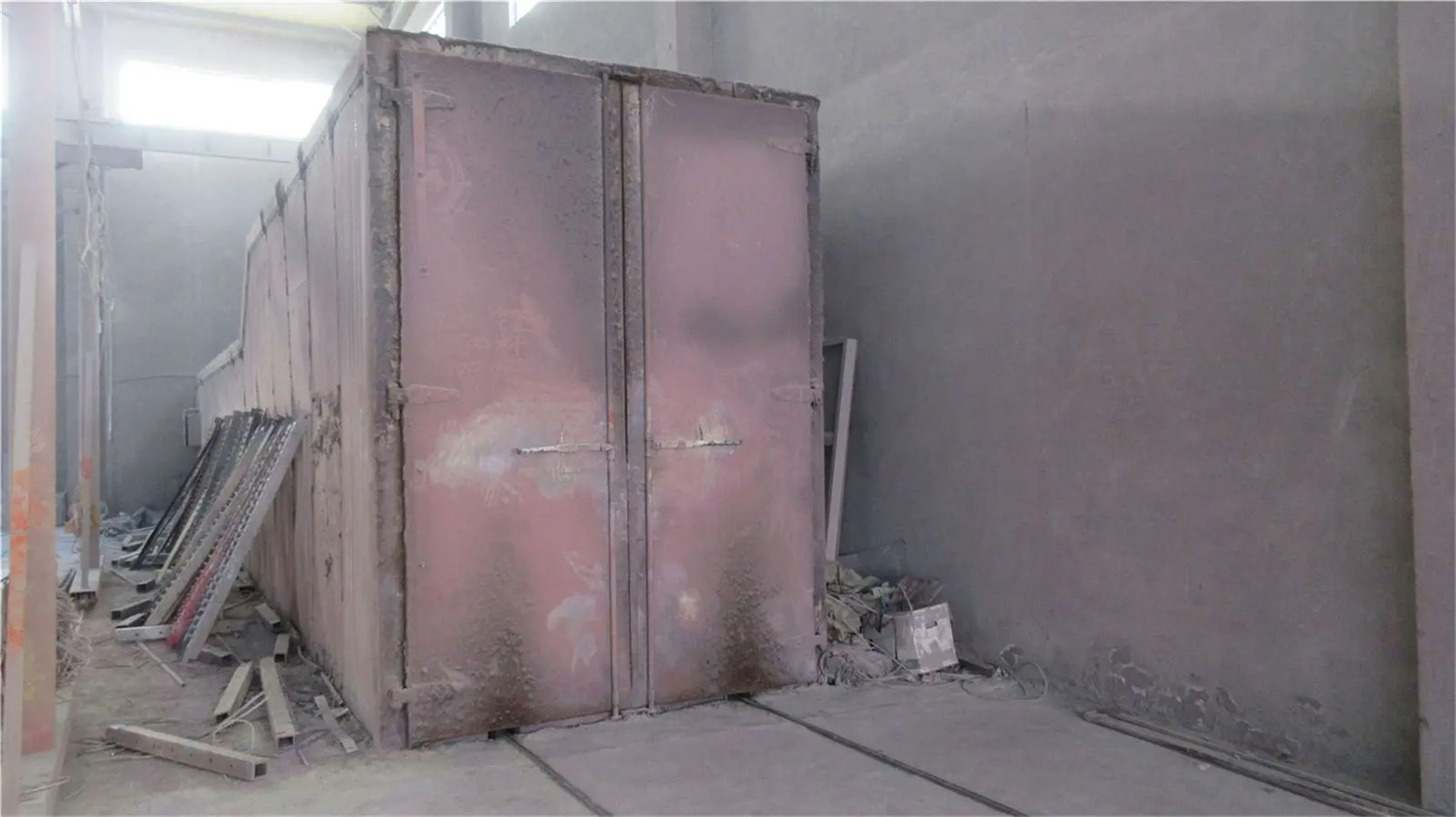
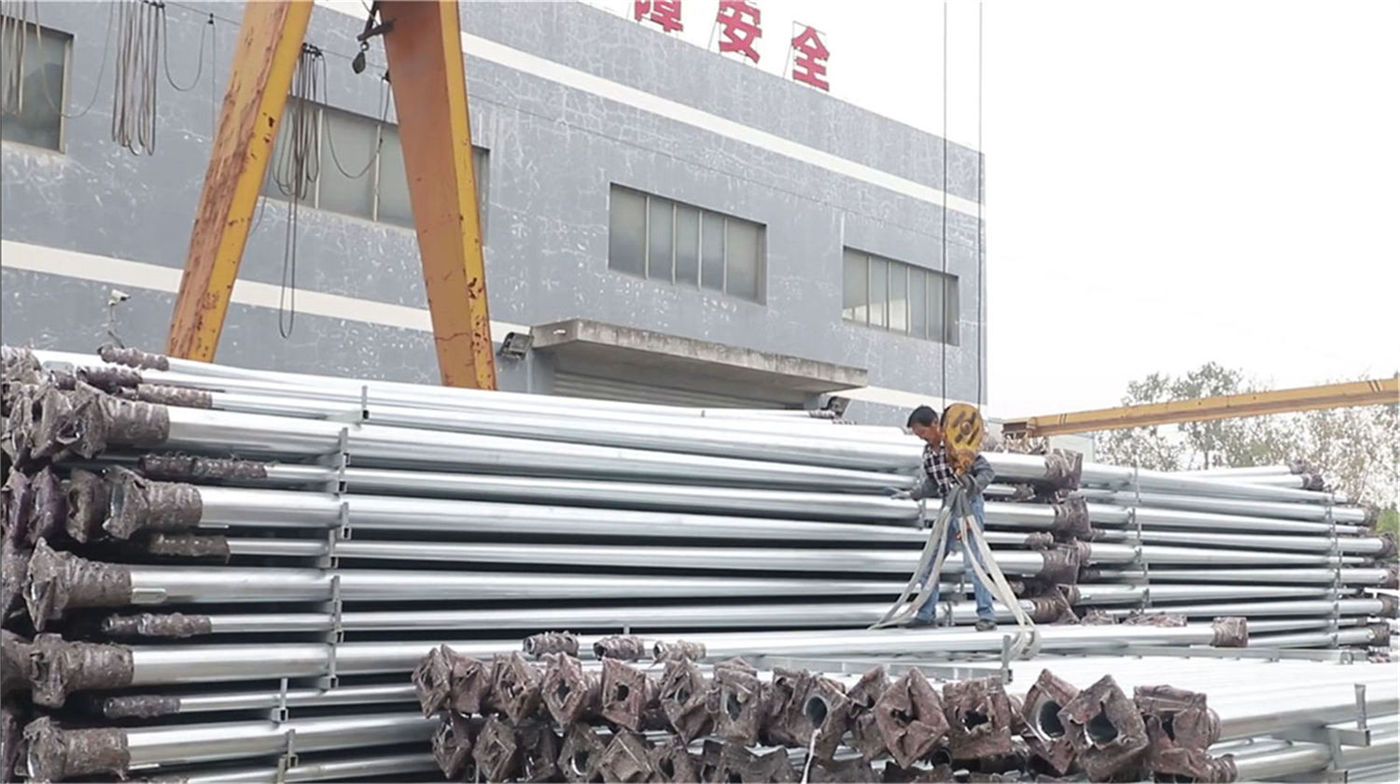
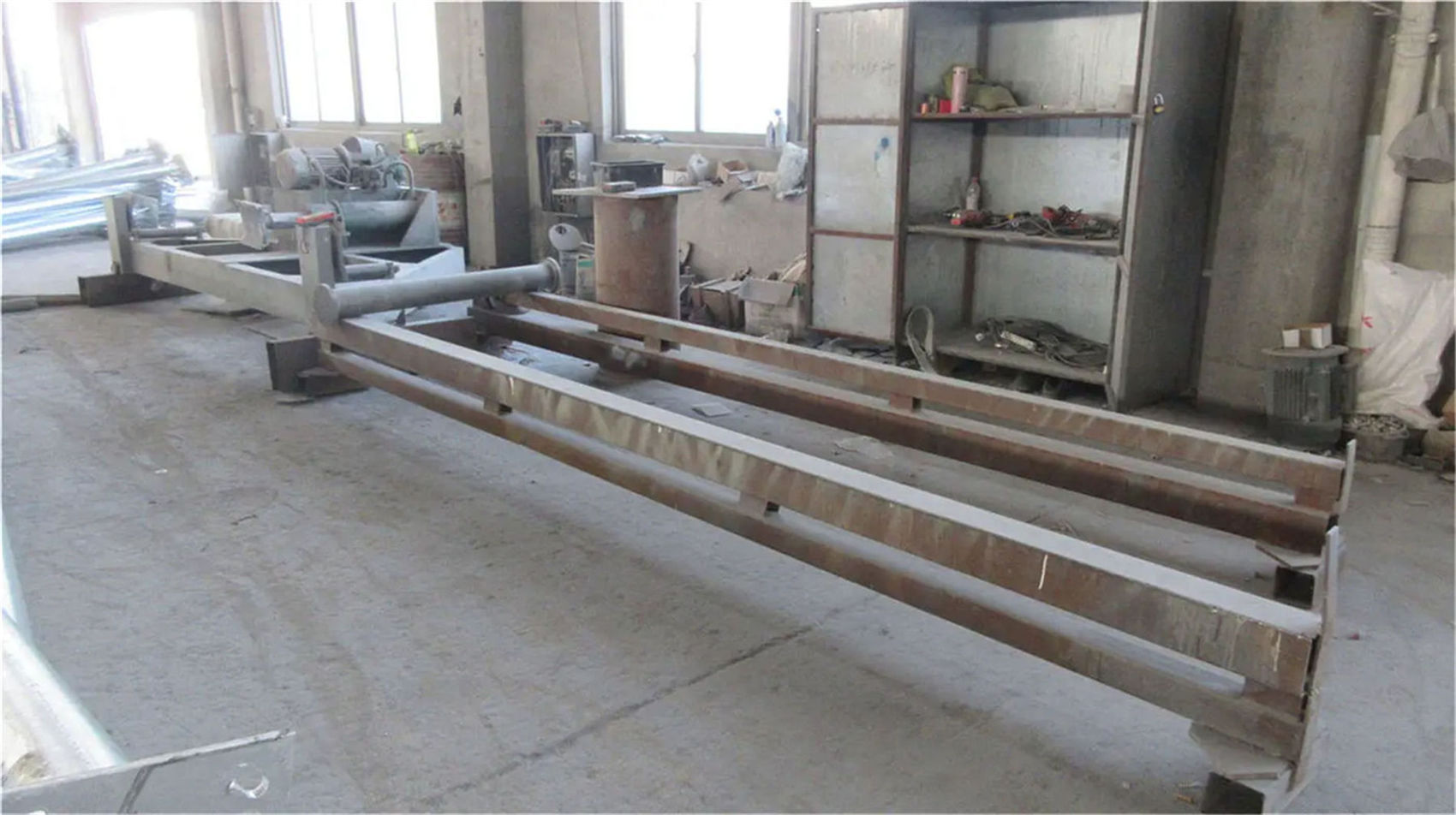
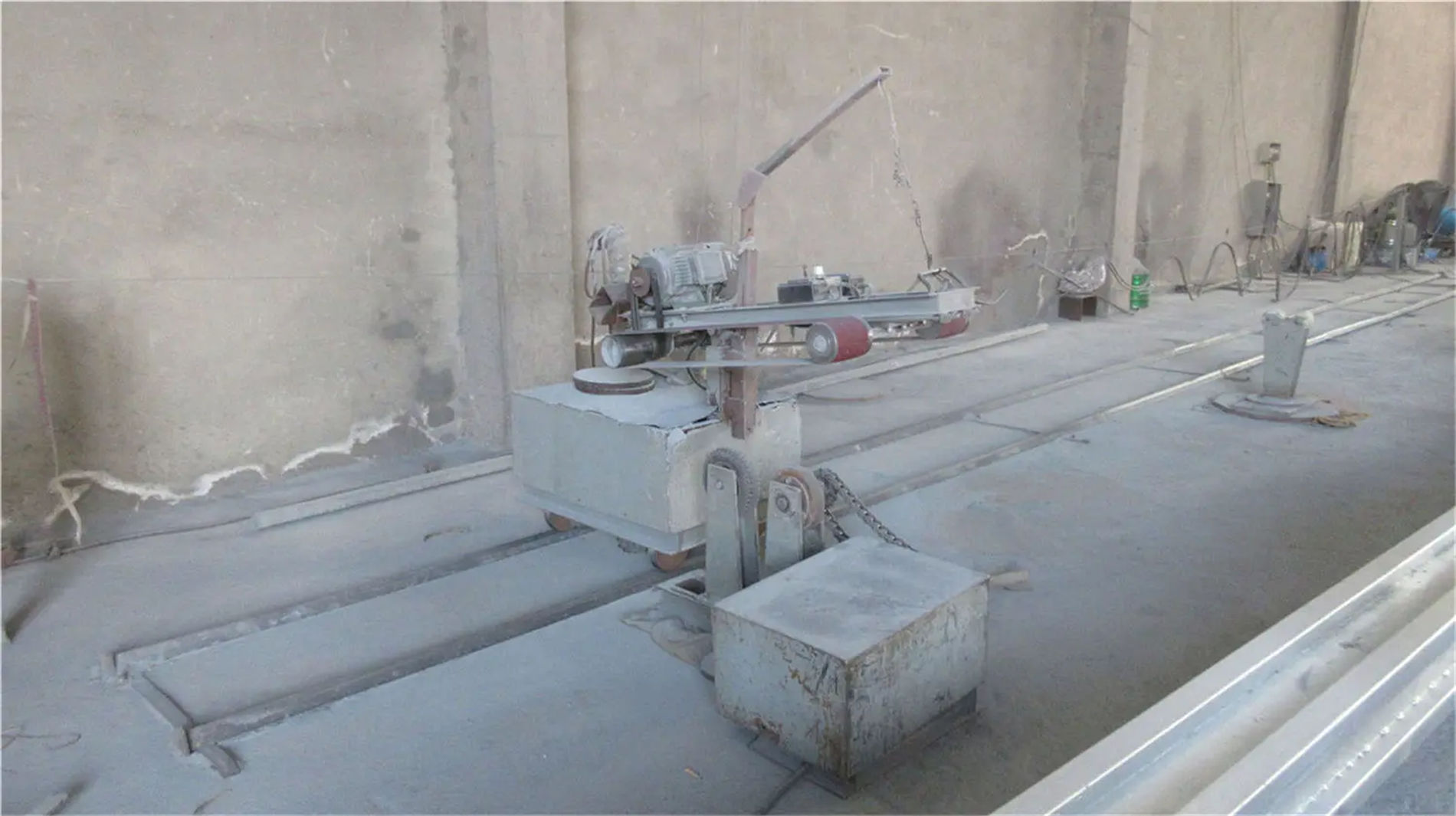
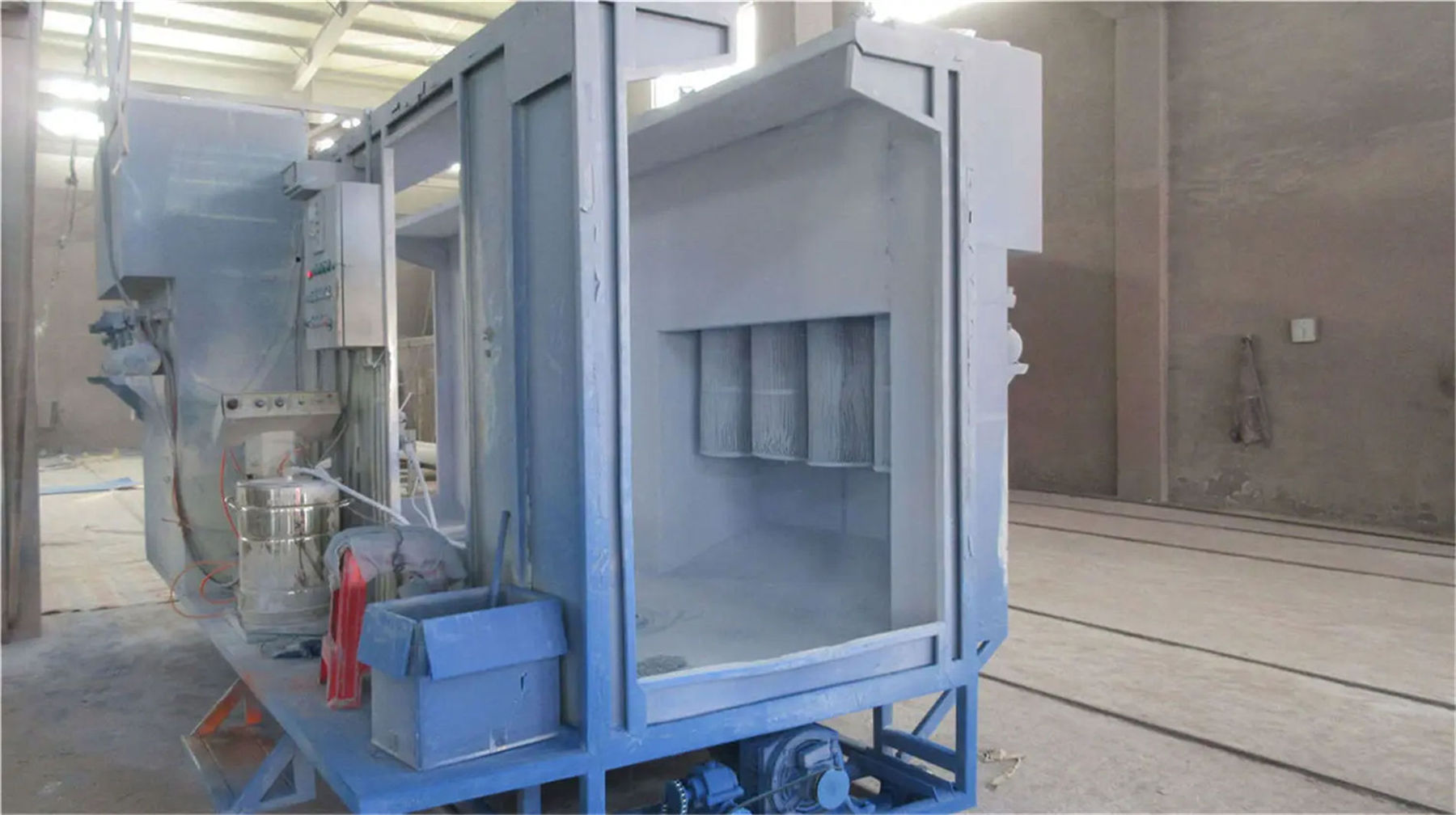
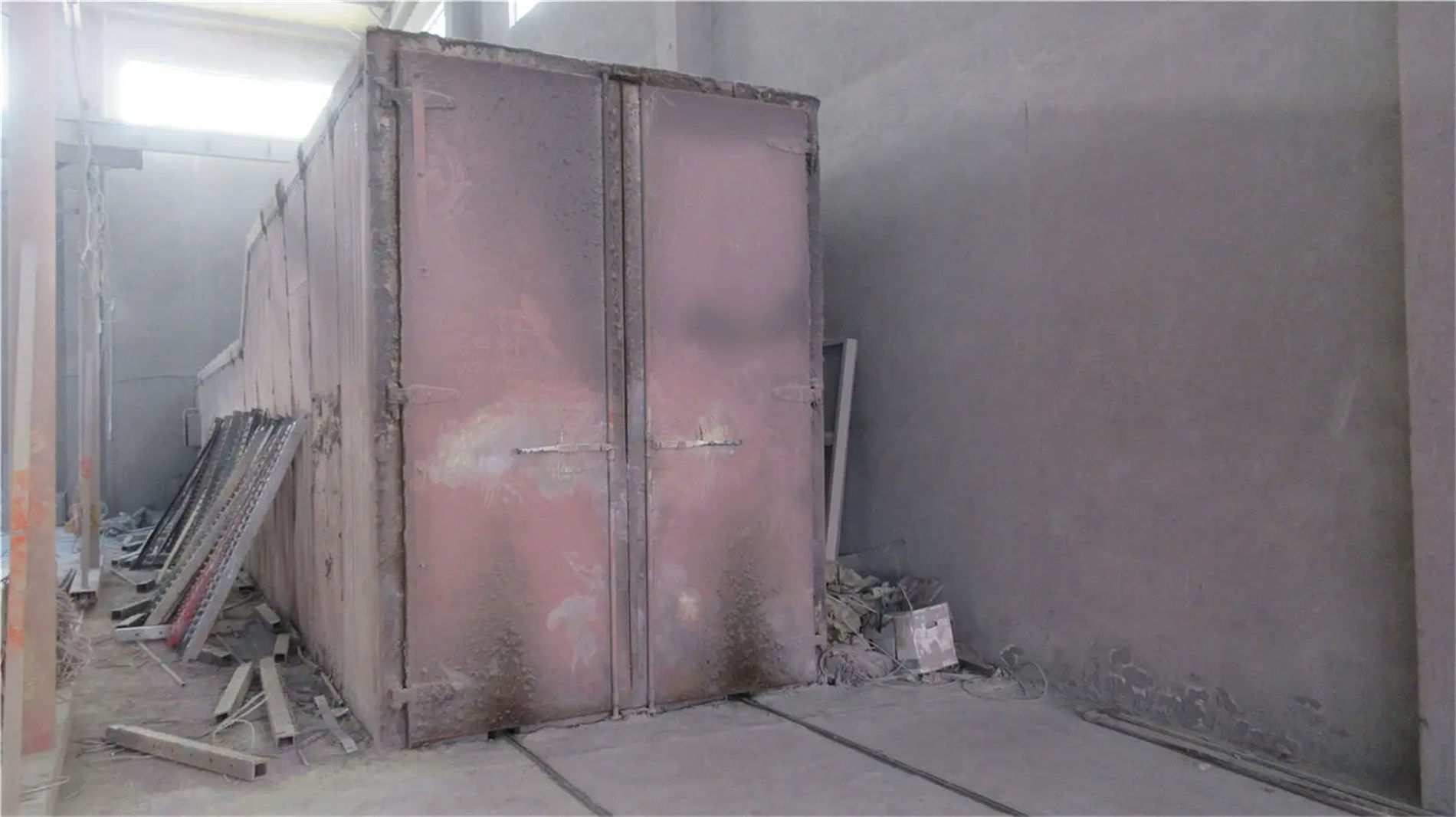
The China advantage lies in the complete ecosystem. From raw material processing and CNC bending to electrostatic powder coating and final assembly, the entire lifecycle is managed under one roof. This ensures consistent quality control and significant cost efficiencies for wholesale exporters.
Compliance is the cornerstone of reliability. Top-tier exporters maintain ISO 9001, ISO 14001, CE, RoHS, and CCC certifications. This authoritative standing allows products to be seamlessly integrated into government-funded projects across 80+ countries.
A 20-Year Legacy of Engineering Excellence
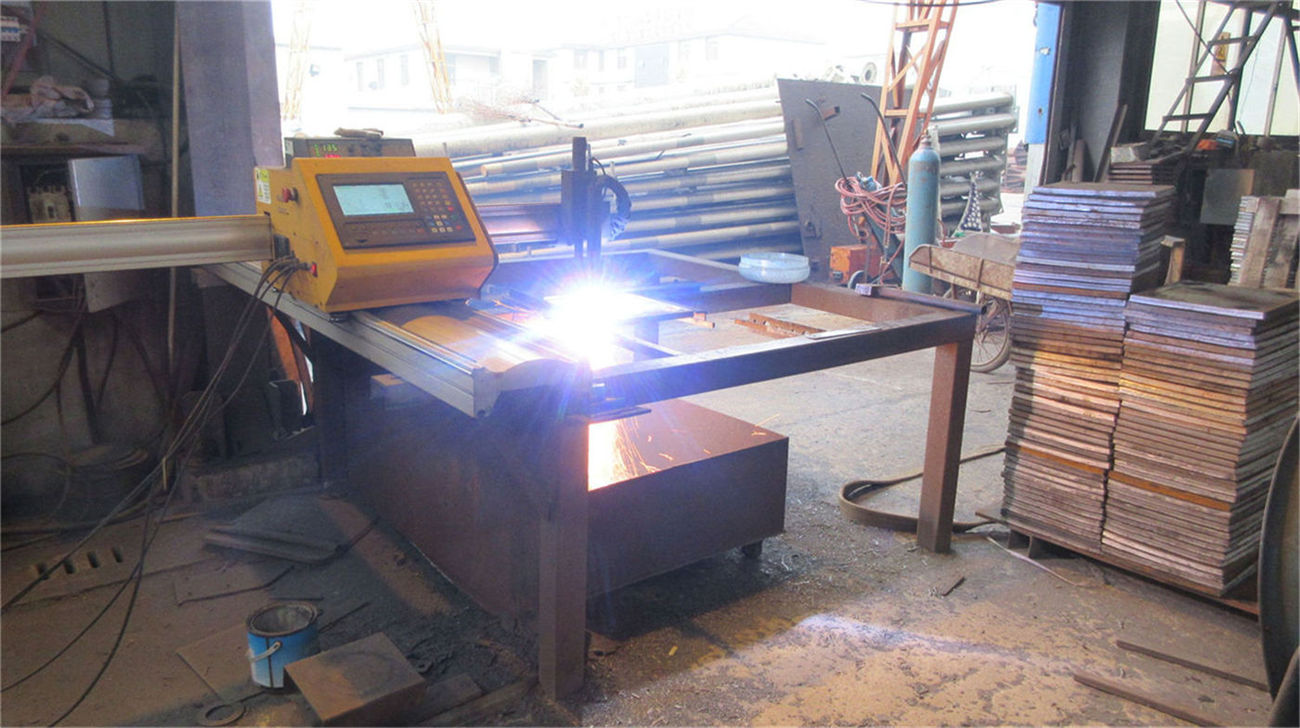
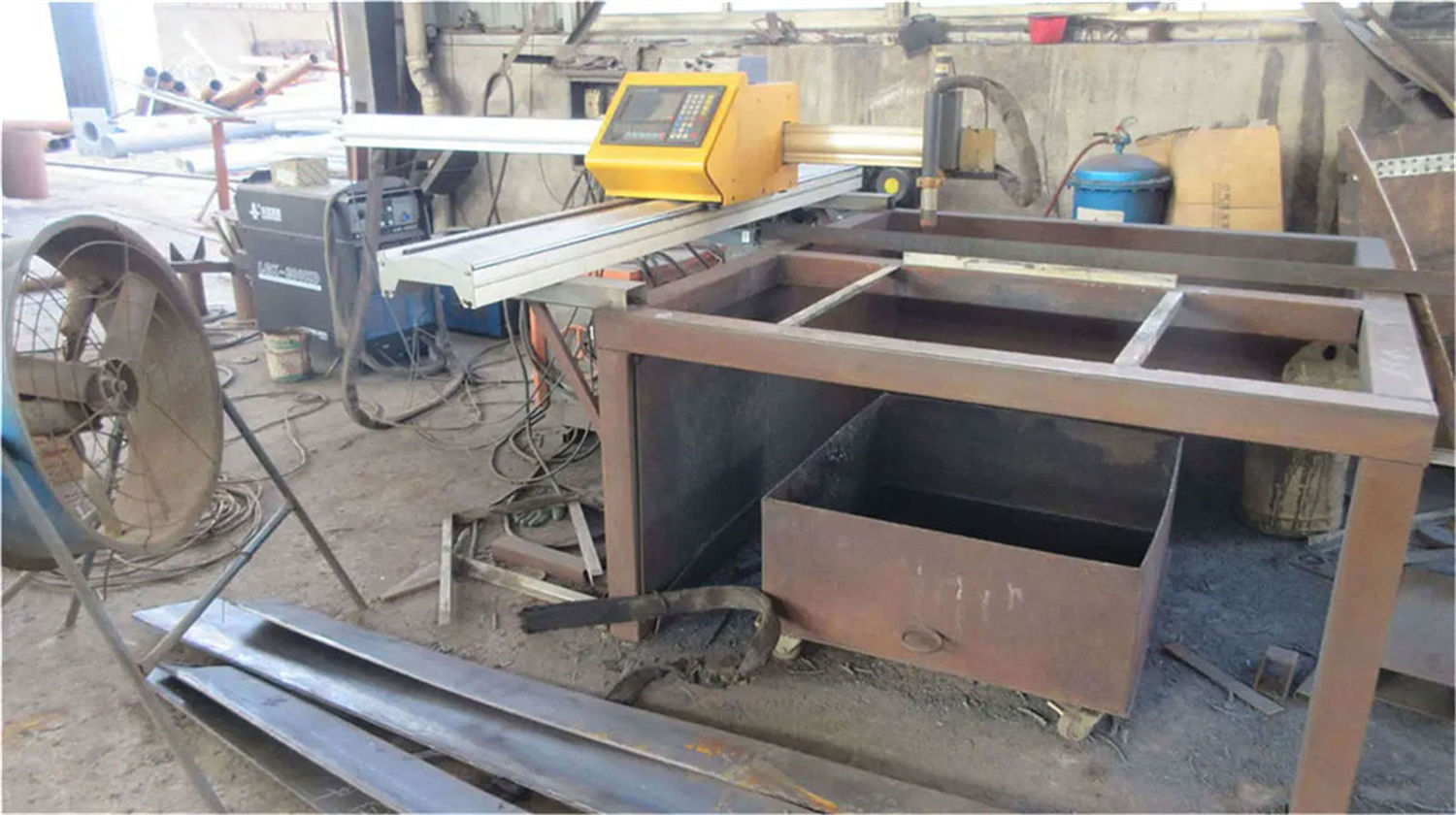
Yangzhou Gtron Solar Co., Ltd. stands as a beacon of high-tech manufacturing in Jiangsu Province. Equipped with large CNC bending machines, high-speed longitudinal shearing machines, and laser cutting technology, the facility is designed for precision. Their specialized production lines for Smart Solar Street Lights and Lithium Battery Packs set the industry standard for durability and efficiency.
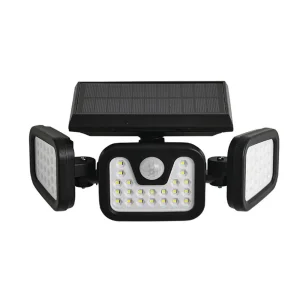
Modern solar night lights are no longer "stand-alone." They are becoming IoT nodes, equipped with motion sensors and remote management systems. China's factories are leading this trend by integrating 5G and LoRaWAN modules into street lighting poles.
The shift from Monocrystalline to N-type TOPCon solar cells has increased energy conversion rates significantly. This allow smaller solar panels to power high-lumen floodlights for longer durations, even in low-sunlight environments.
Trustworthy exporters are moving away from lead-acid to Lithium Iron Phosphate (LiFePO4) batteries. These offer over 2000 cycles, higher safety profiles, and better performance in extreme temperatures (from -20°C to 60°C).
Export Countries
Industry Experience
Quality Testing
Waterproof Rating
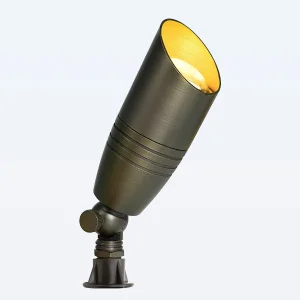
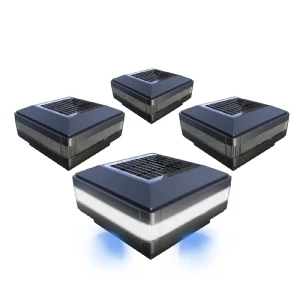
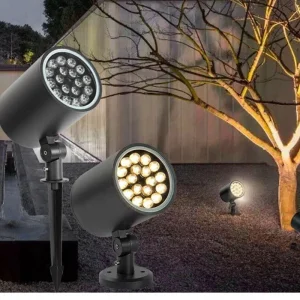
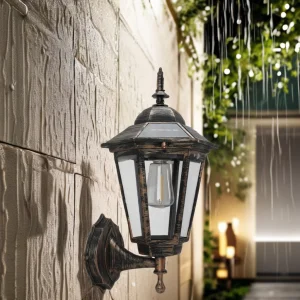
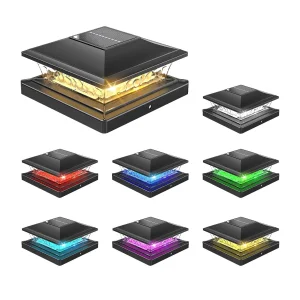
Solar post cap lights and brass garden spots provide aesthetic value while ensuring safety in private villas and gated communities. The Warm White LED options are particularly popular in North American and European markets.
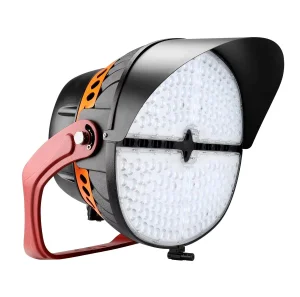
High-wattage (300W-1000W) solar floodlights with motion sensors are essential for logistics parks, warehouses, and outdoor storage areas where traditional wiring is cost-prohibitive.
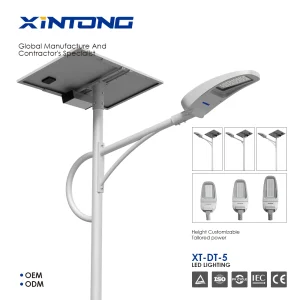
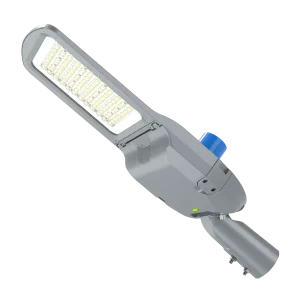
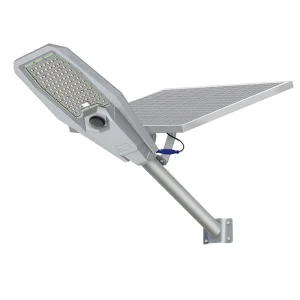
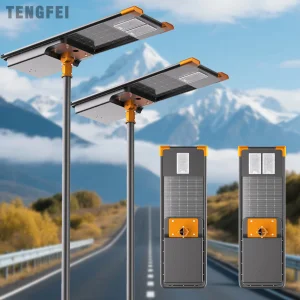
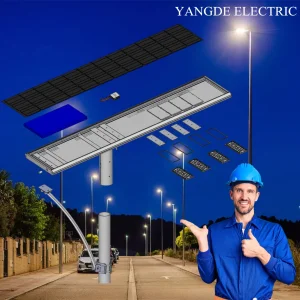
Split solar street lights and "All-in-One" integrated systems provide carbon-neutral lighting for highways, rural roads, and public parks, supporting global Net-Zero initiatives.
When searching for China Wholesale Solar Night Lights Factories, global enterprises must look beyond the price tag. The real value is found in the "Information Increment"—technical details that guarantee a 5-to-10-year lifespan. Key factors include:
Yangzhou Gtron Solar Co., Ltd. exemplifies these standards, providing comprehensive project solutions that include lighting design, simulation, and on-site technical guidance.
For standard models, production typically takes 15-20 days. Custom OEM orders involving specific pole heights or battery capacities may require 25-30 days to ensure rigorous aging tests and quality control.
Reputable exporters use low-temperature resistant Lithium batteries and UV-stabilized coatings. Products are tested in salt-spray chambers for coastal use and high-vibration environments for roadside reliability.
It depends on the latitude. "All-in-One" systems are easier to install but may have limited solar panel sizes. "Split" systems allow the panel to be angled optimally toward the sun, making them superior for high-wattage requirements in Northern or Southern hemispheres.
EU markets strictly require CE and RoHS. For the US, UL or ETL certification for certain components and FCC for electronic controllers are standard requirements that Gtron Solar consistently meets.