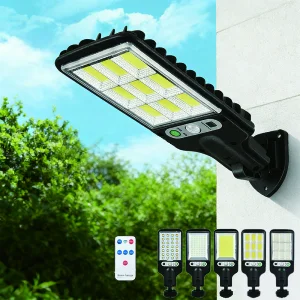
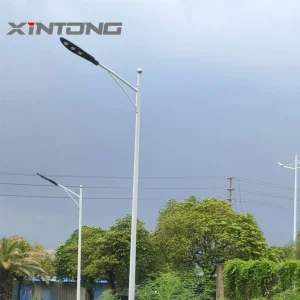
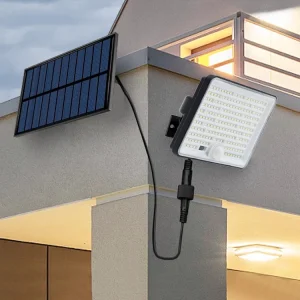
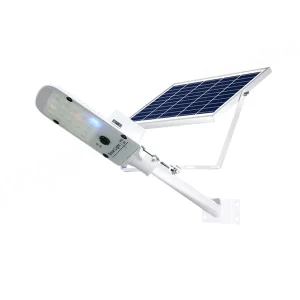
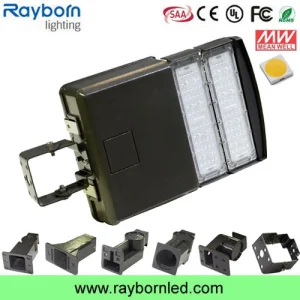
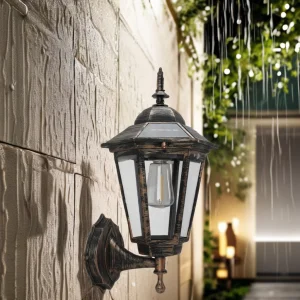
Industrial grade, IP65-IP68 certified high-efficiency outdoor luminaires
An Analysis of Technical Advancements, Economic Drivers, and Harsh Environment Adaptability
The global marine industry is experiencing an unprecedented paradigm shift toward clean energy, sustainability, and autonomous electric grids. Among these key components, the transition from traditional wired yacht, boat, and dock lighting systems to integrated off-grid solar boat lights stands out as a critical milestone. Traditionally, vessel operators and marina builders faced extreme layout complexity, constant electrical shorts due to saltwater exposure, and severe power draws from lead-acid starter batteries. Modern custom OEM solar boat lighting solutions completely bypass these structural vulnerabilities by combining monocrystalline silicon photovoltaics, high-capacity lithium iron phosphate (LiFePO4) storage, and smart microcontrollers.
From commercial container fleets navigating transoceanic corridors to recreational pontoon operators and luxury yacht berths, lighting is not merely an aesthetic choice—it is a critical safety parameter dictated by international maritime law (such as the International Regulations for Preventing Collisions at Sea - COLREGs). As custom OEM/ODM manufacturers, Yangzhou Gtron Solar Co., Ltd. leads this category by engineering solar-powered marine luminaires capable of withstanding the harshest marine microclimates: intense UV radiation, relentless wave action, saline mist, and dramatic thermal variations.
Installing hardwired low-voltage lighting across a municipal harbor or commercial slipway often requires heavy trenching, armored cabling, transformer installations, and expensive professional electrical certification. By implementing self-sustaining solar dock and boat light systems, procurement officers report up to a 75% reduction in initial installation costs and zero operational energy expenditures over the luminaire's lifecycle. Furthermore, the absence of AC utility runs near seawater eliminates dangerous galvanic currents, drastically lowering corrosion rates on yacht hulls and dock pilings.
Equipped with proprietary solar charge control algorithms maximizing power harvesting efficiency by up to 98.7% even under diffuse light conditions.
Engineered using anodized AL6061-T6 aluminum, marine 316 stainless steel, and anti-UV polycarbonate structures rated for extreme environments.
Dual-chamber hermetically sealed construction utilizing specialized marine epoxies to guarantee zero moisture ingress under high-pressure spray.
A Comprehensive Tour of Our Advanced Manufacturing Facility & Technical Capabilities
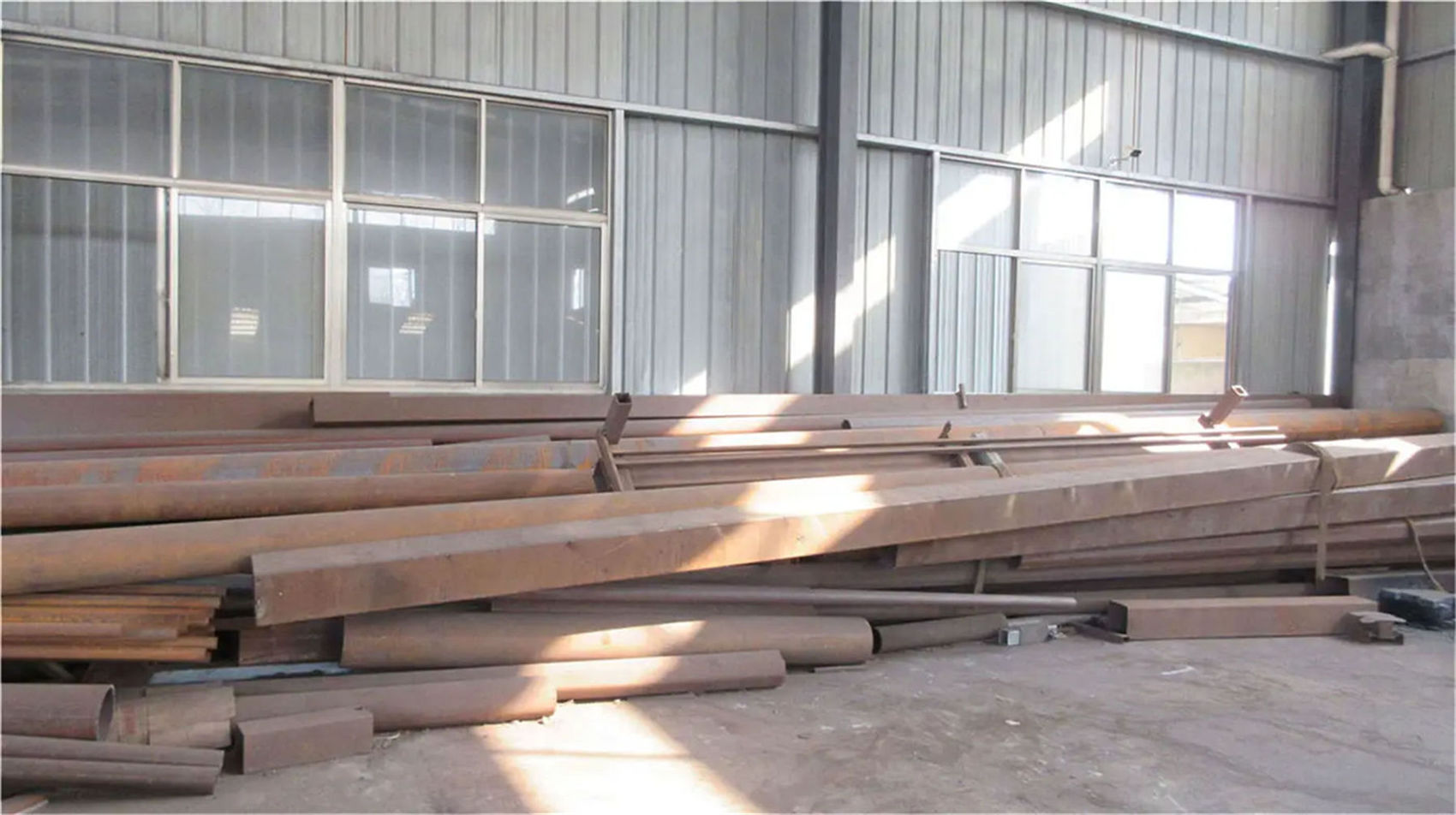
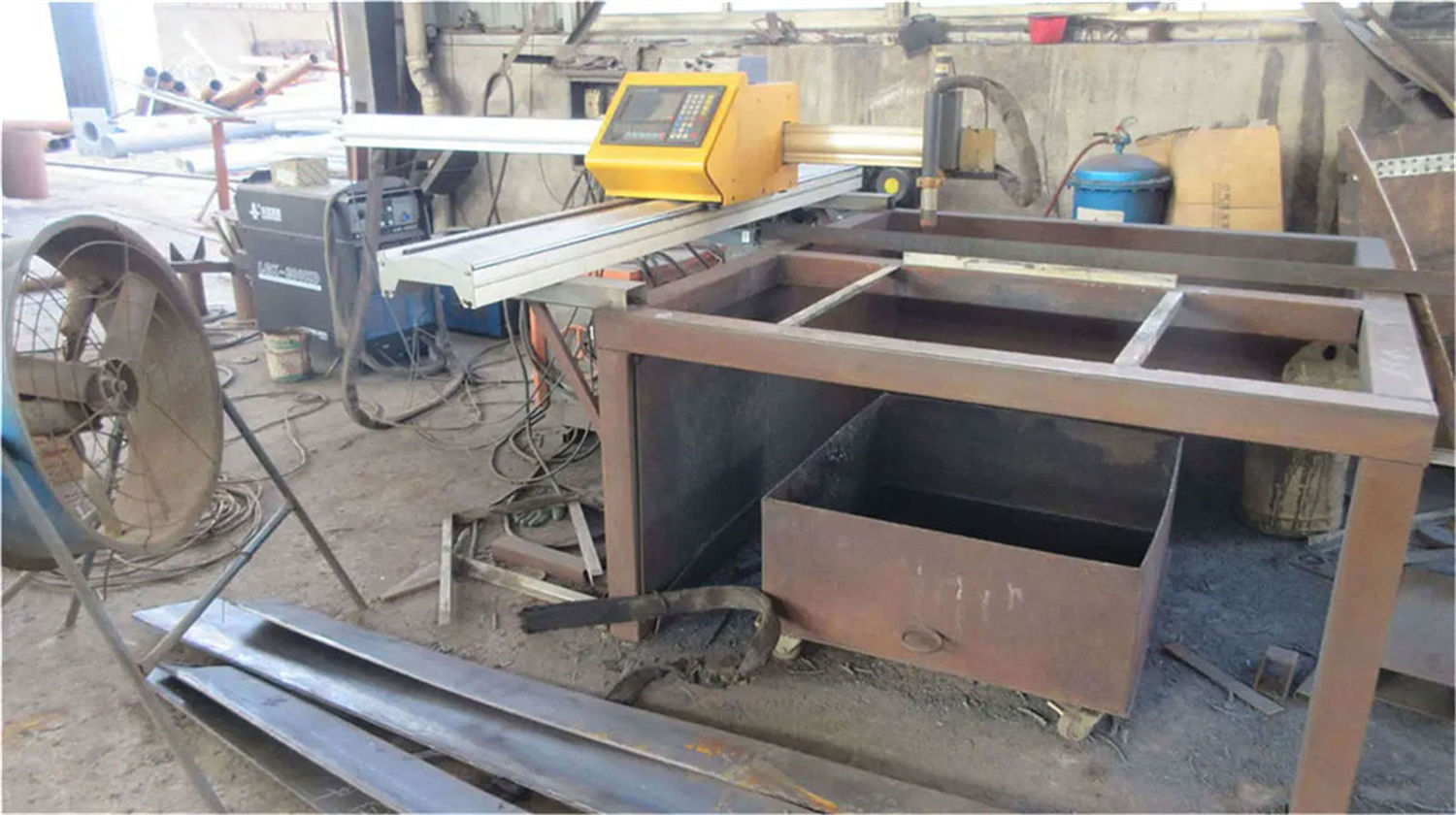
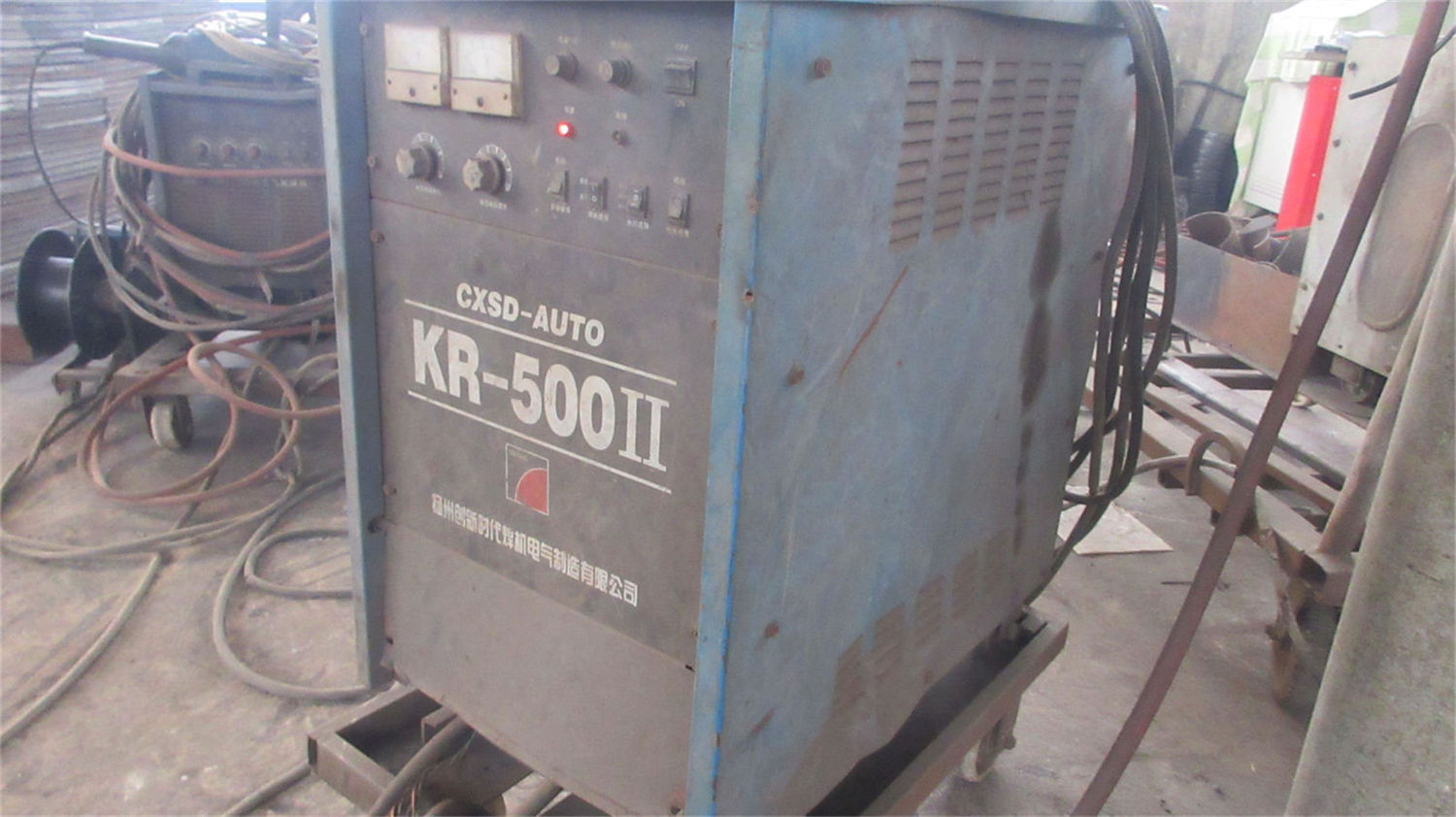
Yangzhou Gtron Solar Co., Ltd. has established itself as an elite, high-tech manufacturing facility in the lighting capital of Yangzhou, Jiangsu Province, China. Over a continuous operating history spanning more than two decades, the factory has evolved from a conventional steel bending plant into an automated, vertically integrated production ecosystem. With ISO 9001, ISO 14001, CE, RoHS, and CCC certifications, our manufacturing pipelines satisfy the demanding procurement expectations of municipal projects and multinational buyers.
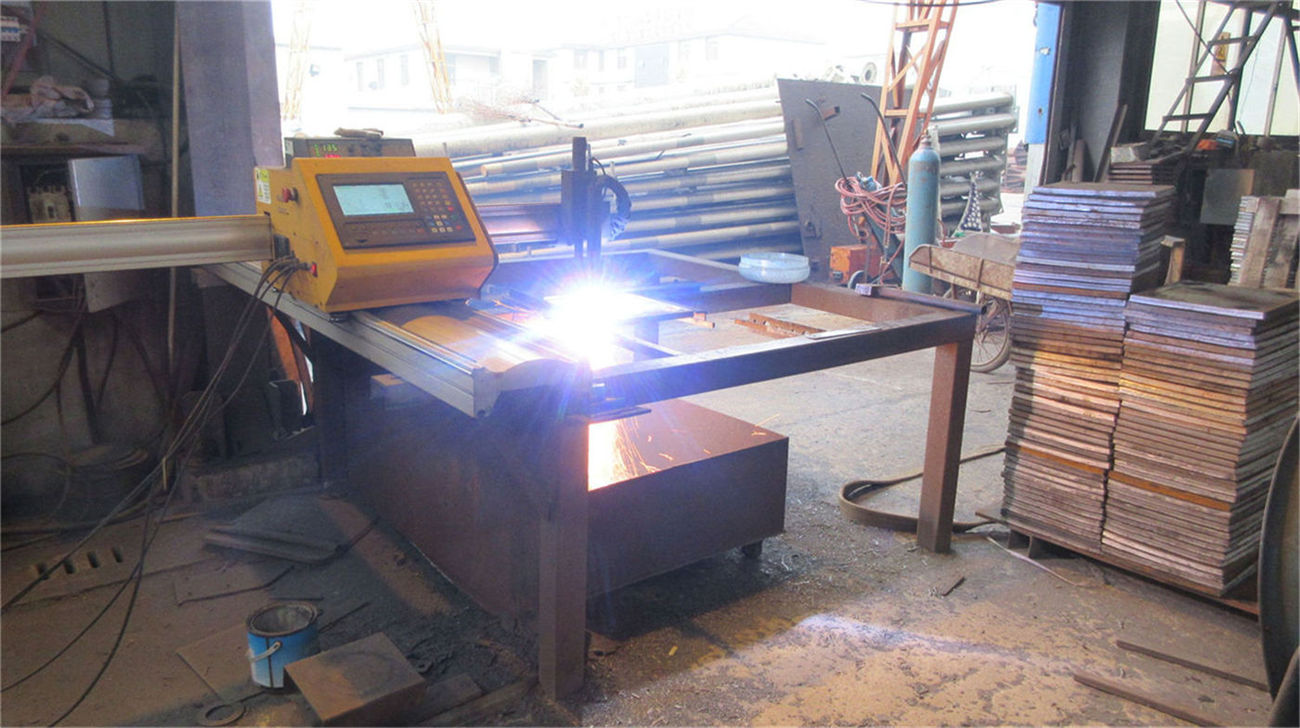
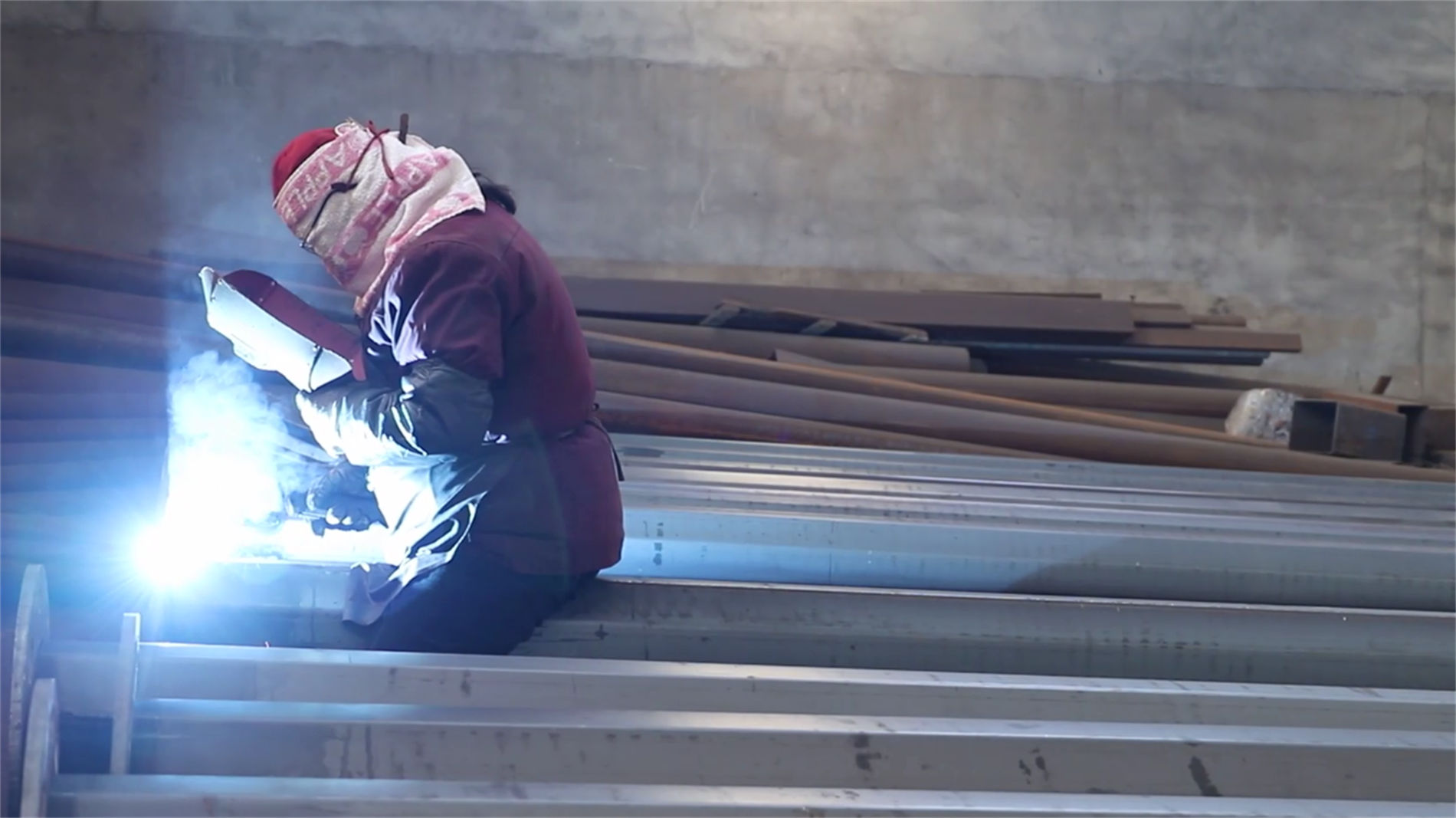
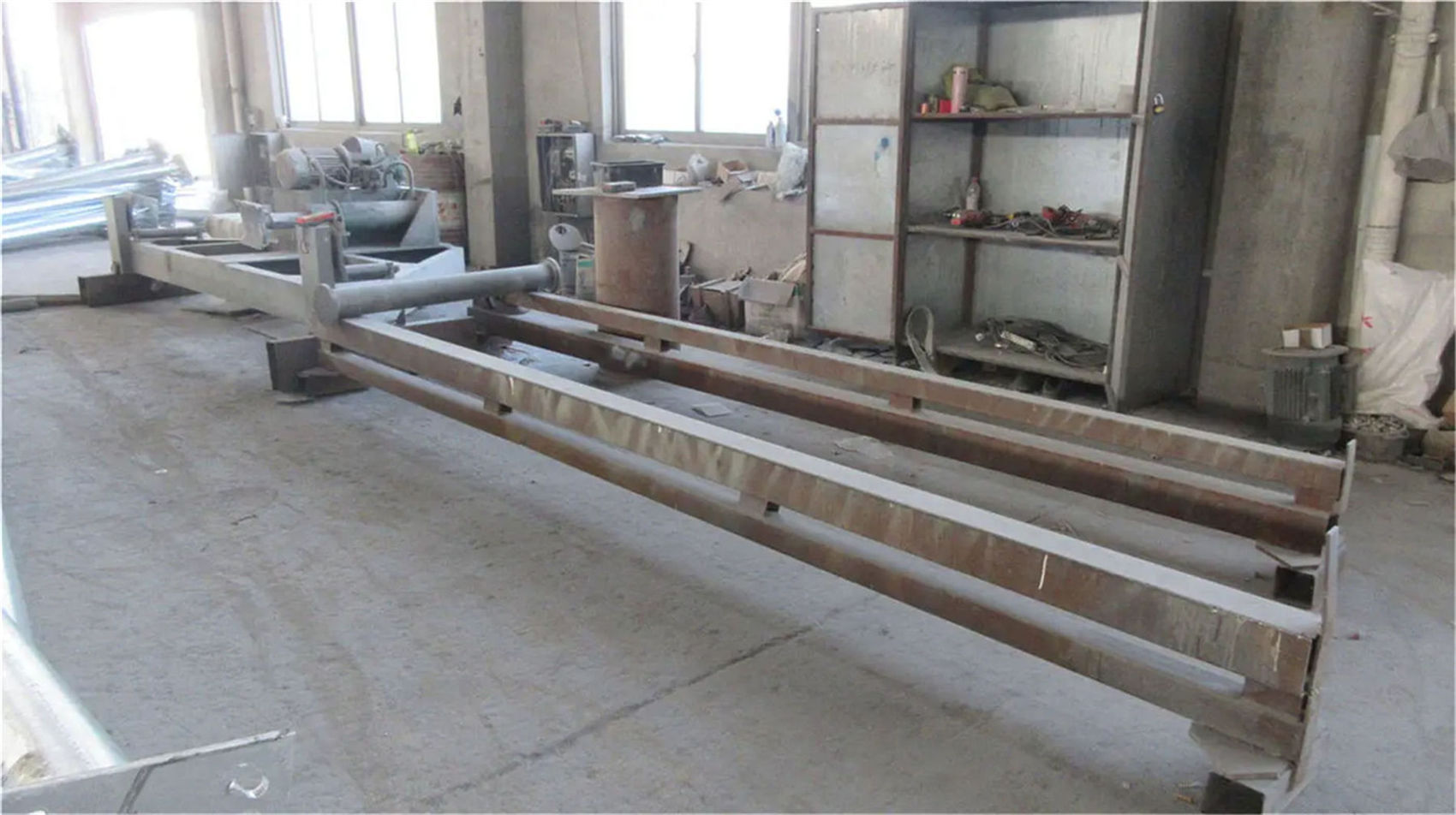
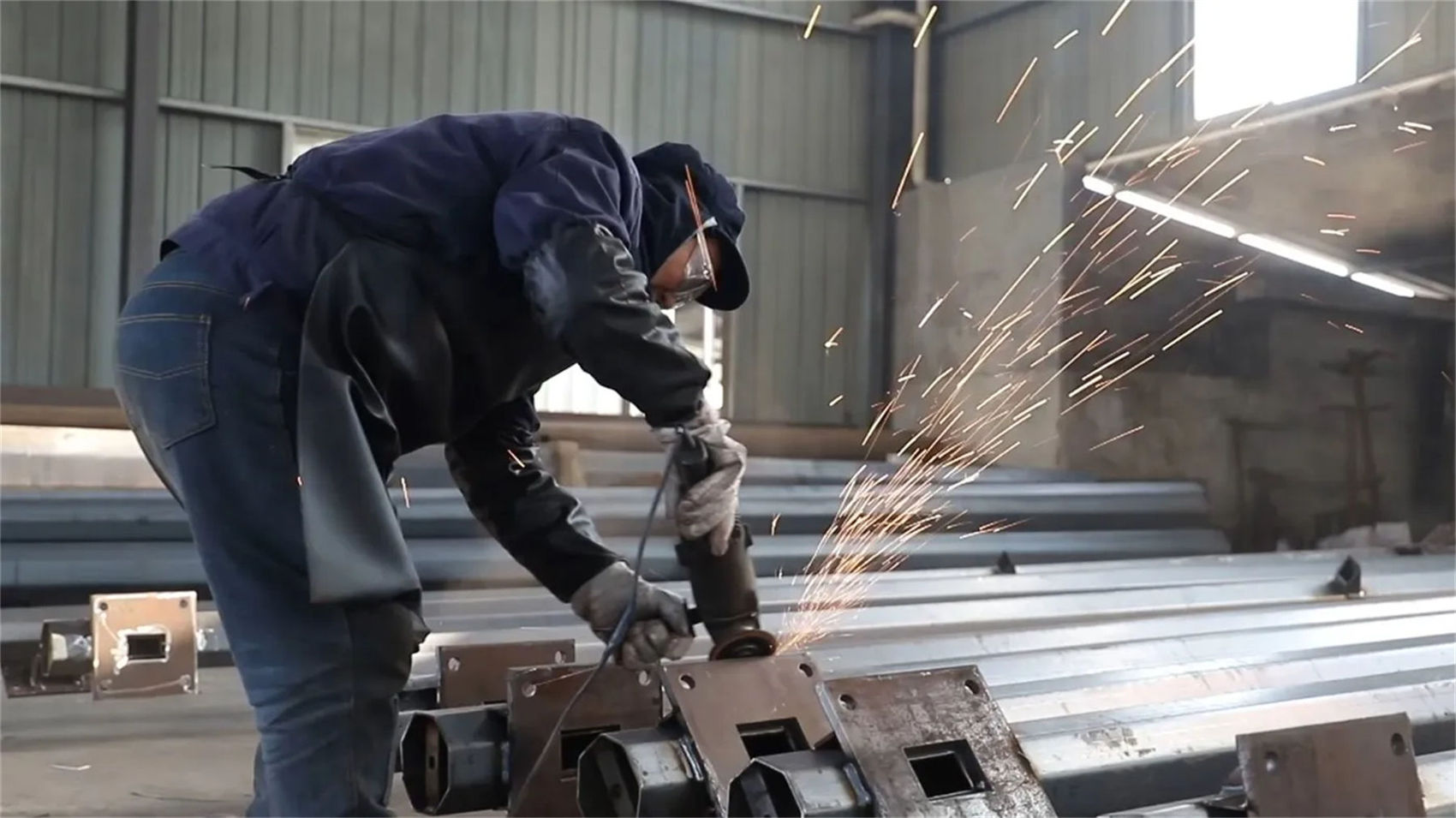
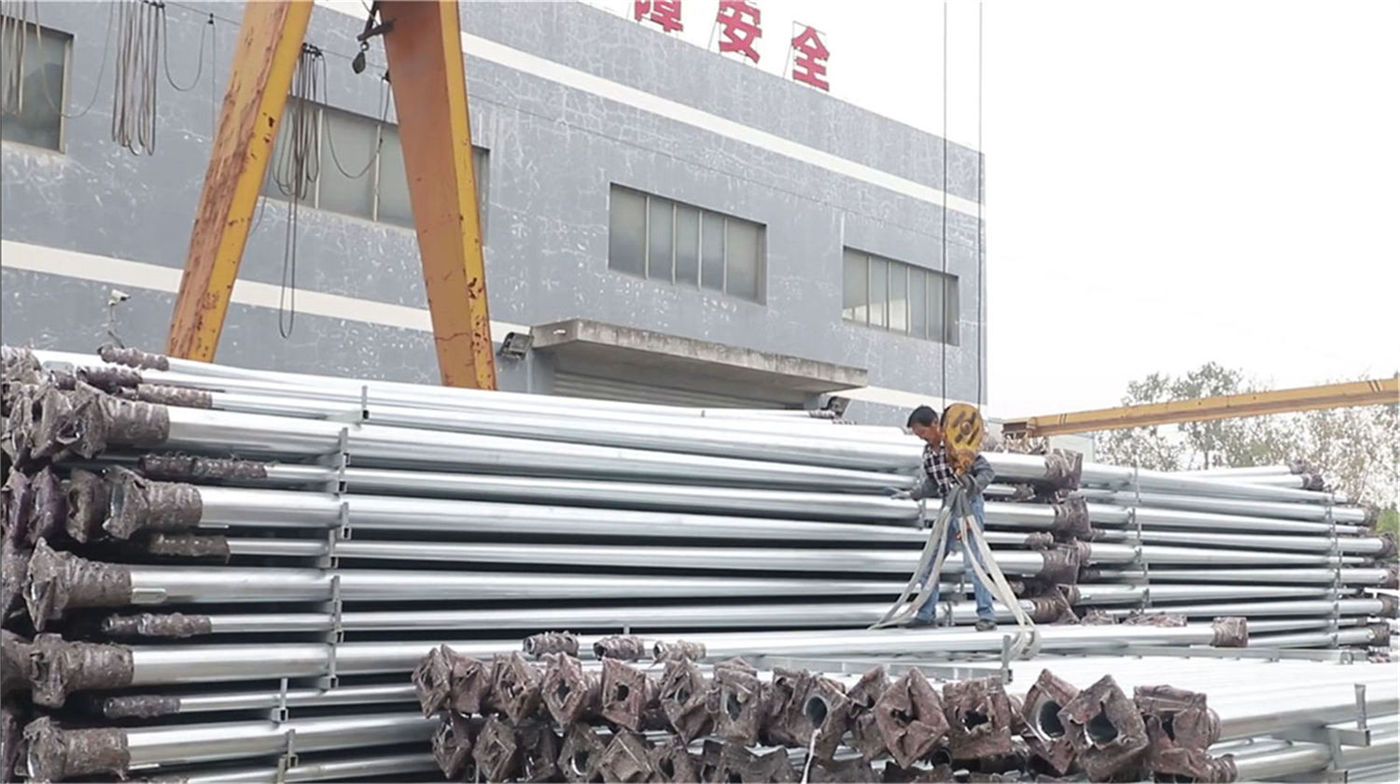
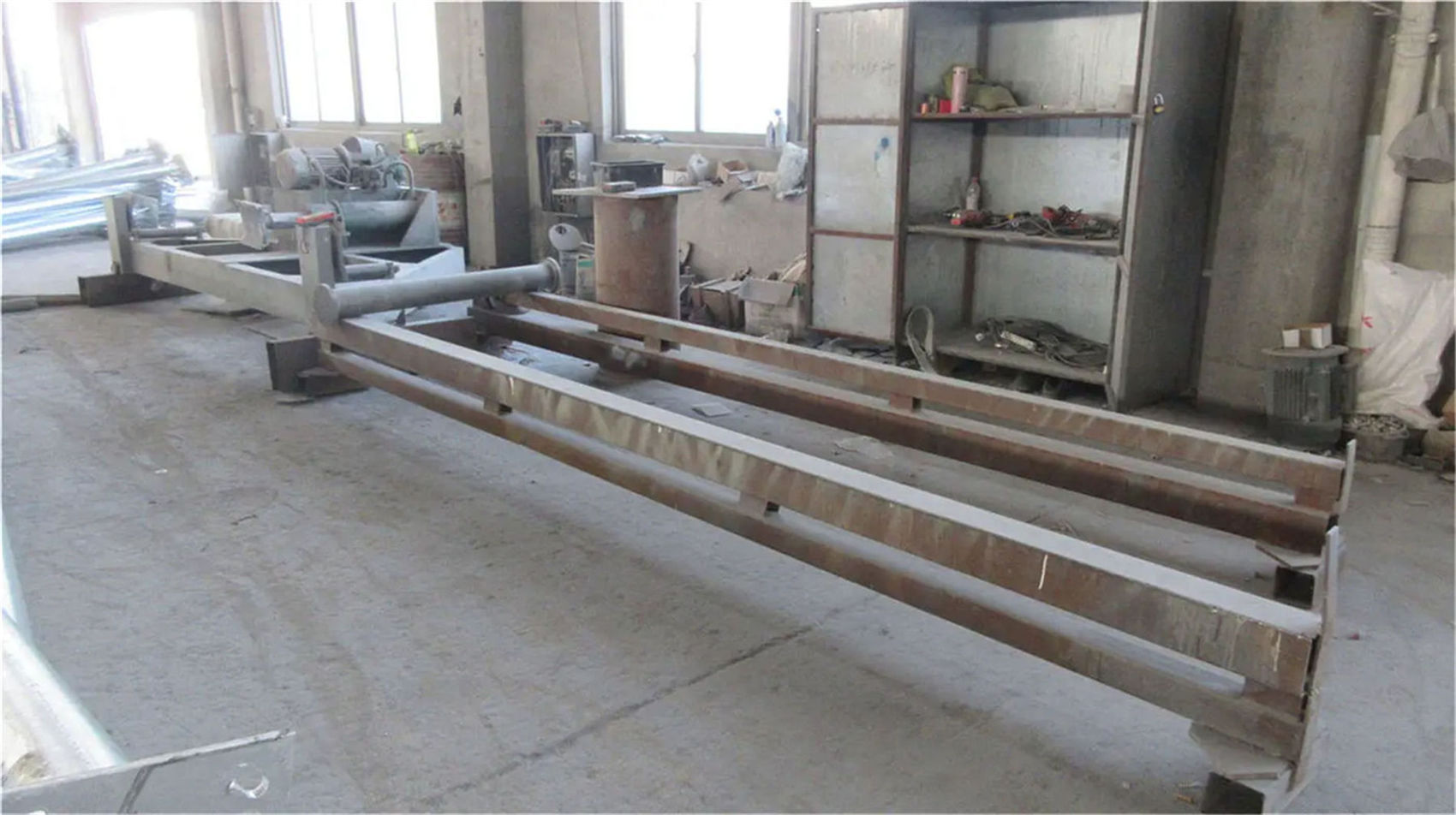
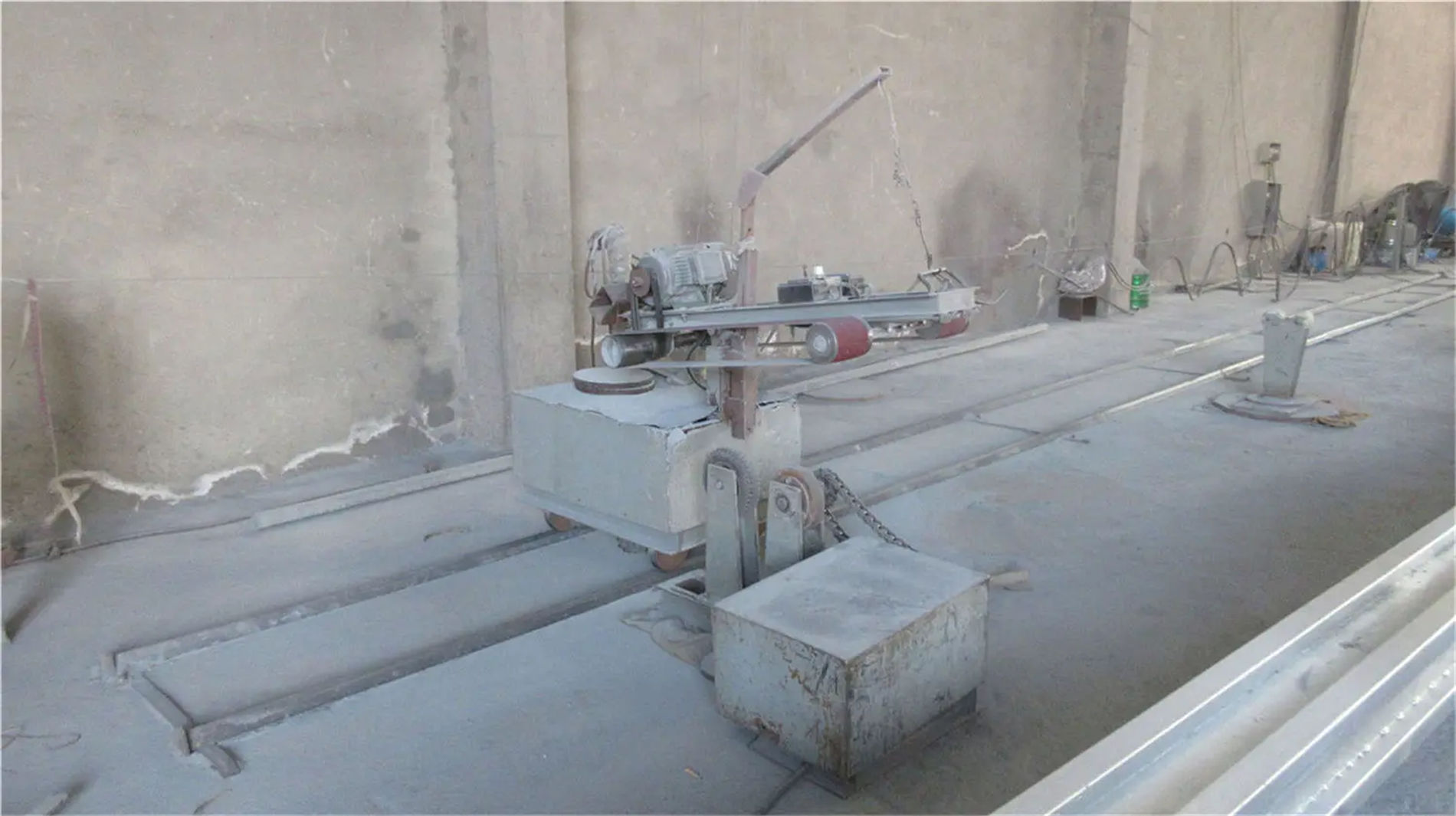
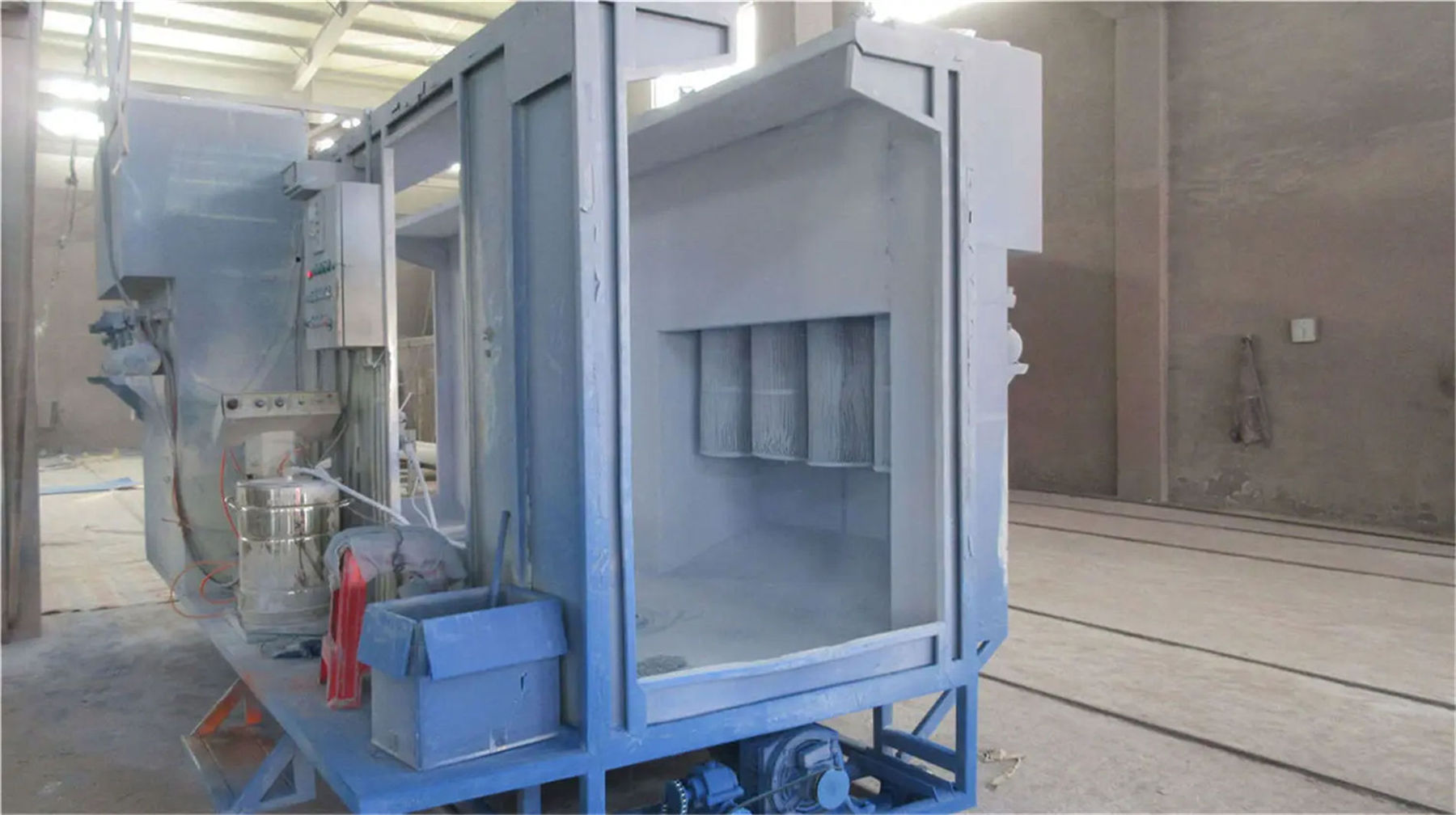
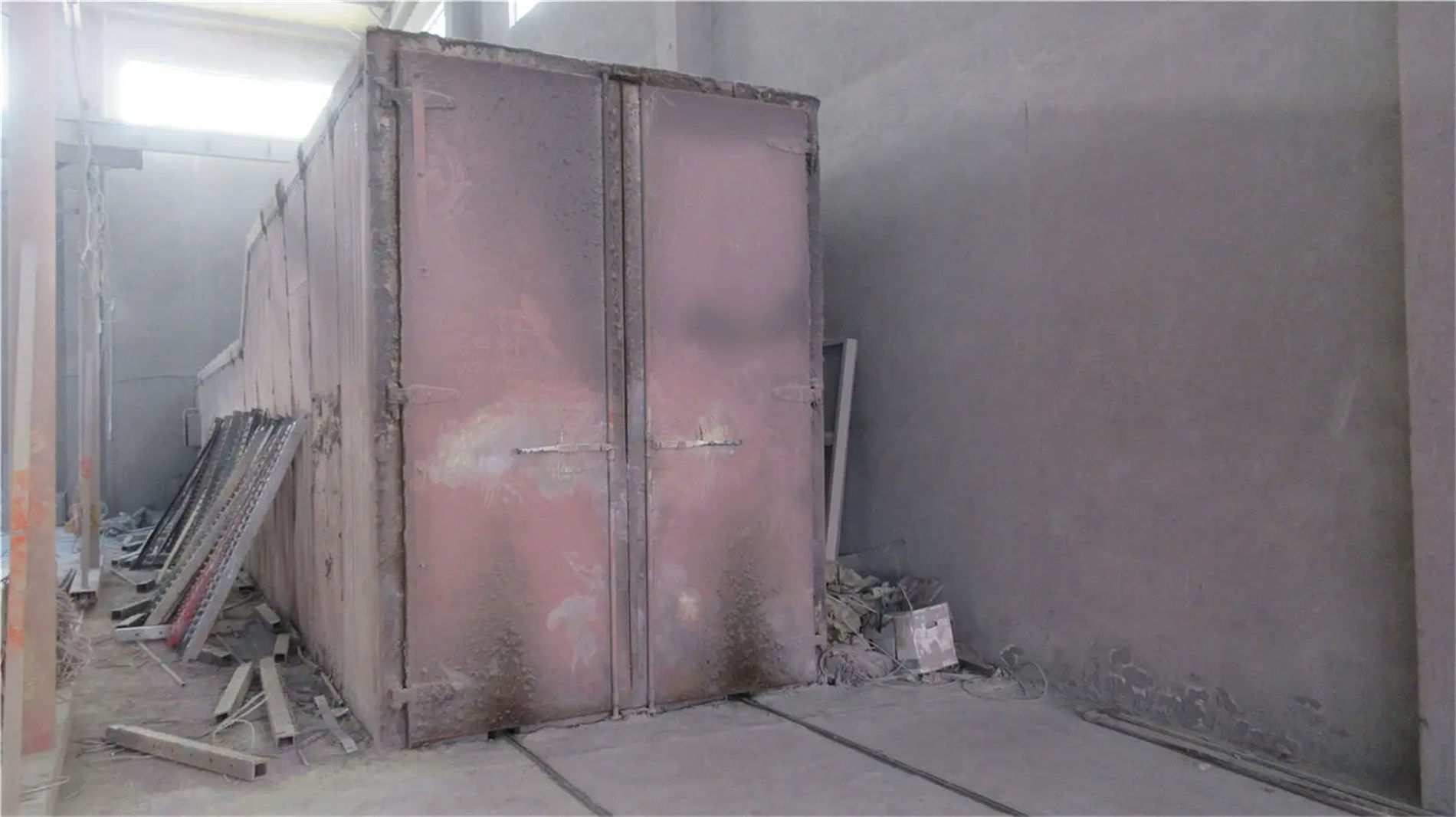
Our infrastructure includes specialized departments catering to every facet of the production lifecycle. The key to our OEM efficiency lies in the physical consolidation of key components: we manufacture the structural poles, weld structural enclosures, coat with fluorocarbon paints, pack and test the lithium chemistry, mount SMD diodes on state-of-the-art SMT lines, and integrate custom solar panel formats all within our unified campus. This high concentration of core competencies optimizes lead times and ensures unmatched quality traceability from raw metal up to the finished marine solar module.
Why China's Lighting Hub Delivers Unmatched Cost-to-Performance Ratios
Operating out of Yangzhou permits Gtron Solar to tap into the world’s most dense supply chain network for solar technology and metal fabrication. The proximity of optical grade glass refineries, high-purity ingot processing facilities, and dedicated microcontroller suppliers allows us to bypass intermediate logistics costs. This operational dynamic yields structural benefits that we pass along directly to OEM partners: high speed-to-market, customizable structural dimensioning, and flexible MOQ allocations.
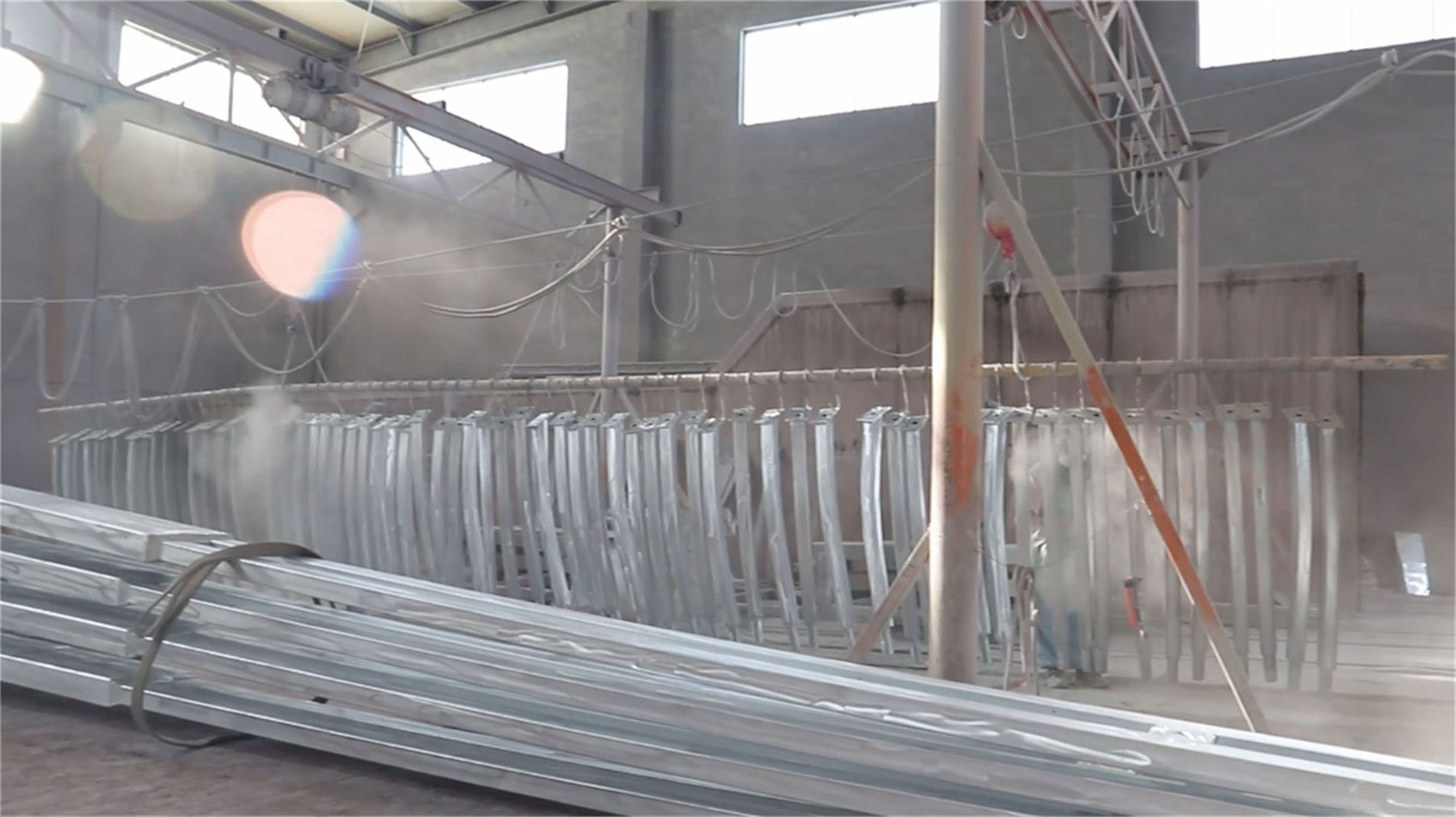
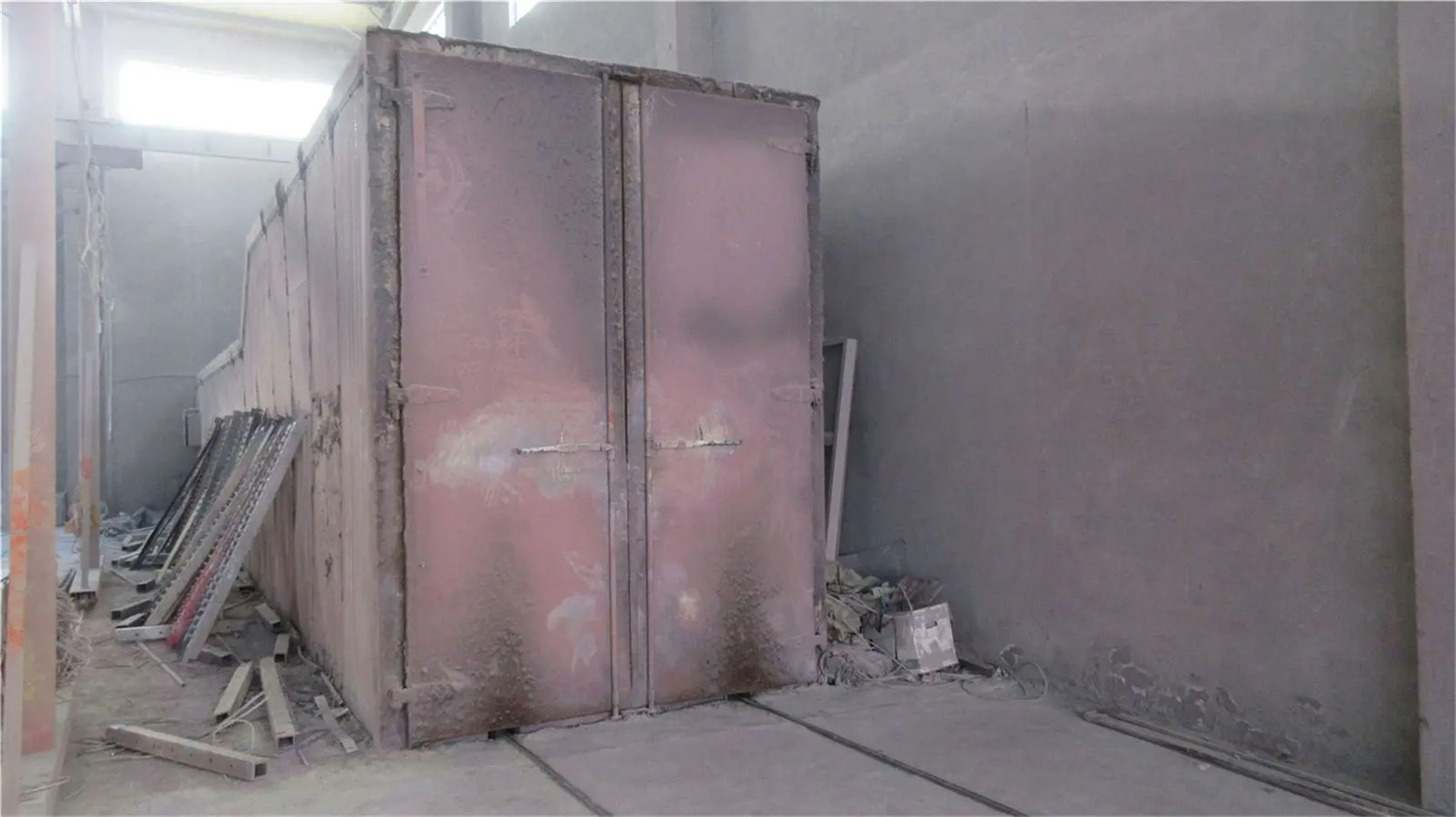
Standard landscape lights degrade within months in saltwater environments due to "filiform corrosion" and galvanic degradation. To combat this, Gtron Solar utilizes a multi-step metal pretreatment routine before powder spraying. Once raw steel poles or aluminum cast casings are cut and welded by CNC machinery, they undergo an acid pickling process to clear oxides, followed by hot-dip galvanization (internally and externally). Subsequently, our electrostatic spraying systems apply a robust fluorocarbon paint layer, cured in specialized drying rooms at exact temperature profiles. This forms a cross-linked polymer barrier resistant to high salinity, acid rain, and prolonged UV exposure, keeping the structural components robust for decades.
Unlike terrestrial solar configurations, marine applications face extreme cyclic motion and extreme ambient swings. Gtron Solar integrates custom lithium battery packs featuring active balancing battery management systems (BMS). The BMS prevents overcharge, over-discharge, and thermal runaway, offering protection parameters optimized specifically for humid compartments. Our integration and testing lines check battery performance under simulation chambers to guarantee uninterrupted operations down to -20°C and up to +60°C, catering to both arctic harbors and equatorial coastlines.
How Modern Smart Cities and Industrial Harbors Implement Solar Boat Lighting
Custom OEM solar boat lights serve diverse sectors across modern commerce. In leisure industries, they demarcate luxury yacht berths, creating high-visibility slip markers that ensure safe docking at night. In commercial shipping zones and remote coastal operations, solar navigation aids mark fairways, hazards, and offshore oil platforms without requiring continuous grid layouts. Emerging aquaculture setups also utilize specialized submerged or surface-level solar lights to attract fish and optimize harvesting cycles without carbon footprint overheads.
Delineates walkways, warning markers, and mooring zones. Solar charging prevents power outage issues due to localized grid blackouts, keeping maritime traffic secure.
Future trends focus on smart mesh networking. Integrated sensors transmit battery life and luminaire health to harbor control, enabling predictive maintenance schedules.
Built-in light sensors and PIR motion detectors regulate output, transitioning between energy-saving dim standby and high-intensity alert states.
As the industry moves toward complete decarbonization, Gtron Solar is researching the integration of bifacial monocrystalline solar cells. By capturing both direct sunlight and the high albedo reflection from seawater surfaces, these cells yield up to 20% more energy generation within the same physical footprint. This allows solar boat lights to operate with smaller profiles, reducing aerodynamic drag and minimizing structural load on marine vessels.
Critical Specifications for Global Engineering and Yacht Construction Buyers
Engineering departments must evaluate several structural metrics when choosing an OEM solar boat light manufacturing partner. Relying on residential-grade specifications leads to failures within seawater splash zones. Gtron Solar guarantees adherence to industrial parameters:
1. Luminous Efficacy & Optical Distribution: Standard LED chips lose output due to heat buildup within sealed enclosures. Our modules use high-performance CREE or Lumileds emitters producing upwards of 160 lm/W. Standard asymmetric optics distribute light uniformly across walkways and maritime paths without causing direct visual glare for ship pilots.
2. Ingress Protection (IP) & Impact Resistance (IK): Marine lighting must feature IP67 or IP68 certification to handle waves and submersions. Gtron Solar tests enclosures with pressurized helium leak detectors. Furthermore, IK08 to IK10 impact ratings ensure structural survival against minor boat collisions or floating debris impacts.
3. Autonomous Operating Duration (Days of Autonomy): High latitude regions suffer long winter periods with minimal sunlight. A robust solar boat light must guarantee at least 5 to 7 days of continuous operation without solar recharge. This requires precise calculation of battery amp-hours and low standby current drains.
Essential insights on engineering standards, manufacturing processes, and marine solar implementations
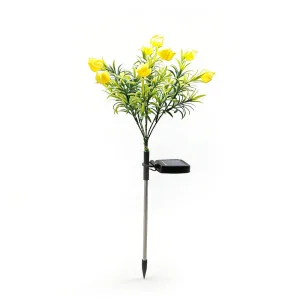
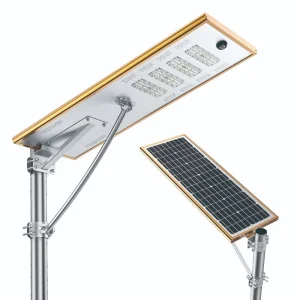
High-power solar street lamps, decorative garden elements, and robust floodlights