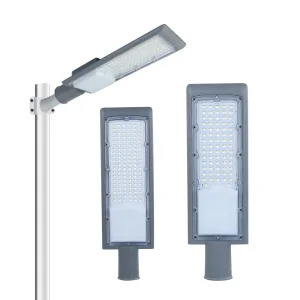
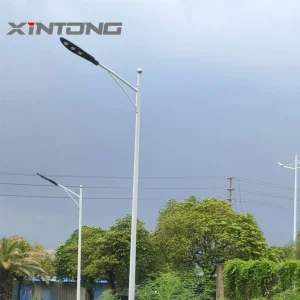
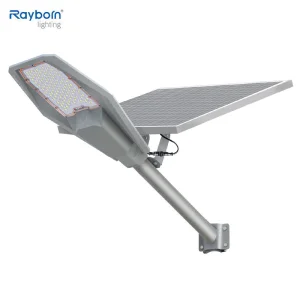
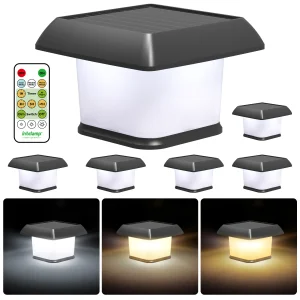
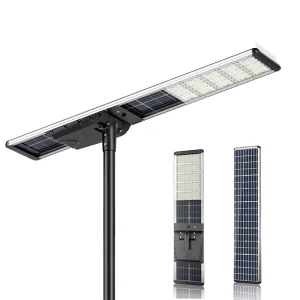
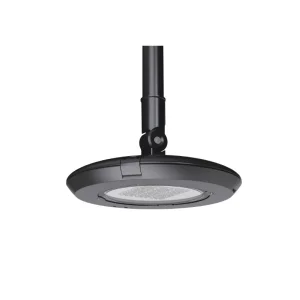
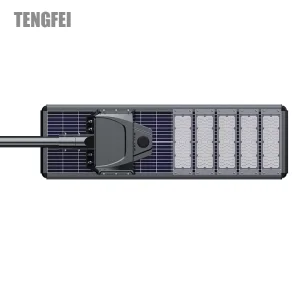
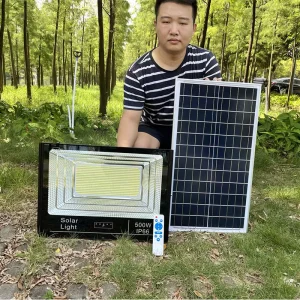
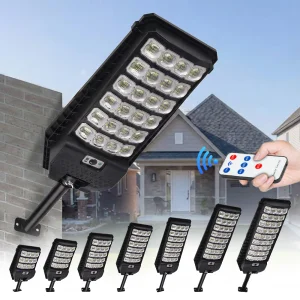
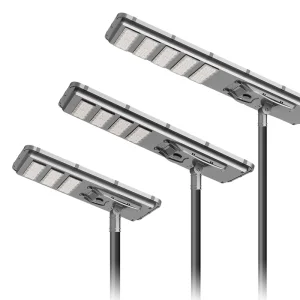
As the world pivots towards "Net-Zero" emissions and intelligent transportation systems (ITS), the role of Solar Road Safety Lights has evolved from simple illumination to critical data-integrated infrastructure. In 2024, the global market for solar road safety solutions is witnessing a transformative shift, driven by advancements in High-Efficiency Photovoltaics (PV), Long-Life Lithium Iron Phosphate (LiFePO4) storage, and AI-driven MPPT controllers.
Yangzhou Gtron Solar Co., Ltd., a Tier-1 China wholesale solar road safety lights supplier, stands at the forefront of this revolution. By integrating "Information Gain" into our engineering process, we don't just provide lights; we provide "Smart Safety Ecosystems" that reduce accidents by up to 40% in poorly lit rural and industrial corridors.
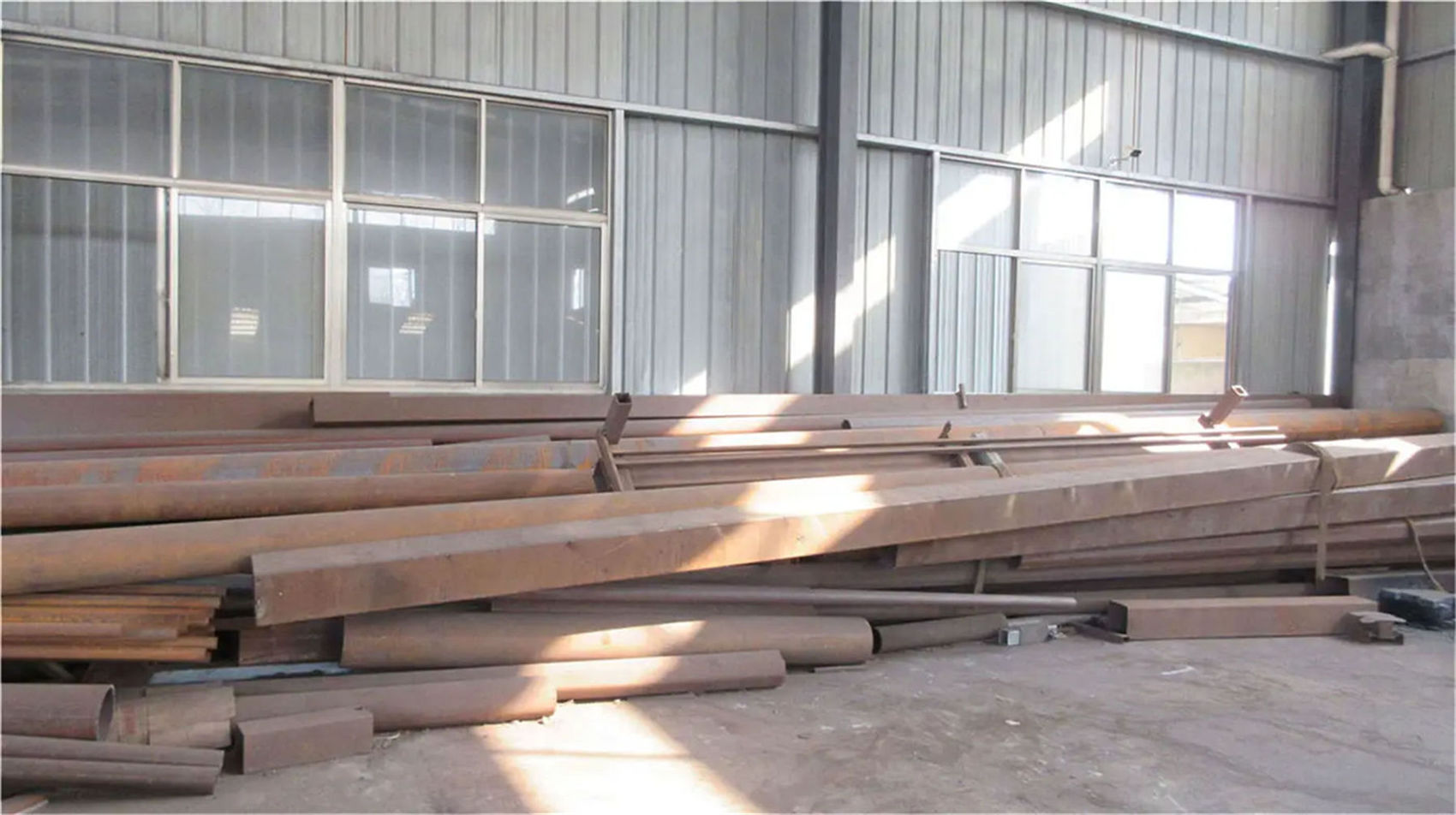
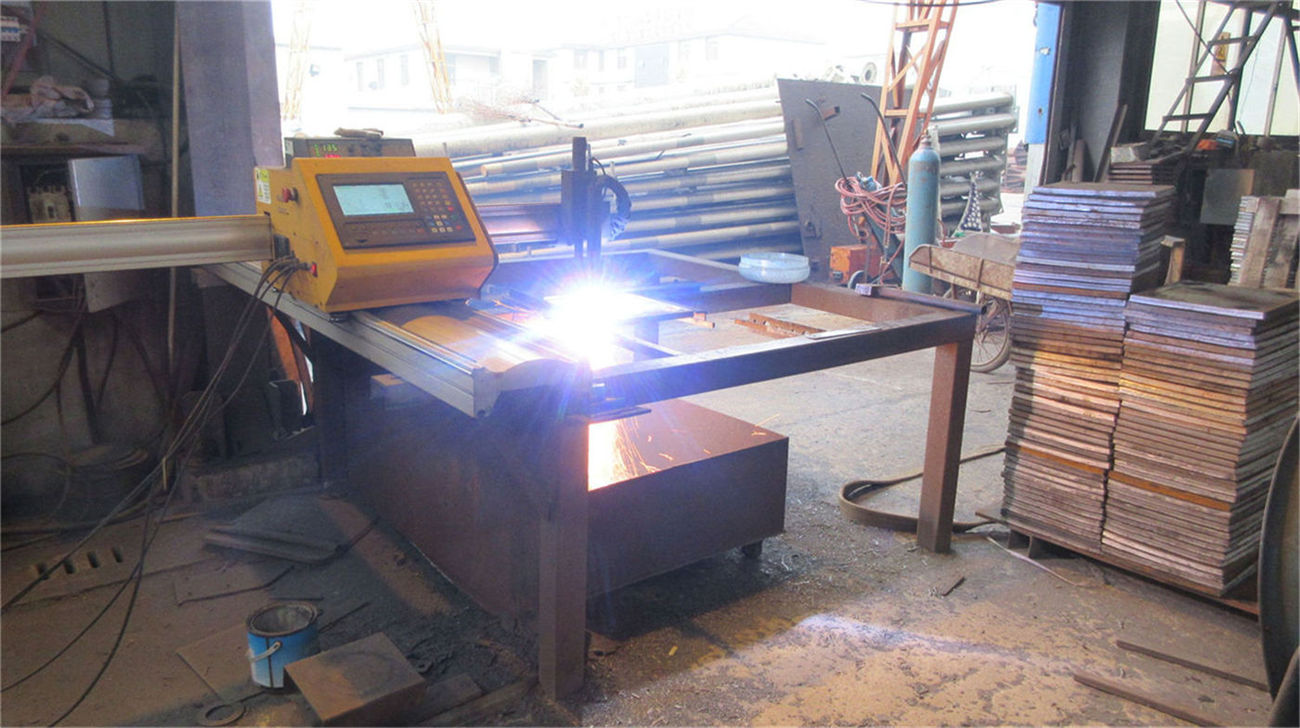
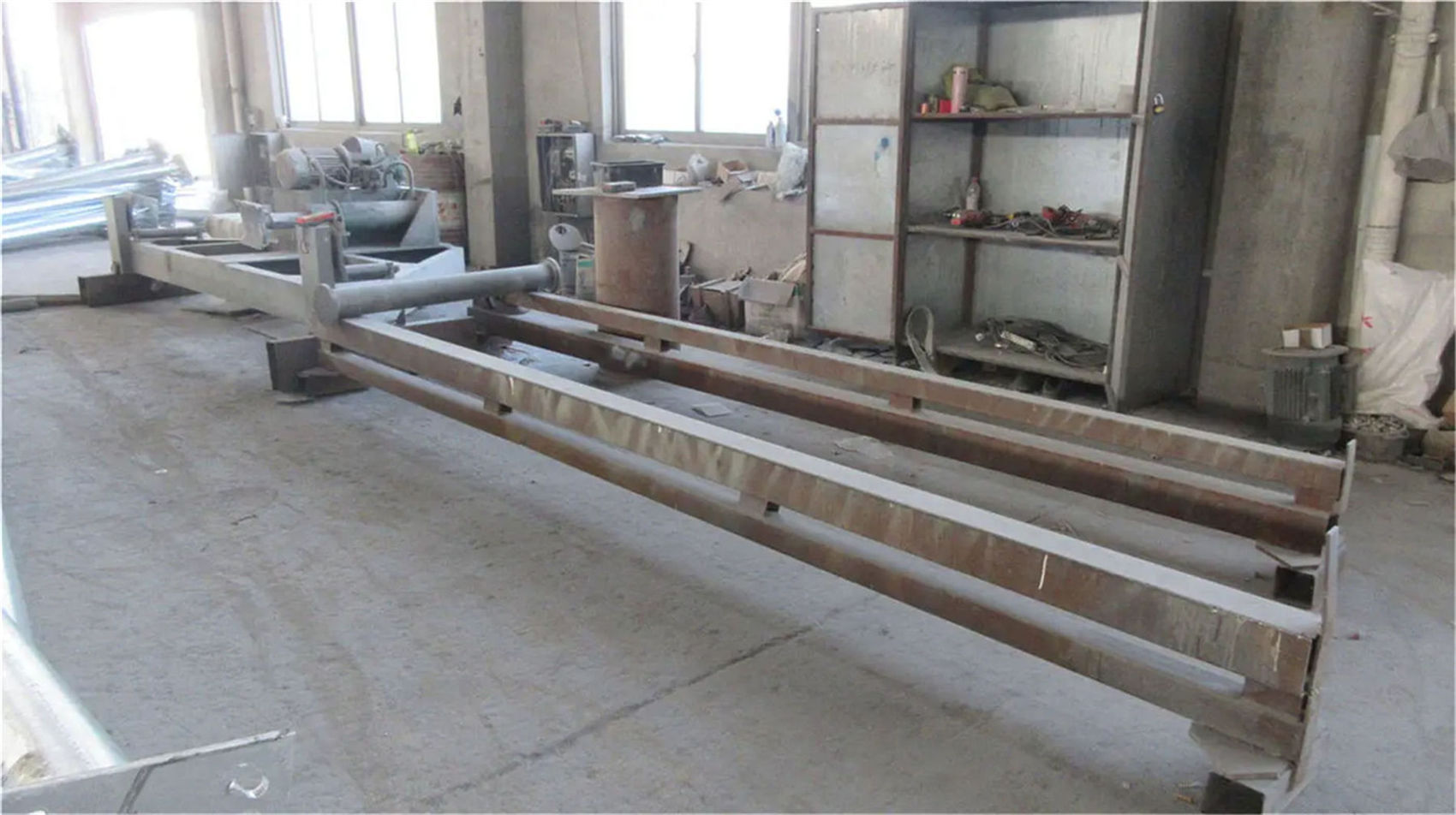
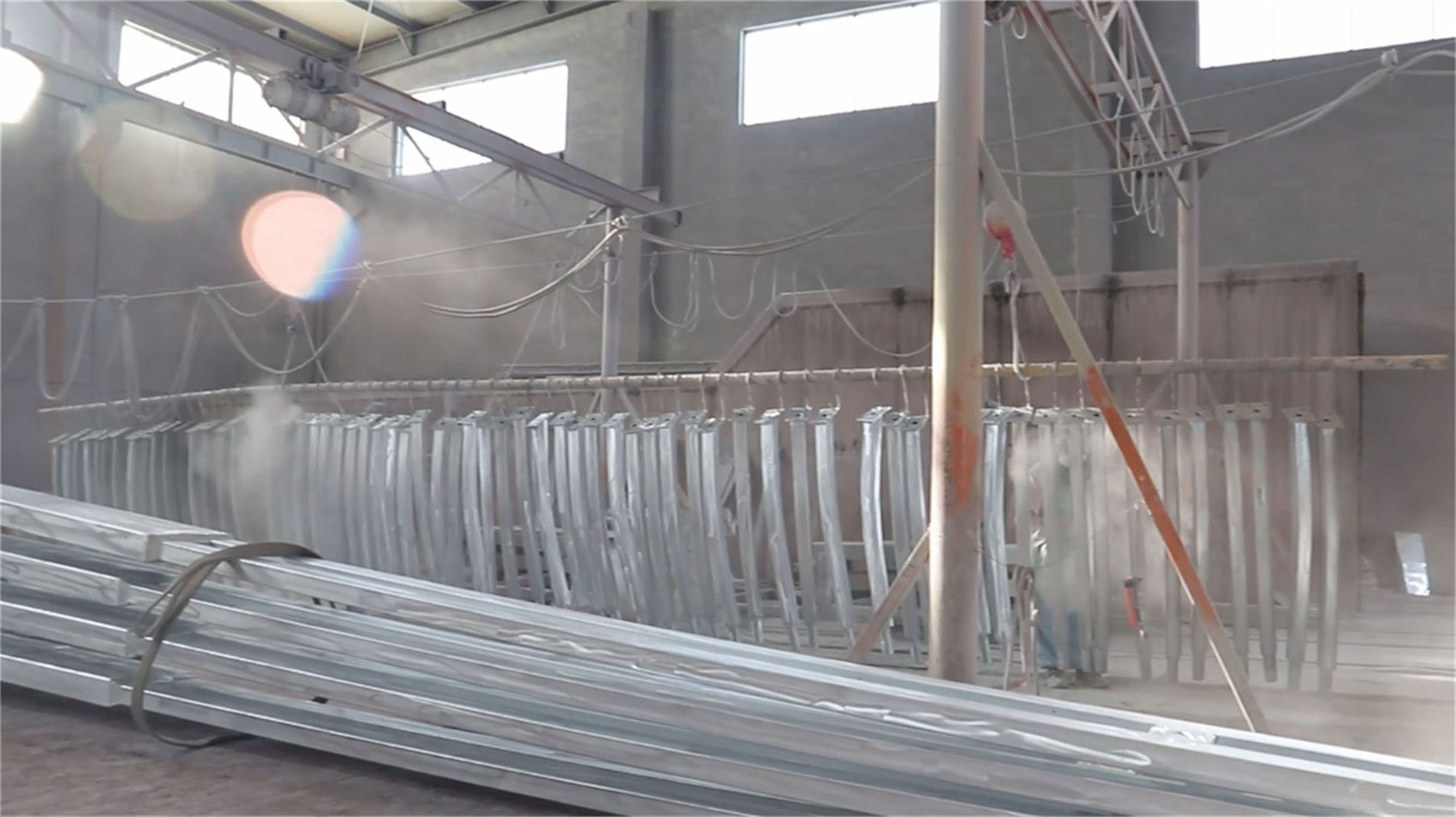
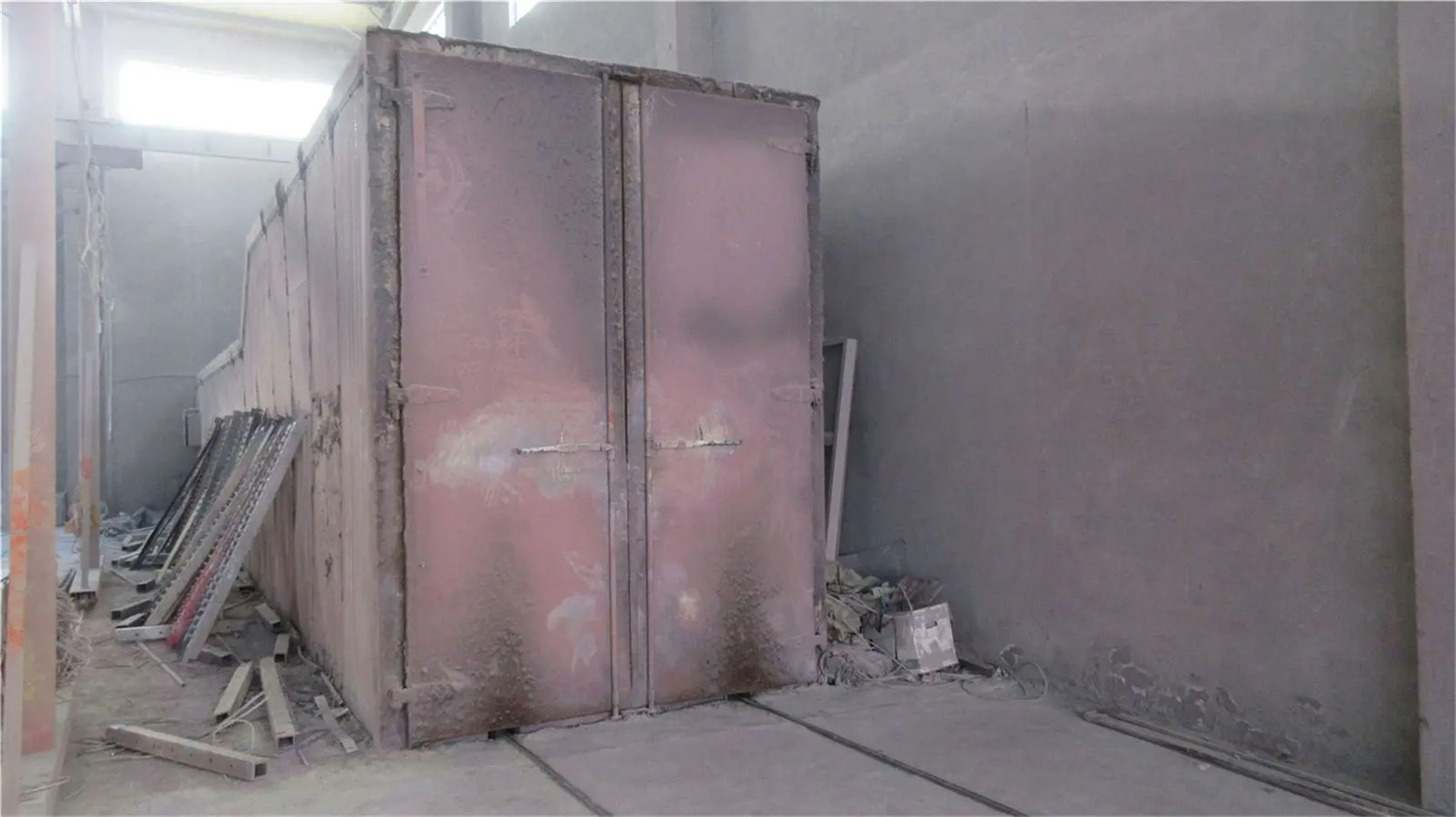
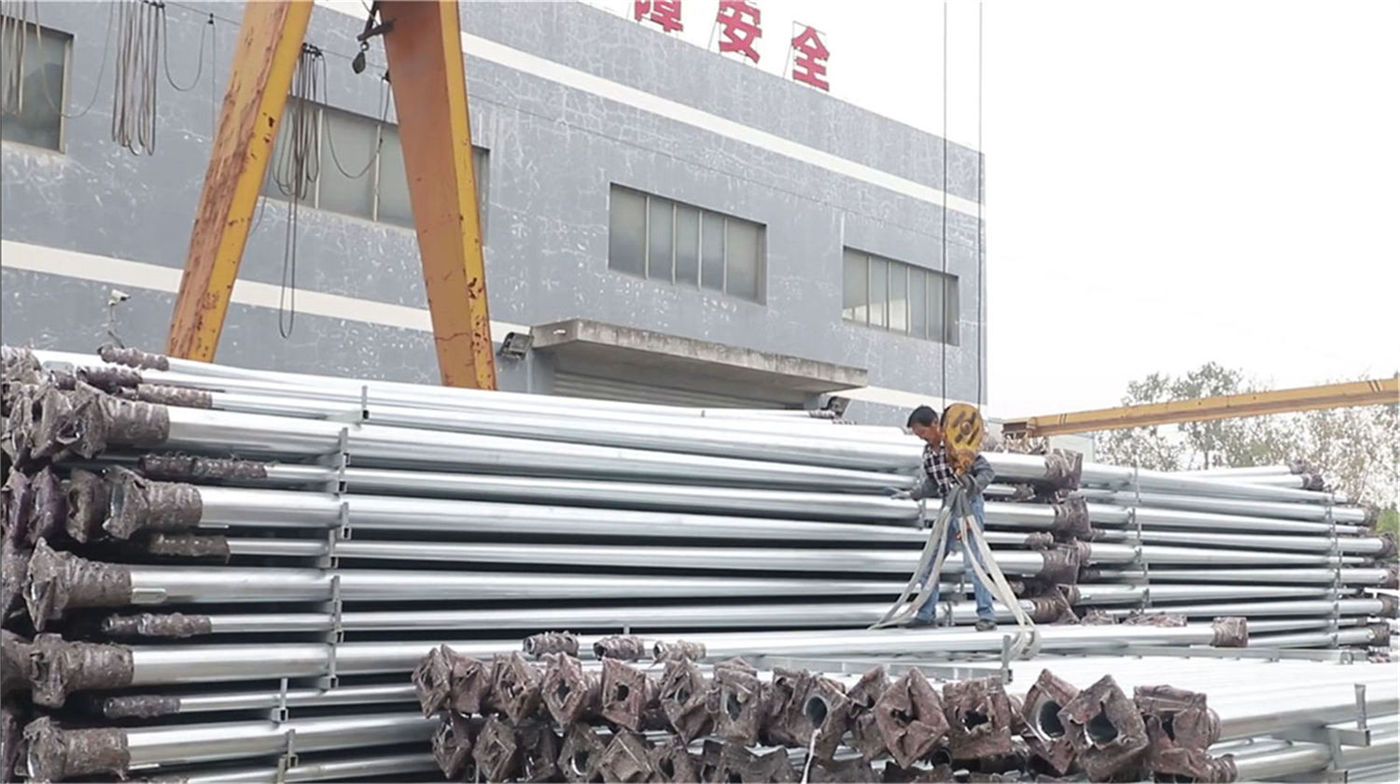
Our Yangzhou-based facility is a National High-Tech Enterprise, employing intelligent production systems to ensure E-E-A-T compliant reliability.


Our solar road lights are engineered for IoT compatibility, supporting NB-IoT and LoRa protocols for remote monitoring, dimming, and fault detection, essential for modern "Smart City" frameworks in Europe and North America.
High-lumen output (up to 200lm/W) ensures that critical junctions and high-speed corridors remain visible without the prohibitive costs of grid-tied electrical cabling.
Explosion-proof and heavy-duty designs tailored for harsh environments, ensuring 24/7 operational safety in remote mining sites in Africa and South America.
Providing cost-effective lighting for developing regions, supporting the UN Sustainable Development Goals (SDG 7) by delivering clean, affordable energy to off-grid communities.
Understanding regional nuances is where Gtron Solar adds "Information Gain" value for global B2B buyers.
Compliance with EN 13201 lighting standards and strict RoHS environmental regulations. Focus on aesthetics and minimal light pollution.
Specialized cooling fins and high-temperature resistant LiFePO4 battery packs designed to operate reliably in 50°C+ ambient heat.
Dual-chamber waterproofing and anti-corrosion fluorocarbon coatings to withstand extreme tropical monsoon seasons and high salinity.
Integration of AI algorithms into MPPT controllers to predict weather patterns and optimize battery discharge cycles, extending battery life by 25%.
Moving toward bifacial glass-on-glass solar modules for street lights, capturing reflected light from the road surface to increase charging efficiency by 15%.
Solar poles as the backbone of Vehicle-to-Everything (V2X) communication, housing 5G micro-base stations and EV charging points.