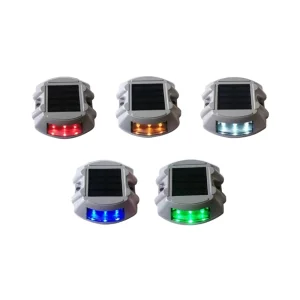
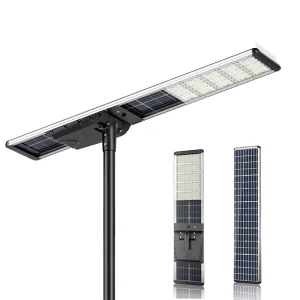
Global Strategic Solutions for High-Efficiency Renewable Illumination & Smart Infrastructure
Advanced Engineering for Commercial and Industrial Applications
A Premier High-Tech Enterprise in the Renewable Energy Landscape
Yangzhou Gtron Solar Co., Ltd. stands as a beacon of innovation in the global solar lighting industry. Strategically located in the Industrial Zone of Yangzhou, Jiangsu—China's lighting manufacturing hub—we have evolved from a specialized factory into a comprehensive solution provider for LED outdoor lighting and renewable energy systems. Since our inception over two decades ago, our mission has been clear: to integrate cutting-edge technology with sustainable practices to illuminate the world efficiently.
Our commitment to quality is backed by a state-of-the-art facility equipped with intelligent production systems. Our precision manufacturing arsenal includes:
Strategic Insights for Enterprise Buyers and Municipal Projects
The global shift toward "Net Zero" emissions has catalyzed a massive surge in demand for outdoor solar lighting. Enterprise procurement is no longer just about buying a lamp; it’s about energy ROI, carbon credit compliance, and smart city integration. In North America and Europe, the focus has shifted toward IoT-connected street lights that offer remote monitoring, while in emerging markets across Africa and SE Asia, the priority is ruggedness and decentralized power.
The next decade of solar lighting will be defined by three major technical pillars:
Transitioning from traditional lead-acid to LiFePO4 (Lithium Iron Phosphate) batteries, offering 2000+ cycles and superior thermal stability even in extreme desert climates.
Integration of MPPT (Maximum Power Point Tracking) controllers with AI-driven dimming profiles that adjust brightness based on real-time weather data and pedestrian traffic.
Leveraging high-efficiency SMD5050 and 3030 LED chips to achieve over 200lm/W, ensuring maximum illumination with minimum battery drain.
Navigating global trade requires strict adherence to regional standards. Yangzhou Gtron Solar ensures all products meet CE, RoHS, CCC, and local grid requirements. We provide localization support including tailored wind-load calculations for coastal regions and specialized CCT (Correlated Color Temperature) adjustments for European architectural heritage zones.
From Raw Materials to High-Performance Finished Products
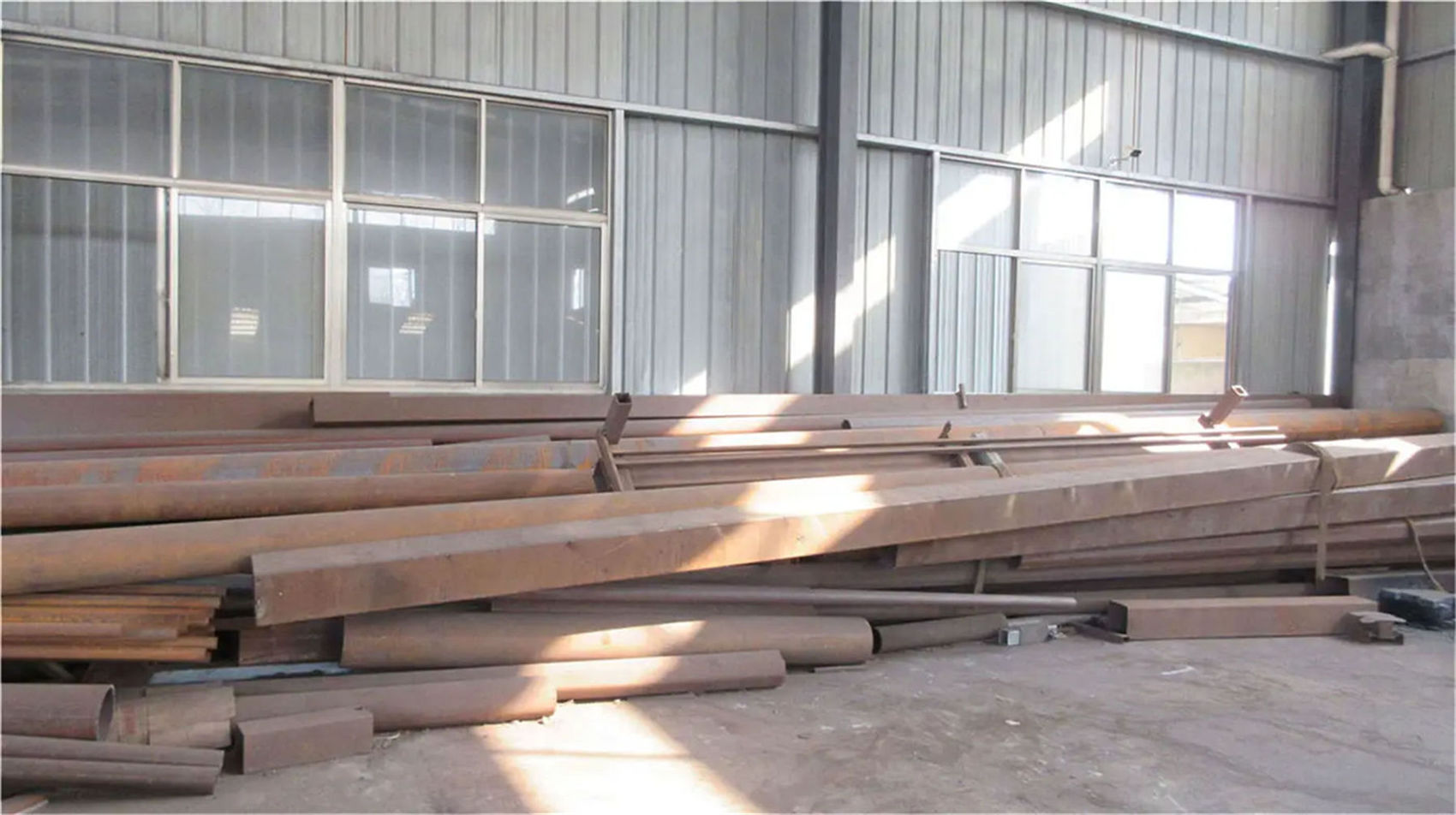
Raw Materials
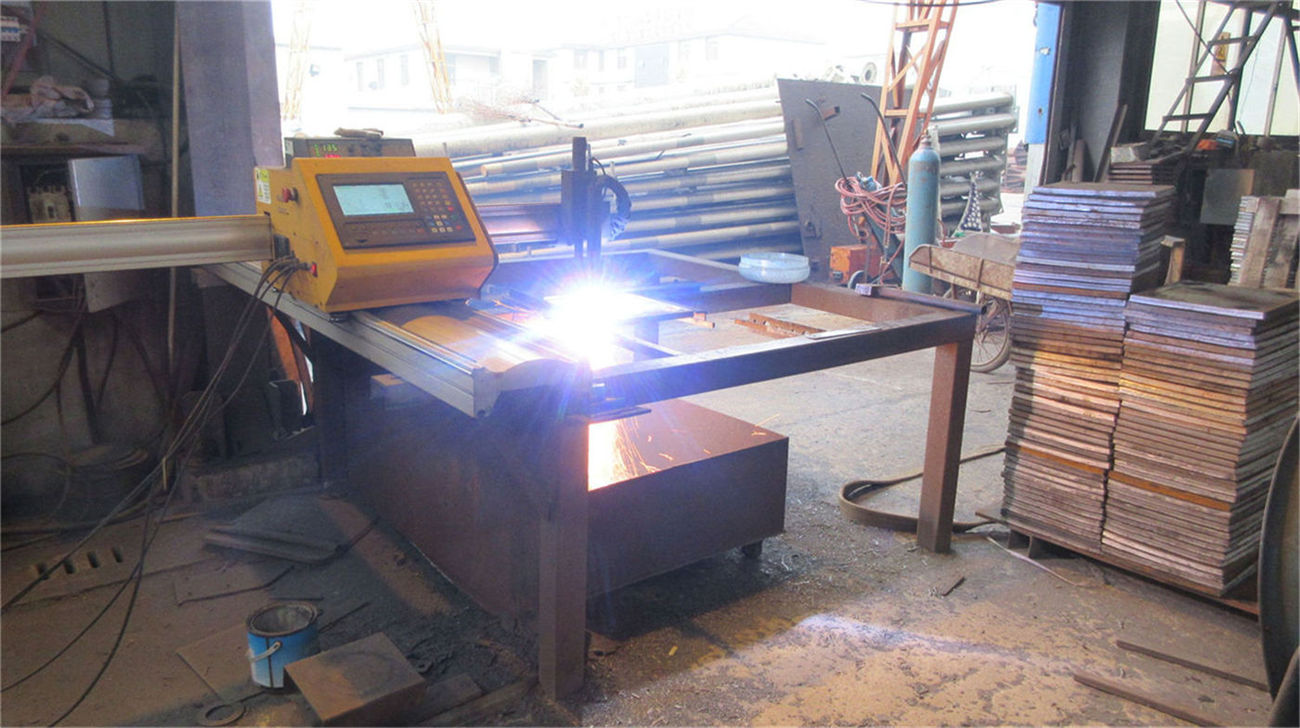
Cutting
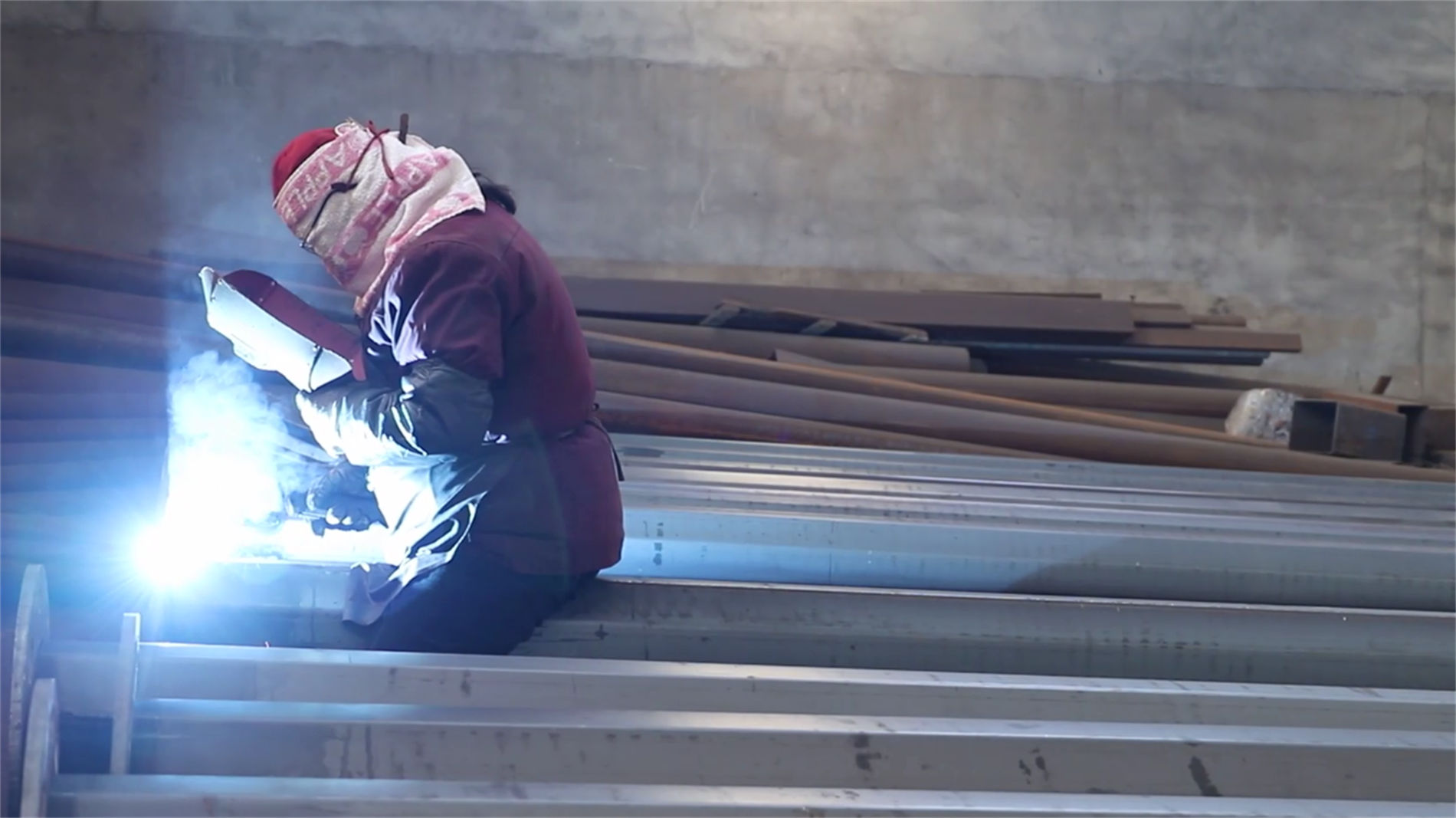
Welding
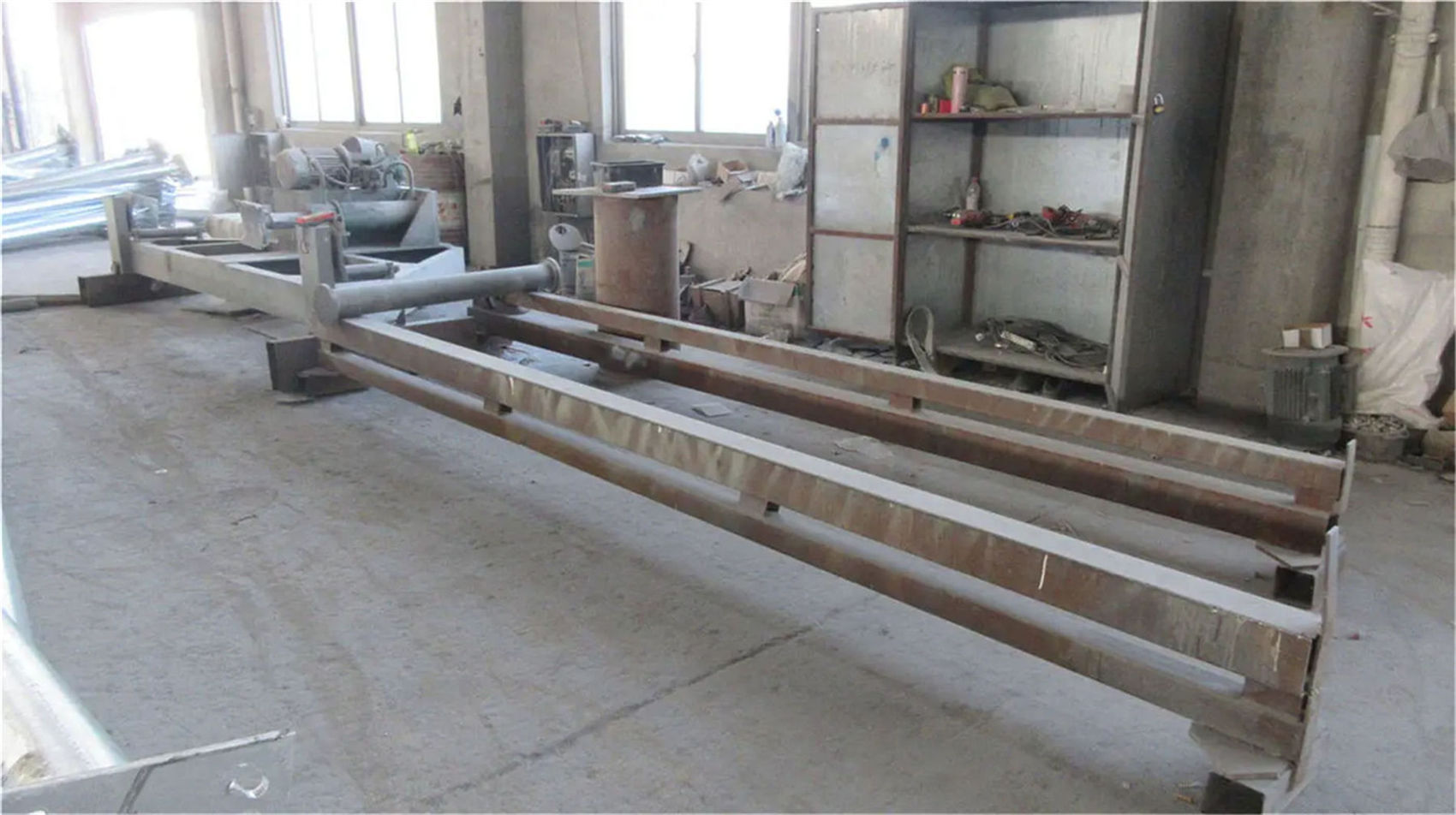
Straightening
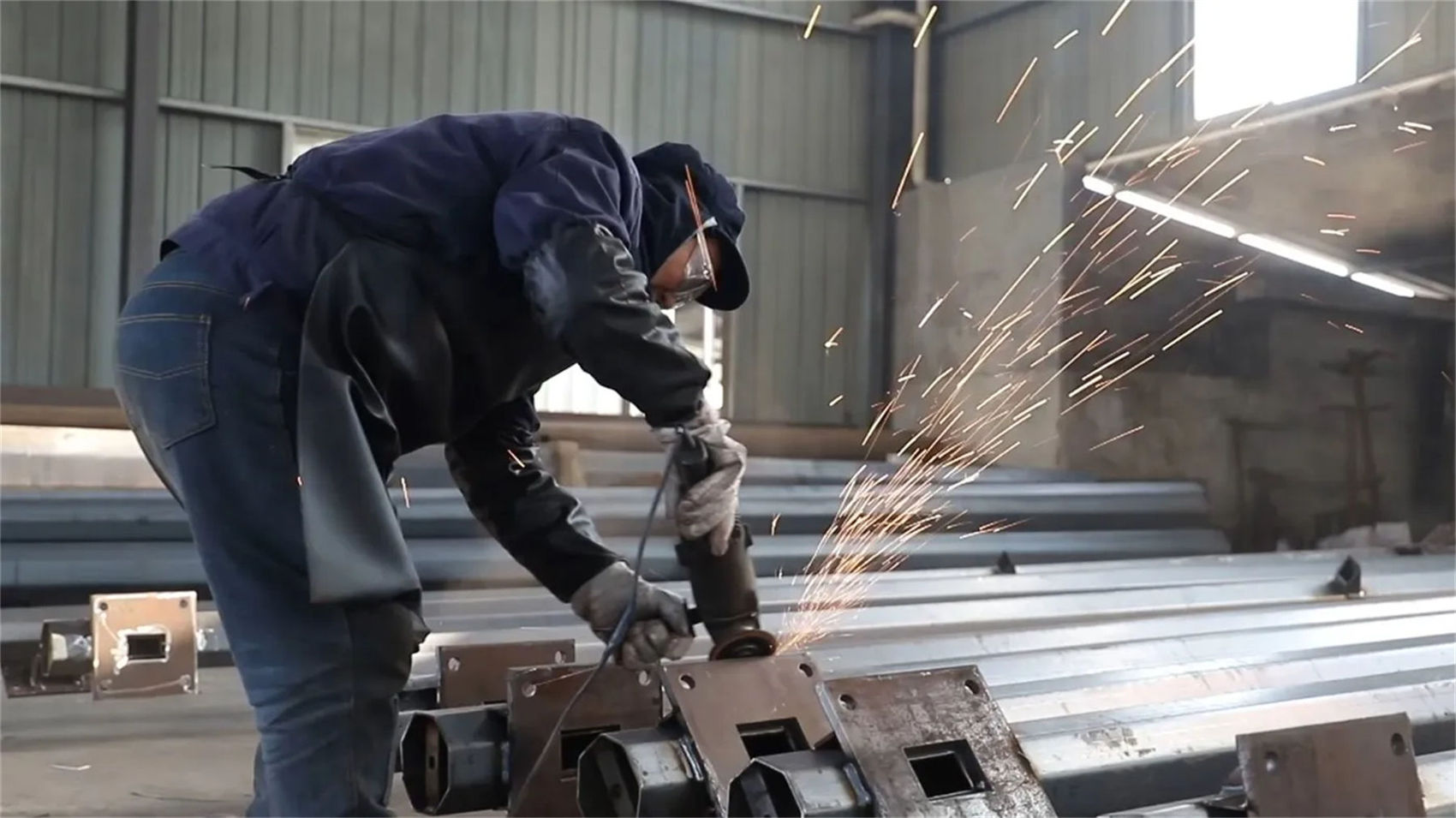
Polishing
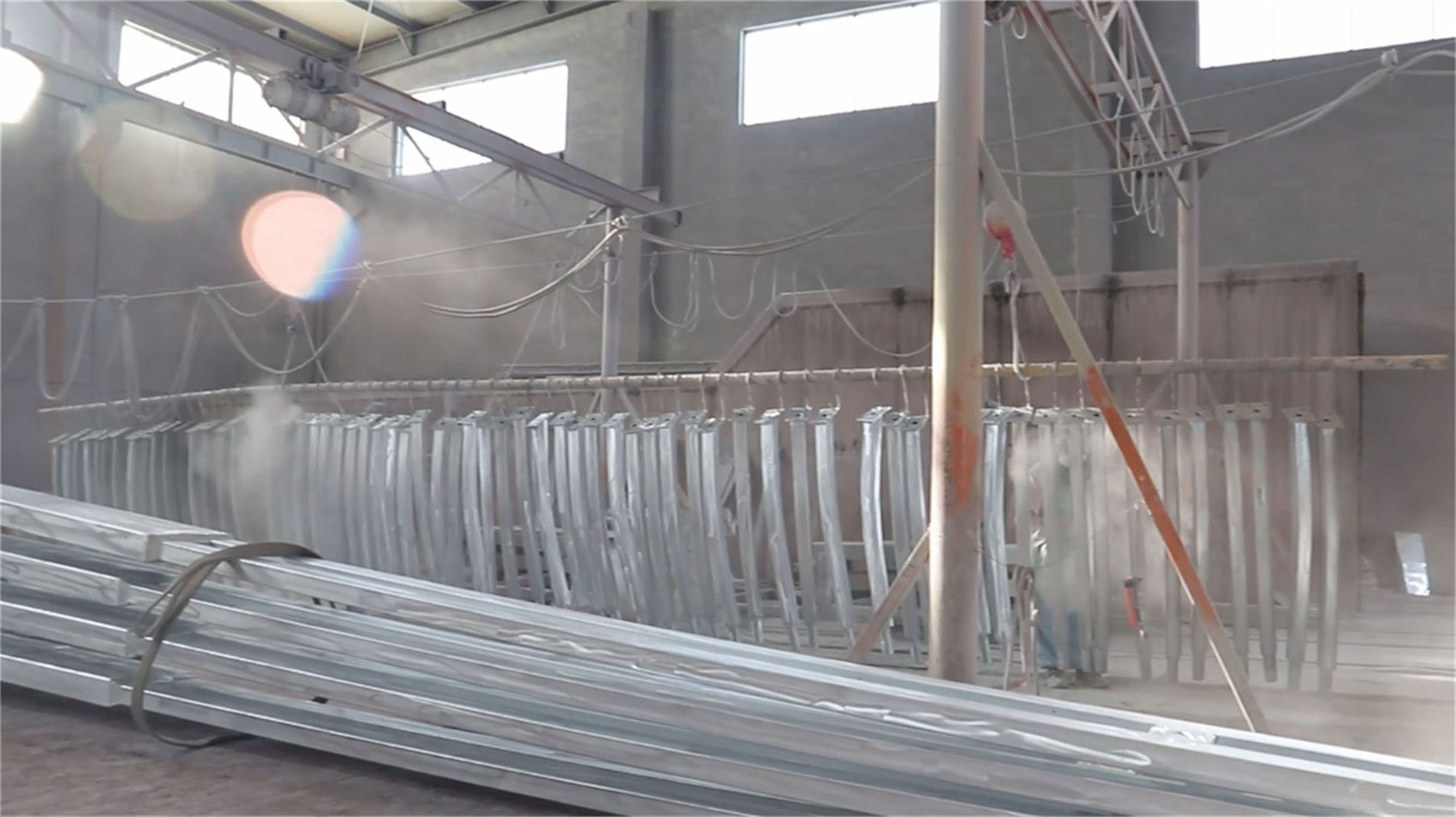
Spraying
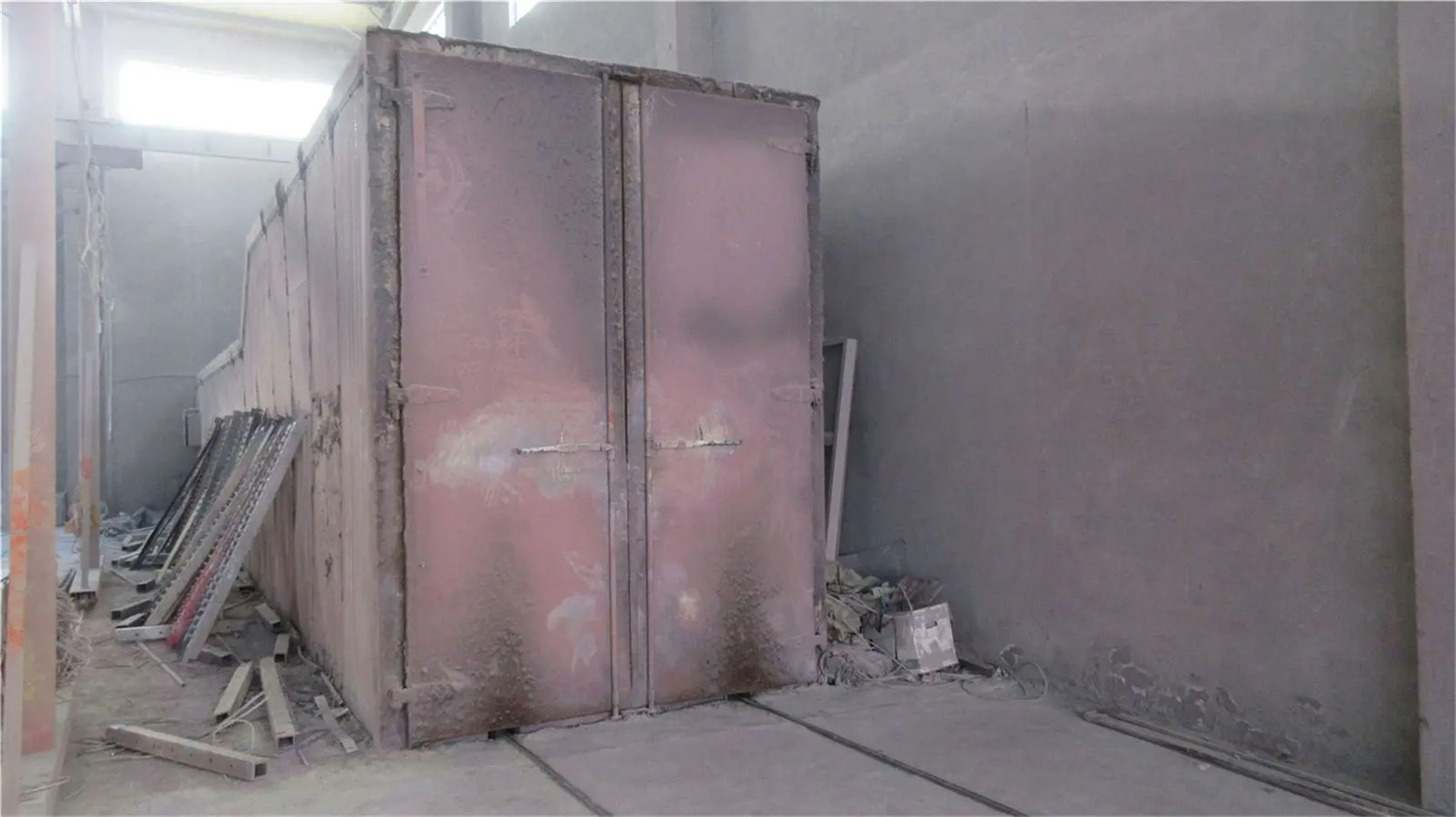
Drying
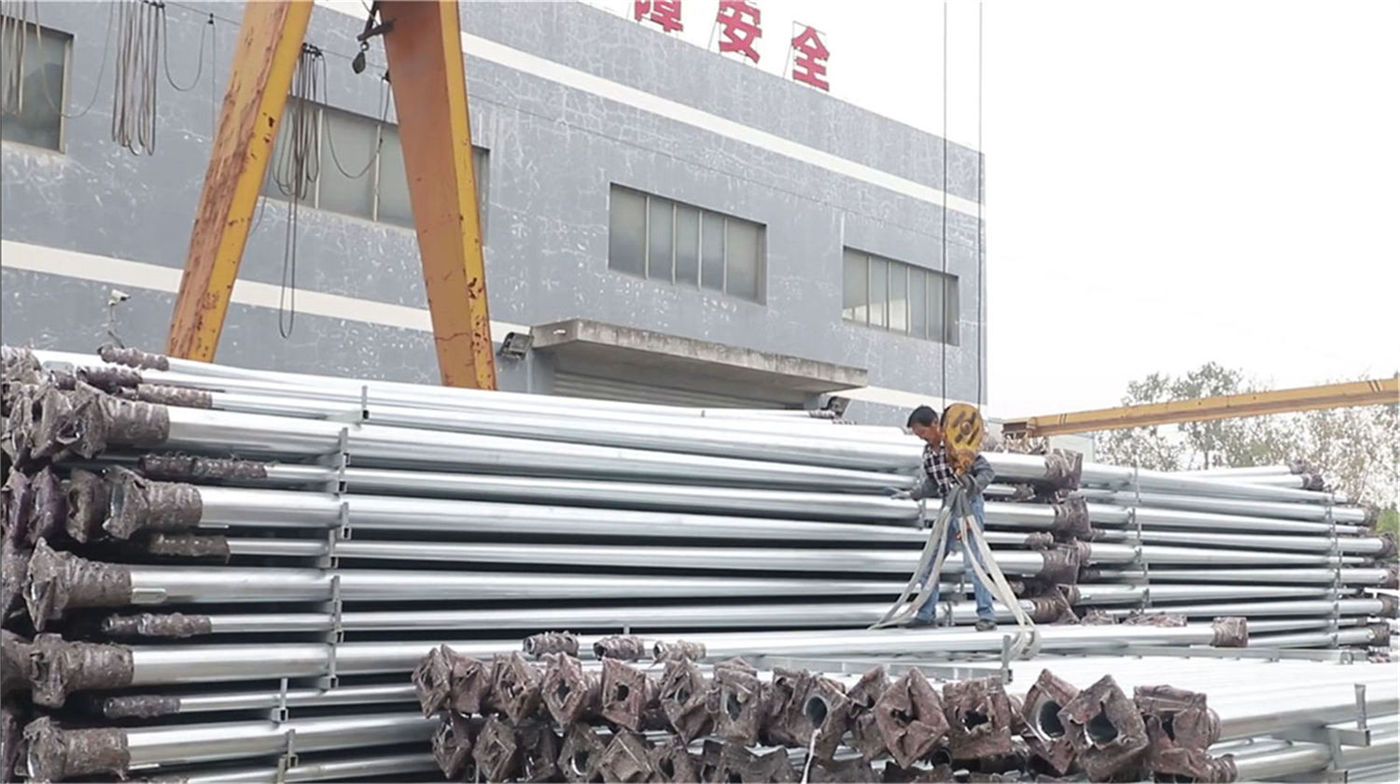
Finished Products
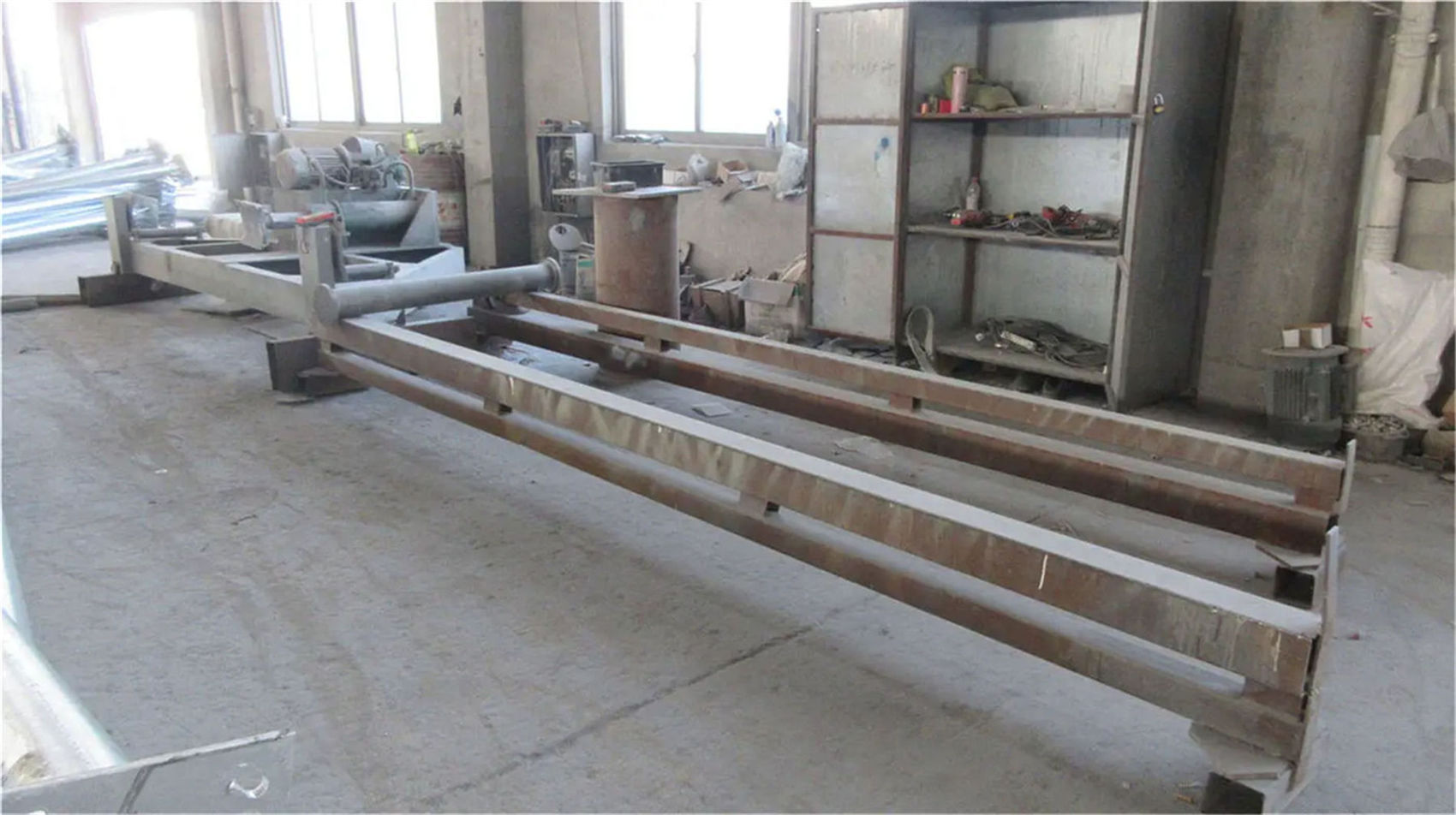
Straightening Machine
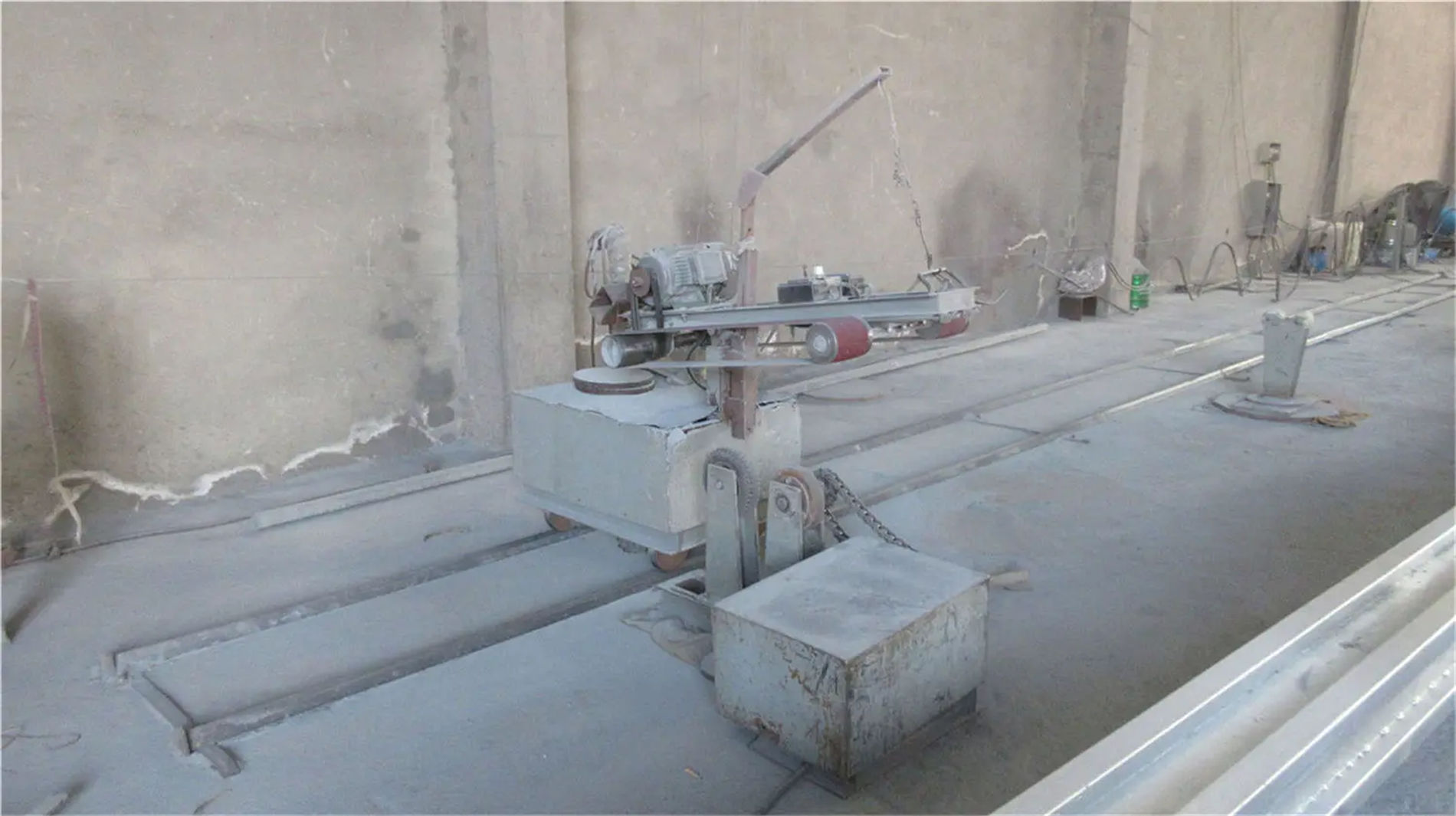
Polishing Machine
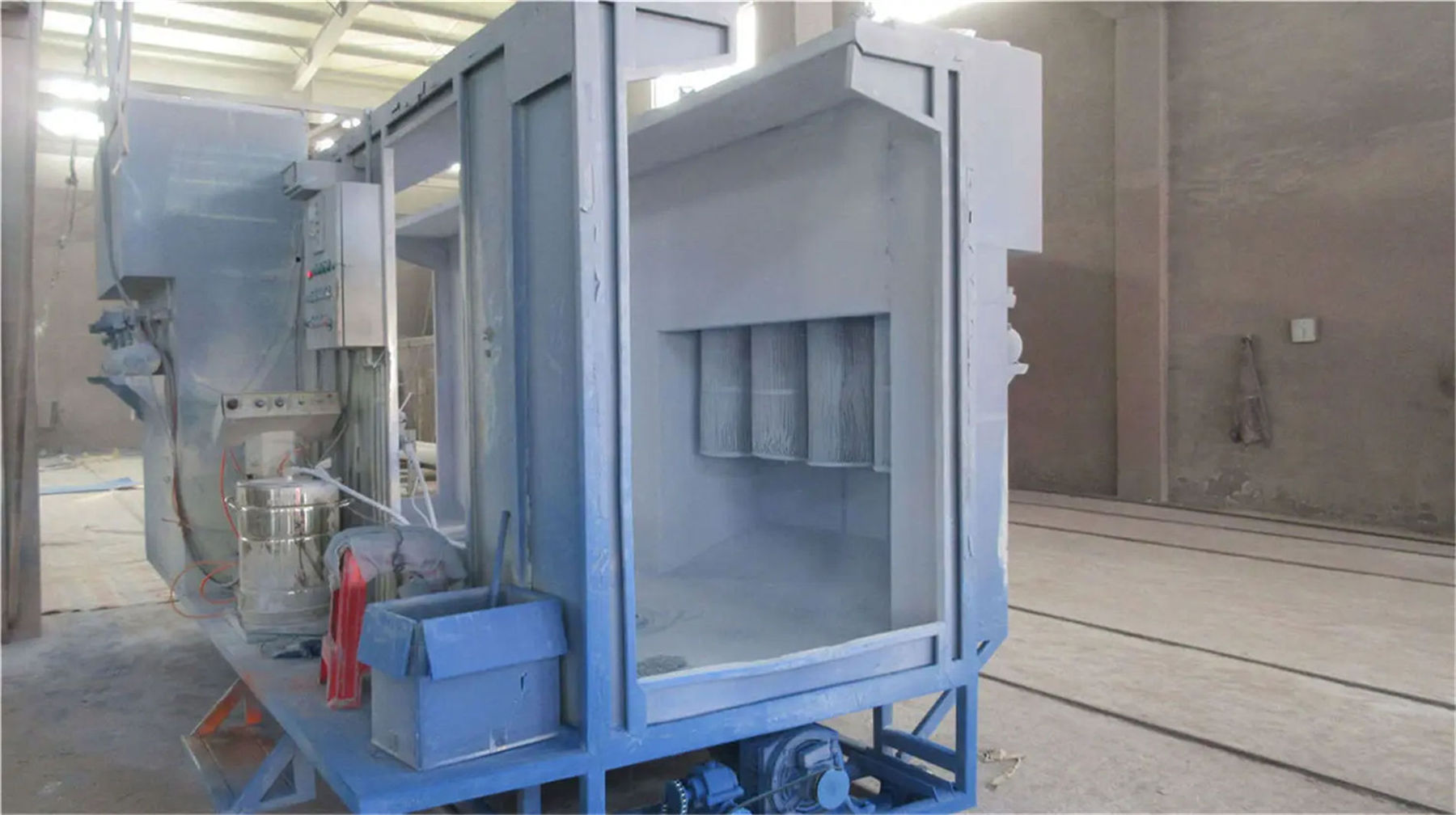
Paint Spraying Machine
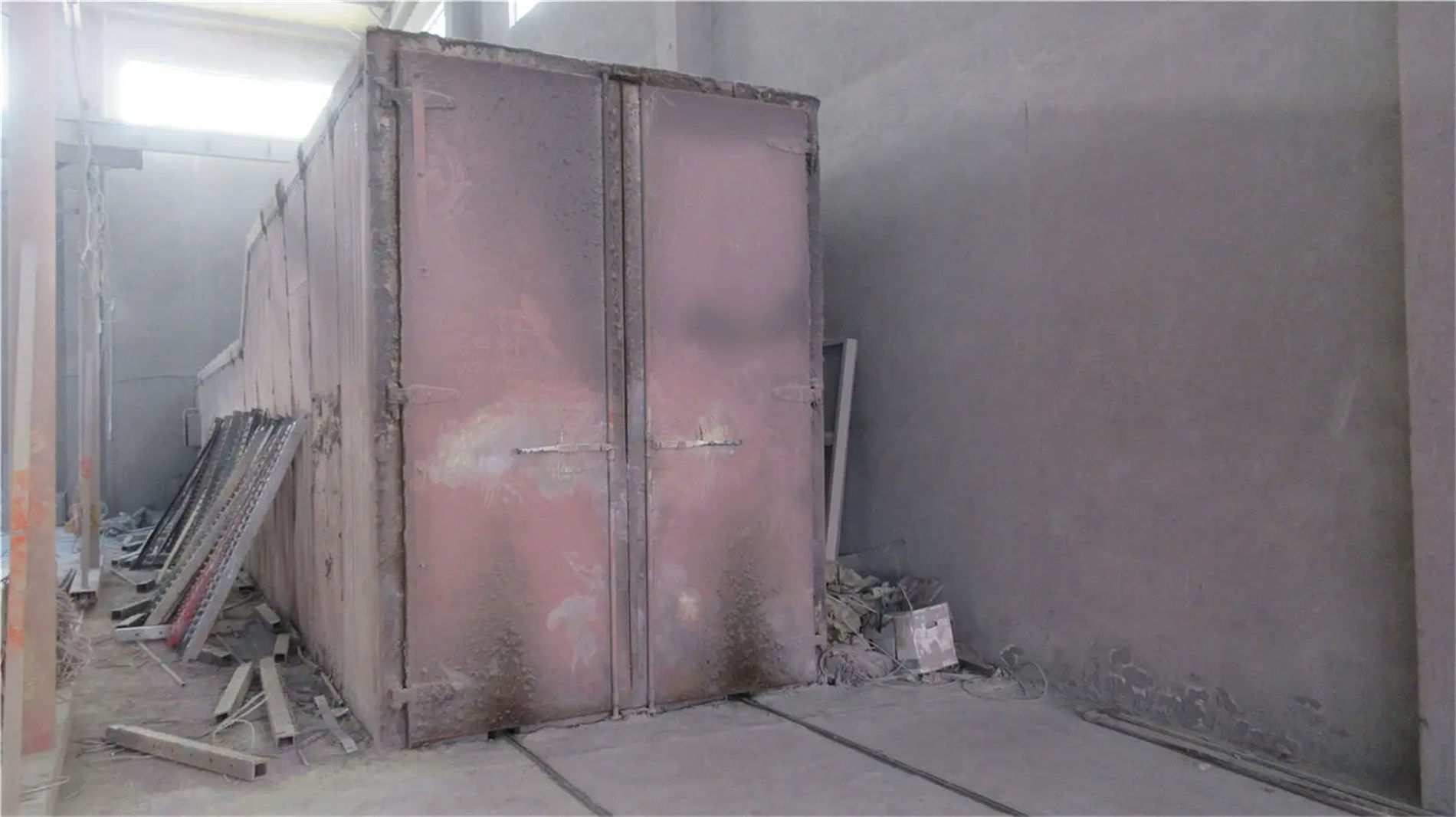
Drying Room
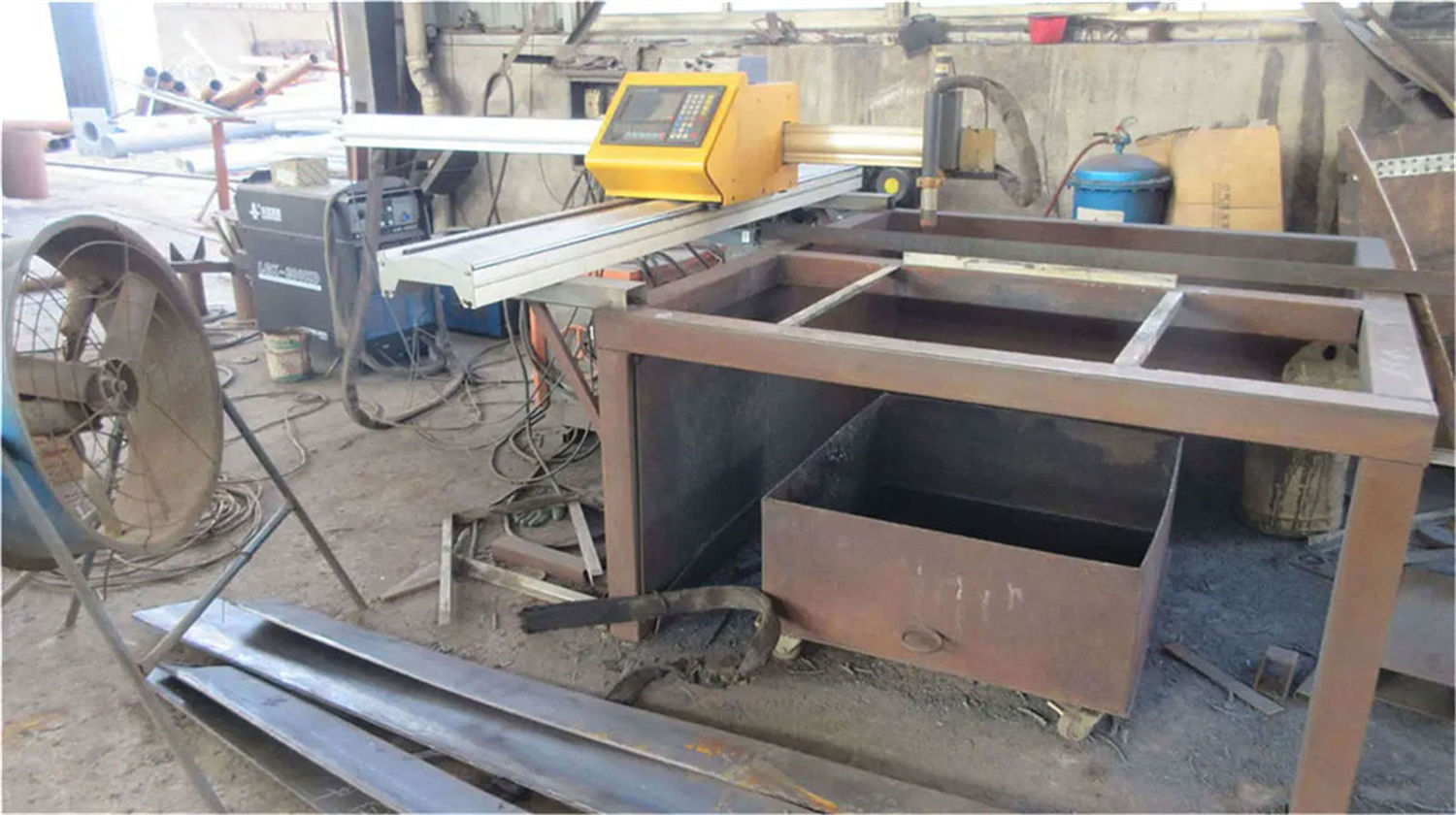
Cutting Machine
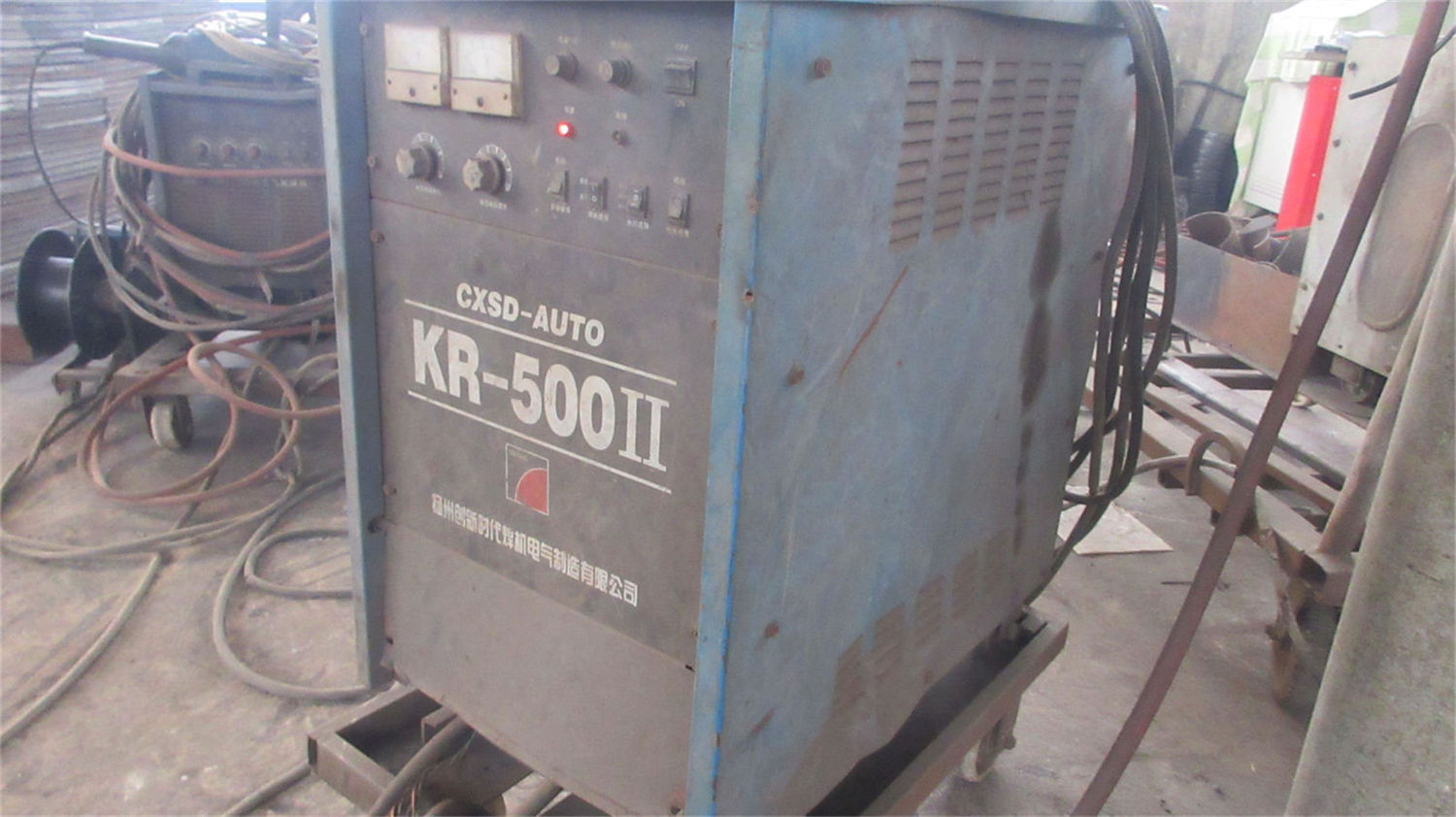
Welding Machine
Addressing Technical Concerns for Large-Scale Deployments
Exploring the Versatility of Gtron Solar Technology