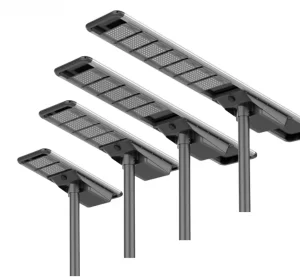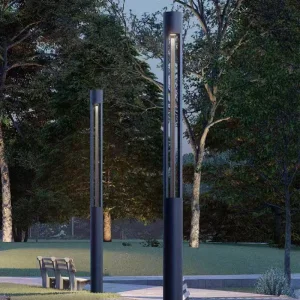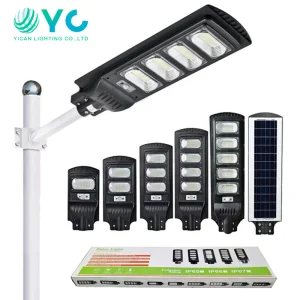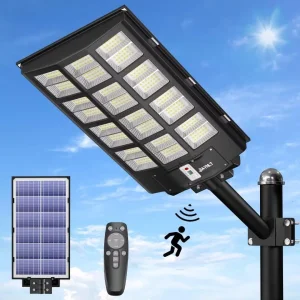
In the context of the global transition towards sustainable infrastructure and Net-Zero carbon emissions, the commercial and industrial (C&I) sectors are experiencing an unprecedented integration of decentralized photovoltaic technology. As a key segment of this transformation, modern solar lantern and luminaire technologies have moved beyond basic functional hardware to become intelligent, network-integrated sub-systems. Driven by advancements in wide-bandgap semiconductors, solid-state lighting (SSL), and localized energy storage, high-efficiency solar lanterns and smart streetlights now form the backbone of off-grid lighting solutions worldwide.
China's dominance in the solar manufacturing landscape goes beyond primary wafer production to encompass downstream integration of intelligent solar lanterns, architectural solar lights, and utility-scale solar post solutions. Yangzhou, recognized as a global production hub for outdoor lighting systems, leads the development of smart municipal light poles and integrated photovoltaic arrays. High-performance solar lanterns produced here are engineered to withstand extreme climates—from high humidity coastal areas in Southeast Asia to sub-zero temperatures in Northern Europe and dry climates in the Middle East.
As urban developments prioritize smart city frameworks, modern outdoor solar lantern architectures integrate motion sensors, ambient light monitors, and automated battery management systems (BMS). By utilizing monocrystalline silicon photovoltaic cells with conversion efficiencies exceeding 22% alongside high-capacity Lithium Iron Phosphate (LiFePO4) battery packs, modern systems ensure stable illumination even through extended overcast periods.
To evaluate high-quality solar lantern infrastructure, engineers and commercial buyers assess several technical components:
Modern commercial solar lanterns feature built-in or split monocrystalline silicon solar cells. Monocrystalline modules maintain a low temperature coefficient, minimizing efficiency losses in hot desert environments. Integrating Passivated Transmitter and Rear Cell (PERC) technology allows these panels to harvest diffuse solar radiation under low-light conditions, ensuring optimal energy capture during overcast days.
Unlike older lead-acid or nickel-cadmium batteries, Lithium Iron Phosphate (LiFePO4) chemistry offers superior performance for outdoor lighting. Providing a Depth of Discharge (DoD) of up to 90%, a wide operating temperature range (-20°C to +65°C), and a lifespan exceeding 3,000 charge cycles, these batteries ensure continuous performance throughout long-term operations.
Maximum Power Point Tracking (MPPT) controllers convert up to 98% of generated solar energy into battery storage. Incorporating Pulse Width Modulation (PWM) and smart dimming profiles, the system dynamically adjusts LED output based on remaining battery capacity and ambient light levels, guaranteeing multiple nights of backup illumination.
Yangzhou Gtron Solar Co., Ltd. is a professional manufacturer and solution provider specializing in solar lighting systems, LED outdoor lighting, and renewable energy products. Located in the Industrial Zone of Yangzhou City, Jiangsu Province, China, the company has been dedicated to the research, development, production, and export of high-quality lighting products since its establishment.
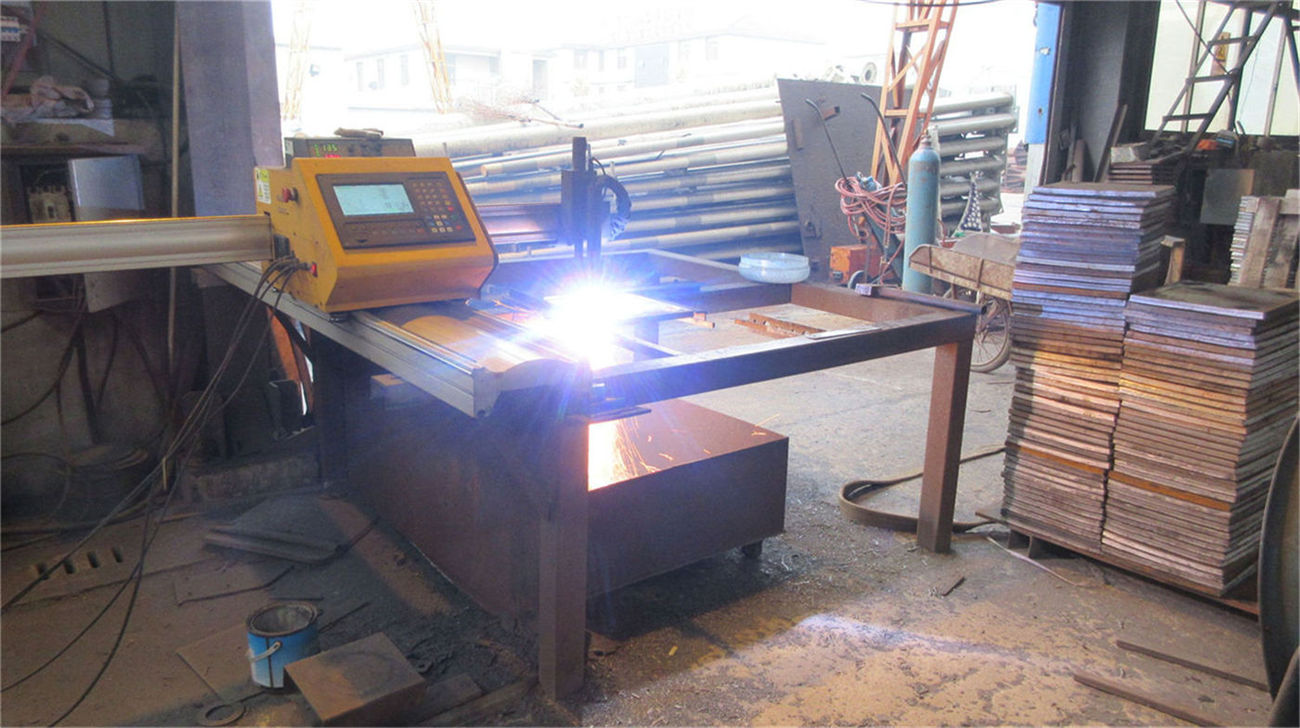
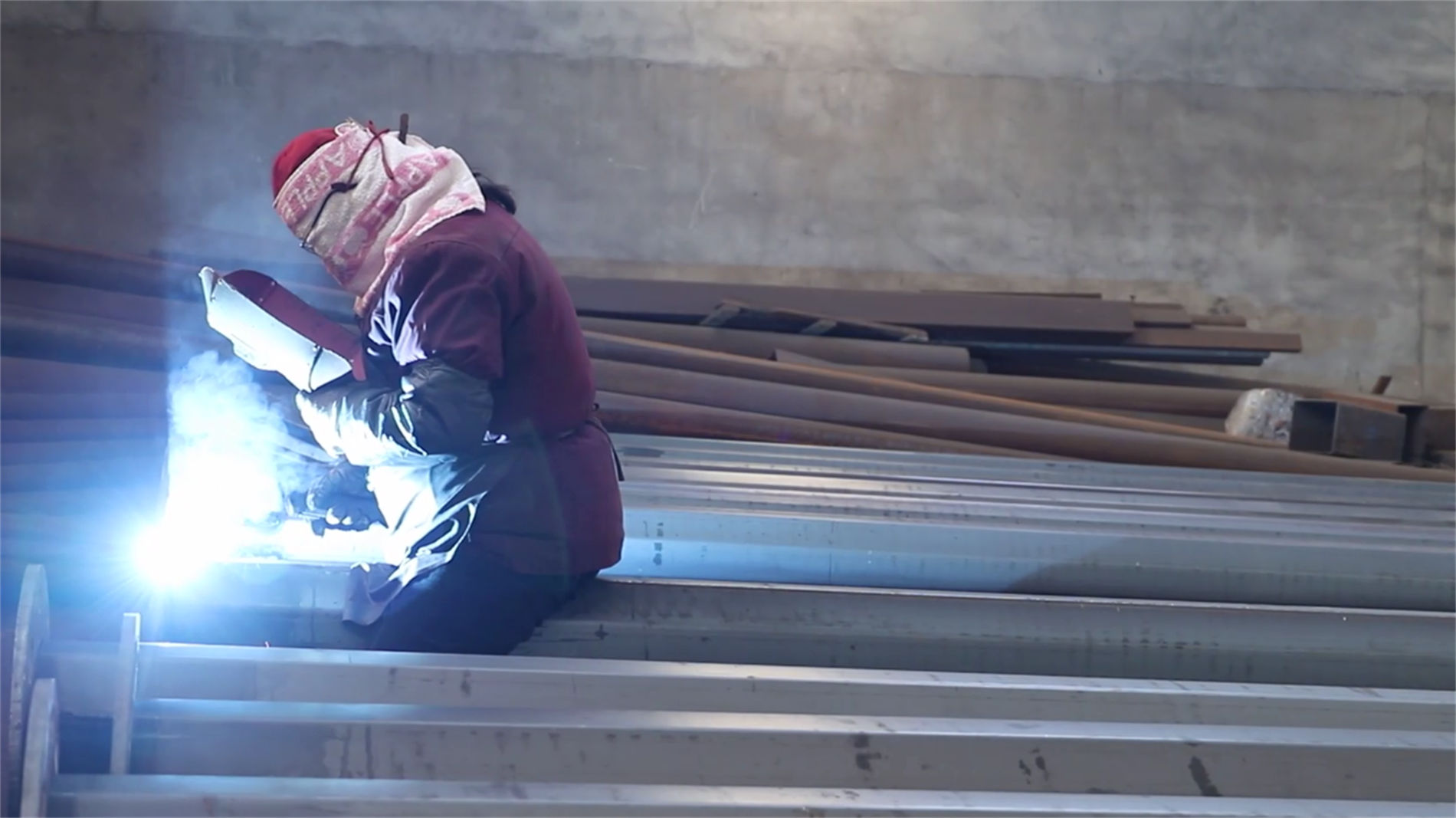
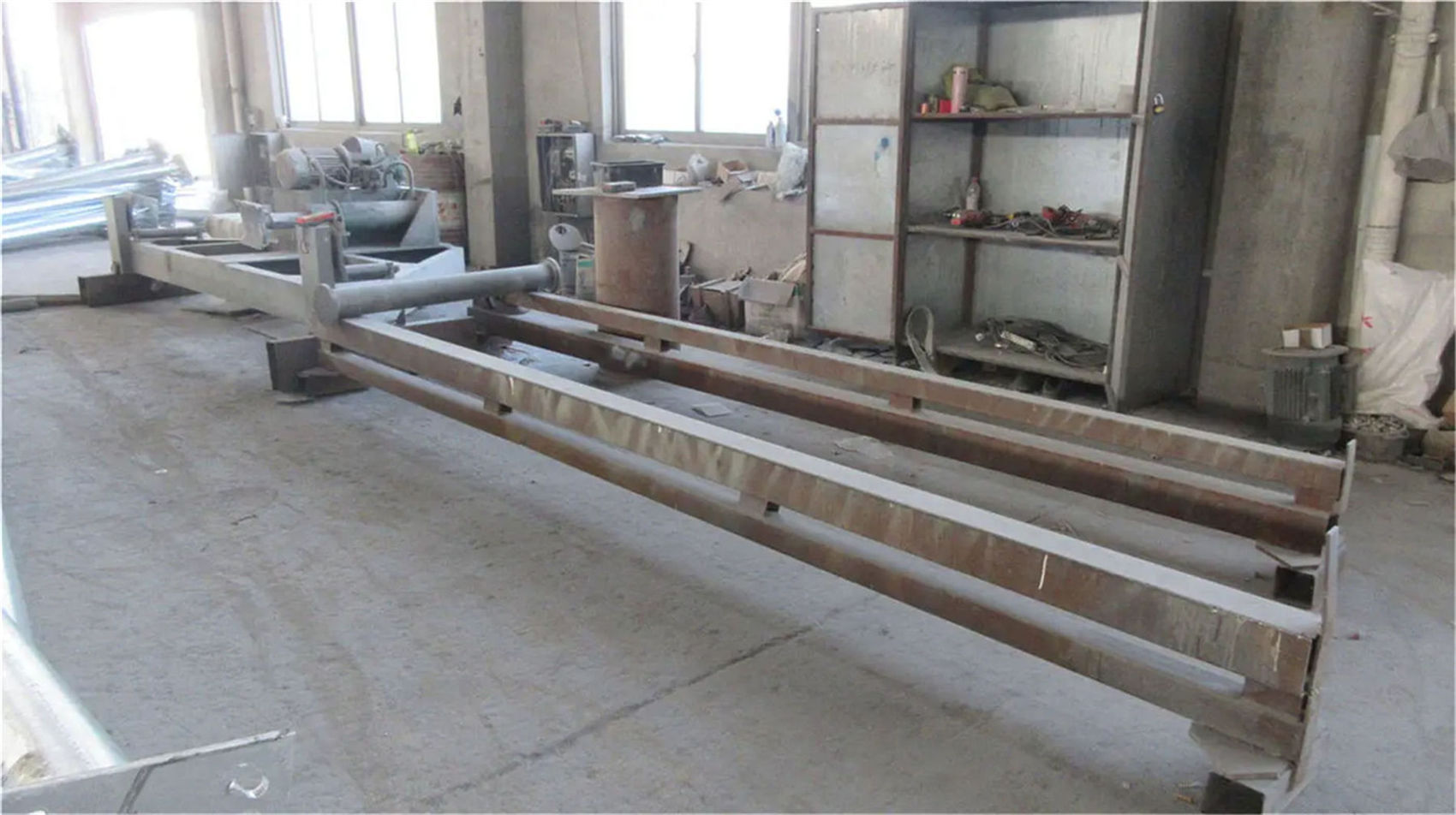
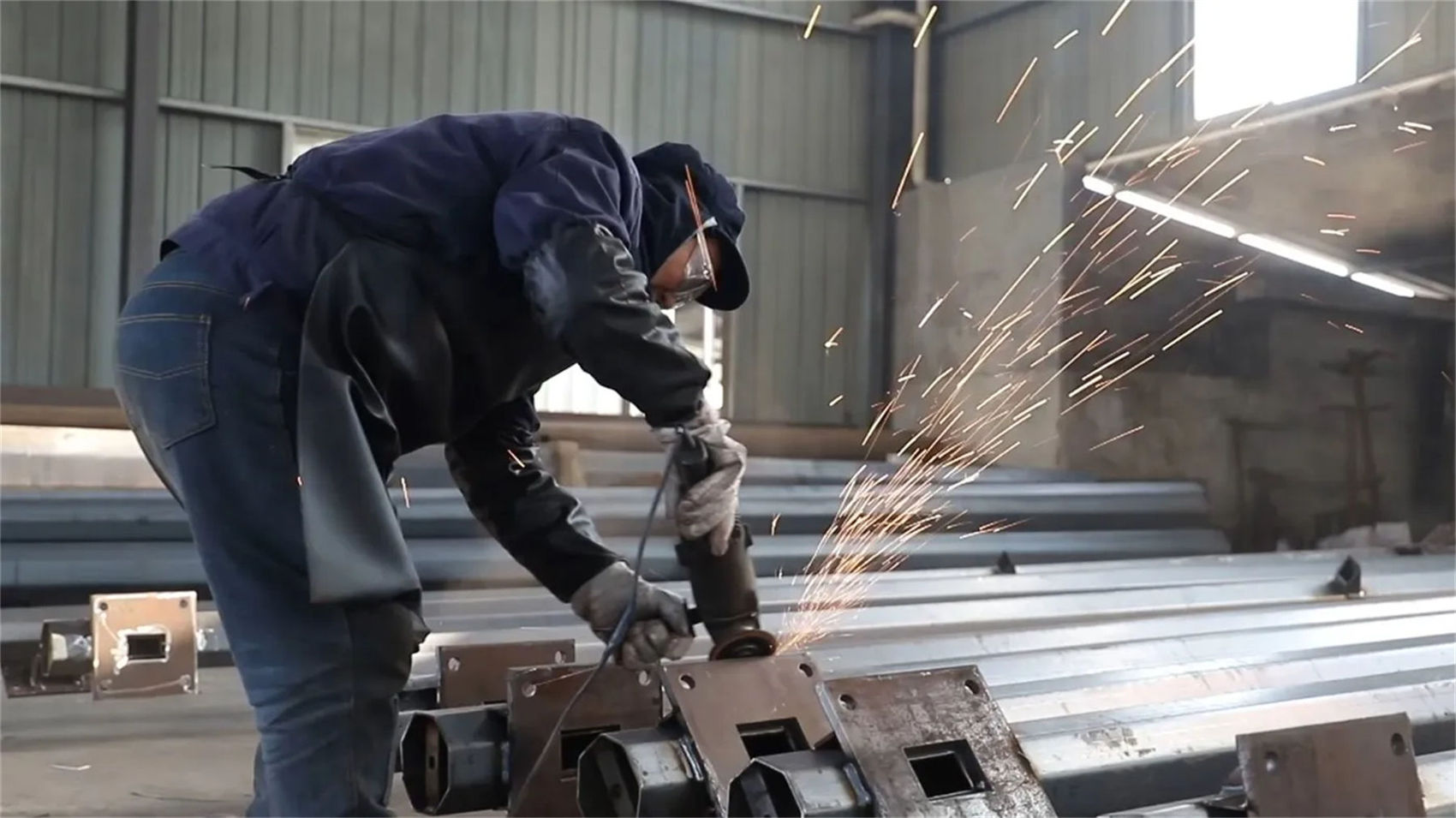
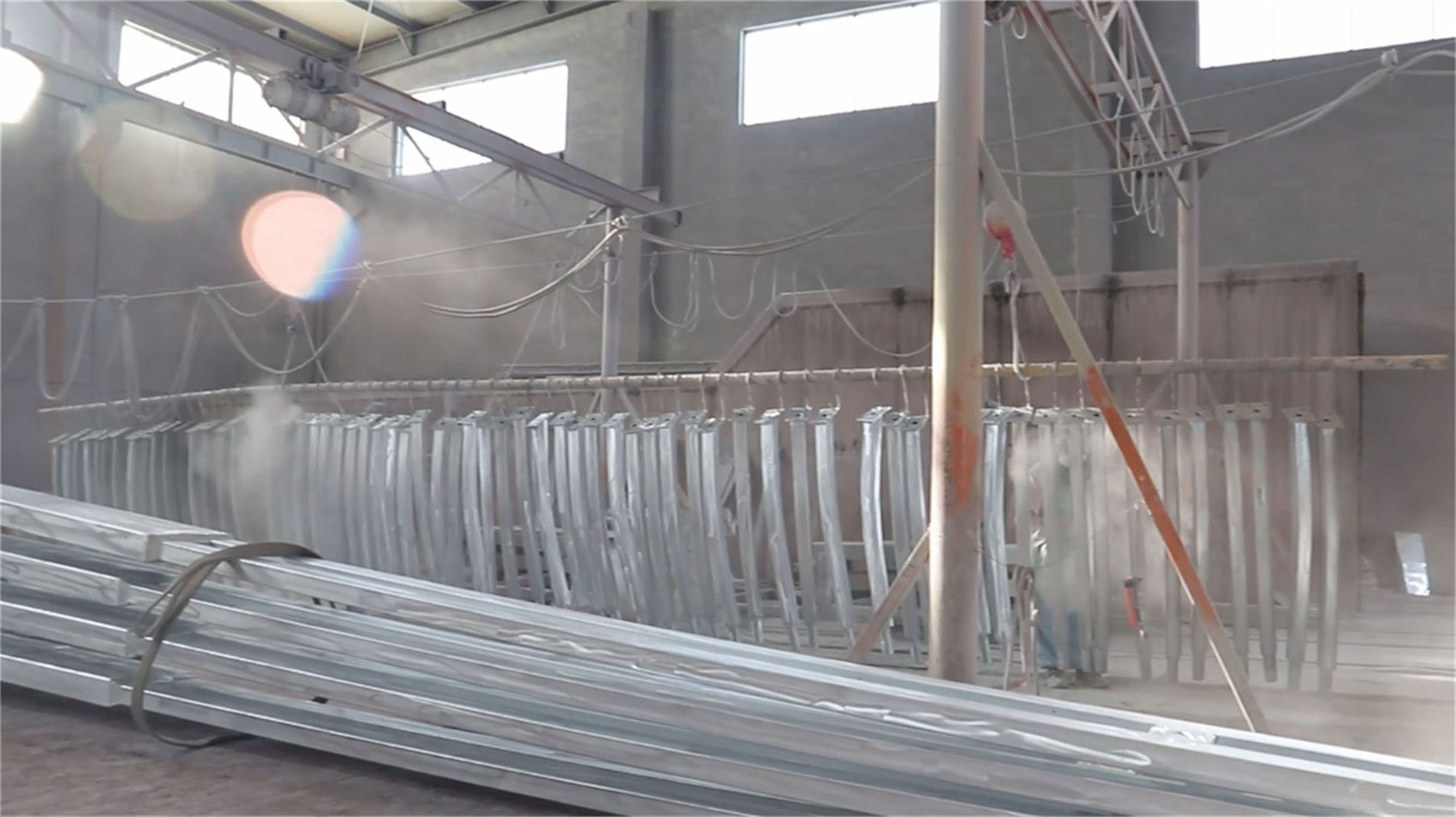
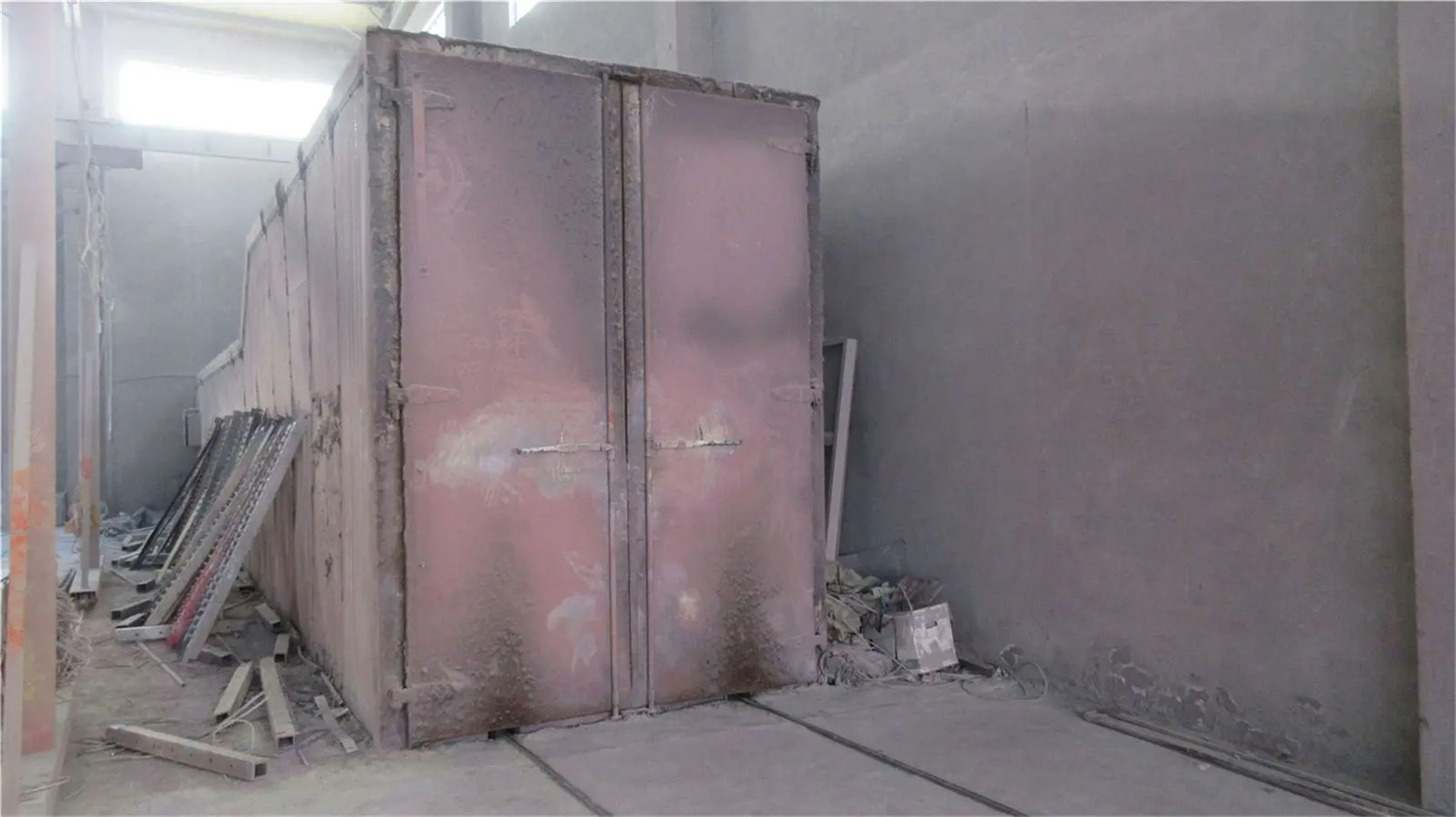
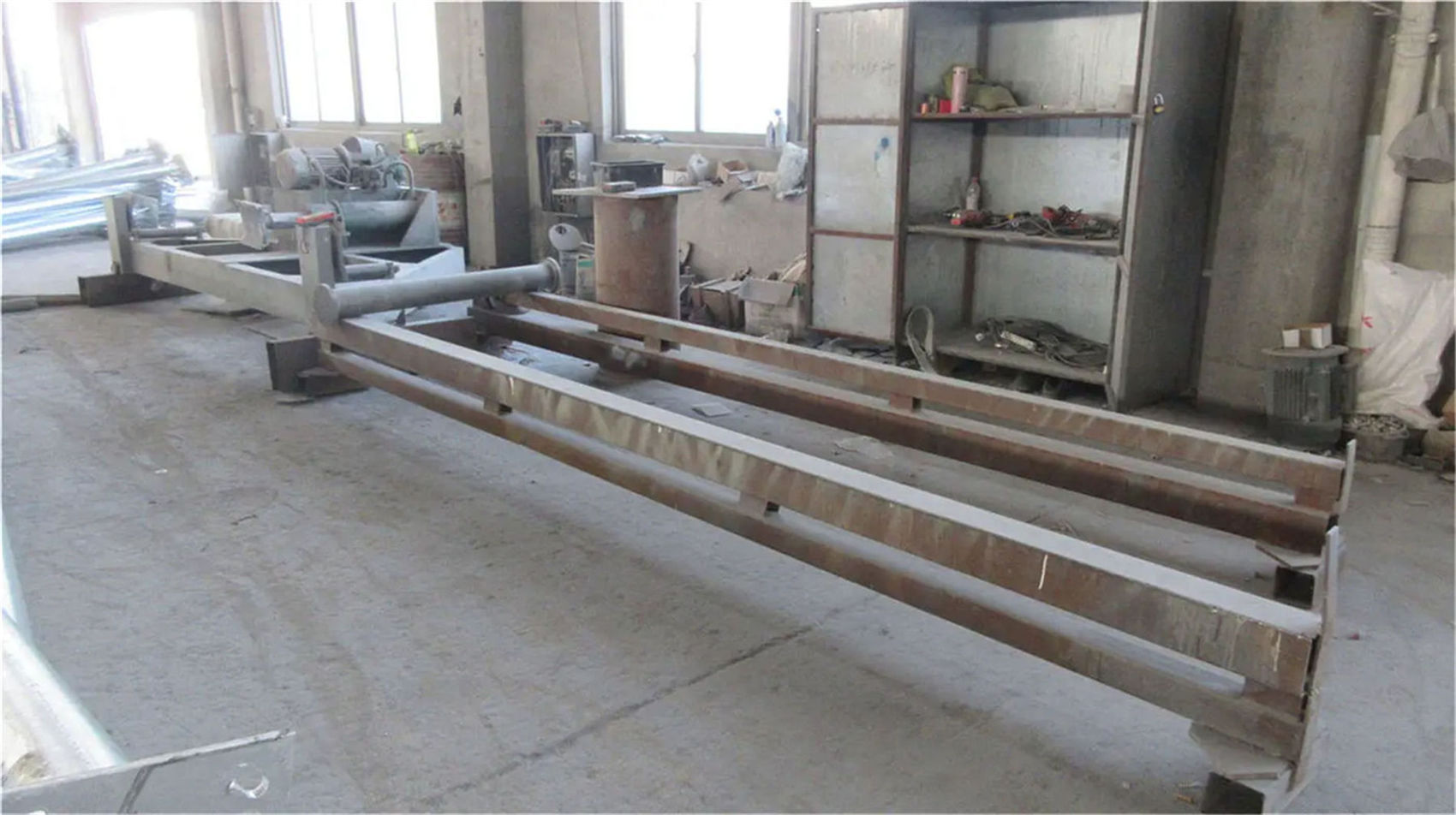
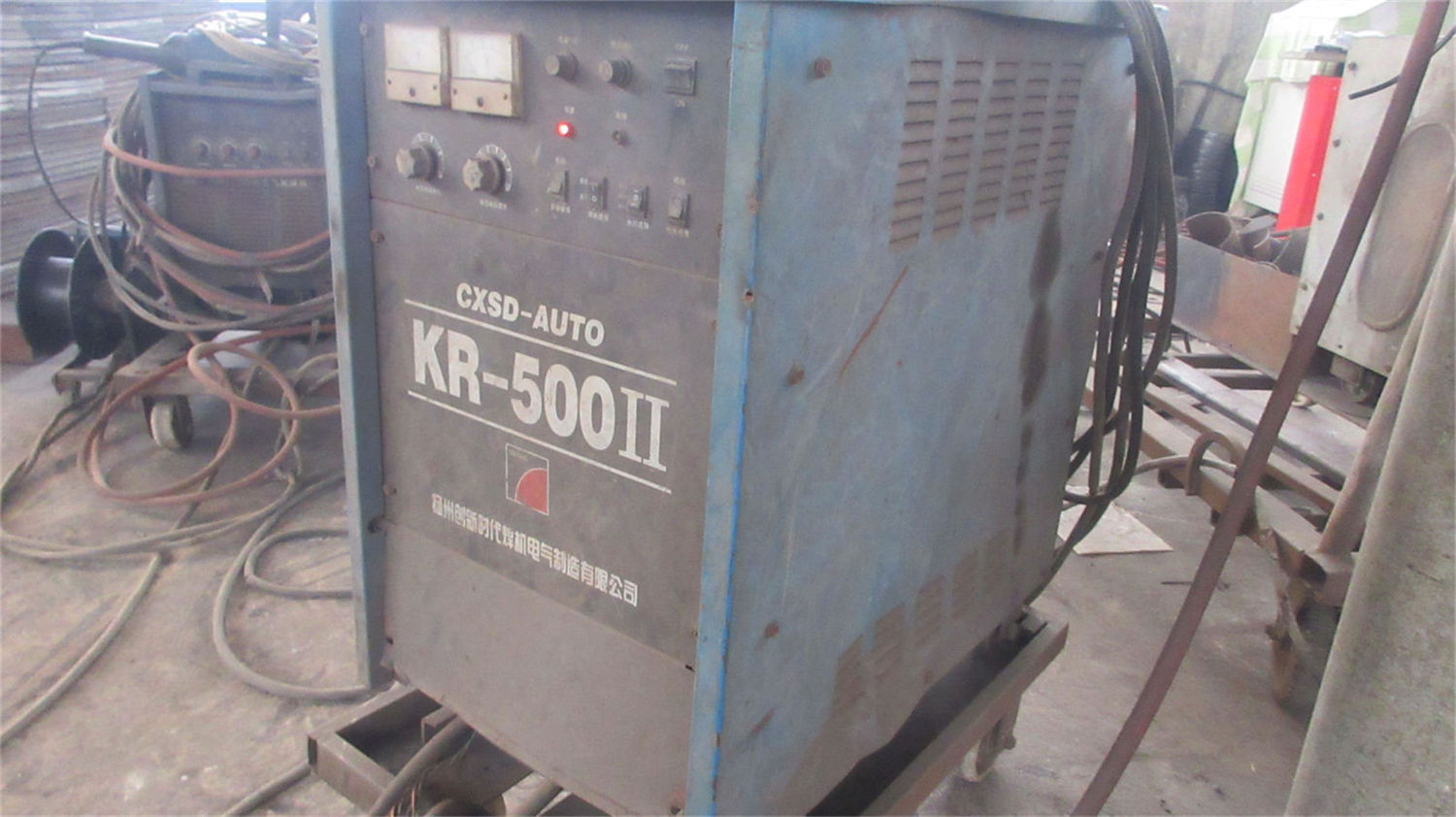
Over the past 20 years, Gtron Solar has grown into a modern high-tech enterprise equipped with advanced manufacturing facilities and intelligent production systems. Our factory is equipped with large CNC bending machines, high-speed longitudinal shearing machines, automatic submerged arc welding equipment, laser cutting machines, electrostatic powder coating lines, fluorocarbon paint spraying workshops, and various automated testing instruments, ensuring precision manufacturing and consistent product quality.
To meet the growing global demand for sustainable lighting solutions, Gtron Solar has established multiple specialized production lines, including:
As a National High-Tech Enterprise, Gtron Solar possesses strong technical capabilities and comprehensive project experience. The company has obtained ISO 9001 Quality Management System Certification, ISO 14001 Environmental Management System Certification, CE Certification, RoHS Compliance Certification, CCC Certification, and various product testing reports recognized by international markets.
Innovation is at the core of our development strategy. Supported by an experienced R&D team, we continuously develop energy-efficient, intelligent, and environmentally friendly lighting solutions. Our products are widely applied in urban roads, highways, residential communities, industrial parks, commercial areas, airports, ports, and municipal infrastructure projects.
Today, Gtron Solar products have been exported to more than 80 countries and regions across Asia, Africa, the Middle East, Europe, South America, and Oceania. We have established long-term partnerships with distributors, contractors, government agencies, and engineering companies worldwide.
Guided by the principles of innovation, quality, sustainability, and customer satisfaction, Yangzhou Gtron Solar Co., Ltd. remains committed to delivering reliable products, professional technical support, and comprehensive project solutions to customers around the globe.
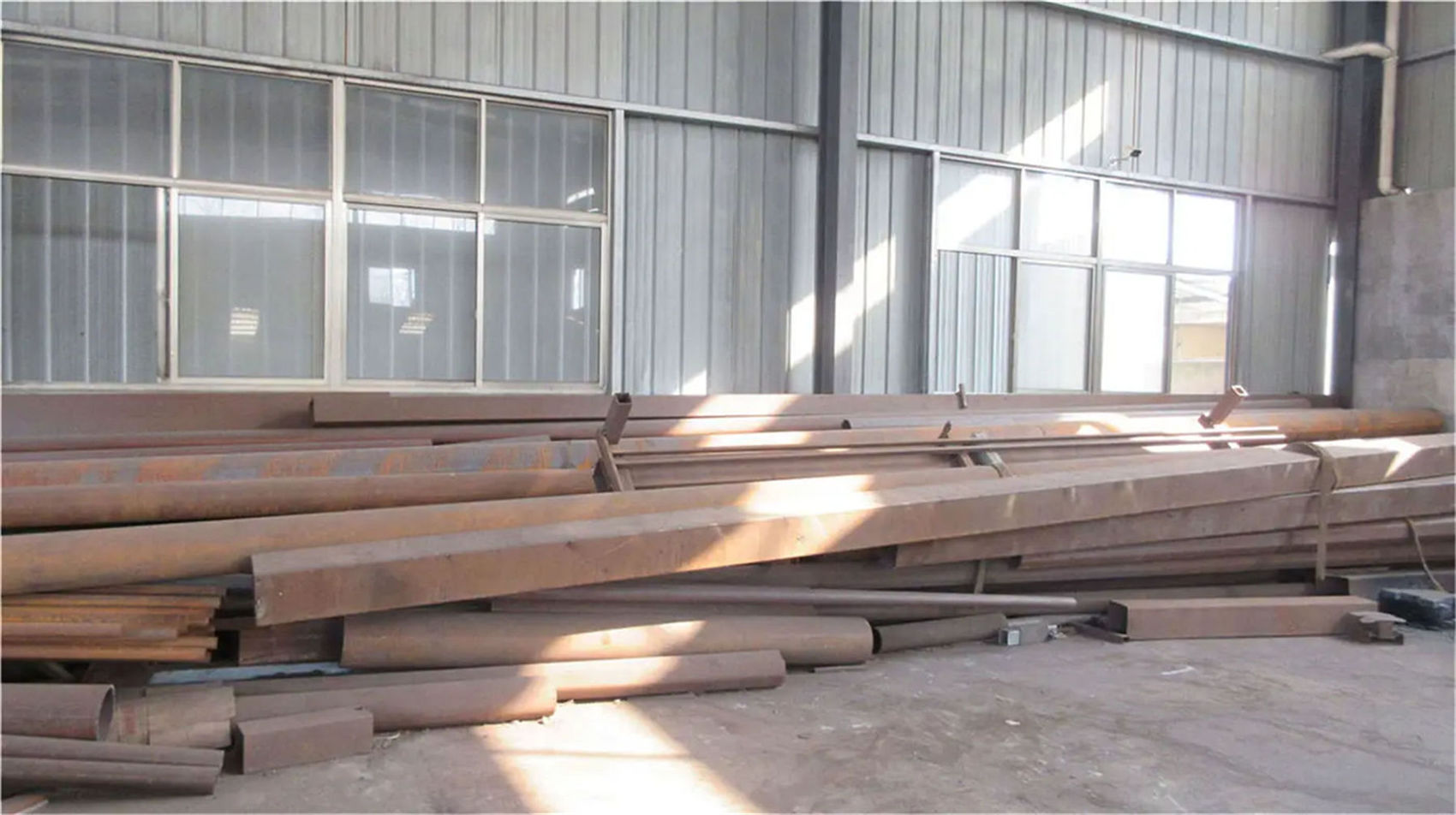
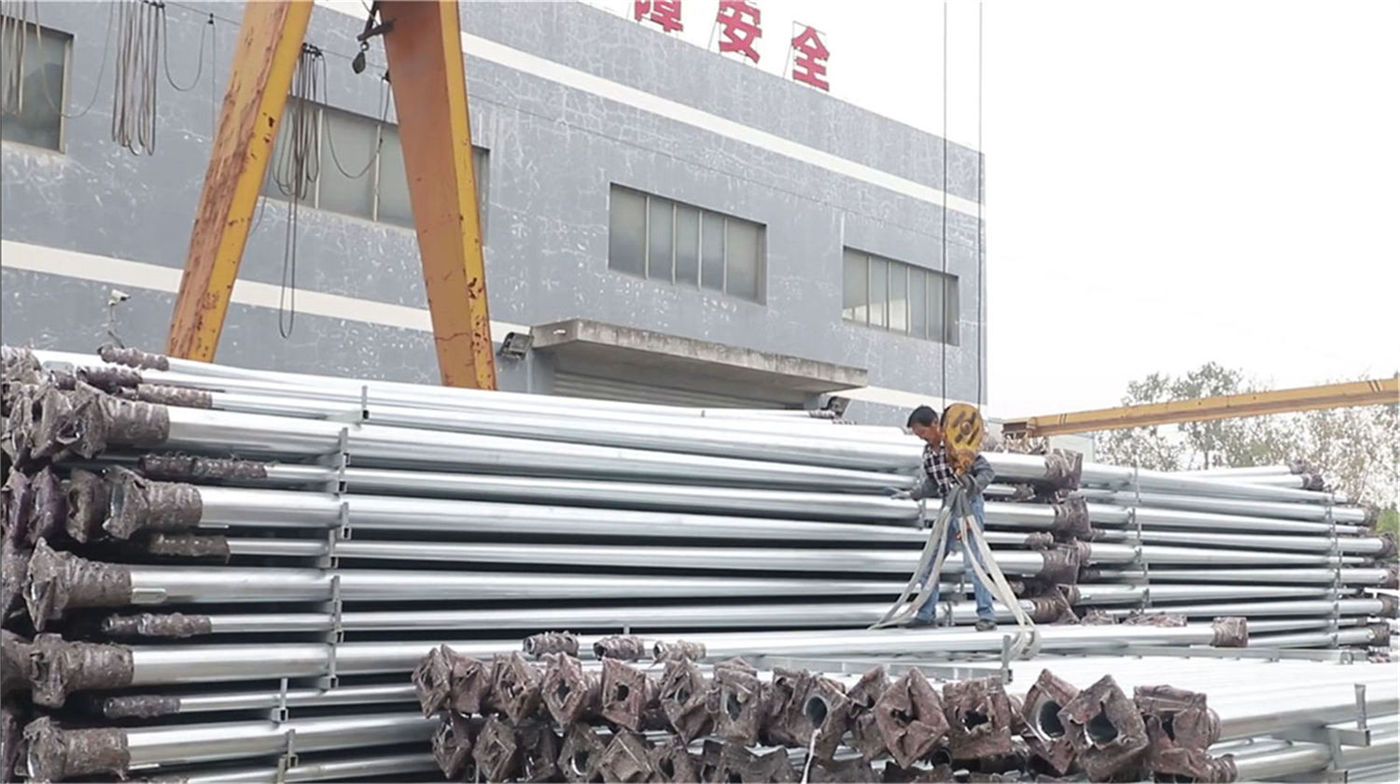
Our fully integrated production workflow combines advanced raw material handling with automated fabrication, finishing, and testing to ensure each luminaire meets international mechanical and electrical standards.
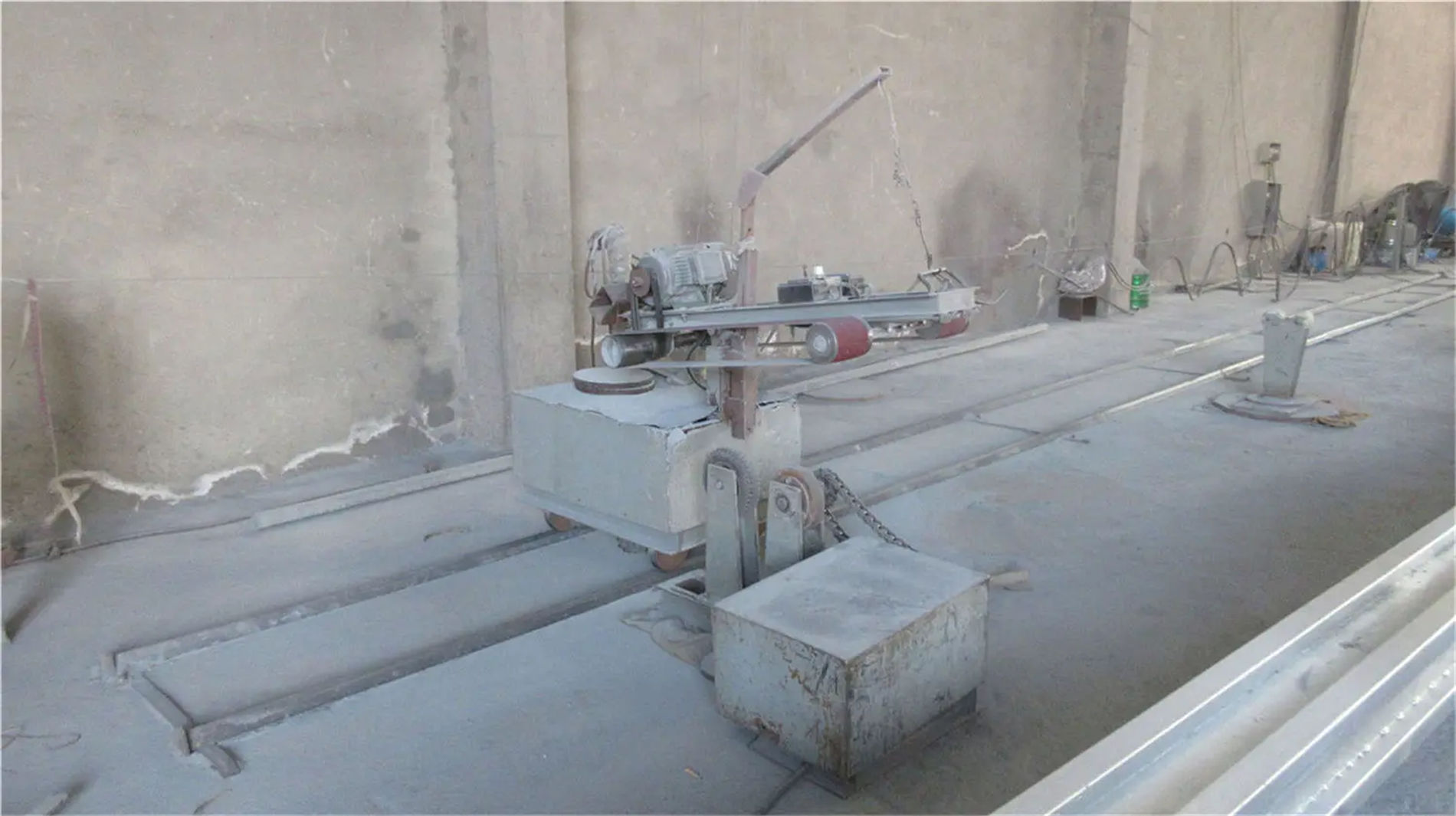
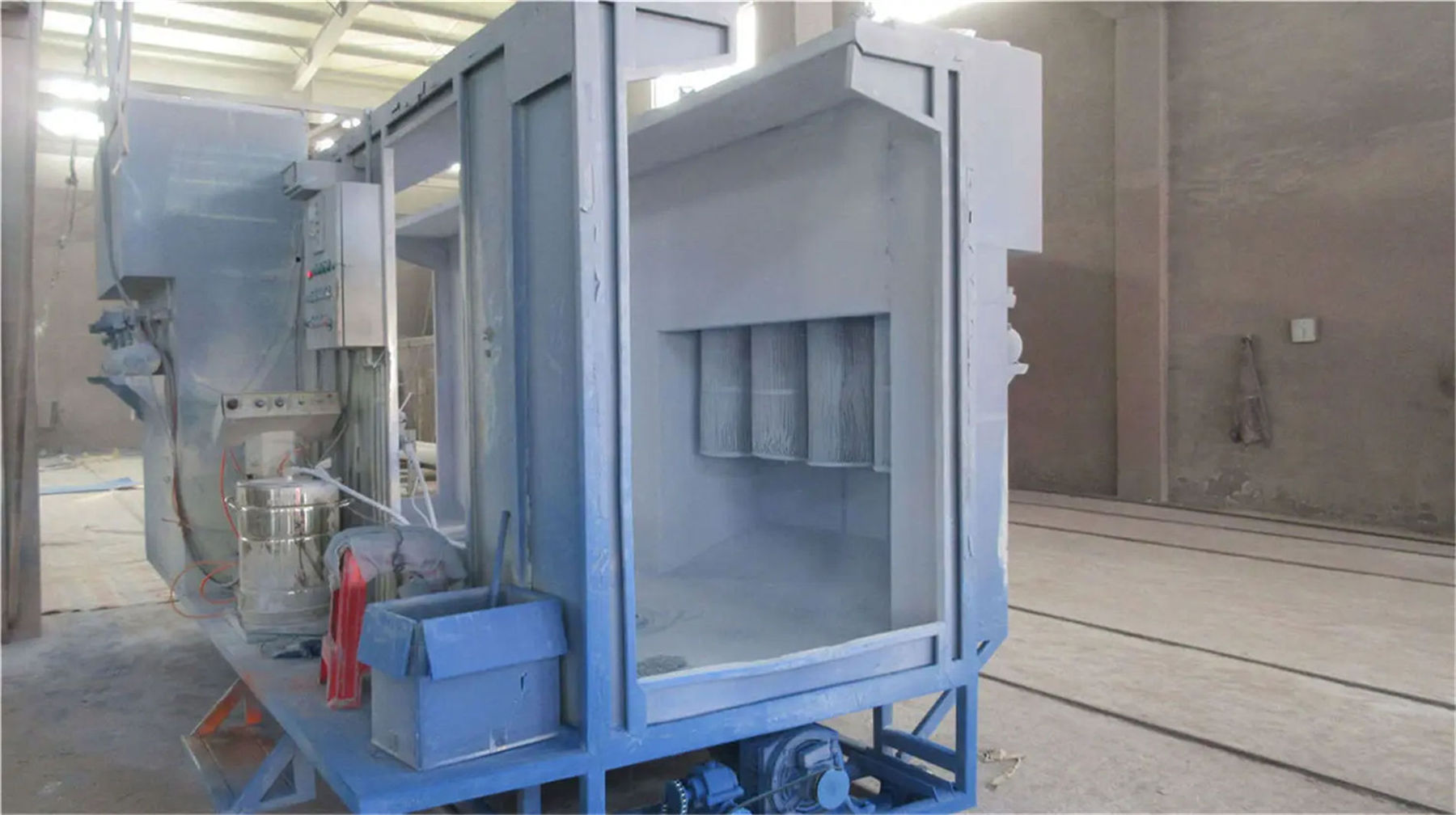
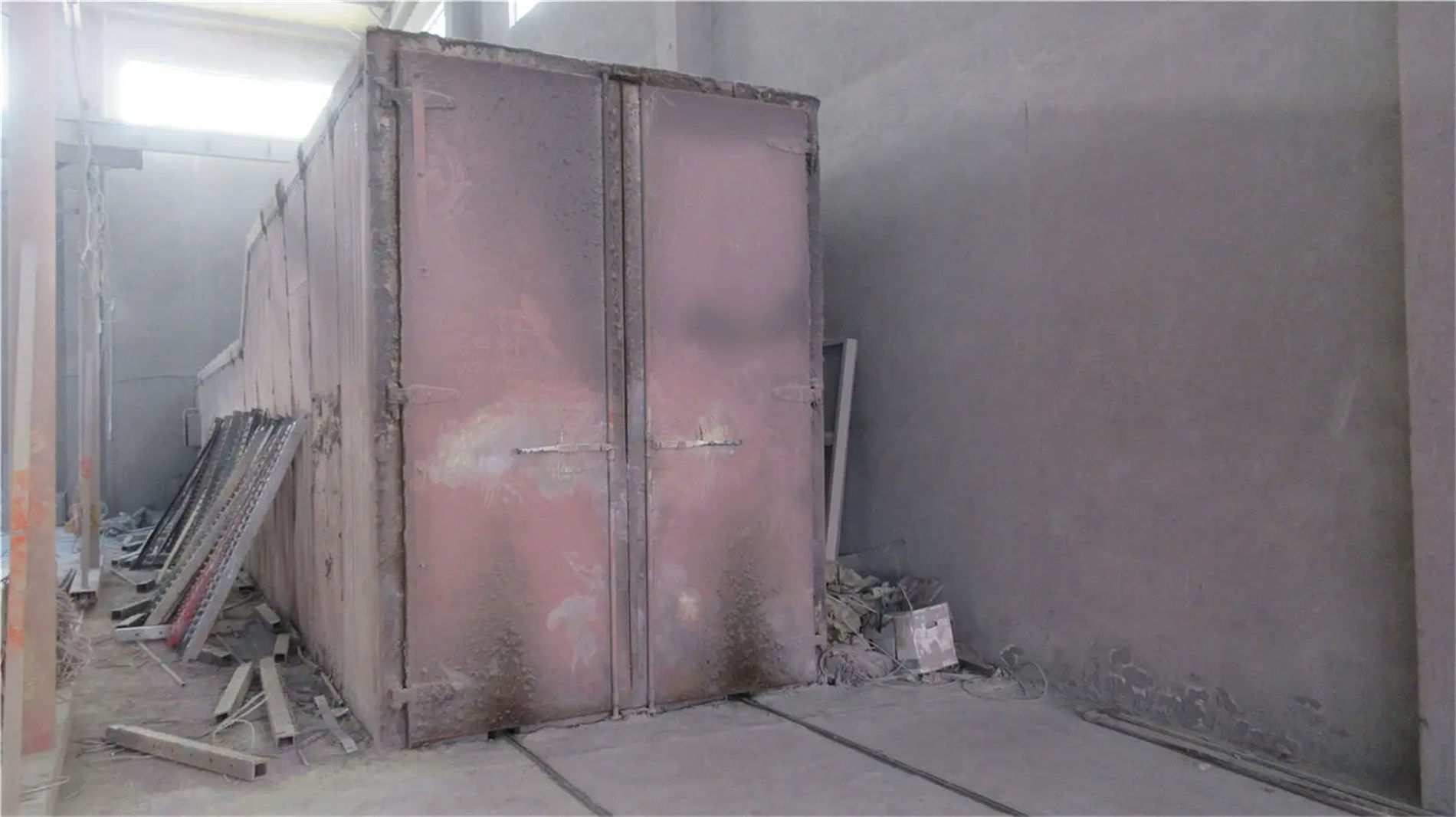
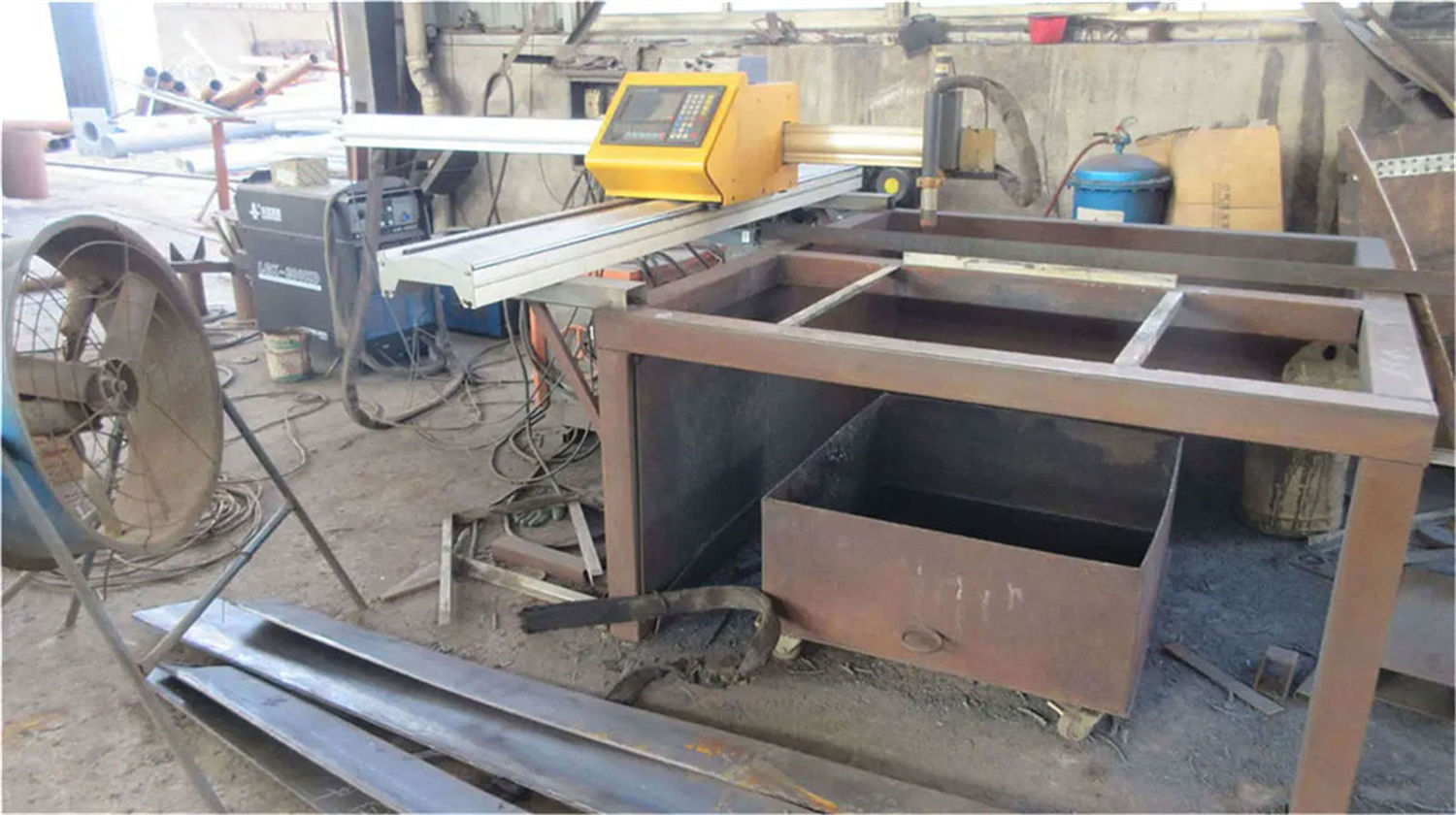
Solar lantern applications are configured according to localized geographical conditions. The operational capacity of solar-powered luminaires depends on variables such as average peak sunshine hours, wind loading coefficients, and regional ambient temperatures.
In northern latitudes, where winter days are short and solar radiation is limited, solar systems are equipped with split bifacial solar modules and smart dimming profiles. These configurations utilize reflective solar radiation (albedo effects) to optimize power generation and ensure reliable performance.
Solar systems designed for coastal roadways or offshore installations require high corrosion resistance. Structures utilize hot-dip galvanized steel poles and marine-grade, powder-coated aluminum housings. Gaskets are manufactured from high-durability polymers to maintain IP66/IP67 ingress ratings.
In high-temperature desert regions, thermal management is critical for component longevity. Internal layouts isolate the LiFePO4 battery pack from the solar panel and LED engine. Passive convective heat sinks and integrated thermal cutoff switches prevent battery degradation under extreme ambient heat.
Transitioning from standalone off-grid units to cloud-managed nodes. Integrated LoRaWAN/NB-IoT modules enable remote diagnostics, real-time power tracking, and adaptive scheduled dimming, reducing operational costs for municipal operators.
Integrating hybrid silicon-perovskite tandem PV cells to increase module conversion efficiency beyond 28%. This development reduces the required physical footprint of luminaire housings while maintaining high power generation.
Introducing sodium-ion battery storage to replace lithium chemistries in cost-sensitive markets. This transition ensures reliable low-temperature charging down to -40°C without requiring auxiliary heating systems.