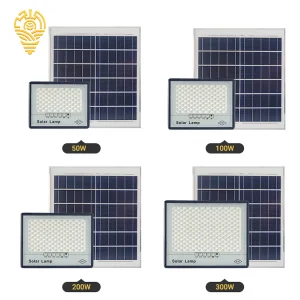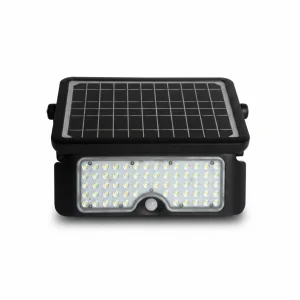
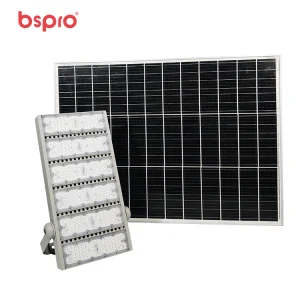
The global paradigm shift toward net-zero carbon footprints and resilient infrastructure has placed renewable outdoor lighting at the forefront of urban planning. Among these technologies, remote control solar lights have transitioned from luxury consumer items to essential industrial-grade utility installations. The global market is witnessing an unprecedented compound annual growth rate (CAGR), propelled by the necessity to electrify remote roadways, modernize municipal pathways, and secure large industrial perimeters without expanding the existing electrical grid.
Technological convergence is the primary catalyst for this growth. Modern remote control solar lighting systems are no longer isolated lanterns; they represent a sophisticated triad of high-efficiency photovoltaic panels (achieving conversion rates exceeding 22%), advanced energy-dense Lithium Iron Phosphate (LiFePO4) storage batteries, and intelligent microcontroller units (MCUs). The inclusion of remote capabilities—spanning basic infrared (IR) controllers for close-range adjustments to sophisticated Internet of Things (IoT) wireless protocols like LoRa, Zigbee, and Bluetooth Mesh—allows facility managers to program dimming schedules, monitor battery states, and alter output modes dynamically.
From an operational standpoint, installing grid-connected lighting requires trenching, wiring, permitting, and substantial labor costs. Industrial solar lighting bypasses these capital expenditures completely. The deployment of remote control solar lights ensures that maintenance personnel do not need physical access to pole-mounted control panels to diagnose faults or adjust configurations, transforming operational efficiency and reducing downtime to zero.
A legacy of engineering excellence, vertical integration, and global supply capacity.
Established in the heart of Yangzhou City's premier Industrial Zone in Jiangsu Province, China, Yangzhou Gtron Solar Co., Ltd. has dedicated over 20 years to research, development, and high-precision manufacturing of solar lighting systems, LED outdoor lighting, and sustainable energy applications. As a National High-Tech Enterprise, Gtron Solar has scaled its operations to cover the complete production lifecycle—from basic raw material fabrication to complex SMT circuit board design and testing.
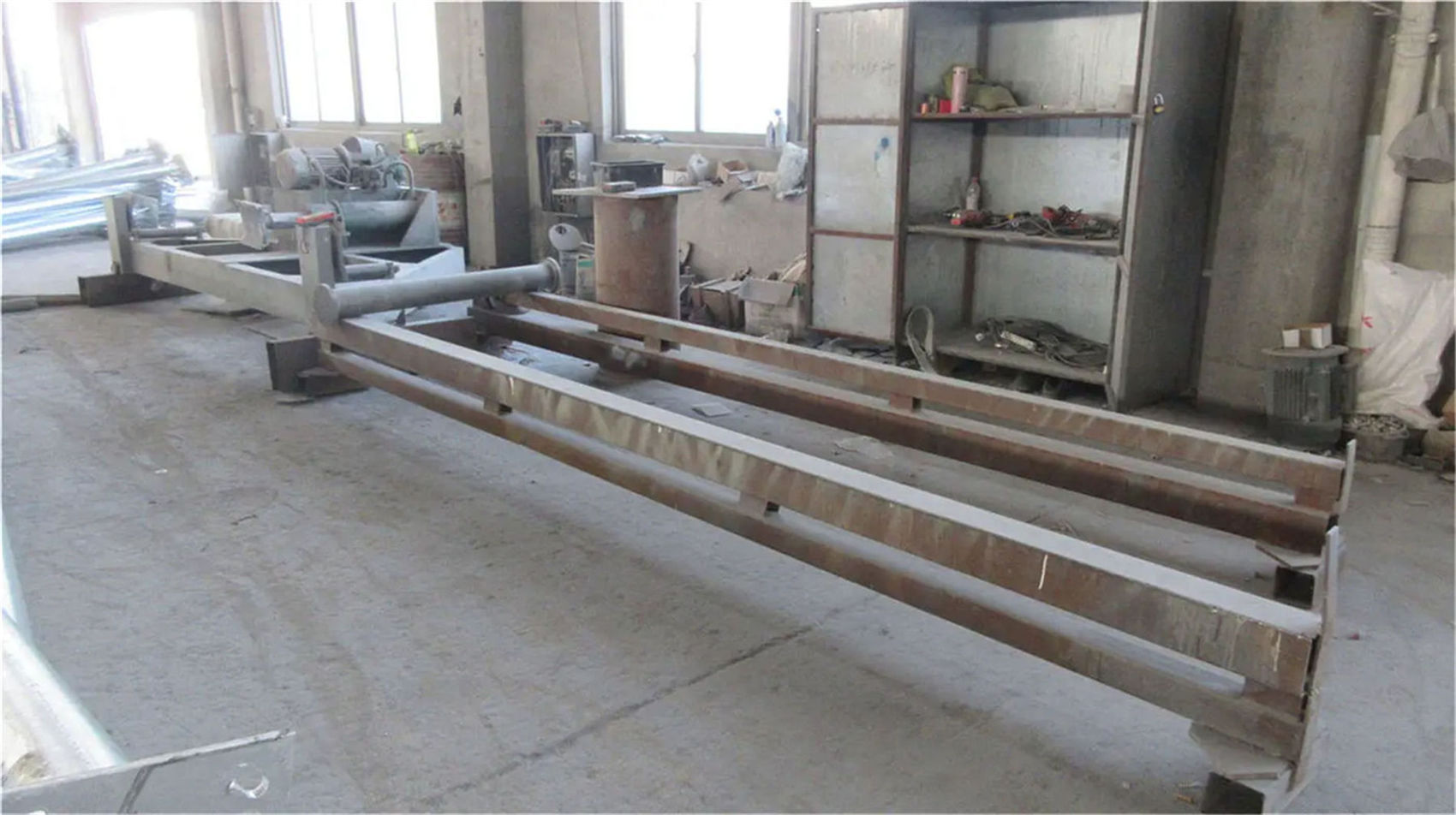
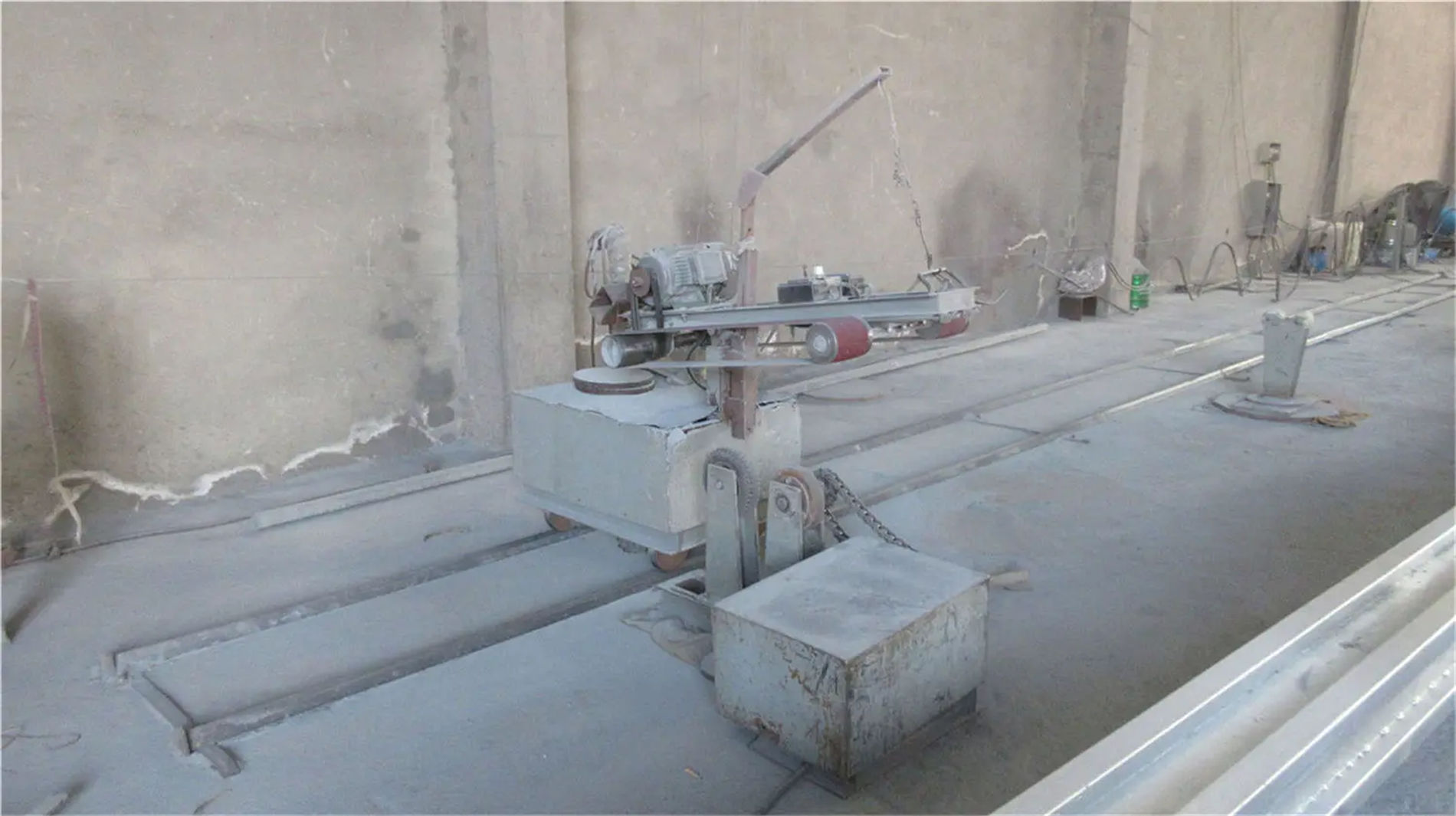
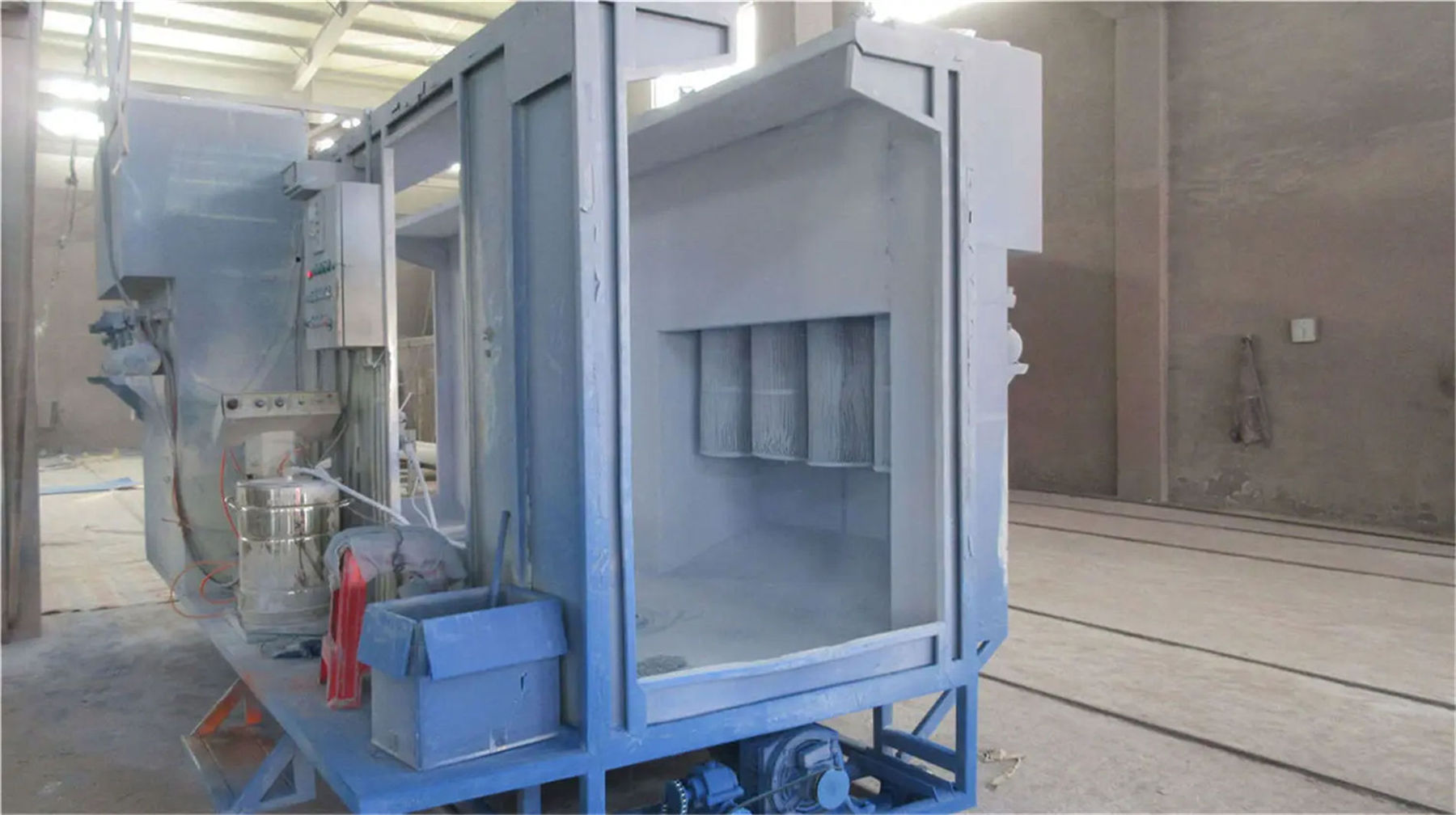
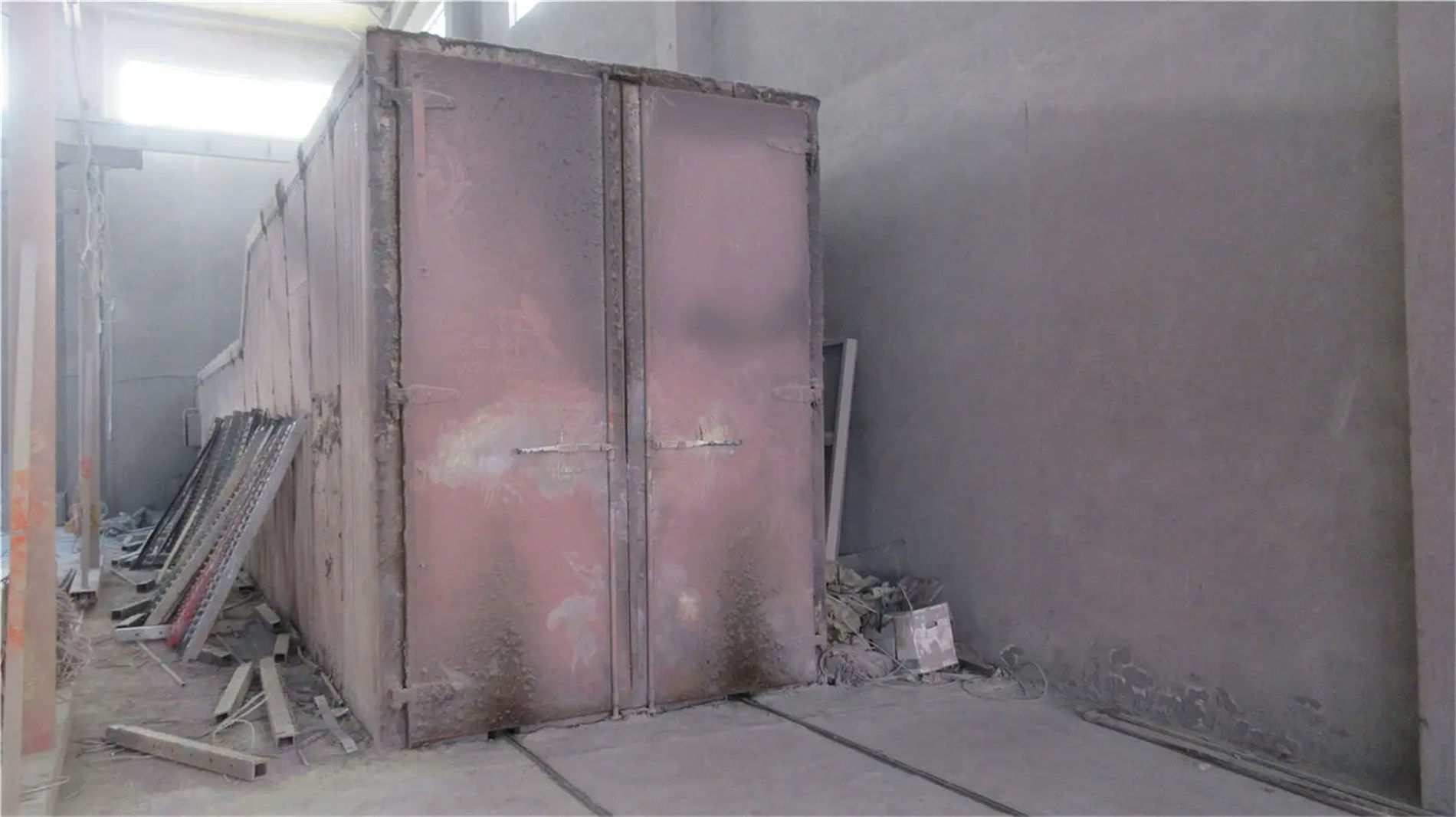
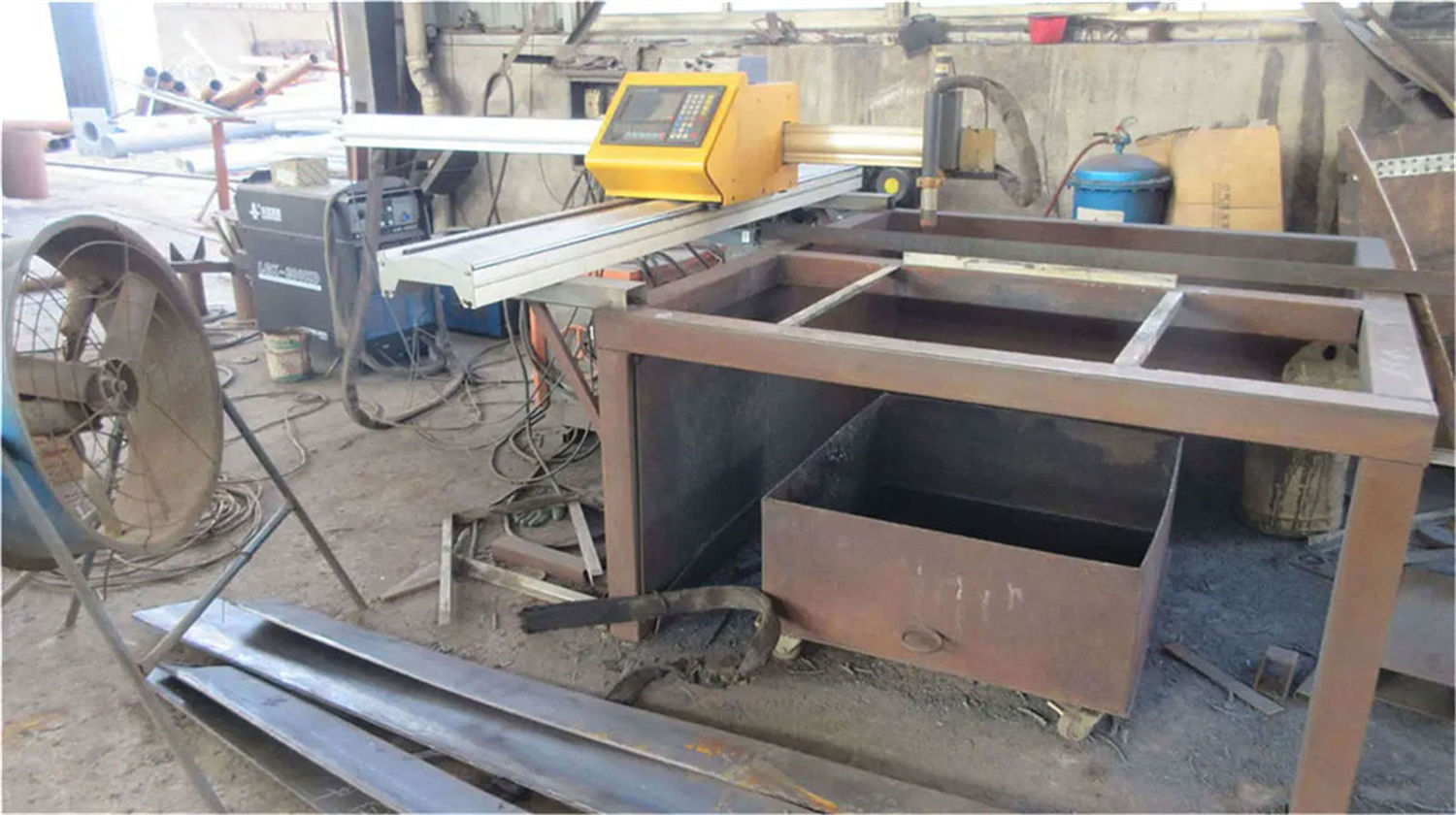
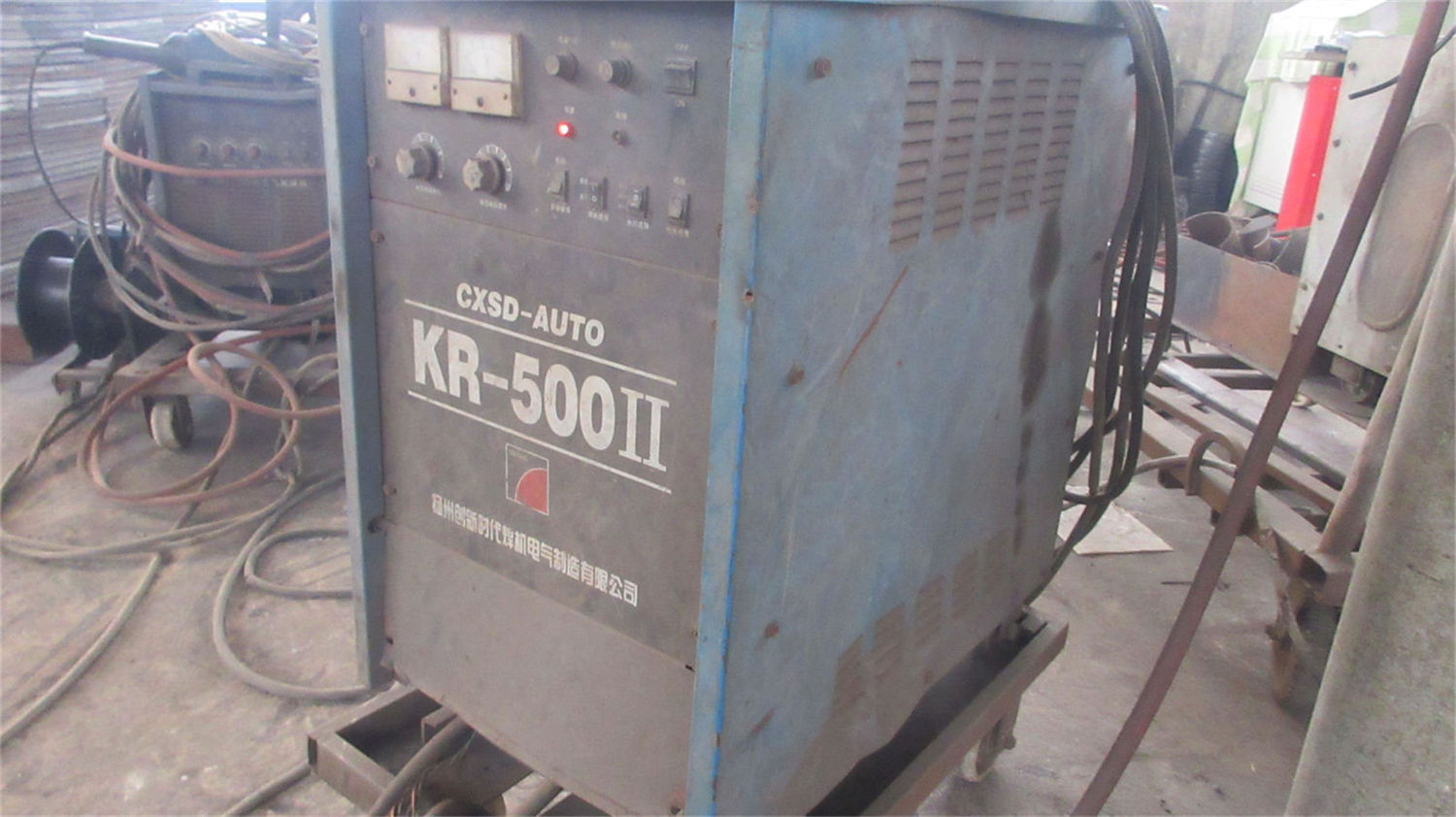
Our expansive manufacturing campus houses specialized, automated lines that ensure high-volume output with strict consistency. Gtron Solar's manufacturing infrastructure includes:
This vertical integration gives Gtron Solar a competitive edge. Unlike standard suppliers who assemble third-party parts, Gtron Solar controls the mechanical, electronic, and optical design. We run advanced testing protocols, including environmental simulation chambers, wind tunnel calculations, and integrating photometers (integrating spheres) to document thermal profiles and lumen output accuracy.
How raw materials are transformed into certified, high-durability solar lighting infrastructure.
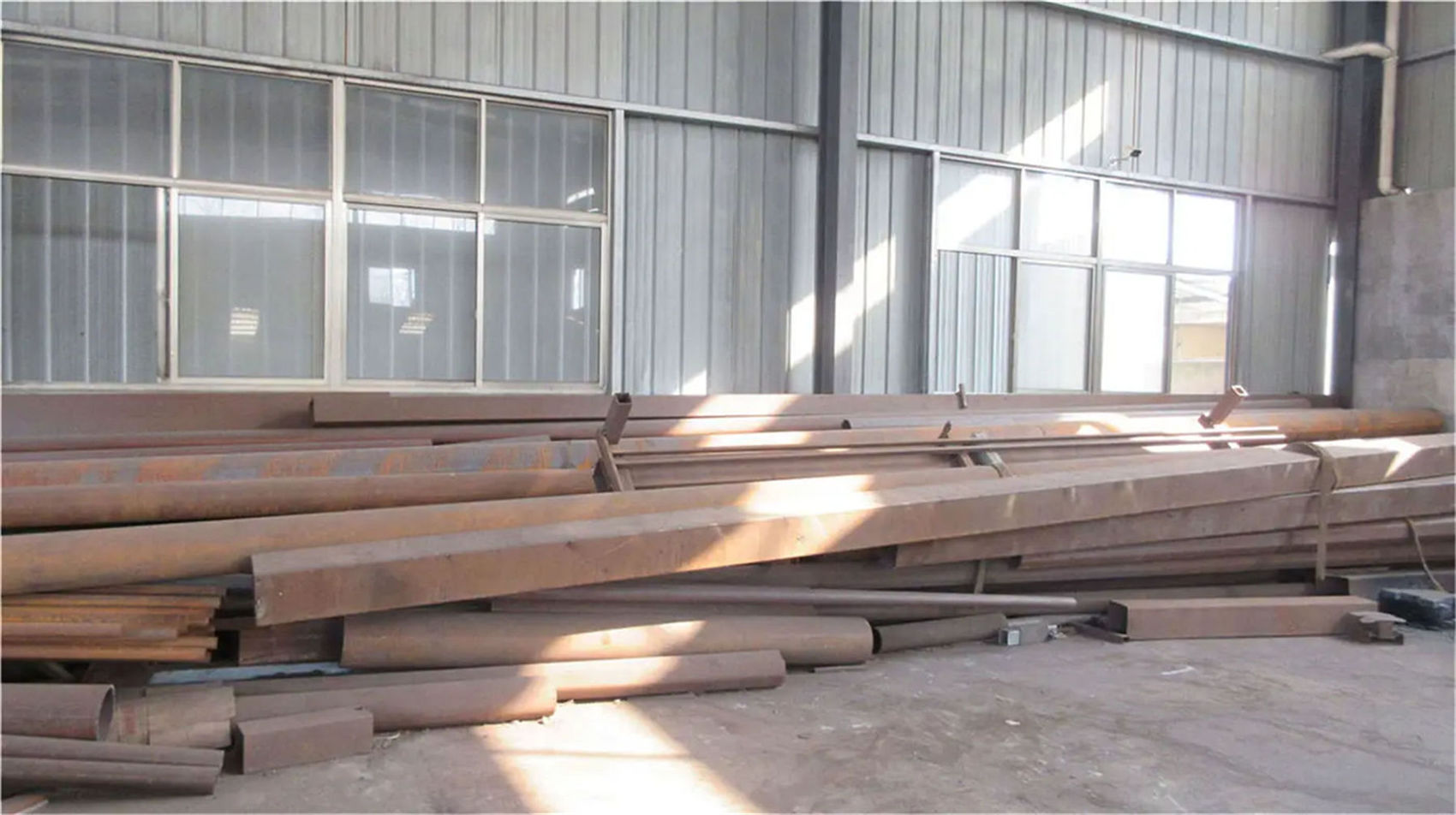
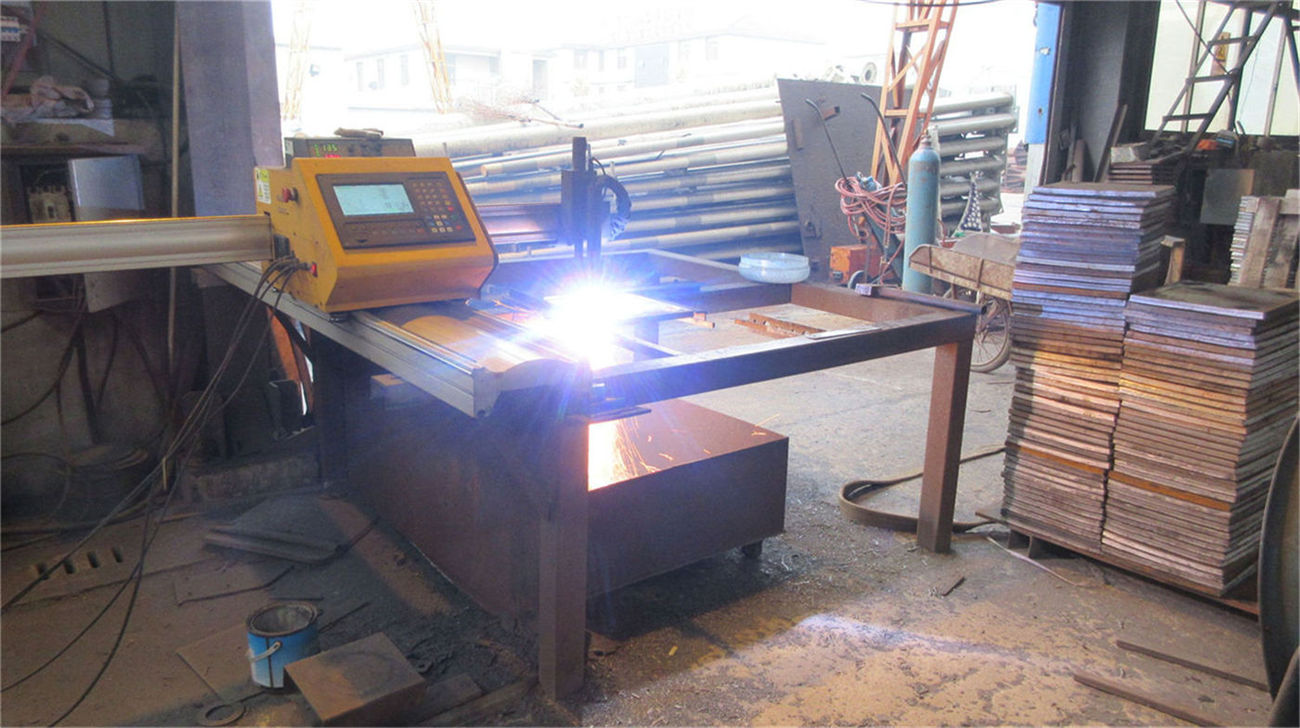
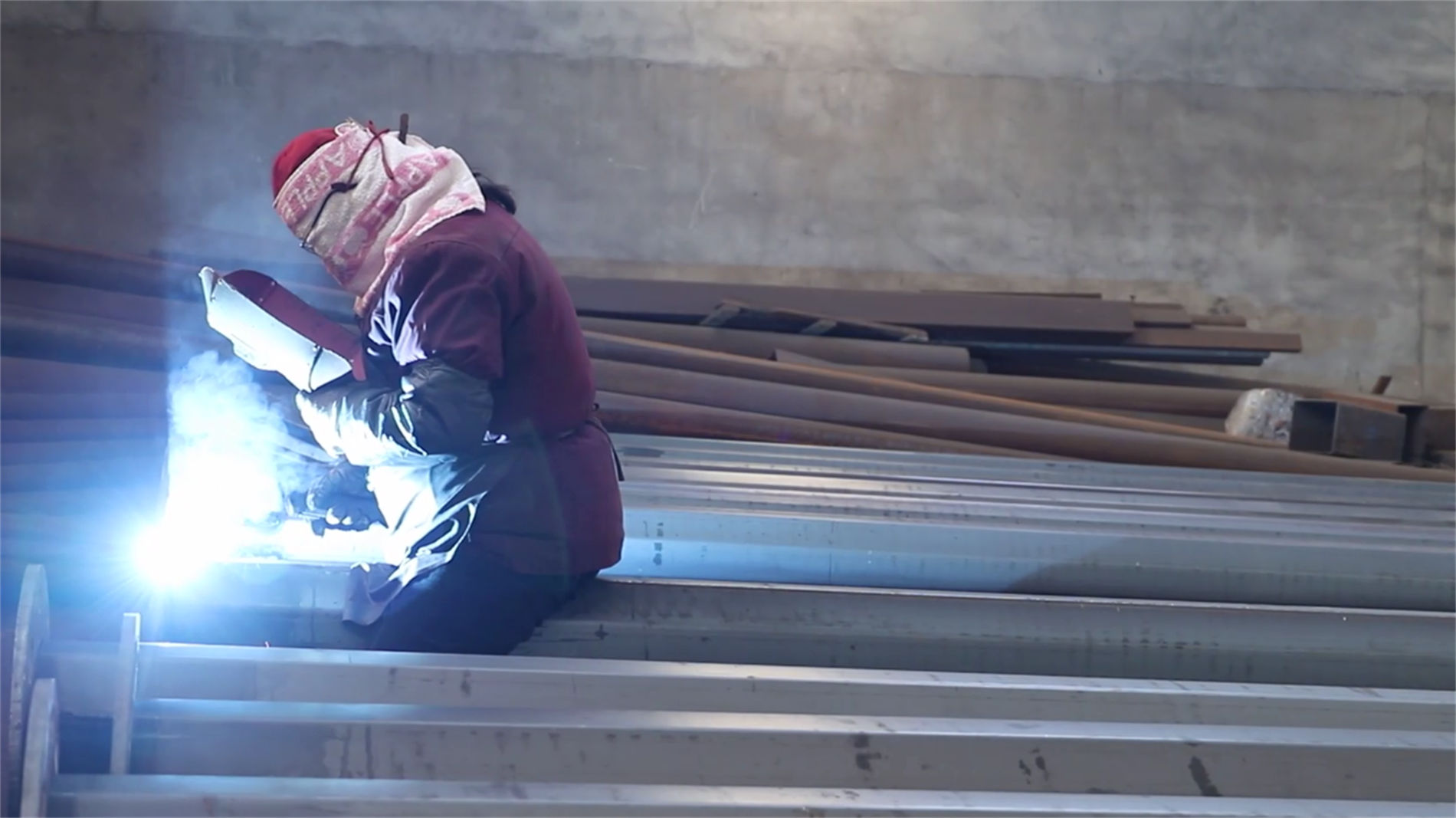
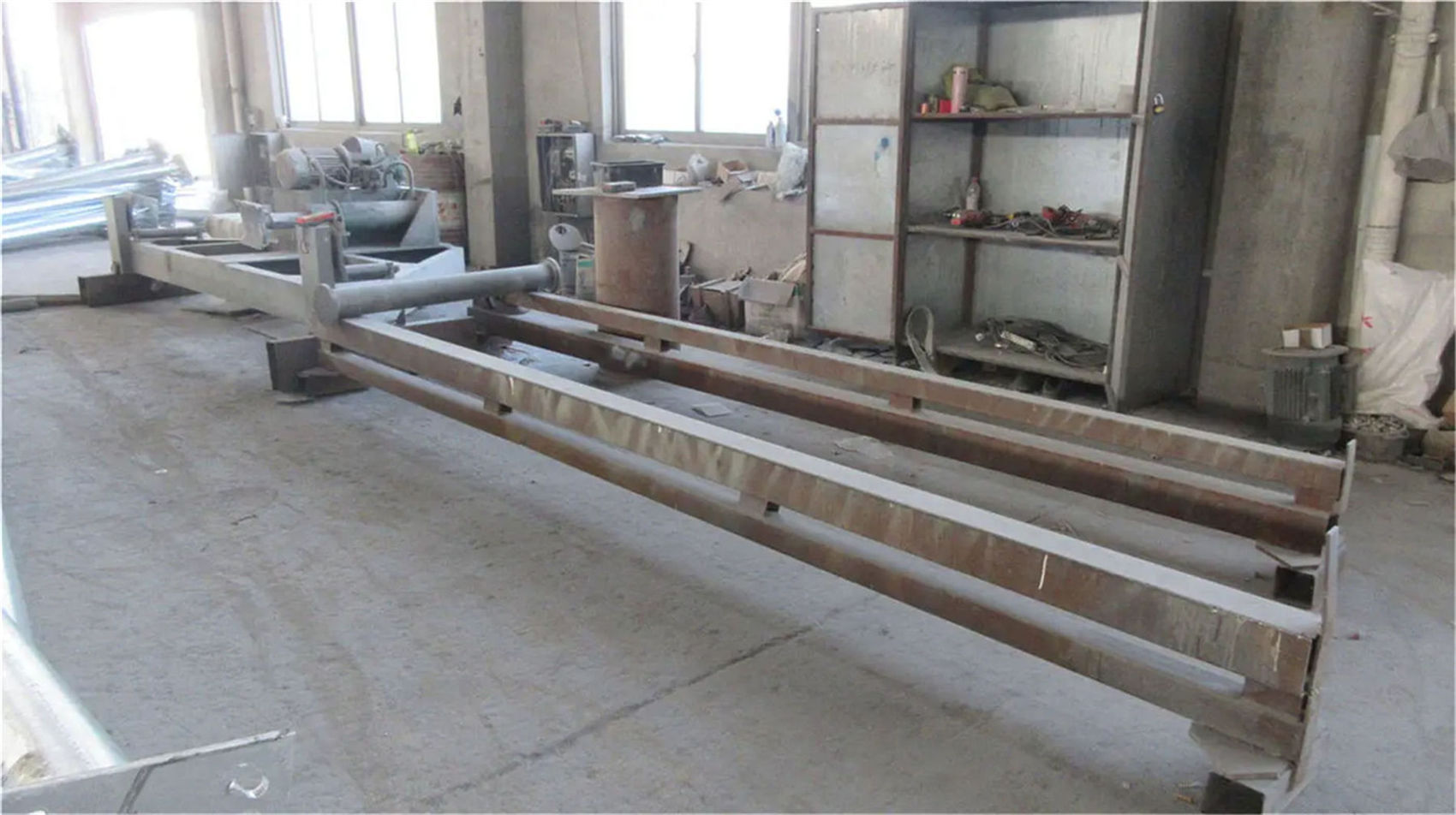
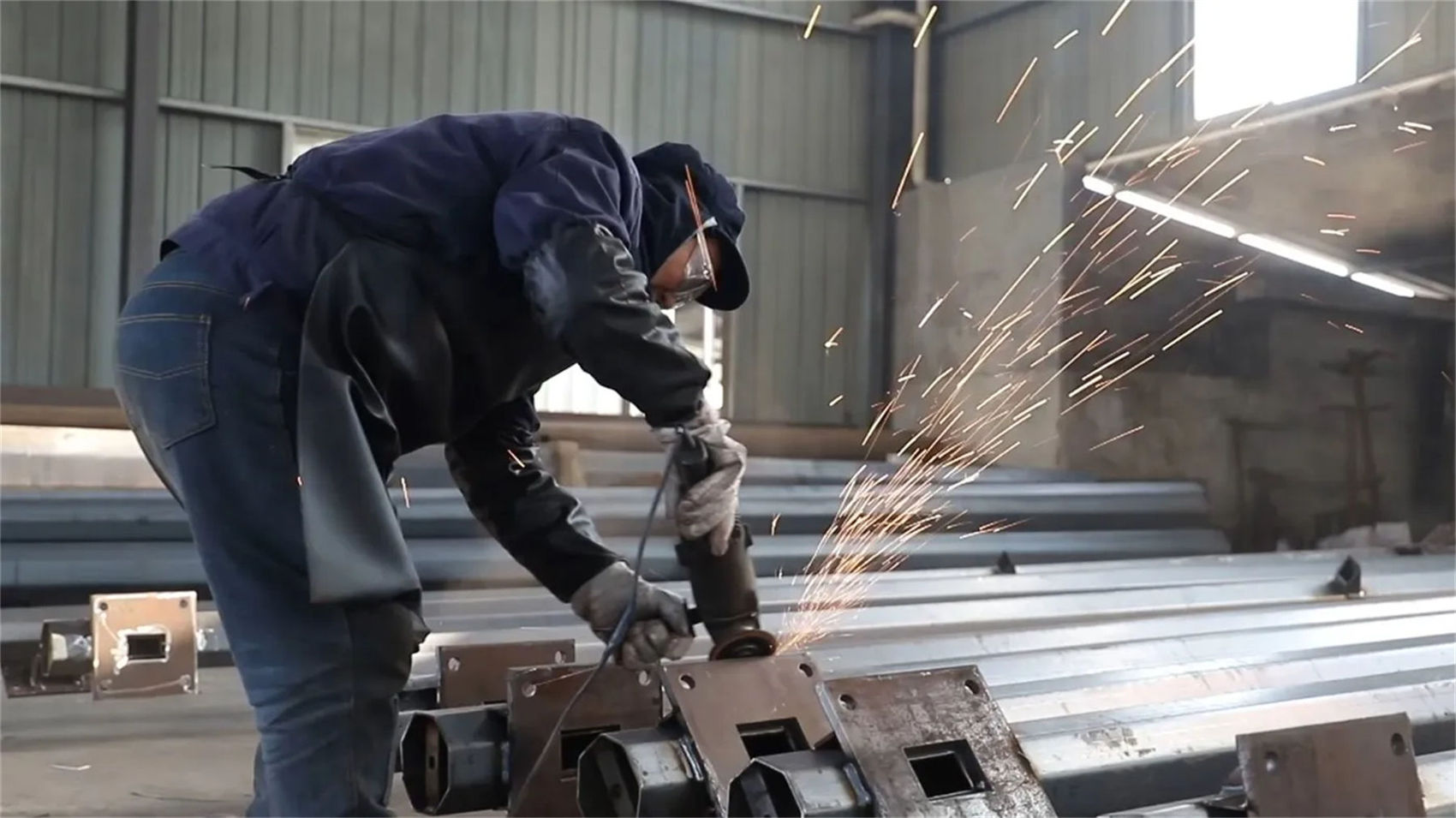
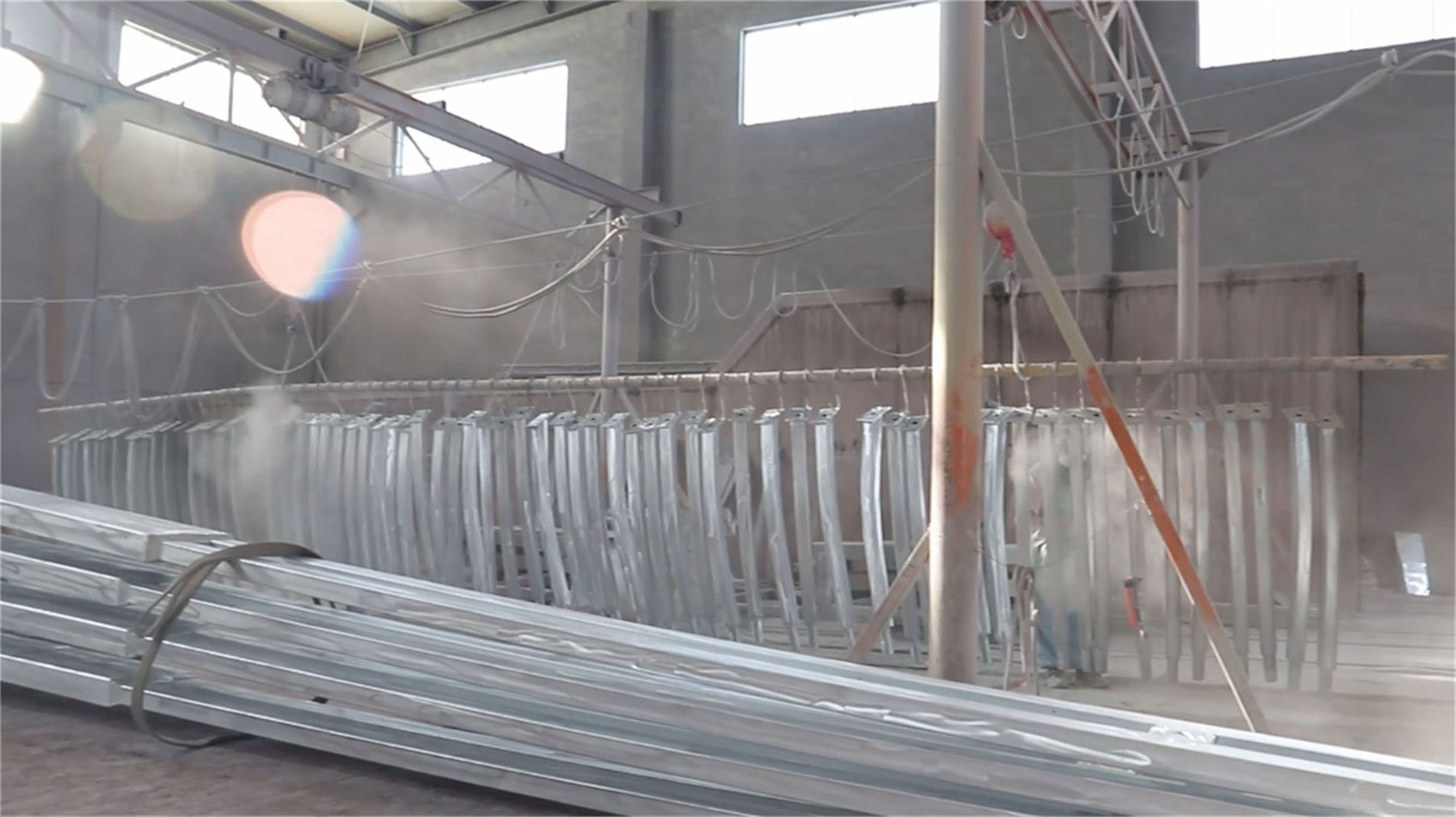
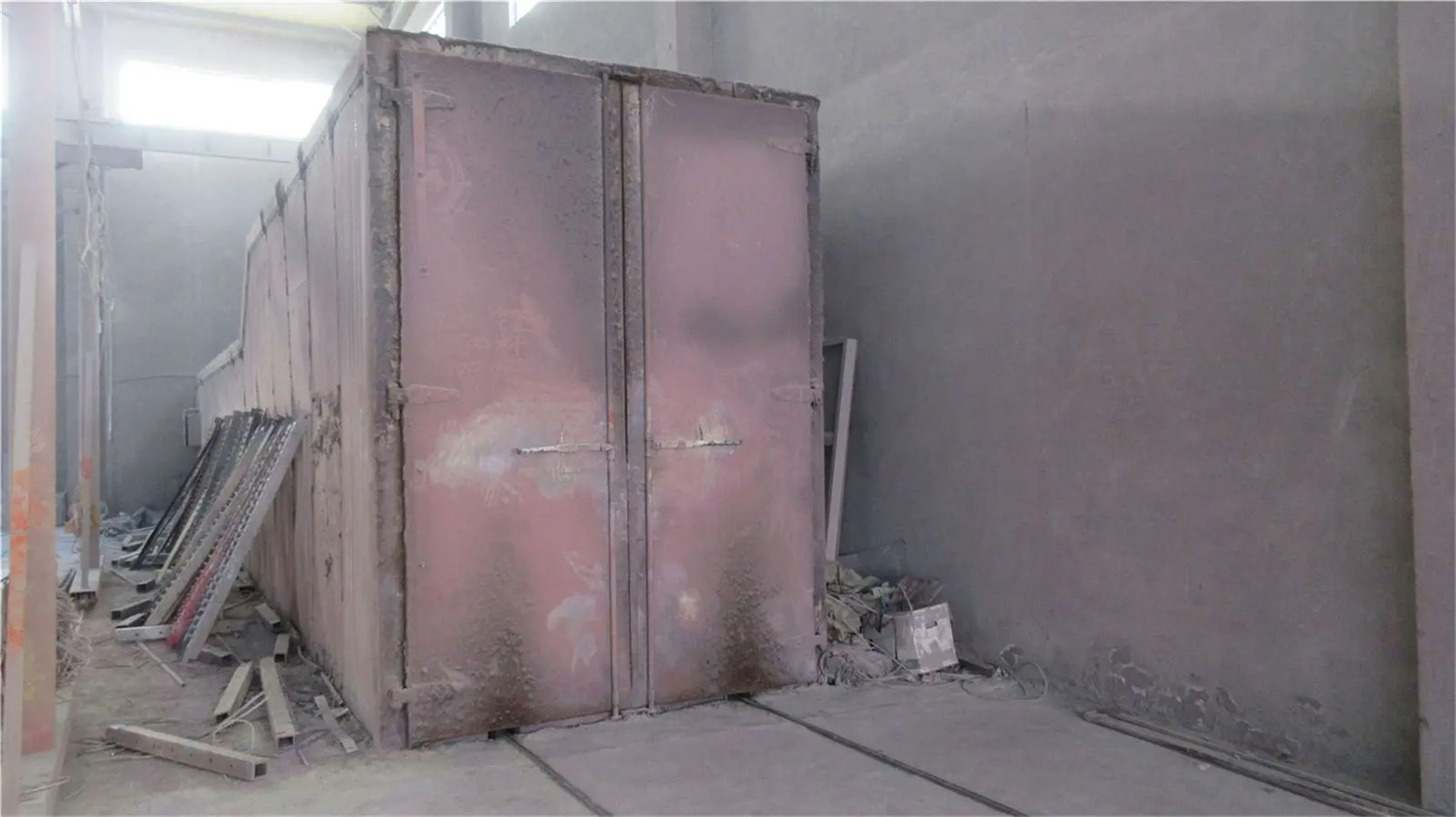
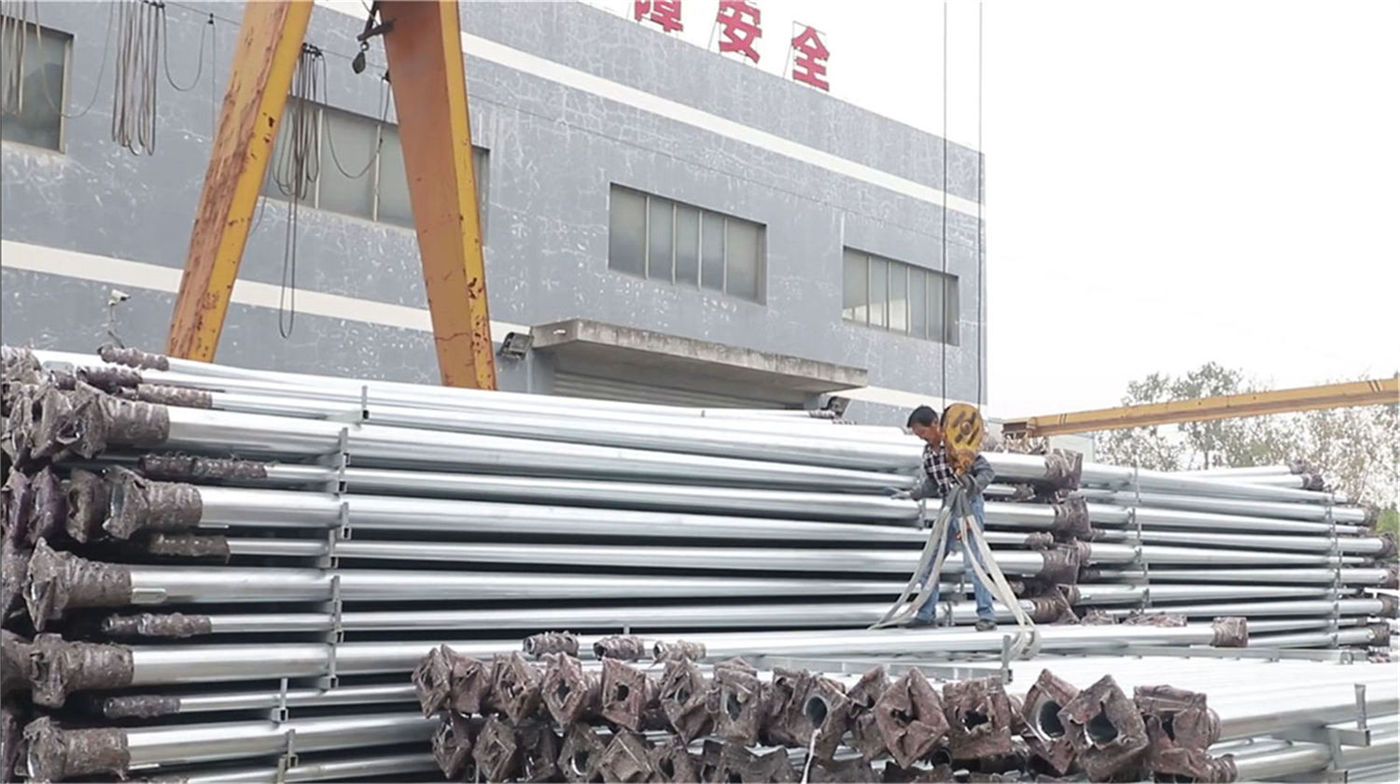
Our facility utilizes automated, high-capacity machinery to ensure structural integrity and architectural precision.
Our engineers design remote solar lights using a highly responsive microcontroller circuit. The heart of the fixture features a dual-core controller with a 2.4GHz RF or direct optical IR transceiver. The remote allows adjustments across three core profiles:
The applications for modern solar lighting span multiple industries, requiring specific adjustments to meet local regulations and environmental conditions:
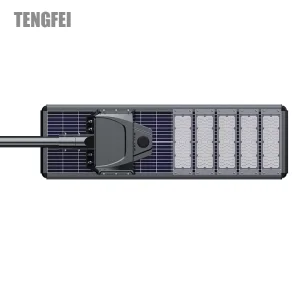
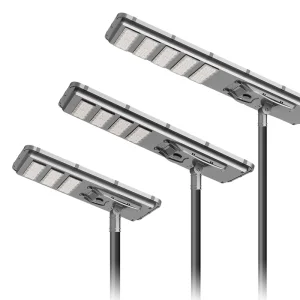
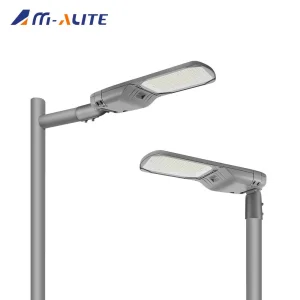
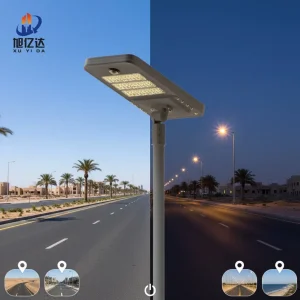
Highways and public municipal roads demand consistent, high-intensity street lighting. Gtron's integrated solar street lights deliver bright, uniform coverage with Type II and Type III optical distributions, matching strict municipal standards. The remote configuration system simplifies regular diagnostics, allowing technicians to check performance metrics without using elevated bucket trucks.
In harsh desert conditions, maritime ports, or remote mining complexes, running grid power is often cost-prohibitive. For these locations, we build solar street lights using durable cast-aluminum bodies with IP67 ratings, marine-grade anti-corrosive coatings, and remote systems designed for deep temperature range operations (from -30°C to +75°C).
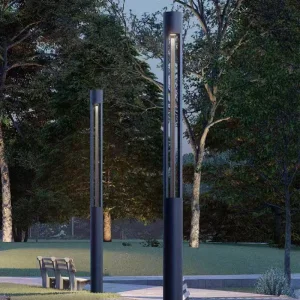
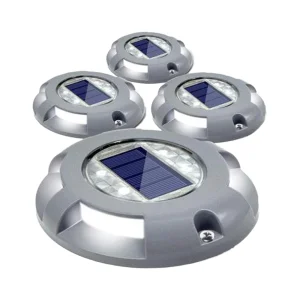
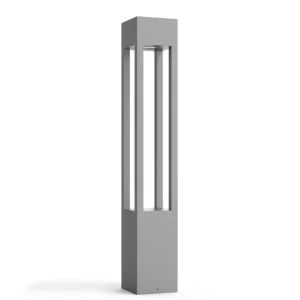
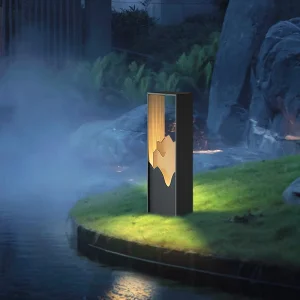
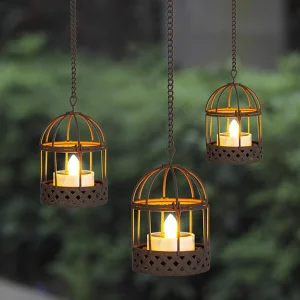
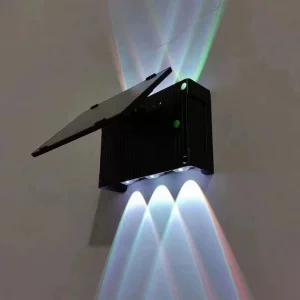
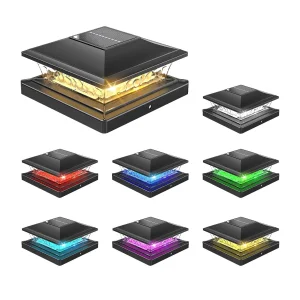
Aesthetic appeal is key for parks and residential properties. Gtron's range of decorative solar lanterns, post caps, and zen landscape lighting combines elegant design with smart solar technology. Homeowners and facility operators can customize colors and operational profiles using compact remote controllers, matching the lighting to seasonal events or security needs.
For B2B buyers, sourcing remote solar lighting requires analyzing more than just upfront unit costs. True value lies in long-term reliability and reduced maintenance needs. When choosing a manufacturing partner, pay close attention to these technical indicators:
The solar lighting industry is moving rapidly toward smart system integration. The adoption of bifacial solar panels, which harvest reflected light from the ground, is growing in high-latitude regions. At the same time, the transition from local remote controllers to cloud-managed smart software is allowing managers to control thousands of lights from central operational hubs.
Detailed answers about structural engineering, operational logic, and battery chemistry.
Infrared (IR) remotes require direct line-of-sight and work at ranges of 5 to 8 meters. They are best suited for lower-height decorative or landscape lights. Radio Frequency (RF) remotes work omnidirectionally over longer distances, up to 15-20 meters, and do not need line-of-sight. For taller street lights, RF controls are the standard choice.
Gtron's lighting systems feature smart programming that balances energy usage during periods of low sunlight. When battery levels drop, the system adjusts brightness or switches to motion-sensor mode to stretch the stored power. This allows the lights to remain operational for 3 to 5 continuous rainy days.
Lithium Iron Phosphate (LiFePO4) offers several advantages: higher thermal stability, non-toxicity, and an operational lifespan of 3,000+ deep cycles. This compares to only 500 cycles for lead-acid and 1,000 cycles for ternary lithium. Additionally, LiFePO4 maintains safety in high ambient temperatures, making it the standard choice for solar applications.
Yes. We support custom requests including specific pole heights, powder coating colors, battery capacities, and lens angles. Our design team provides comprehensive engineering support, providing Dialux lighting simulations to ensure the installations meet local road illumination codes.