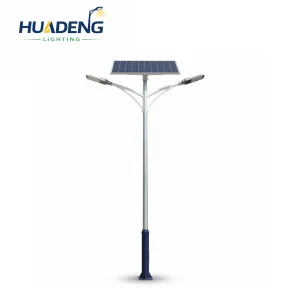
Leading the Energy Revolution in CDMX with High-Performance, NOM-Certified Off-Grid Lighting Solutions
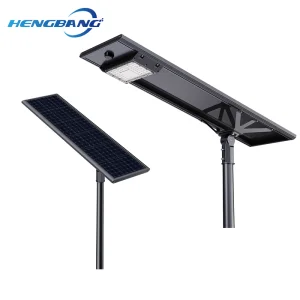
An In-depth Analysis of Split-Type Solar Infrastructure for High-Density Urban Environments
As one of the world's most populous metropolises, Mexico City (CDMX) faces unique infrastructure challenges. The "Solar Ciudad de México" initiative has catalyzed a shift toward renewable energy for public lighting. Split-type solar street lights have emerged as the superior choice for this region due to the city’s complex topography and high-altitude UV radiation intensity.
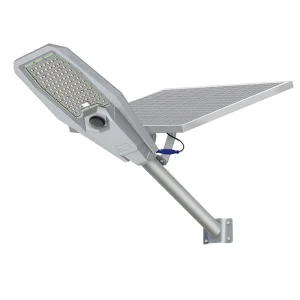
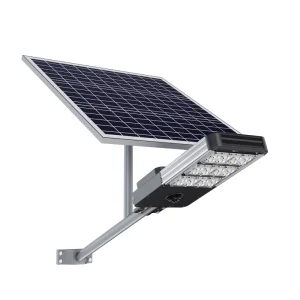
Unlike all-in-one systems, split-type solar lights allow for the independent orientation of solar panels. In a city where skyscrapers and historical buildings create significant shading, the ability to angle panels towards maximum solar gain while keeping the LED fixture focused on the roadway is a critical technical advantage for municipal engineers.
Mexico City’s high altitude means higher UV intensity, which requires automotive-grade thermal management and superior battery chemistry. Yangzhou Gtron Solar Co., Ltd. provides localized engineering to ensure our lithium (LiFePO4) battery packs withstand CDMX’s diurnal temperature fluctuations without capacity degradation.
The synergy between Yangzhou's manufacturing prowess and Mexico's industrial demand creates a powerful cost-to-performance ratio. As a specialized manufacturer, Gtron Solar offers:
For procurement officers in the Mexican market, compliance is non-negotiable. Our split-type solar lighting systems are engineered to exceed NOM-031-ENER-2012 and NOM-064-SCFI-2000. This ensures that electrical safety, luminous efficiency, and environmental resistance are guaranteed for government-funded projects.
The "Smart City" movement in Mexico City is integrating solar lighting with IoT sensors.
Real-time monitoring of battery health and energy consumption via 4G/NB-IoT, reducing maintenance costs on the Periférico Sur.
Utilizing Bifacial Solar Panels and Mono-PERC technology to maximize energy harvest even during Mexico's rainy season (June-Oct).
Split-type systems can be integrated with IP cameras and motion sensors to enhance public safety in suburban CDMX areas.
Located in the prestigious Industrial Zone of Yangzhou City, Yangzhou Gtron Solar Co., Ltd. is a high-tech powerhouse with over 20 years of legacy in the photovoltaic sector. We are not just a manufacturer; we are a solution architect for the Mexico City market.
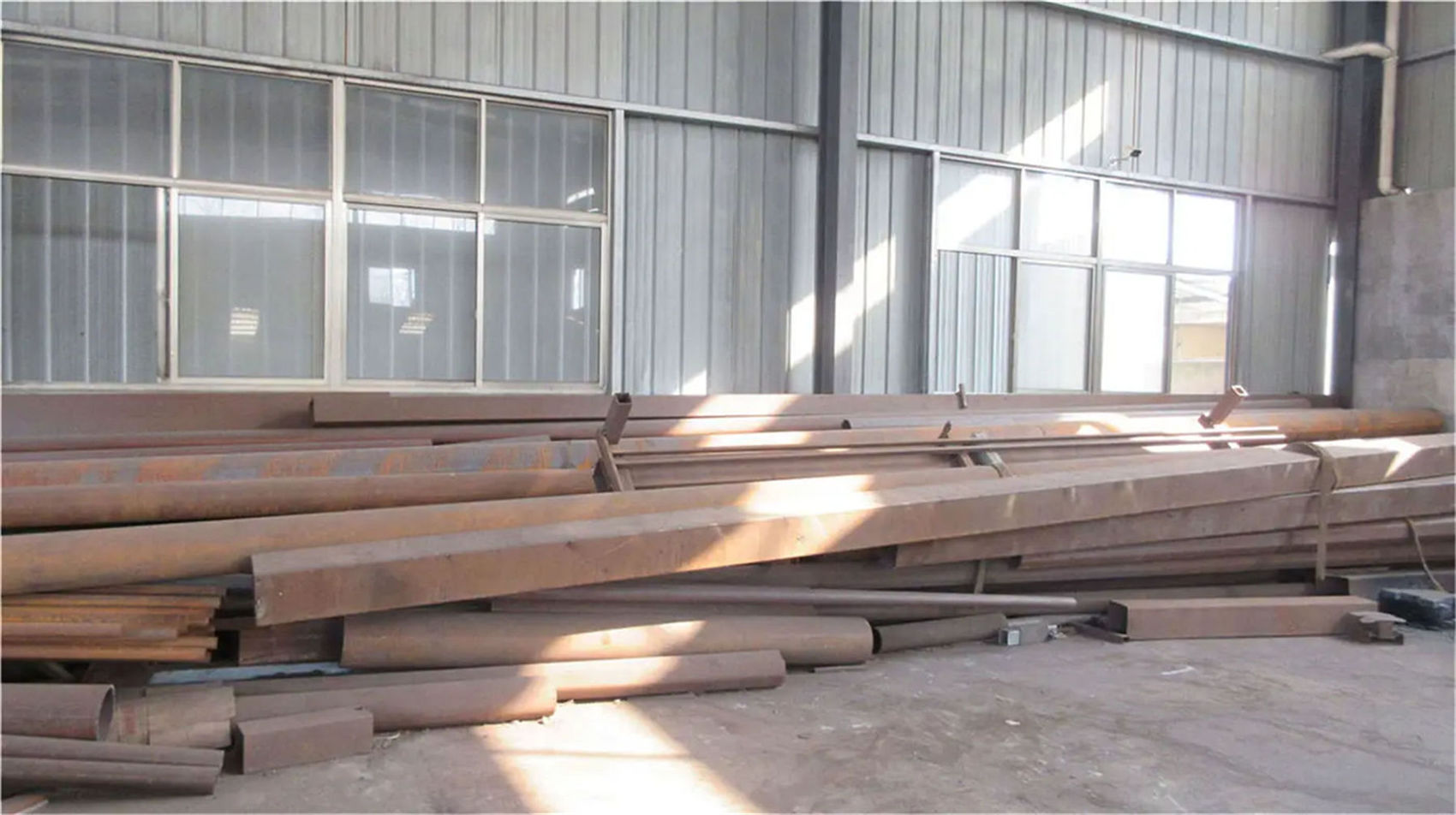
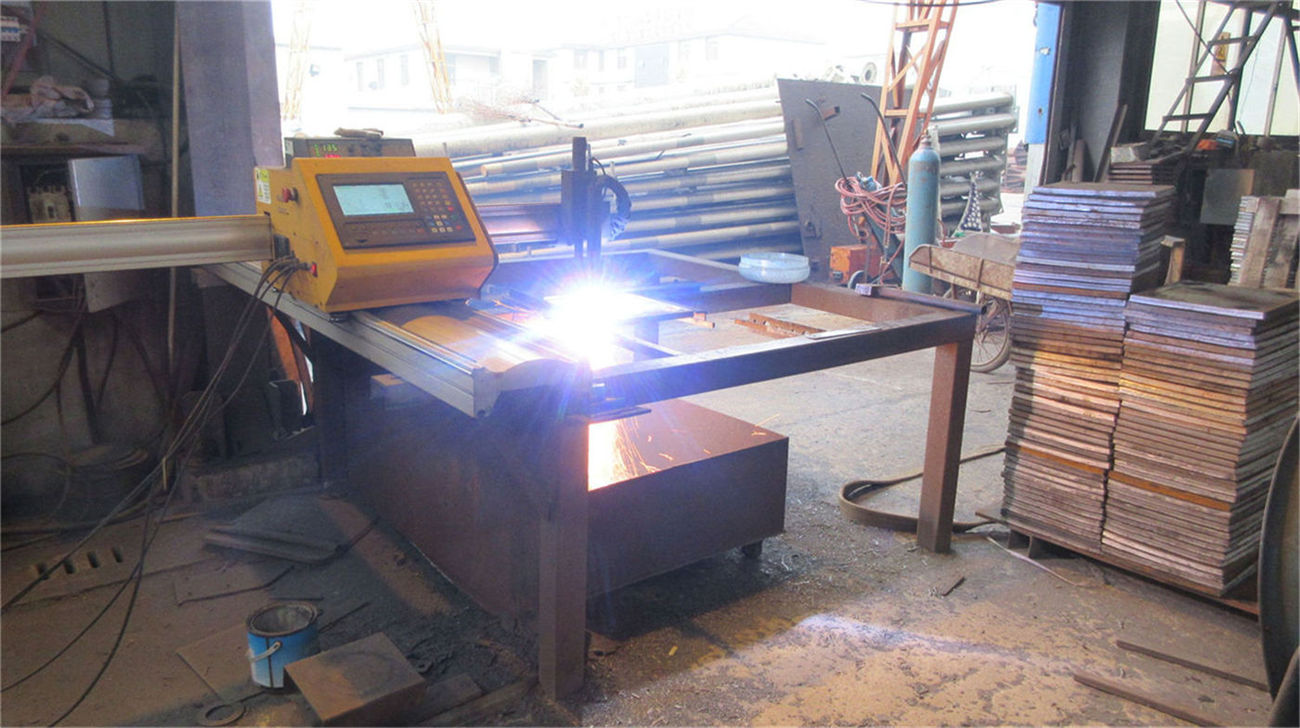
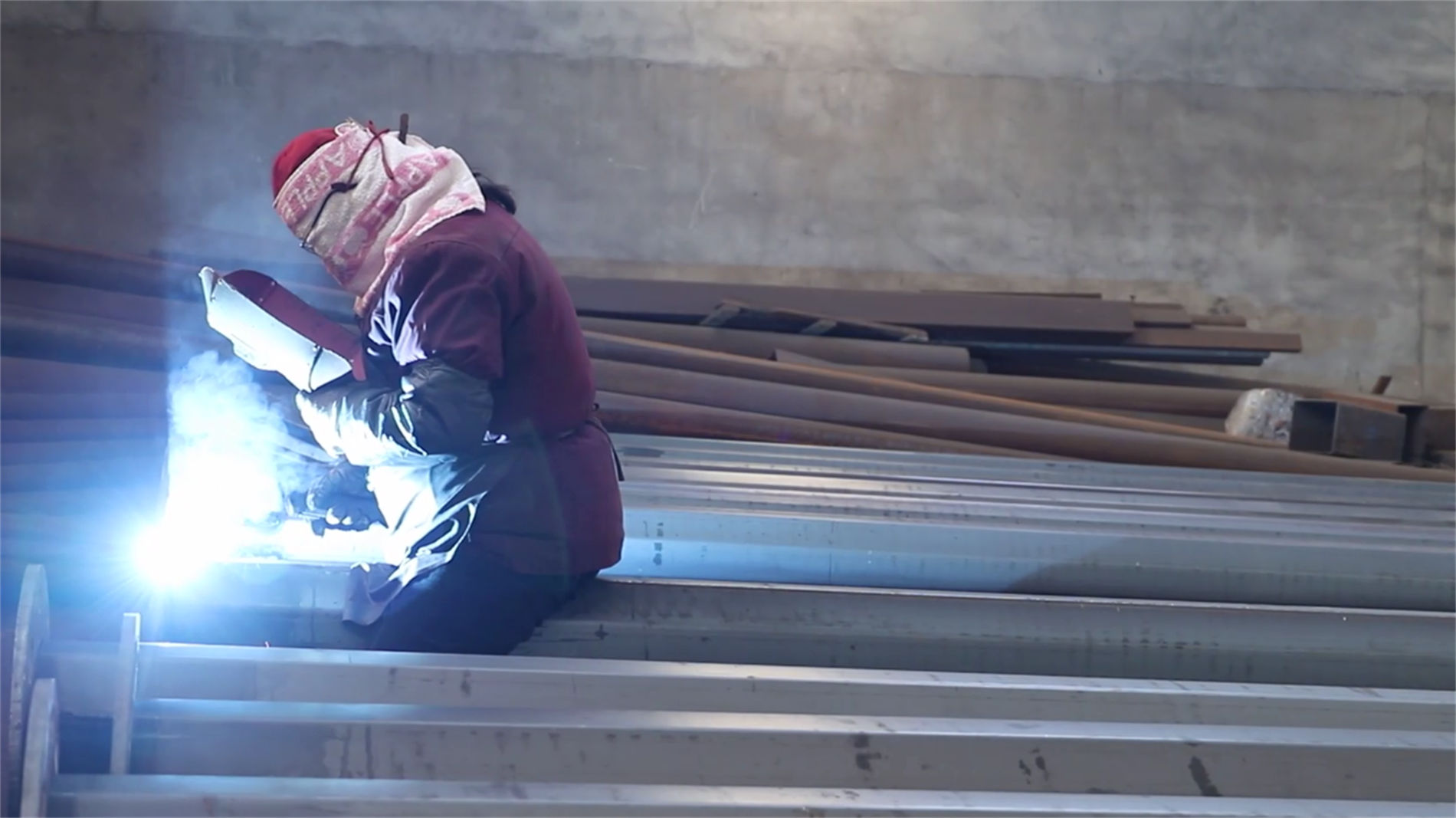
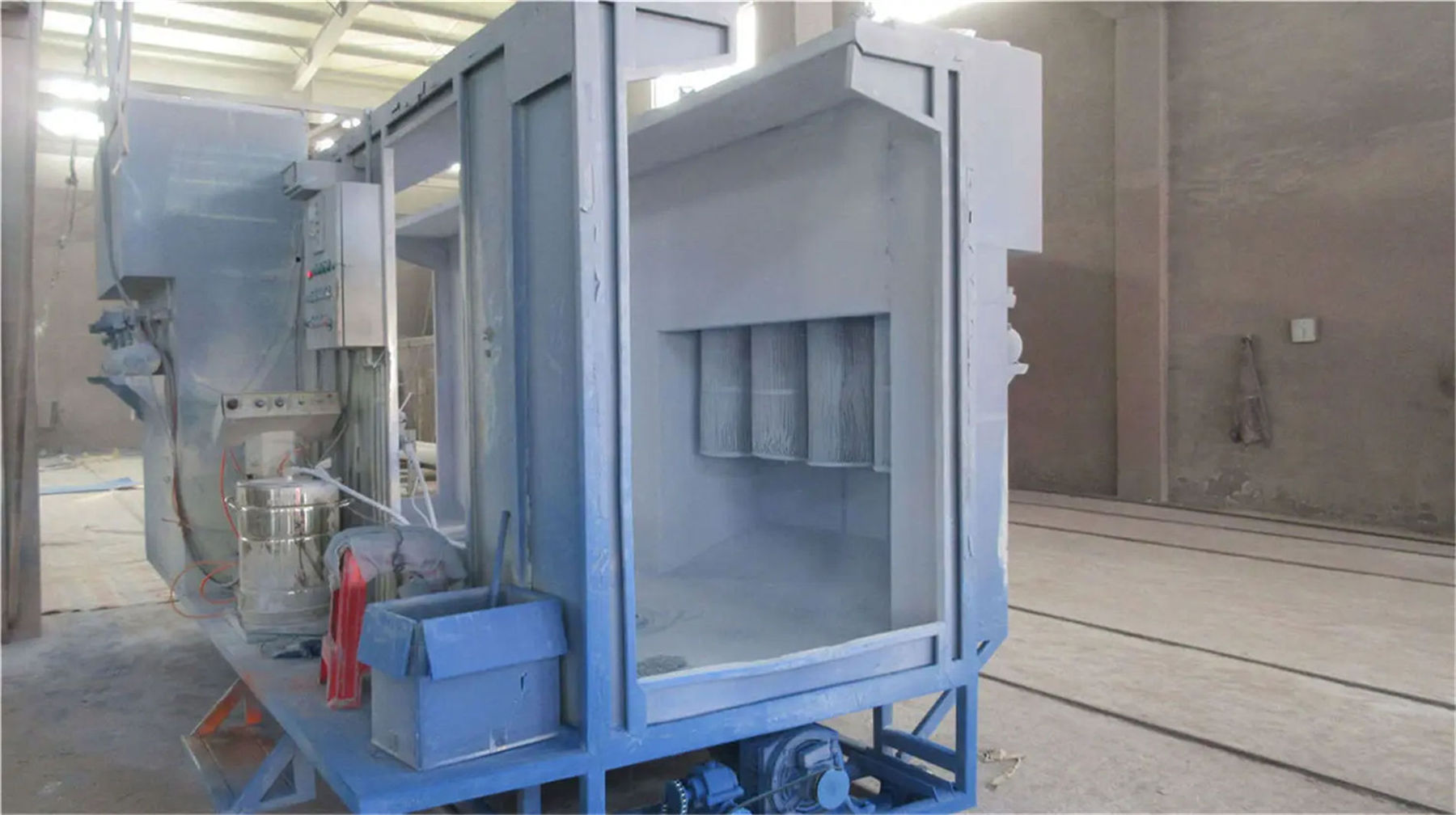
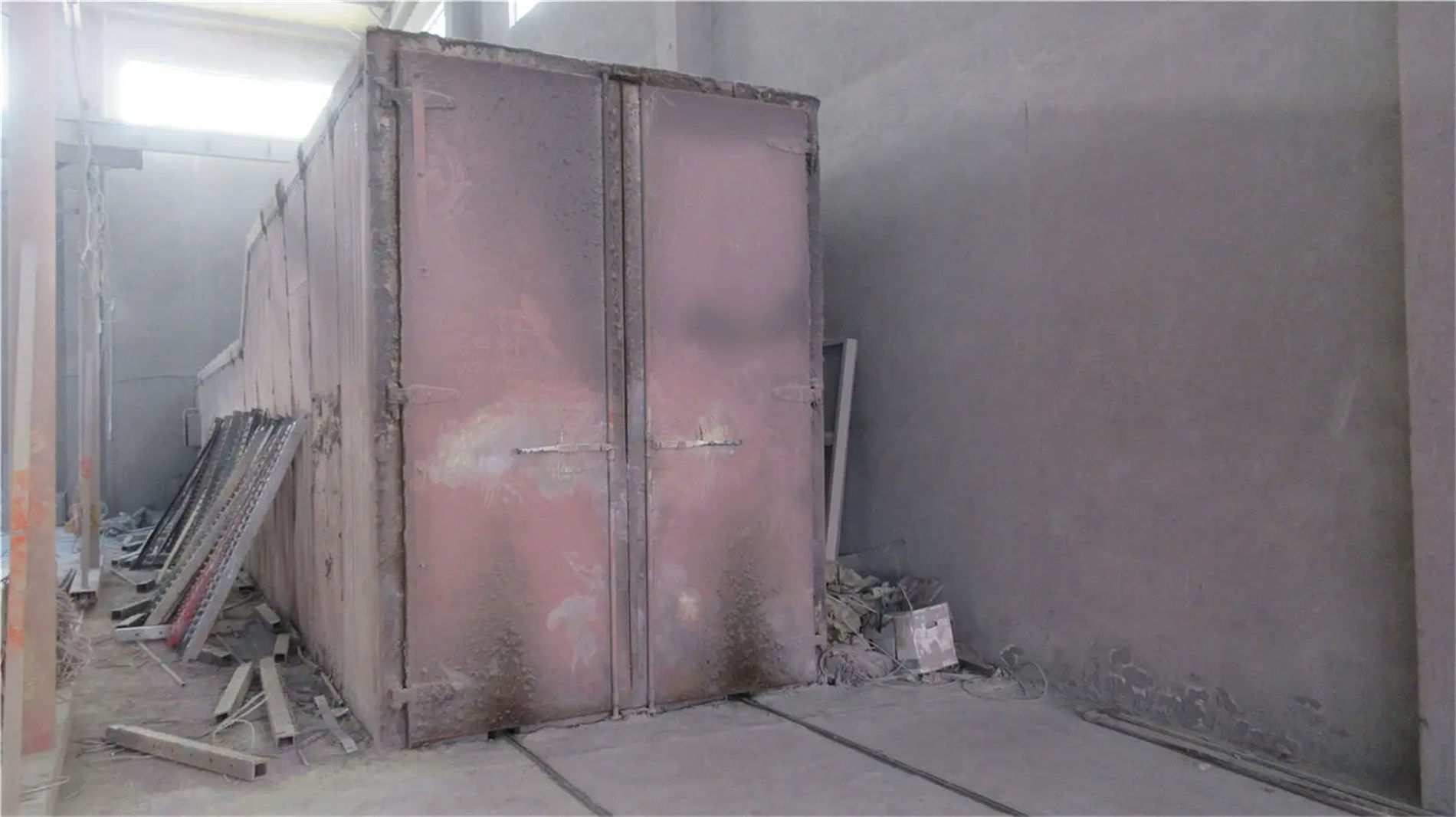
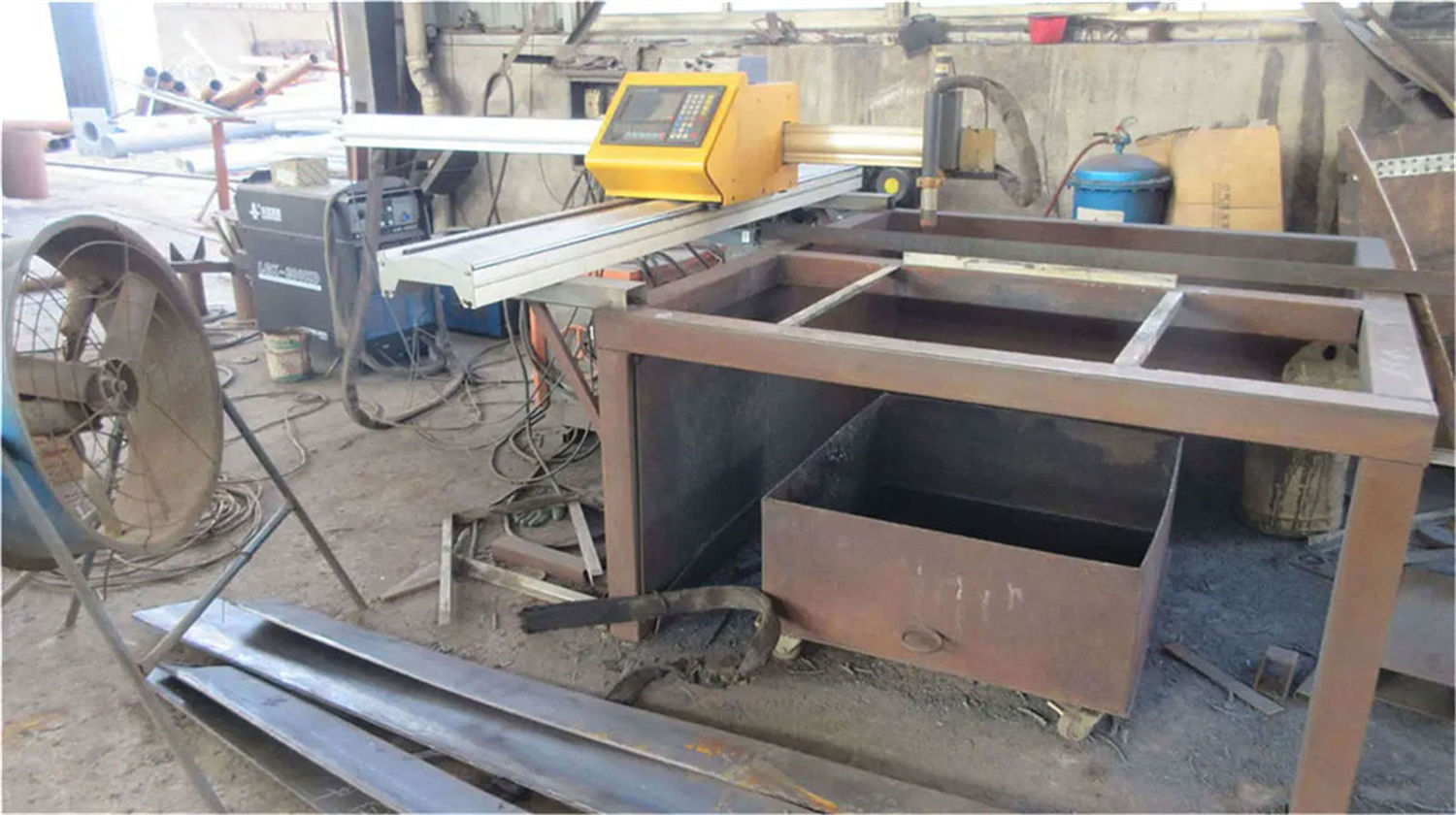
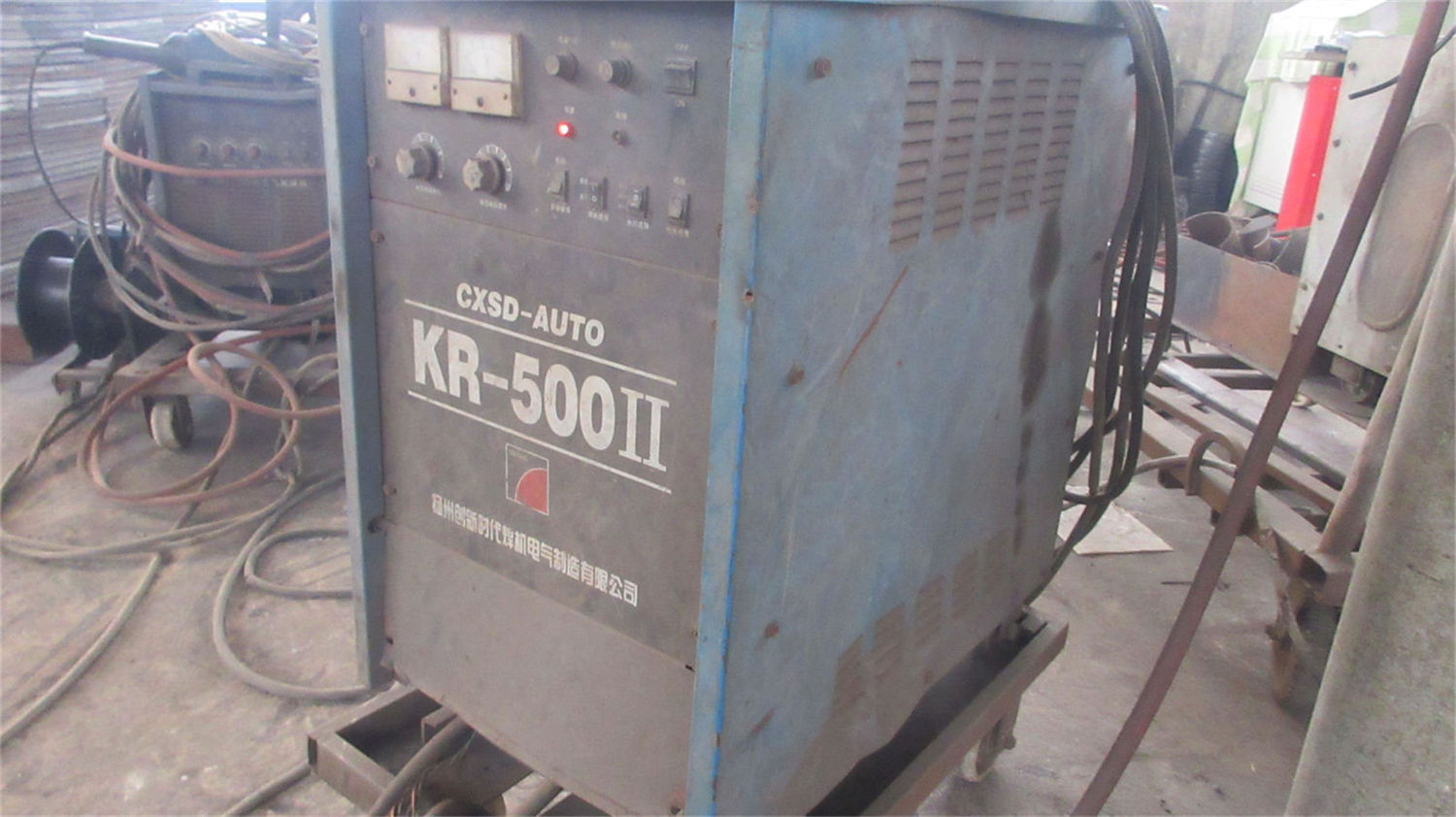
Our manufacturing complex is a testament to the "Industry 4.0" philosophy, featuring:
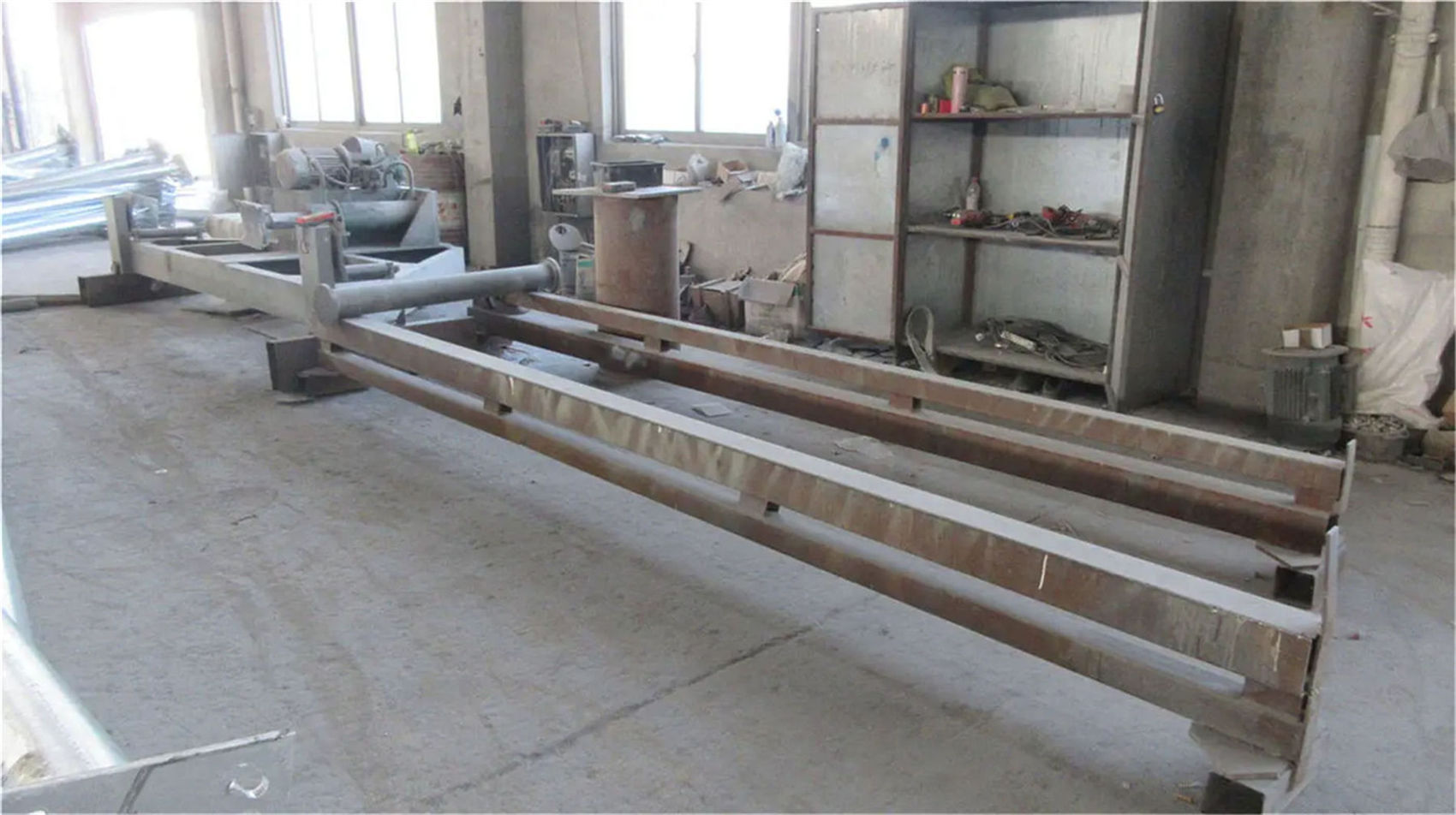

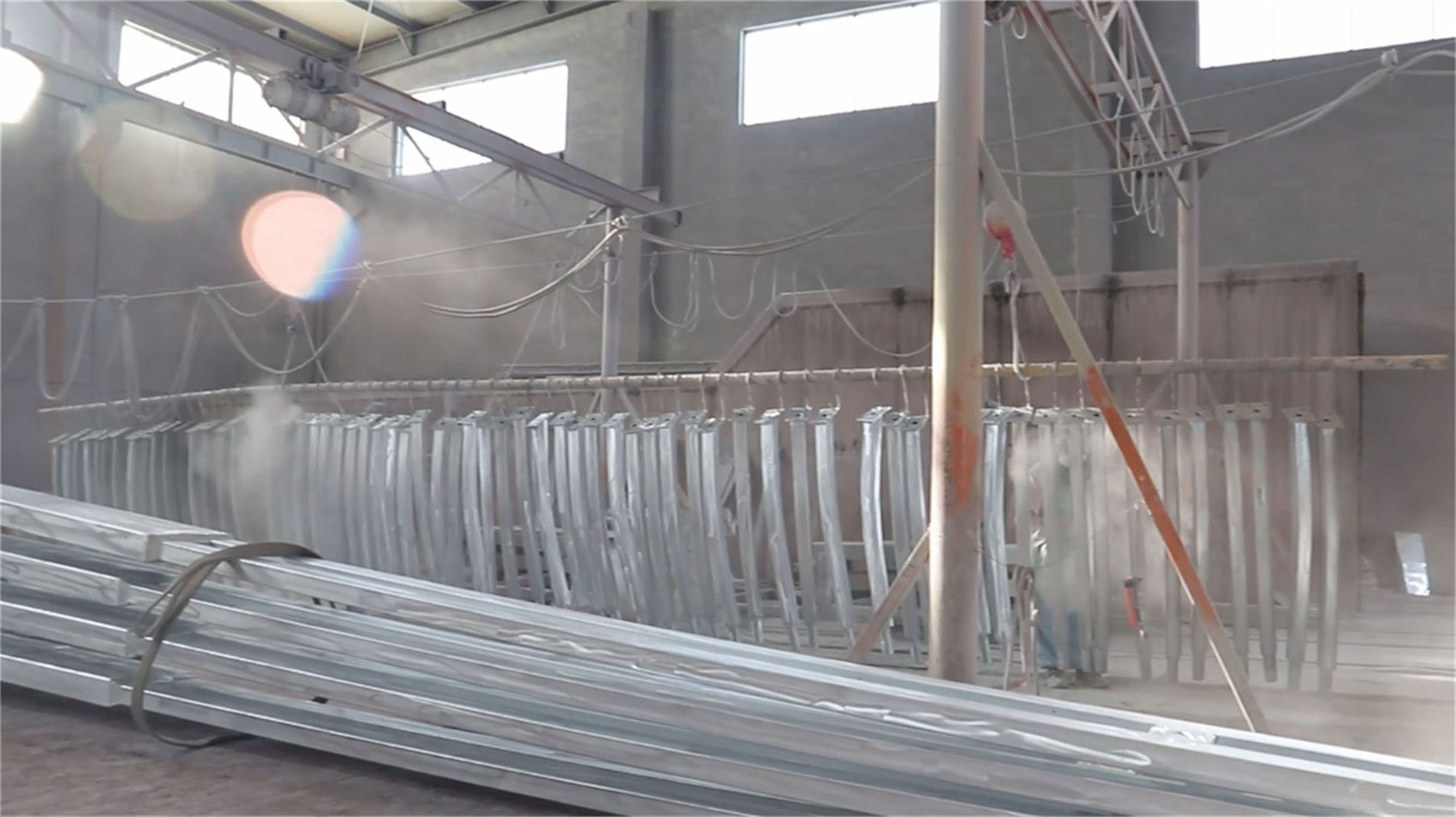
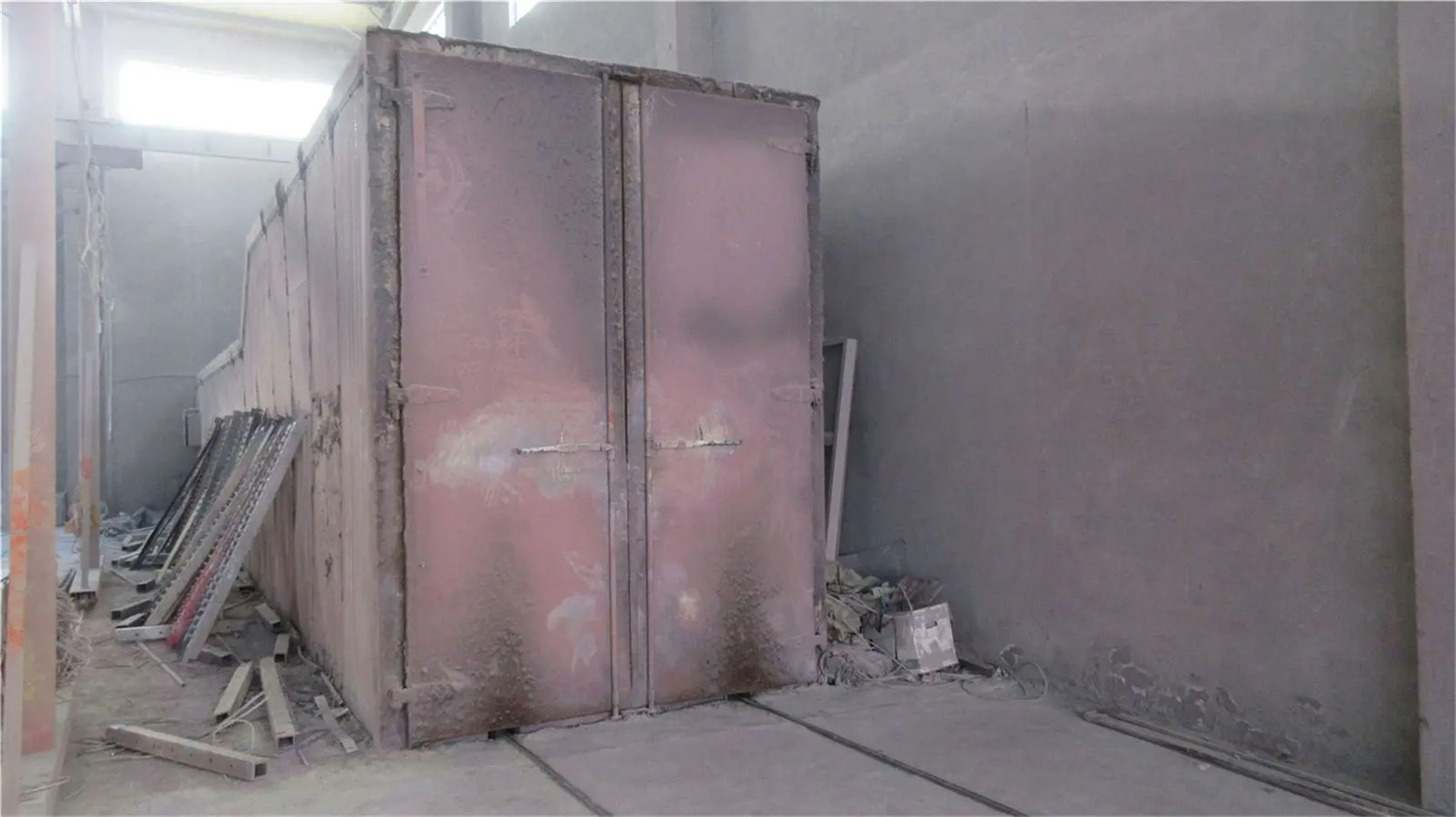
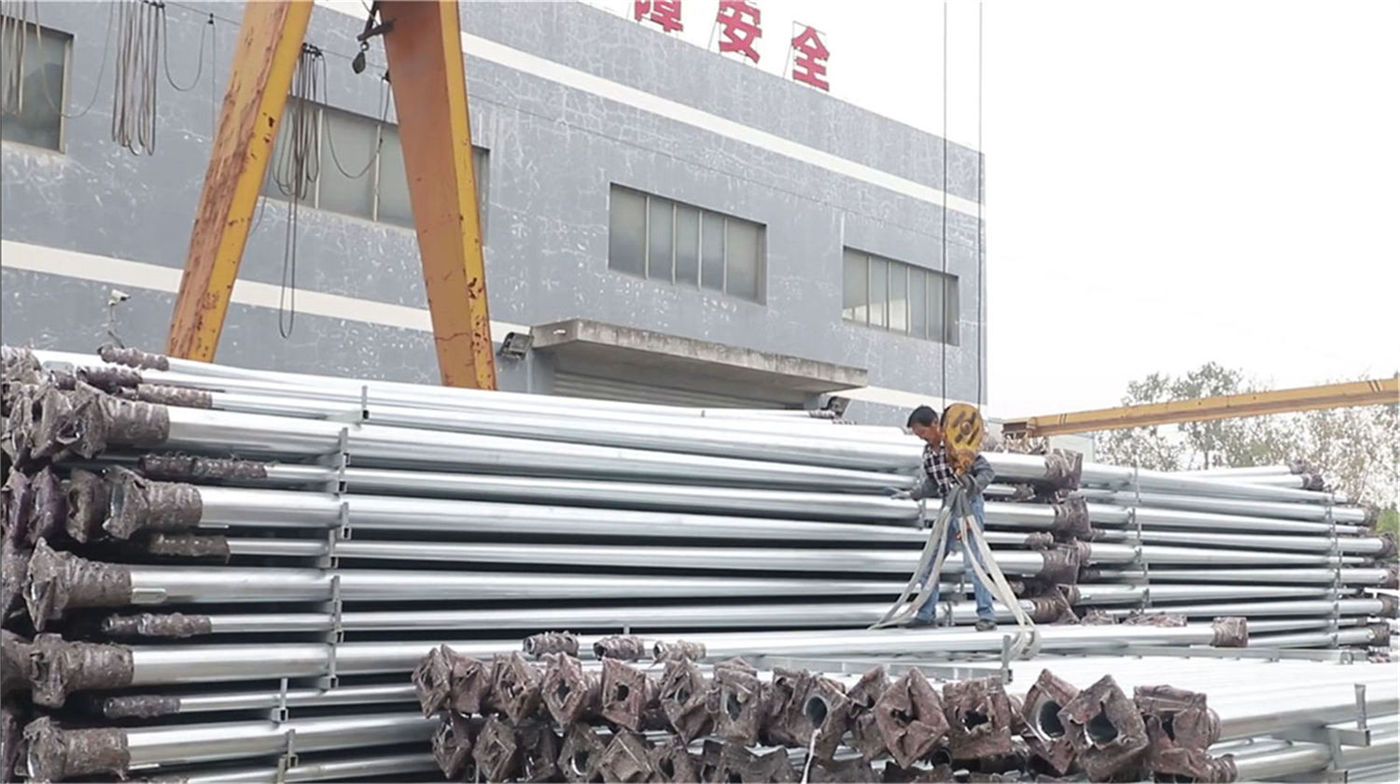
We operate seven specialized production lines ranging from SMT automatic PCB assembly to large-scale lighting pole manufacturing. This vertical integration allows us to maintain 100% control over the supply chain, ensuring that every solar street light arriving at the Port of Veracruz and transported to Mexico City meets the exact technical specifications of our clients.
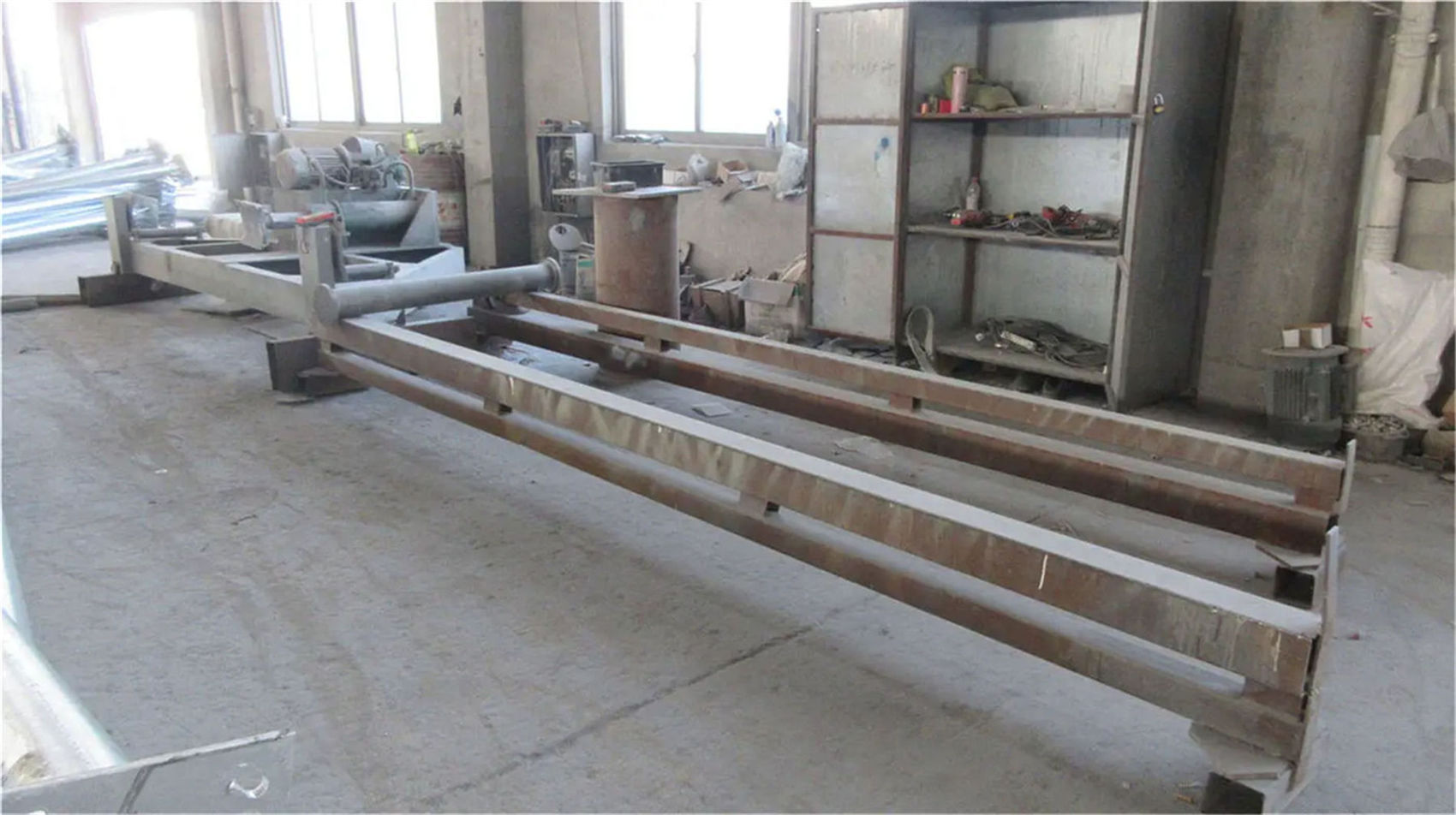
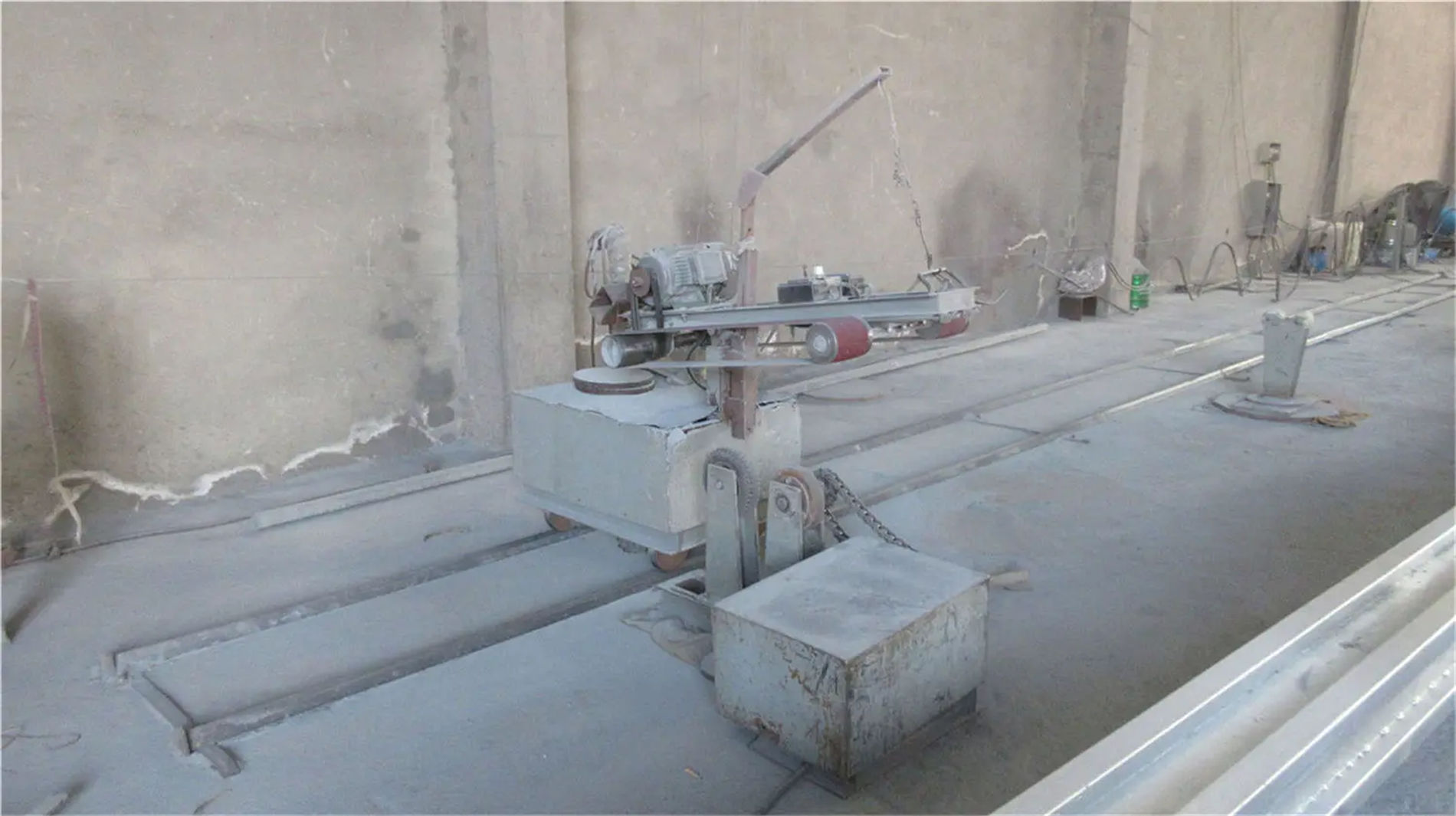
A: Our poles are designed with reinforced anchor bolts and use Q235B/Q345B high-tensile steel. We perform structural analysis to ensure the masts can withstand the dynamic loads associated with both high winds and local seismic events.
A: Yes. Our systems are sized with an "Autonomy Ratio" of 3-5 days. Even during heavy overcast weeks in August, the high-efficiency monocrystalline panels and LiFePO4 battery management system (BMS) ensure the lights remain active throughout the night.
A: Production typically takes 15-20 days. Shipping from Shanghai or Ningbo to the Port of Manzanillo or Veracruz takes approximately 25-30 days. We provide all necessary documentation for customs clearance (Pedimento) and NOM certification support.