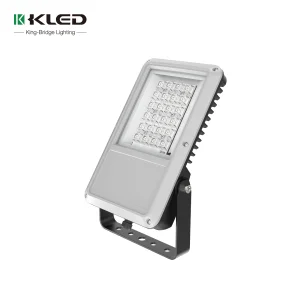
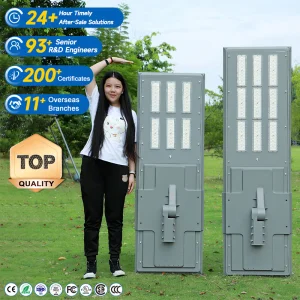
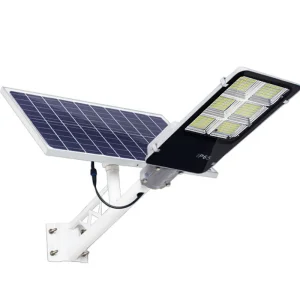
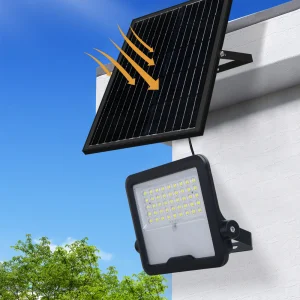
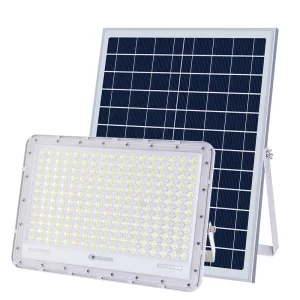
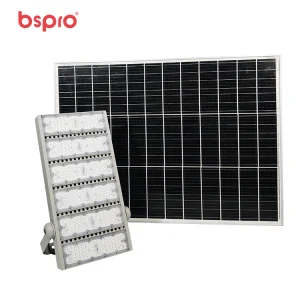
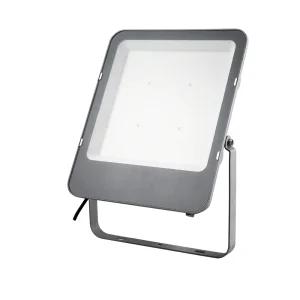
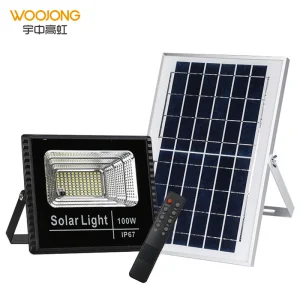
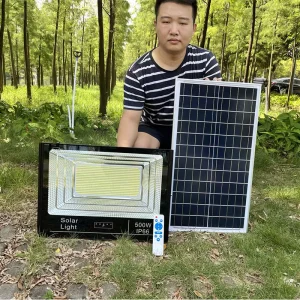
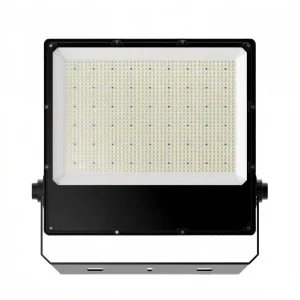
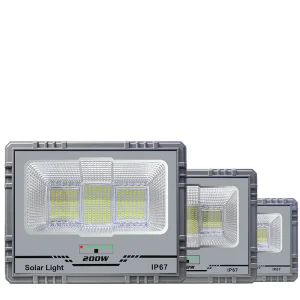
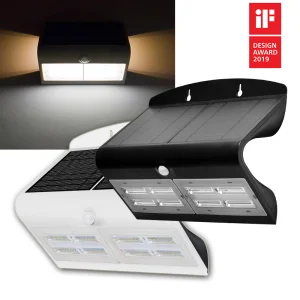
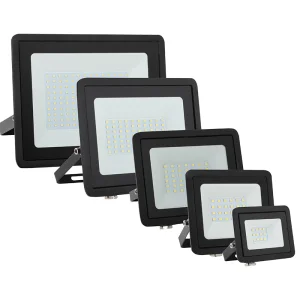
Highly optimized smart-solar solutions customized for infrastructure, roadway, and perimeter lighting deployment across Timor-Leste.
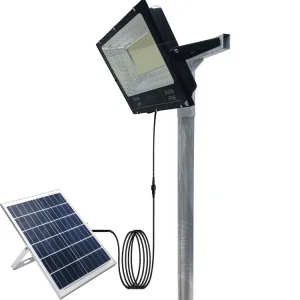
Timor-Leste, situated in the heart of the Coral Triangle, is a nation experiencing rapid developmental growth and infrastructural transformation. As urbanization expands outward from the capital of Dili to districts such as Baucau, Bobonaro, and the Special Administrative Region Oecusse-Ambeno (RAEOA), stable outdoor municipal and industrial lighting becomes imperative. However, the geographic reality of a mountainous, tropical island ecosystem presents unique grid connectivity hurdles.
The traditional electric grid in Timor-Leste relies heavily on imported diesel generators, resulting in high municipal operating costs and vulnerability to fuel supply chain disruptions. Off-grid solar technologies represent not just an ecological preference, but a vital economic lifesaver. Standard lighting systems regularly struggle under the country's relentless marine environment, where humidity hovers above 80% and high-salinity maritime winds corrode lower-tier aluminum structures within months.
Average daily solar radiation ranges from 5.5 to 6.5 kWh/m², presenting an optimal environment for high-efficiency monocrystalline PV panels to secure swift charging cycles.
Coastal marine environments require anti-corrosive powder coatings, IP66-IP68 ingress ratings, and 304/316 stainless steel mounting hardware to prevent premature failure.
Decentralized lighting eliminates the need for expensive trenching and cable laying over rough geological terrain, cutting project CAPEX by up to 60%.
For heavy industry, harbor cargo areas, military outposts, and agricultural developments along the southern coast, security lighting must operate continuously at 100% luminous capacity throughout the night. Typical retail-grade solar lights fail in these environments due to undersized Li-ion batteries and weak thermal management systems. In contrast, heavy-duty commercial solar floodlights utilize advanced Lithium Iron Phosphate (LiFePO4) battery chemistry, boasting over 3,000 charge-discharge cycles at high ambient temperatures without undergoing thermal runaway.
By sourcing solar assets specifically designed for equatorial climates, Timorese contractors can ensure uninterrupted operation even during the prolonged wet season (November to May), during which cloudy days can persist for a week. Systems must feature advanced Maximum Power Point Tracking (MPPT) solar charge controllers, programmed with smart power management algorithms to dynamically dim LEDs when battery reserves drop, ensuring 3 to 5 nights of autonomous operation.
On a global scale, the demand for commercial solar floodlights has surged as multinational corporations strive to align with Environmental, Social, and Governance (ESG) standards. Decarbonizing outdoor industrial operations—ranging from mining facilities in Australia to logistics centers in Rotterdam—is a key target. The convergence of three distinct technologies has accelerated this transition:
This global technology shift has established clear baseline standards. For purchasing departments managing projects in developing port regions like Dili, selecting products that meet international certifications (such as CE, RoHS, ISO 9001, and IEC 61215) is essential to safeguard capital investments against premature component degradation.
Located in the industrial hub of Yangzhou City, Jiangsu Province, China, Yangzhou Gtron Solar Co., Ltd. is a dedicated manufacturer and solution provider specializing in solar lighting systems, LED outdoor lighting, and renewable energy products. Over the past 20 years, Gtron Solar has evolved from a regional manufacturer into a modern, high-tech enterprise equipped with advanced manufacturing facilities and intelligent production systems.
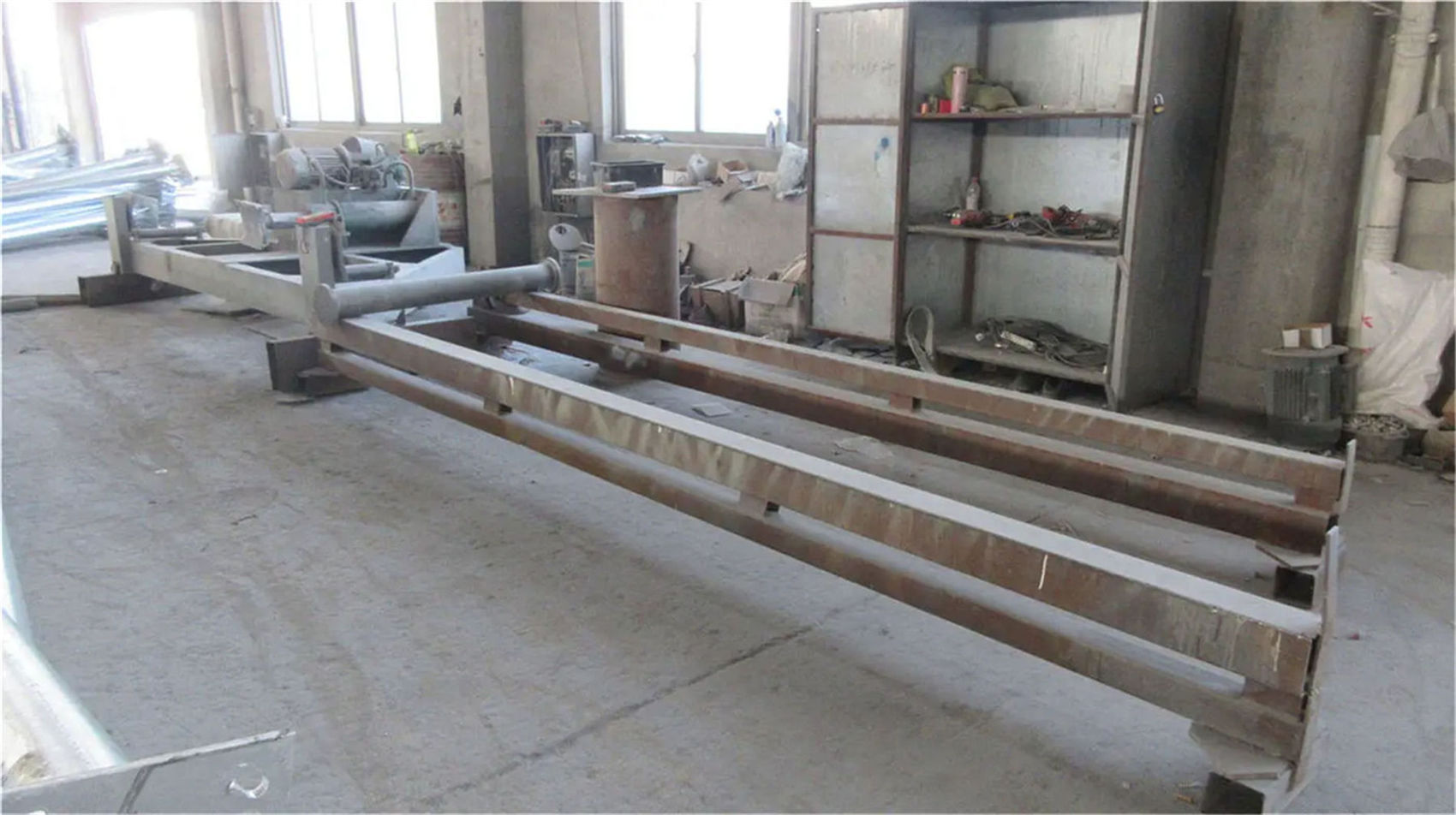
The Chinese manufacturing ecosystem, particularly within Jiangsu Province, is globally recognized for its supply chain integration. At Gtron Solar, we control every step of the production cycle: from structural steel bending and automatic submerged arc welding to SMT automatic PCB placement, lithium battery pack assembly, and comprehensive solar panel laminating. This vertical integration allows us to deliver customized engineering designs with shorter lead times and strict quality control.
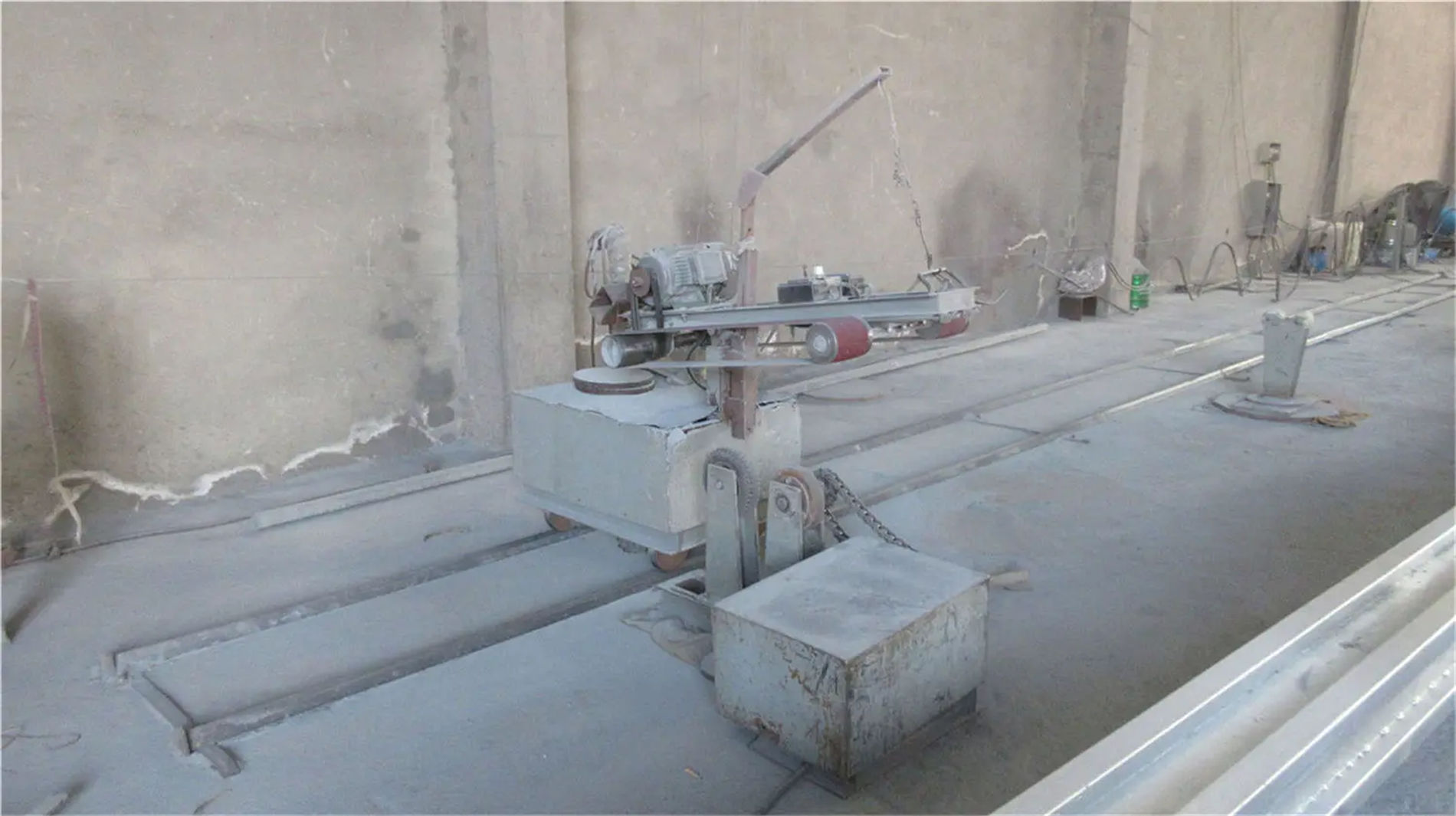
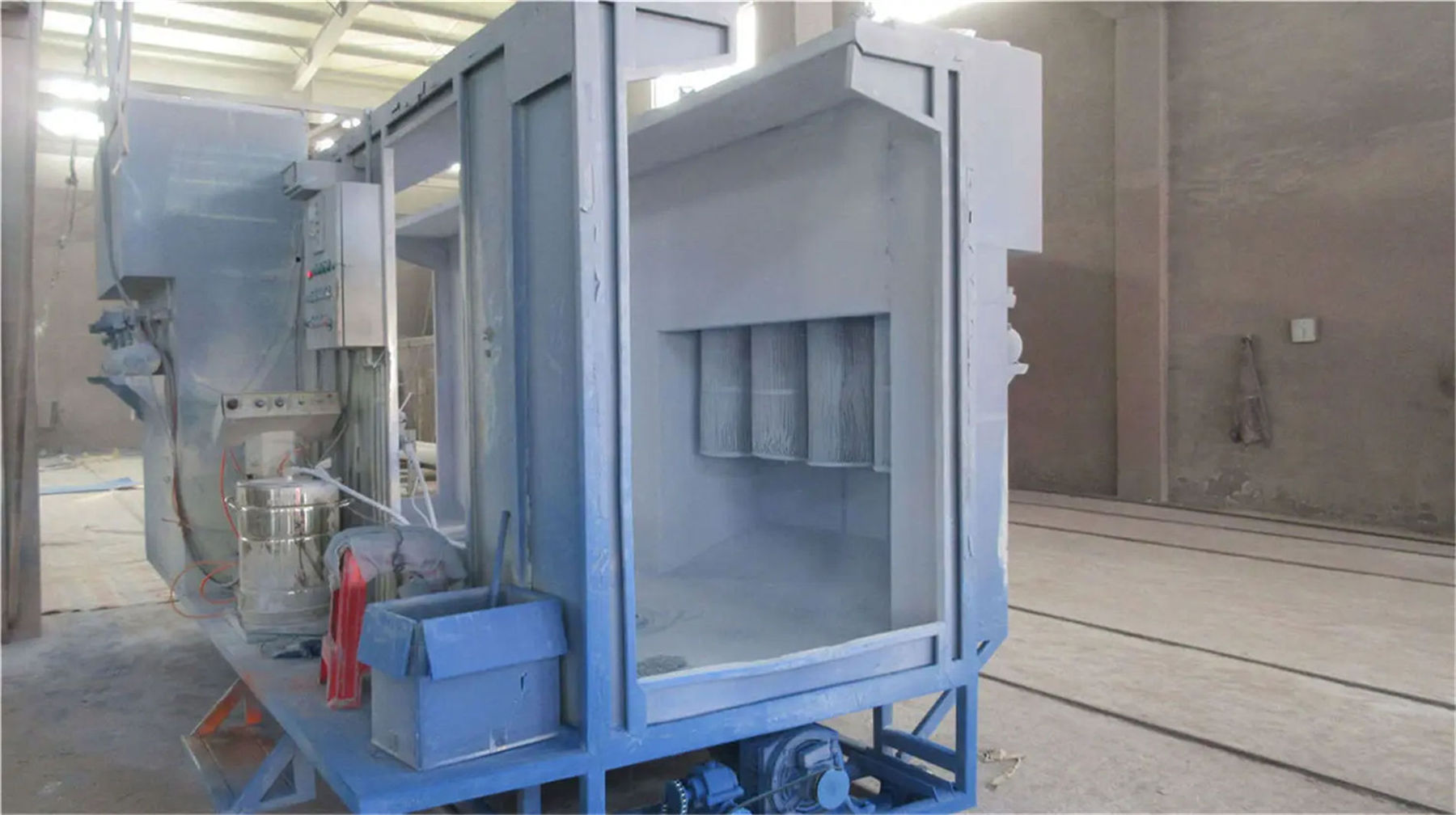
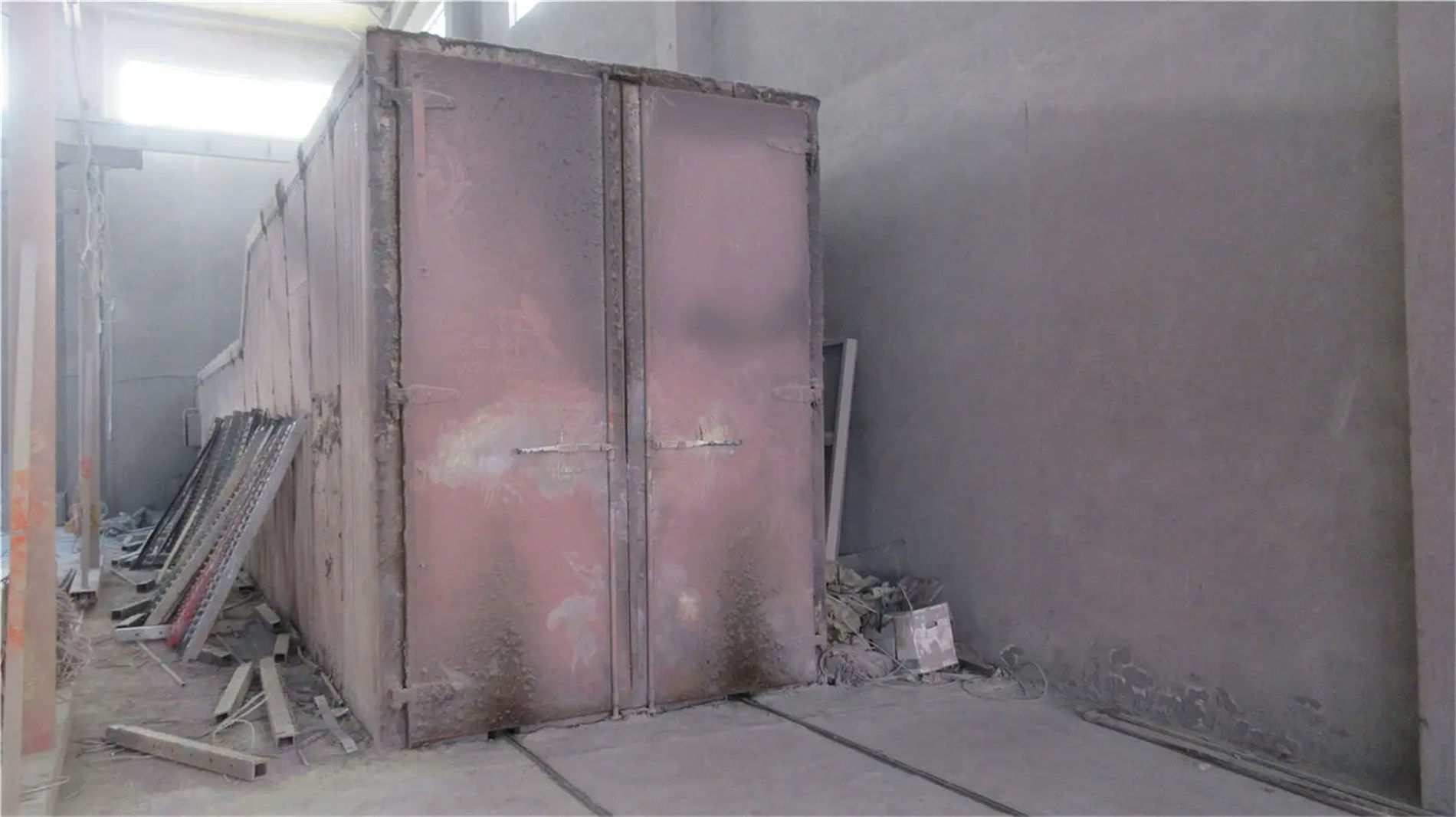
Our production facilities are equipped to manage large-scale global contracts, featuring specialized lines:
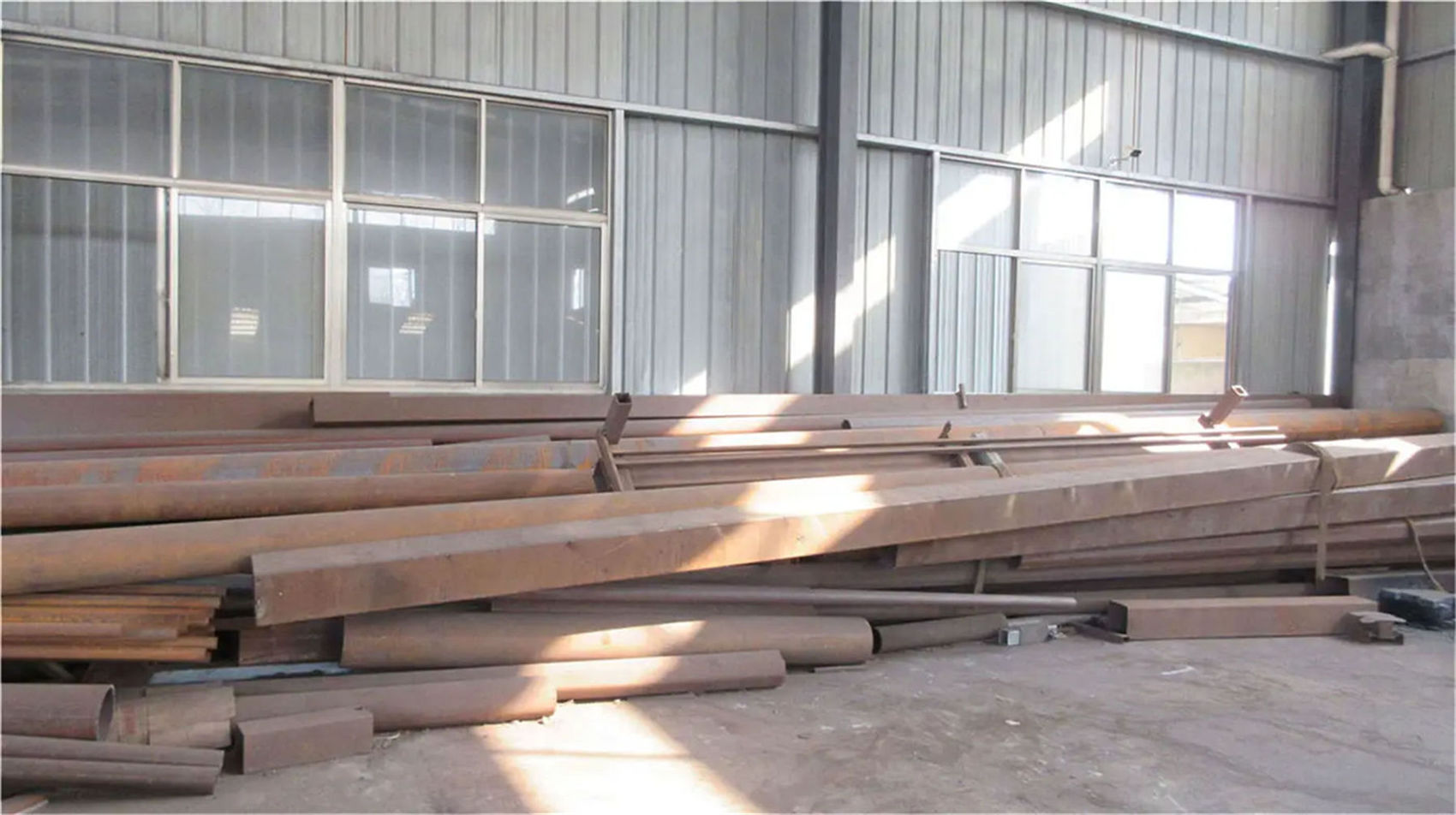
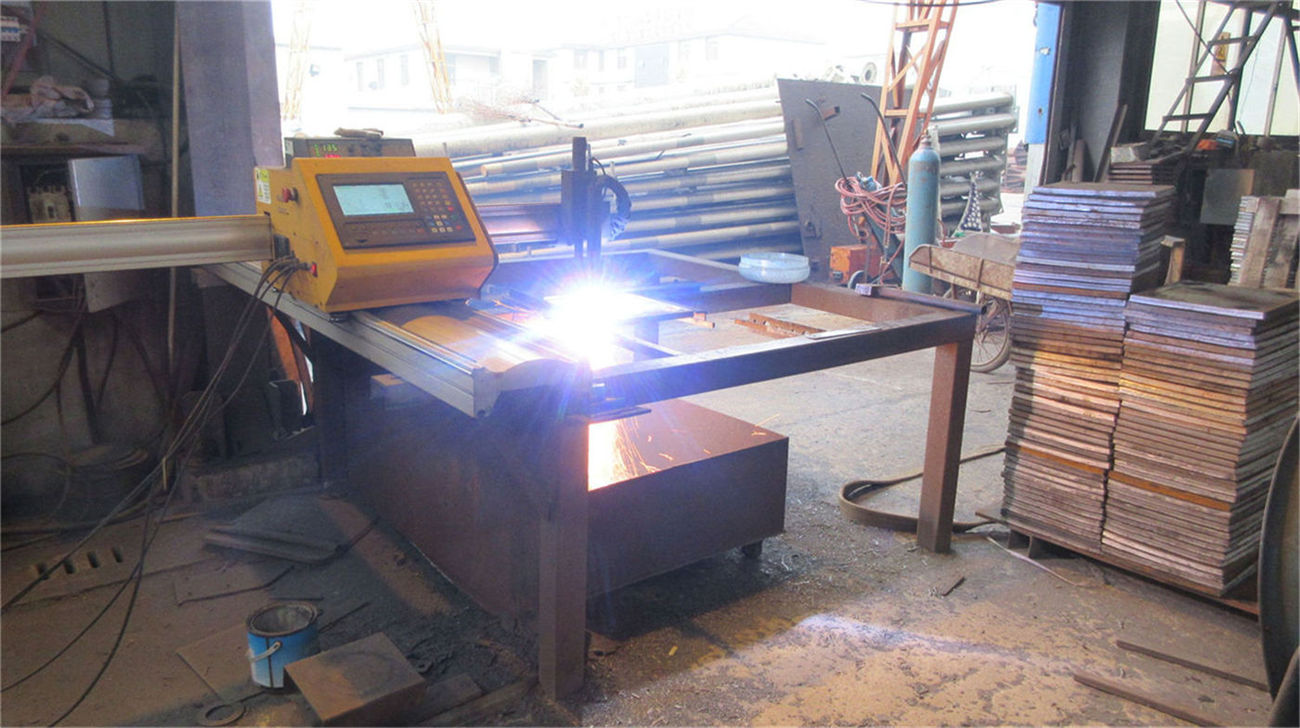
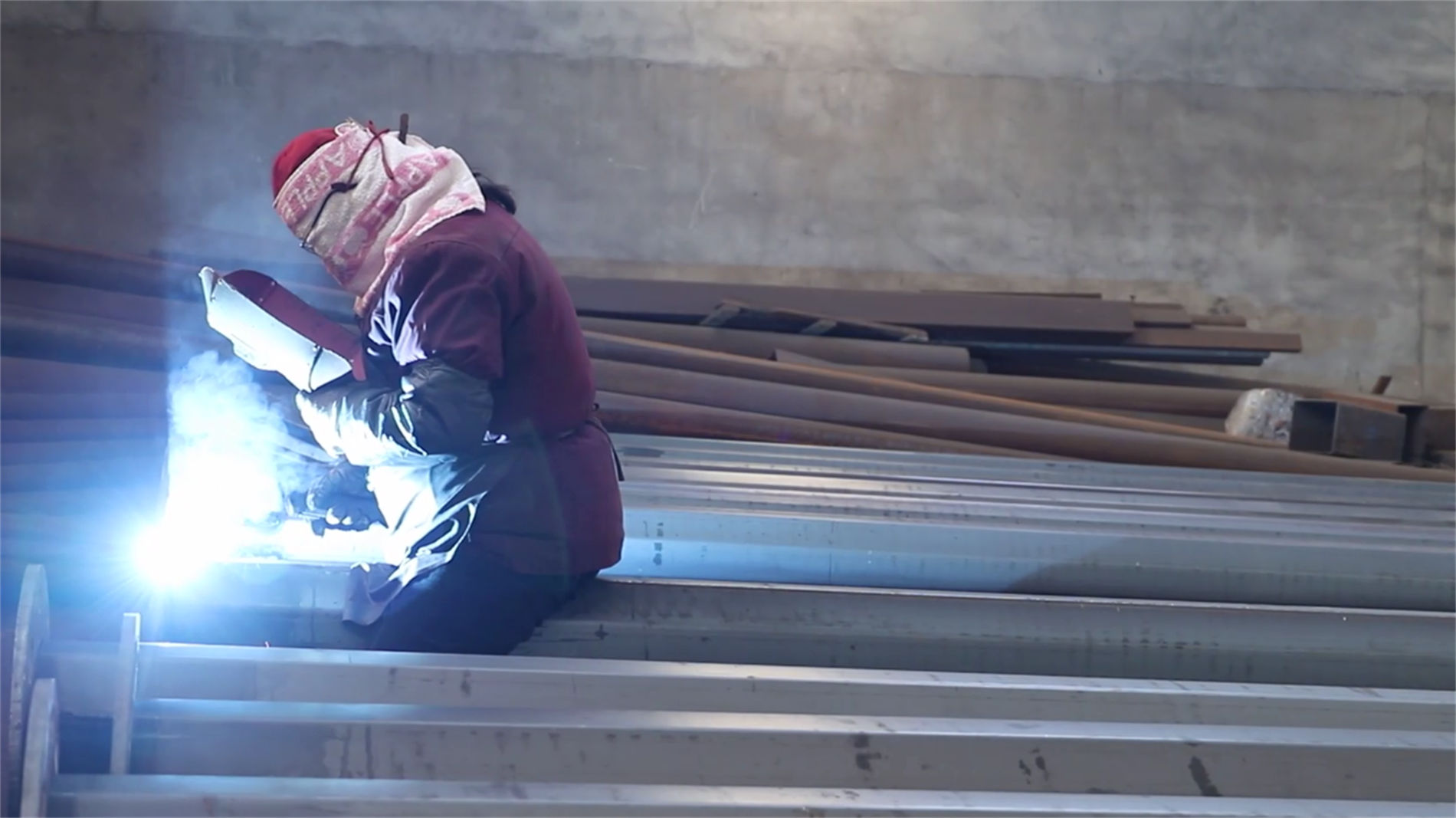
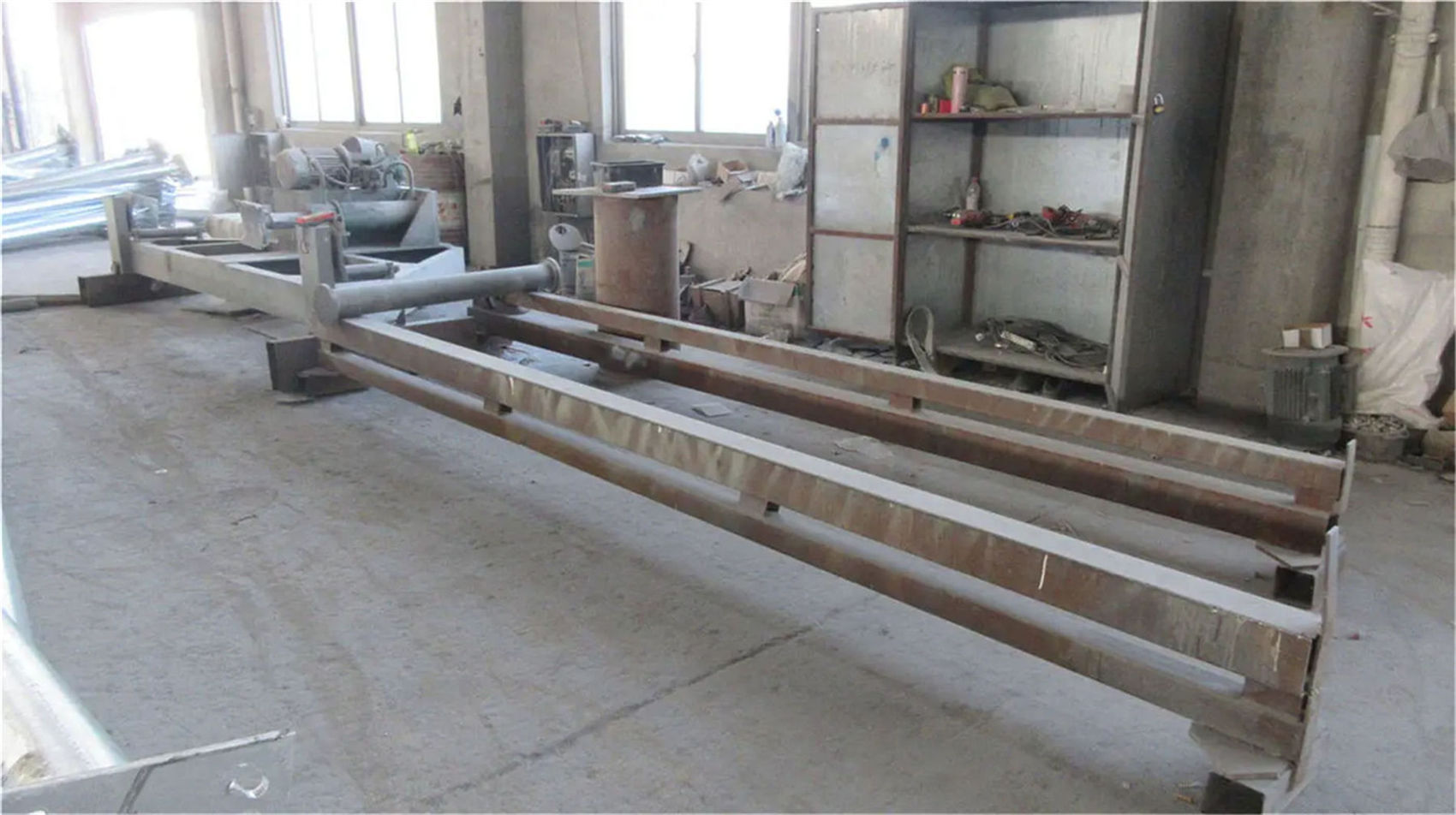
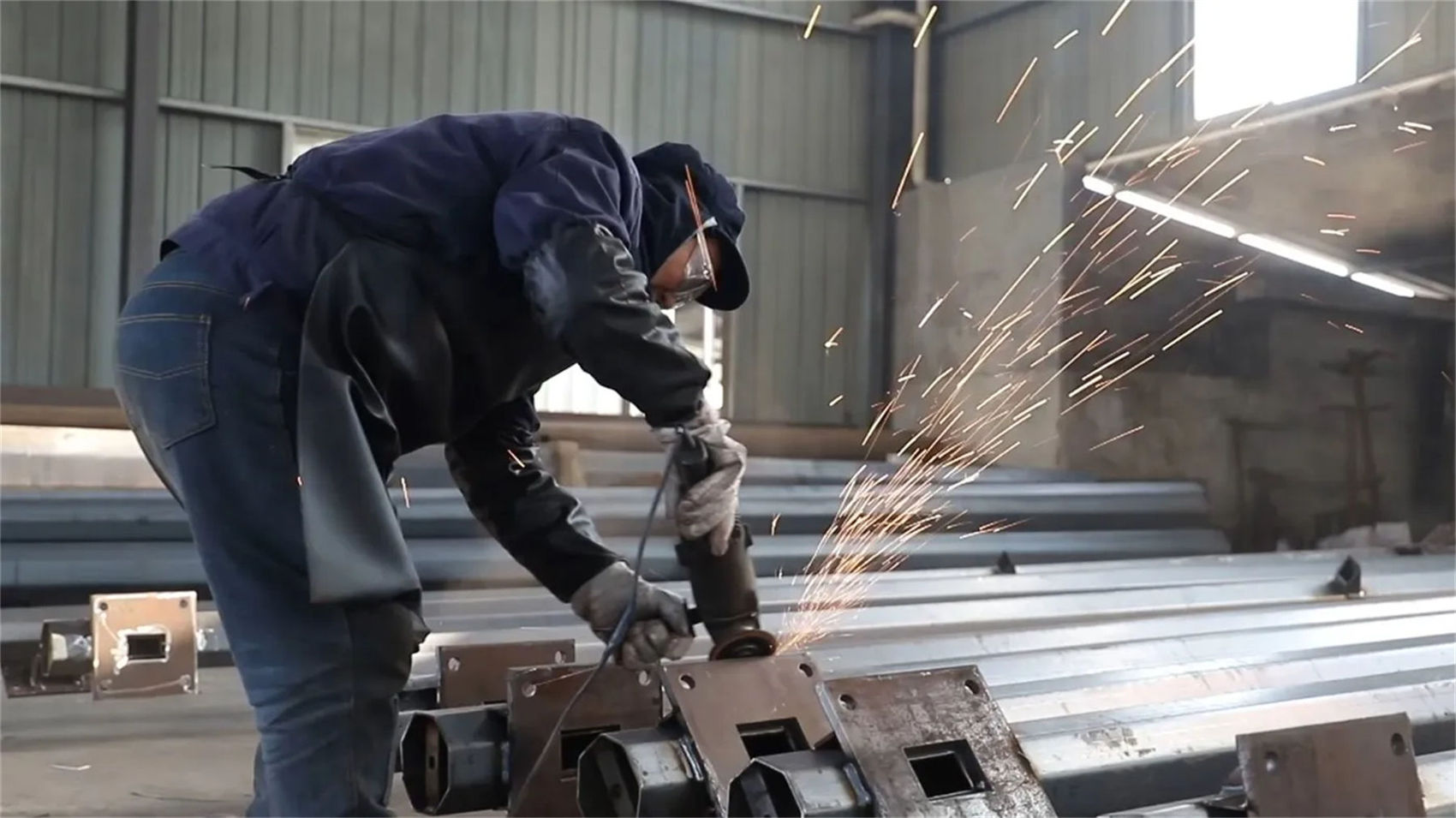
Large CNC bending machines, high-speed longitudinal shearing, automatic submerged arc welding, and laser cutting equipment ensure high structural integrity.
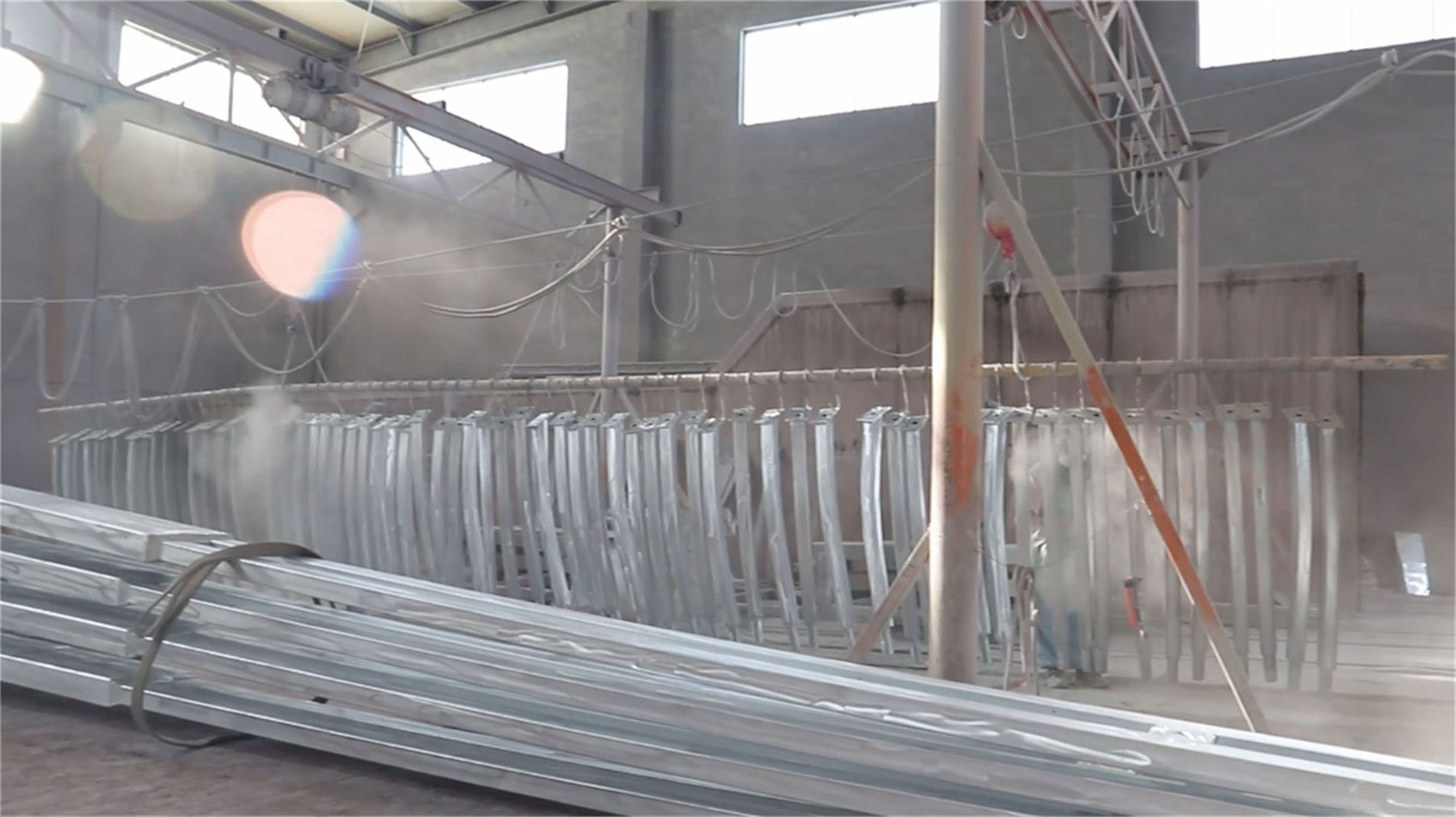
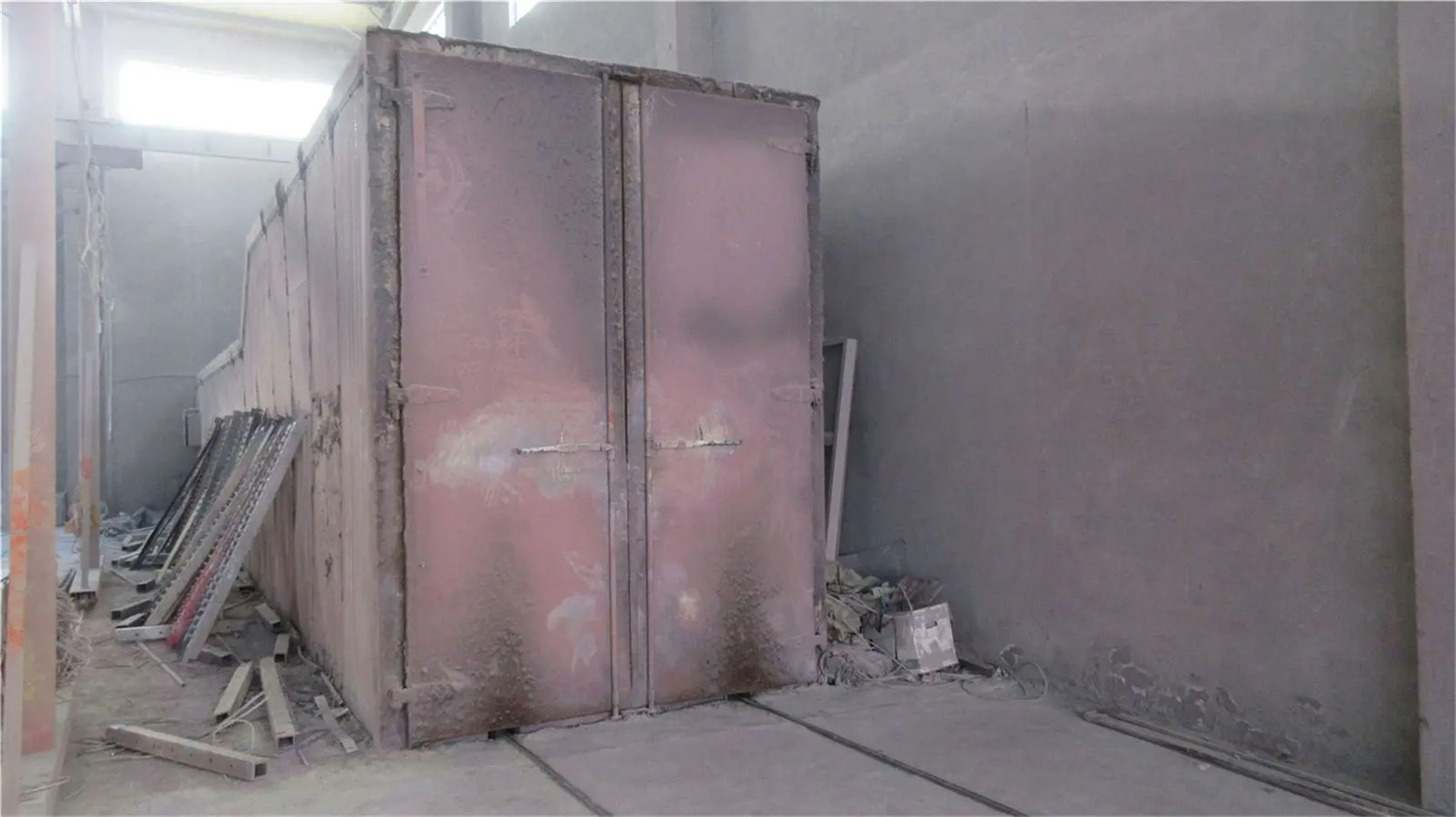
Electrostatic powder coating lines and fluorocarbon paint spraying workshops provide high corrosion protection for coastal environments.
SMT automatic PCB and LED module production lines, alongside lithium pack integration, ensure long-term electronic reliability.
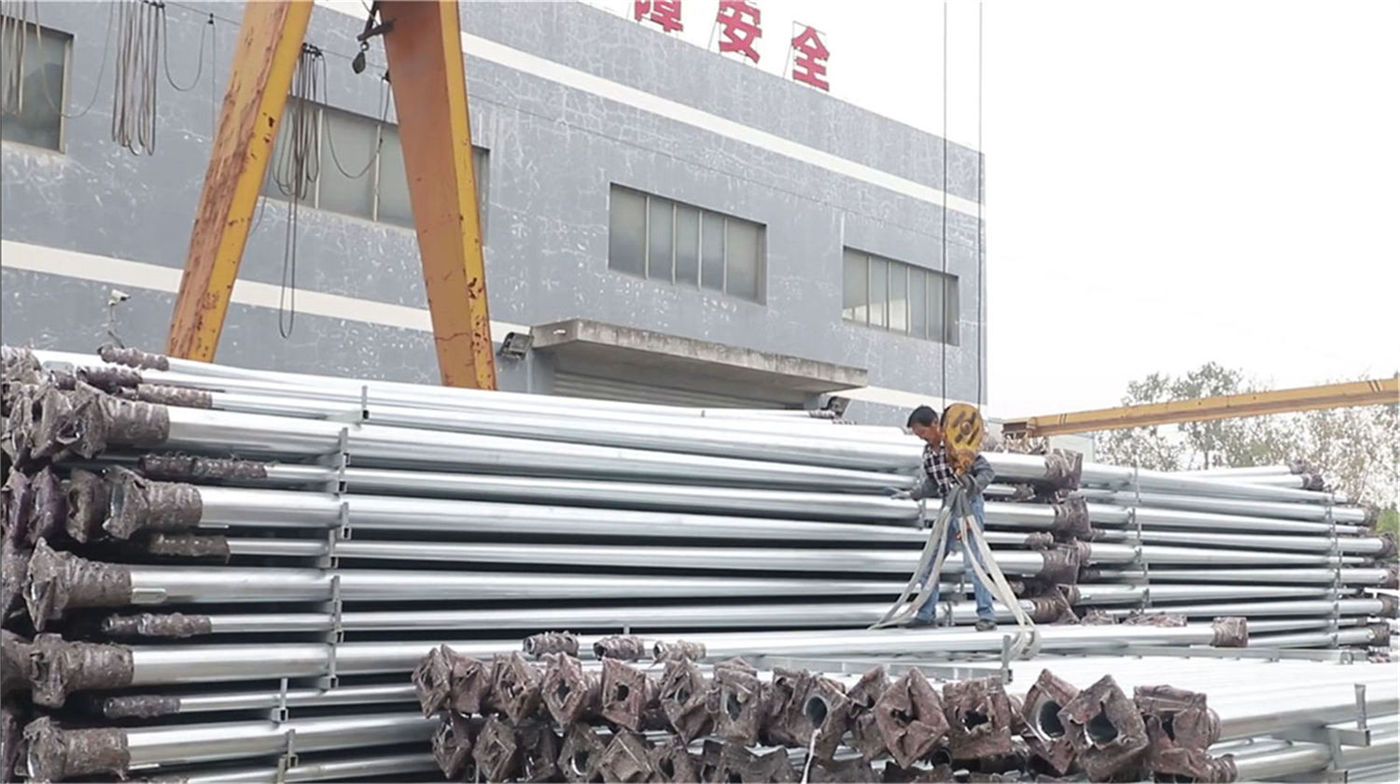
Transparent representation of our manufacturing processes, showing every phase from raw steel and silicon cells to final testing.
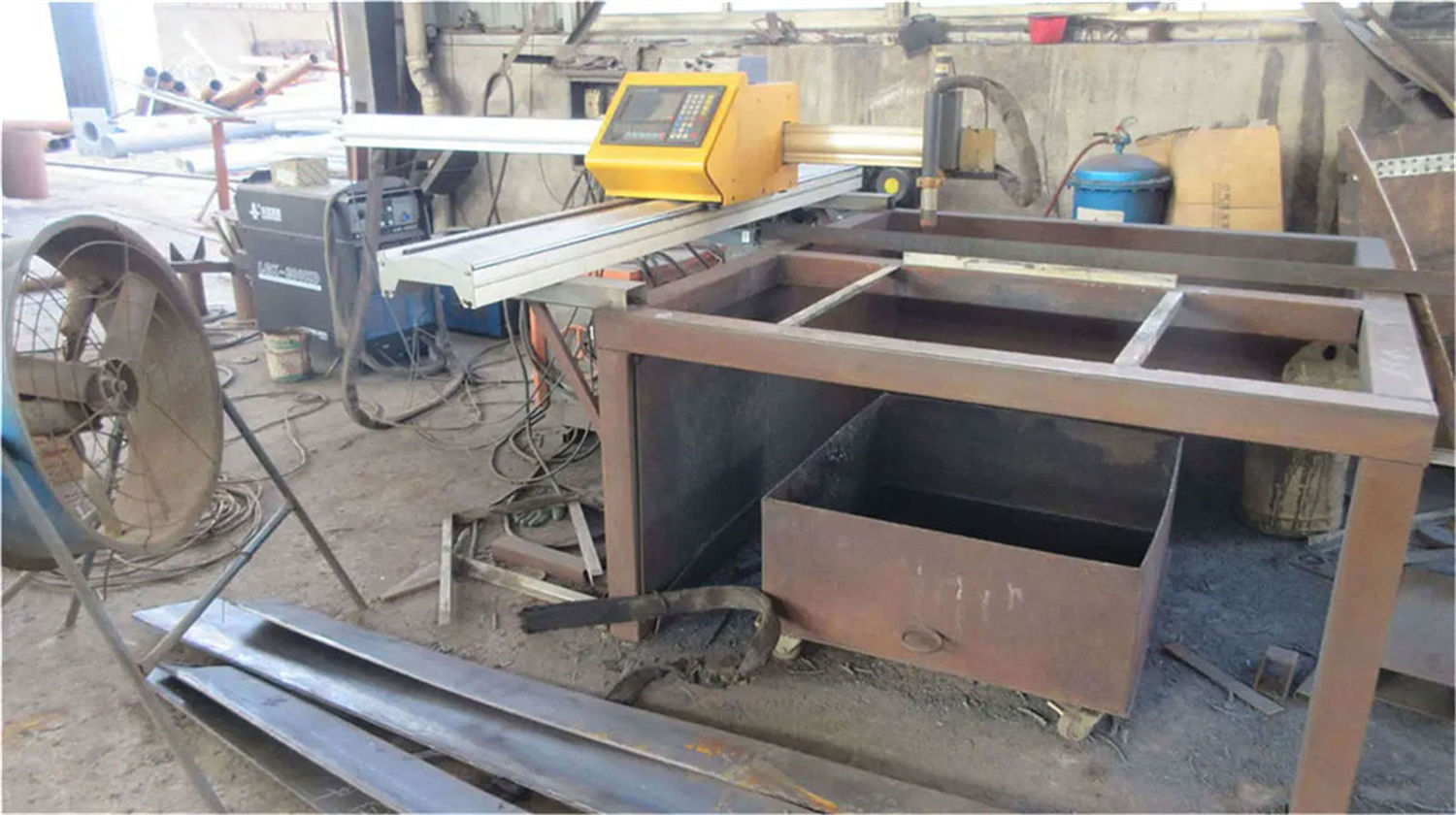
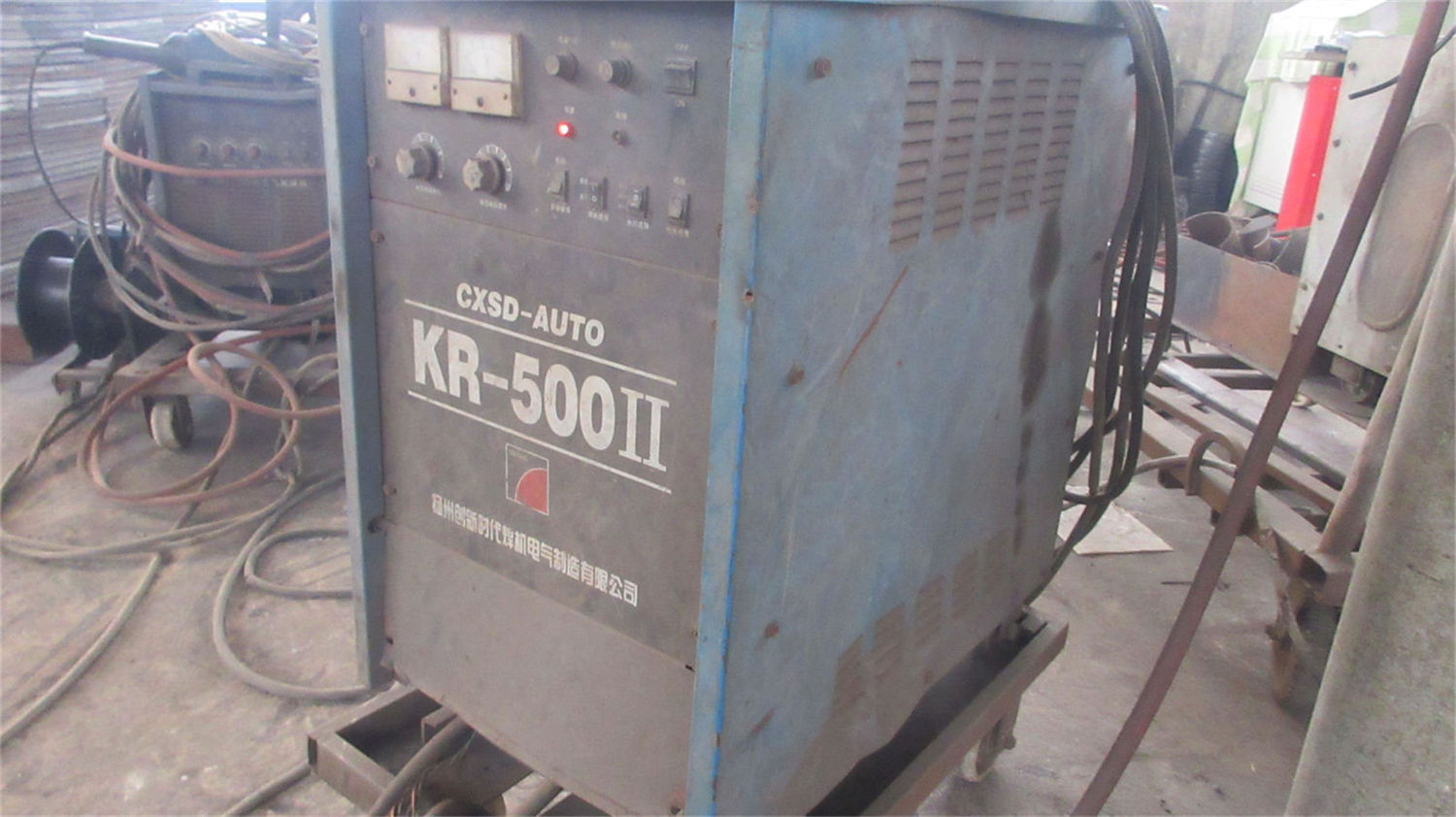
To achieve maximum efficiency, solar flood lighting systems should be tailored to their specific deployment conditions:
Operating ports, such as the Tibar Bay Port and the Port of Dili, require robust lighting to secure container storage yards, logistics corridors, and dock perimeters. High mast lighting fixtures must be equipped with salt spray-resistant powder coatings (exceeding 1000 hours of salt spray testing) and IP66 marine-grade structural protection.
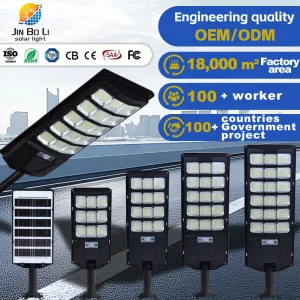
Connecting outlying districts Baucau, Viqueque, and Suai often involves crossing mountainous, geologically unstable terrain. Extending high-voltage lines is frequently impractical. Here, heavy-duty solar streetlights operate independently, providing reliable illumination for roads and public markets without grid connection.
Coffee processing yards in Ermera and oil/gas support bases along the southern coast require secure perimeter lighting. In these settings, high-power solar floodlights with built-in remote dimming and motion sensors help balance security needs with battery longevity.
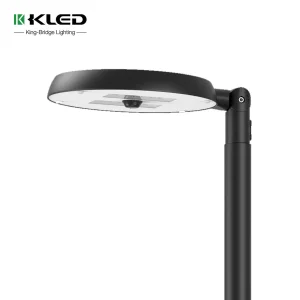
Urban spaces require uniform, glare-free lighting for public safety. Integrated solar garden and street systems provide clean, aesthetic lighting for municipal parks, clinics, and school grounds, operating without adding to municipal utility debts.
When selecting commercial solar floodlights, project engineers and purchasing managers should evaluate several key performance indicators to ensure long-term return on investment:
Specifying these higher standards prevents premature component failure, reducing maintenance and replacement costs over the life of the installation.
Technical clarifications regarding shipment, configuration, installation, and deployment in Timor-Leste.
Contact our engineering support team for customized photometric designs, technical spec sheets, and project-based pricing.
Additional commercial flood and street lighting solutions engineered for heavy-duty outdoor performance.