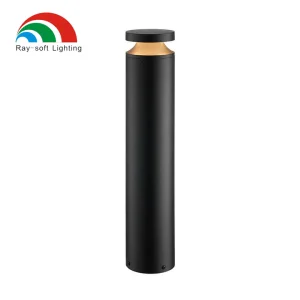
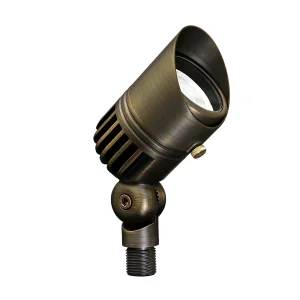
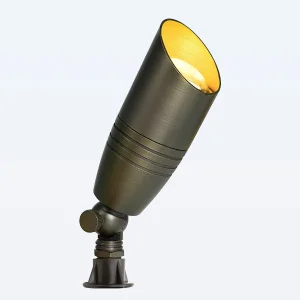
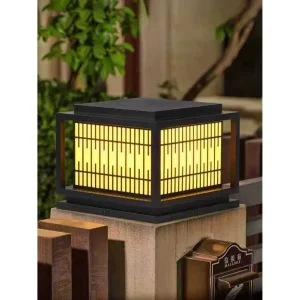
Engineered to withstand the demanding marine environments and strict energy regulations of the Benelux region, our premium selection delivers unparalleled luminous efficacy and IP-rated reliability.
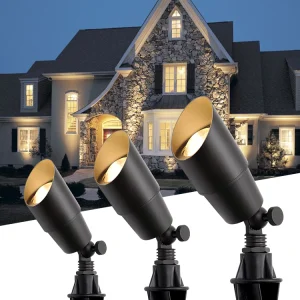
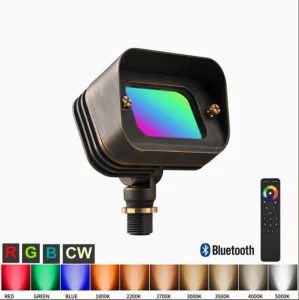
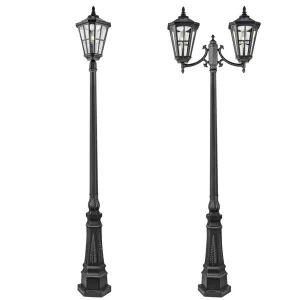
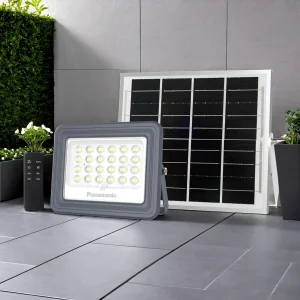
The Netherlands represents one of the most mature, technologically advanced, and ecologically conscious outdoor lighting markets in the world. Driven by strict regional policies such as the **European Green Deal**, national energy savings agreements, and localized "Dark Sky" regulations, Dutch urban planners, landscape designers, and commercial developers demand systems that offer high lumen output with minimal environmental footprint.
In the Netherlands, landscape lighting is no longer just about aesthetic illumination; it is a critical component of smart city infrastructures. Coastal provinces like Zeeland and North Holland face aggressive maritime elements—highly saline air, dense fog, and prolonged high-humidity cycles. Under these environments, standard consumer-grade outdoor fixtures degrade rapidly, leading to electrical faults and structural corrosion. As a result, B2B procurement professionals in Rotterdam, Amsterdam, and Utrecht prioritize lighting products built from highly durable alloys, such as structural-grade die-cast aluminum and solid brass, treated with multi-stage electrostatic and fluorocarbon anti-corrosion protective layers.
Moreover, the country’s high population density combined with its focus on biological preservation has led to the adoption of specific spectral compositions. Lighting configurations must minimize blue light pollution to protect nocturnal ecosystems and avian migration paths, particularly around major green zones like the Veluwe or polder-based developments. Consequently, there is an escalating demand for smart, low-voltage (12V/24V) systems, precise optical distribution lenses, and smart solar-integrated bollards that operate independently of the primary grid during peak winter demand.
Globally, the landscape lighting sector is shifting from static, grid-connected lumination to high-efficiency solid-state LED systems integrated with internet-of-things (IoT) controls and photovoltaic power collection. European and Dutch importers face structural supply chain pressure, balancing the demanding engineering specifications imposed by EU standards (including CE, RoHS, and ENEC certifications) with competitive local retail and commercial pricing.
For Dutch wholesale exporters, procurement managers, and municipal contractors, securing a direct, vertically integrated factory partnership in China is essential to maintaining healthy operational margins. Working directly with an enterprise-level manufacturer eliminates intermediary costs and provides access to custom OEM/ODM services, ensuring products can be modified to meet localized structural requirements (such as ground anchoring flanges designed for unstable, sandy clay soils typical across the Netherlands).
The ideal manufacturing partner must possess the capacity to execute rigorous design-engineering protocols. This includes structural FEA modeling, photobiological safety assessments, and salt-spray chamber testing for coastal deployments. Direct factory collaboration also provides transparency regarding raw material traceability, which is critical for compliance with the EU's evolving Corporate Sustainability Due Diligence Directive (CSDDD).
Yangzhou Gtron Solar Co., Ltd. serves as a premier, high-capacity partner for European importers seeking high-efficiency outdoor landscape and municipal lighting. Strategically headquartered in the industrial hub of Yangzhou, Jiangsu Province, China, Gtron Solar has established a vertically integrated, state-of-the-art manufacturing campus over the past 20 years. By controlling the entire manufacturing workflow, we ensure that every fixture exported to Europe matches the rigorous requirements of municipal planners, electrical wholesalers, and architectural design firms.
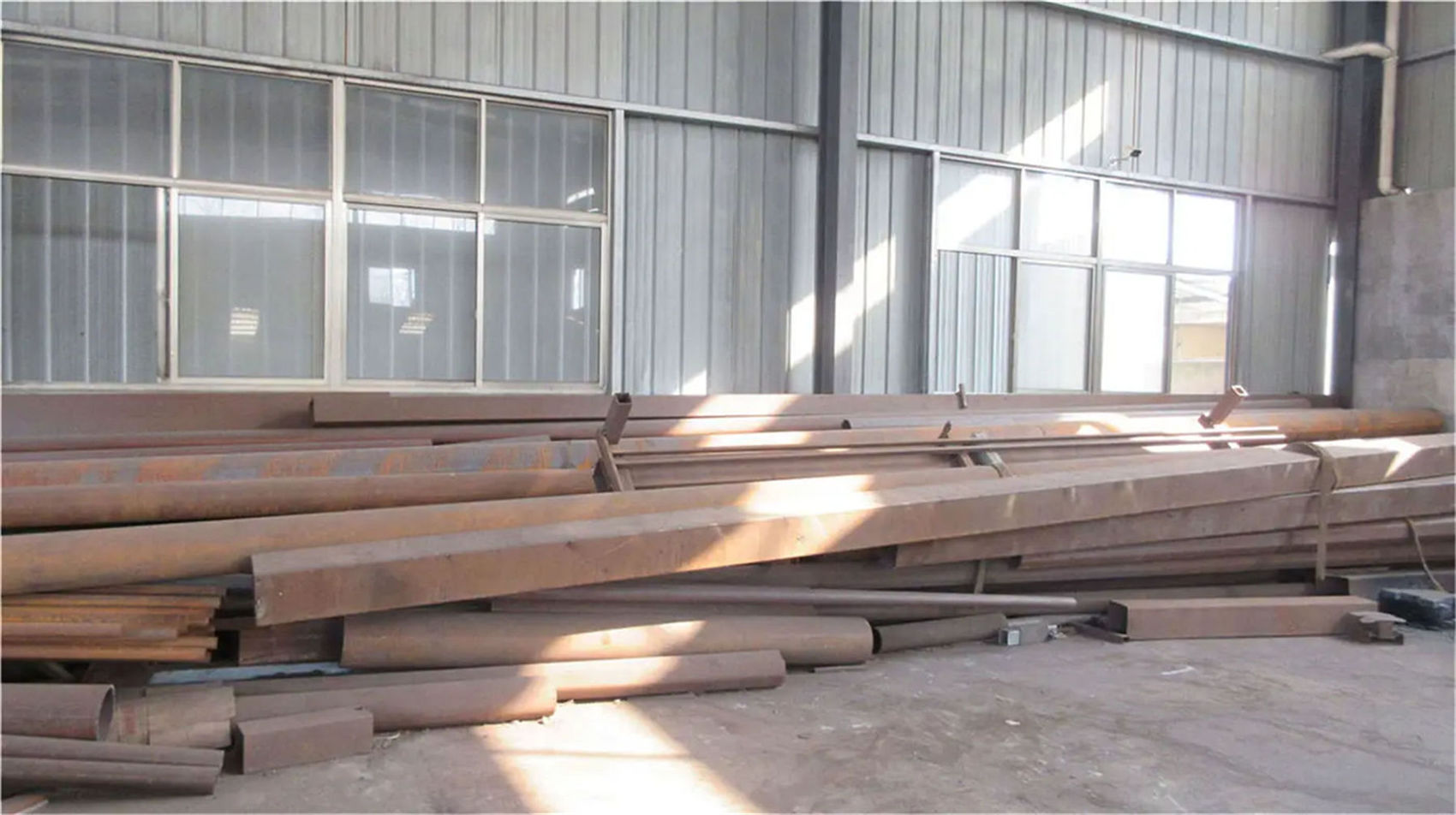
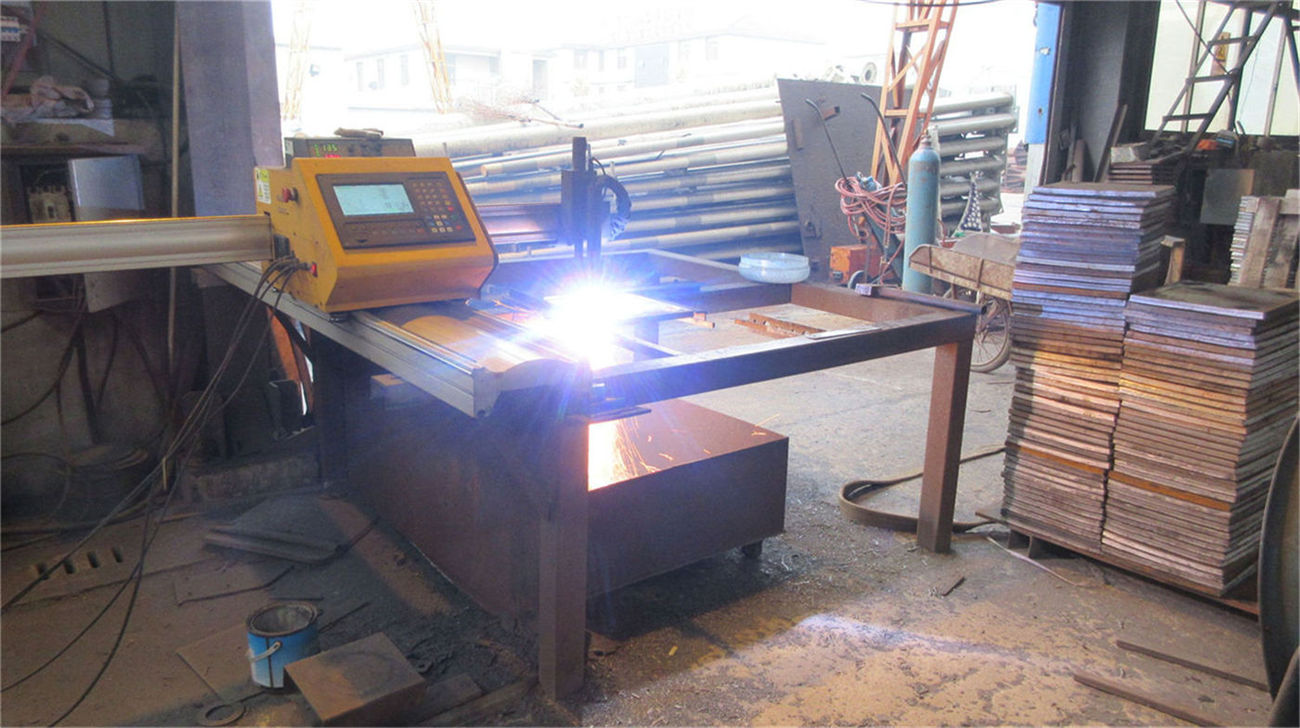
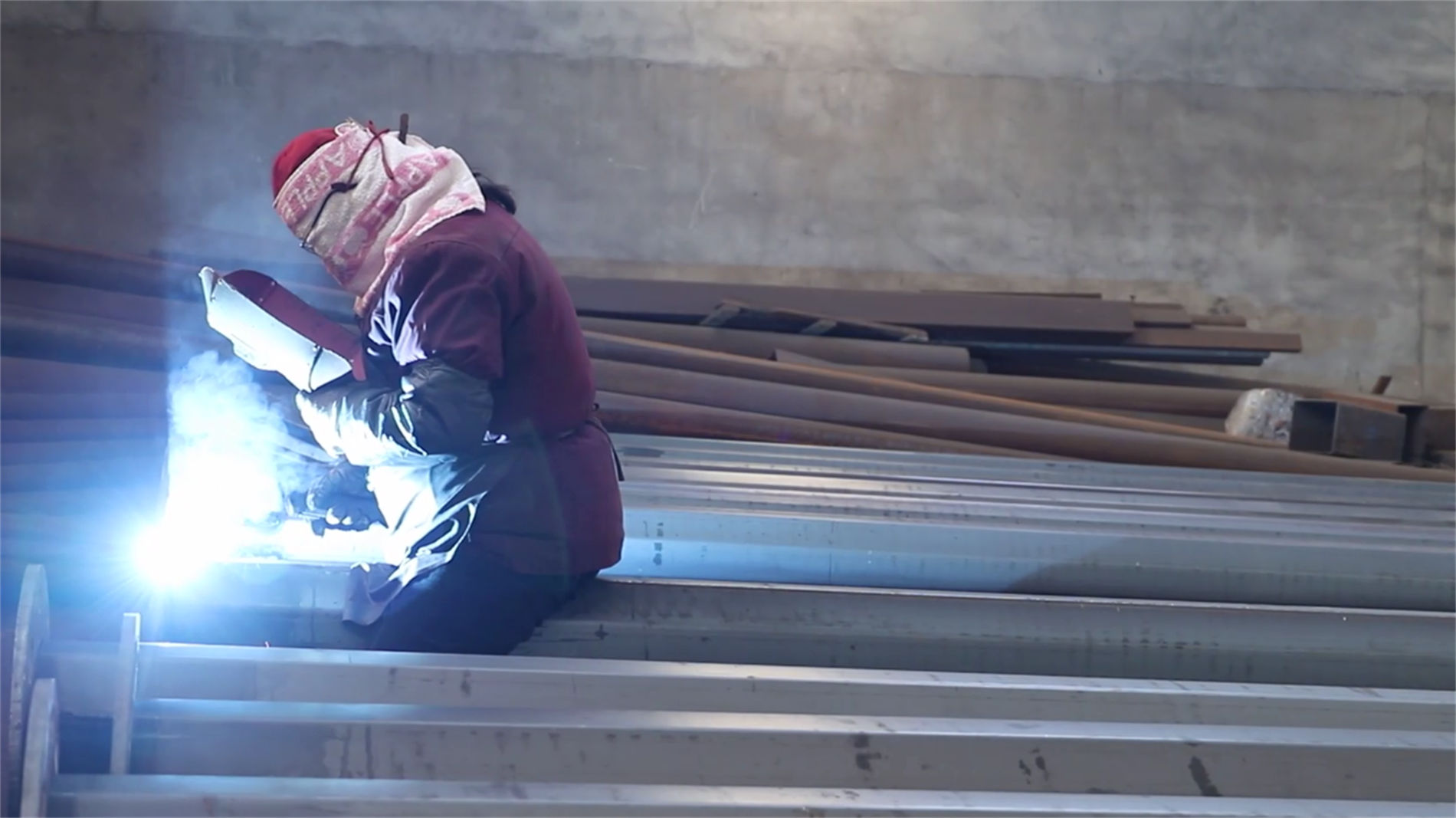
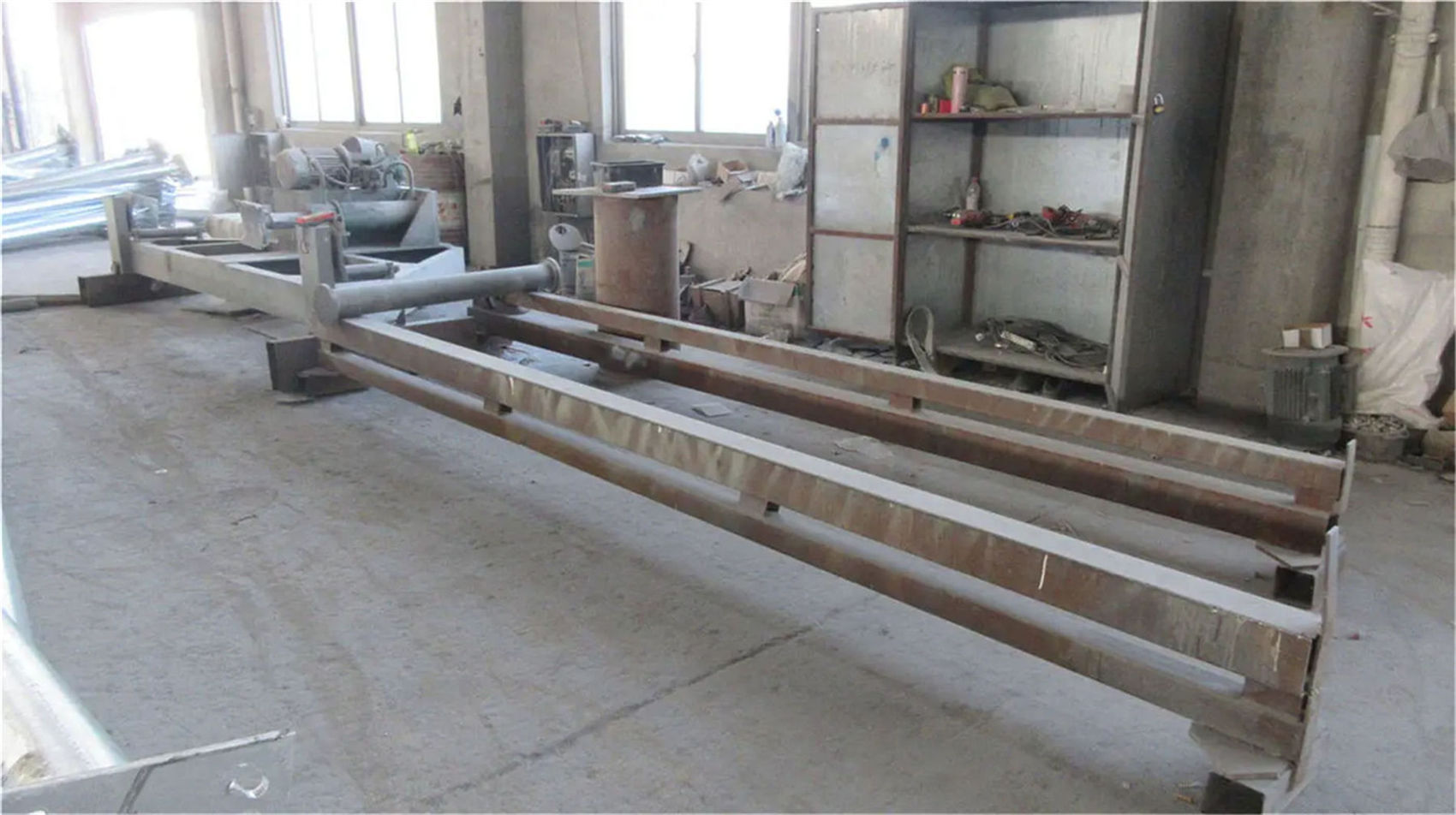
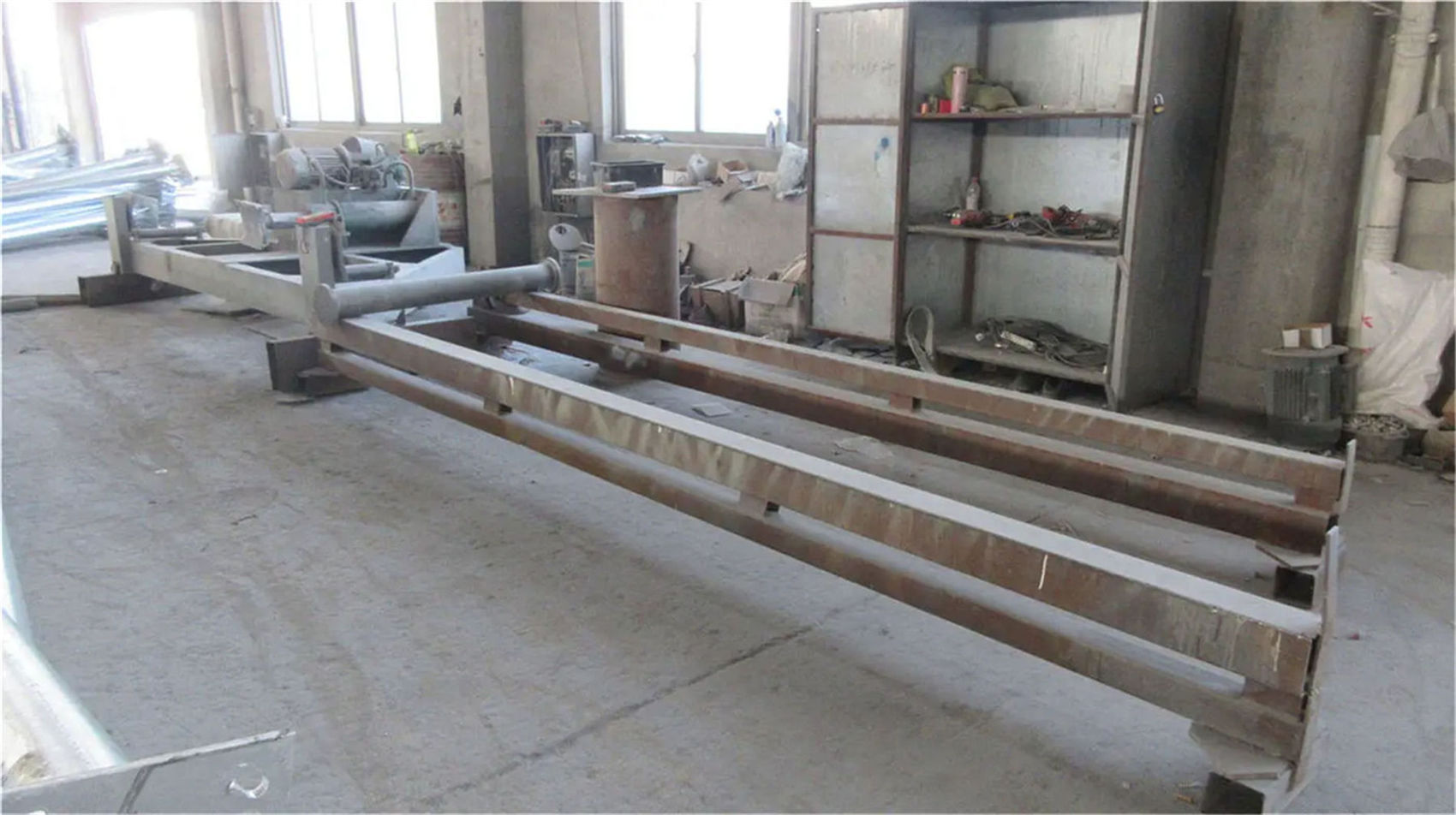
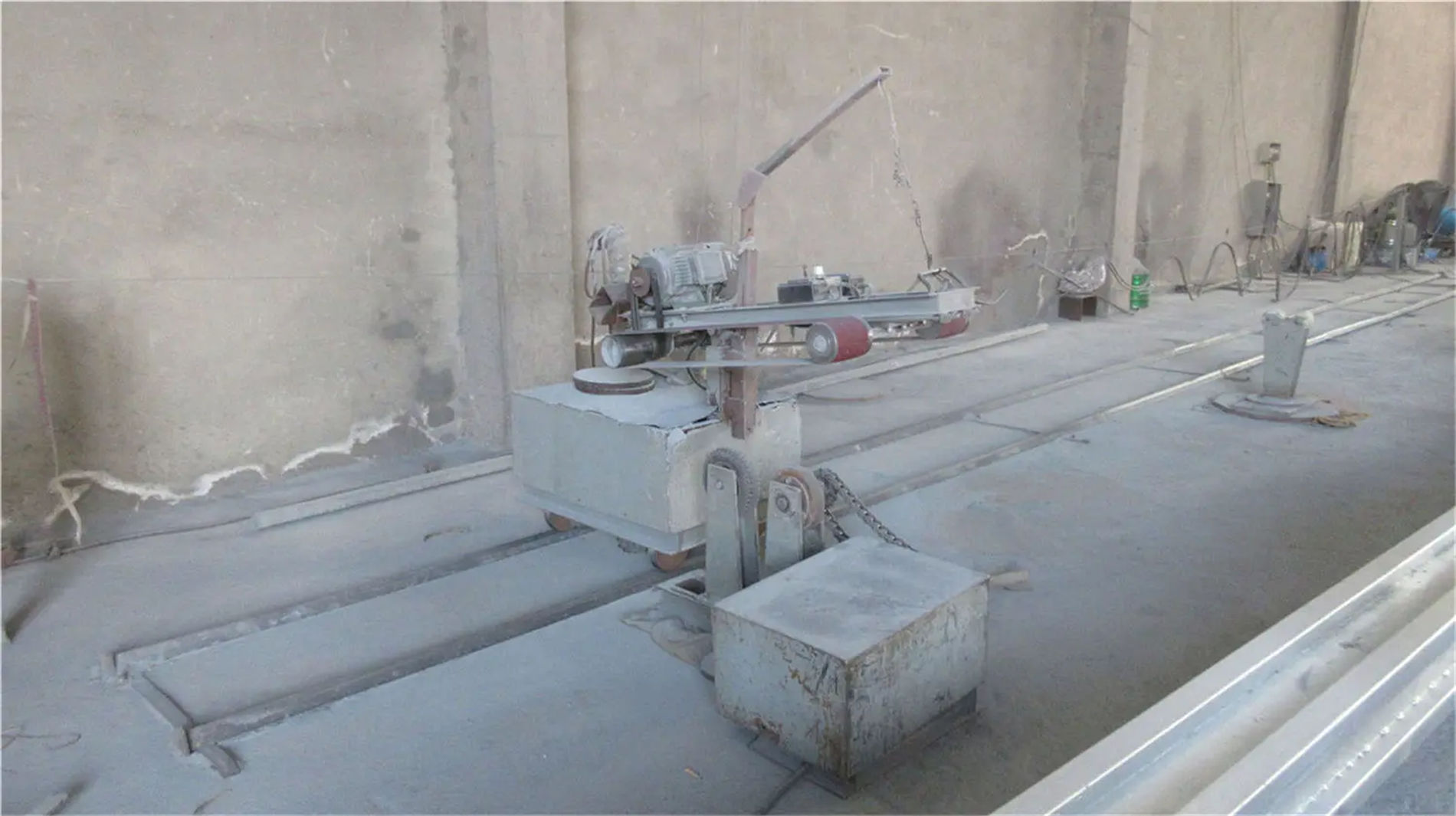
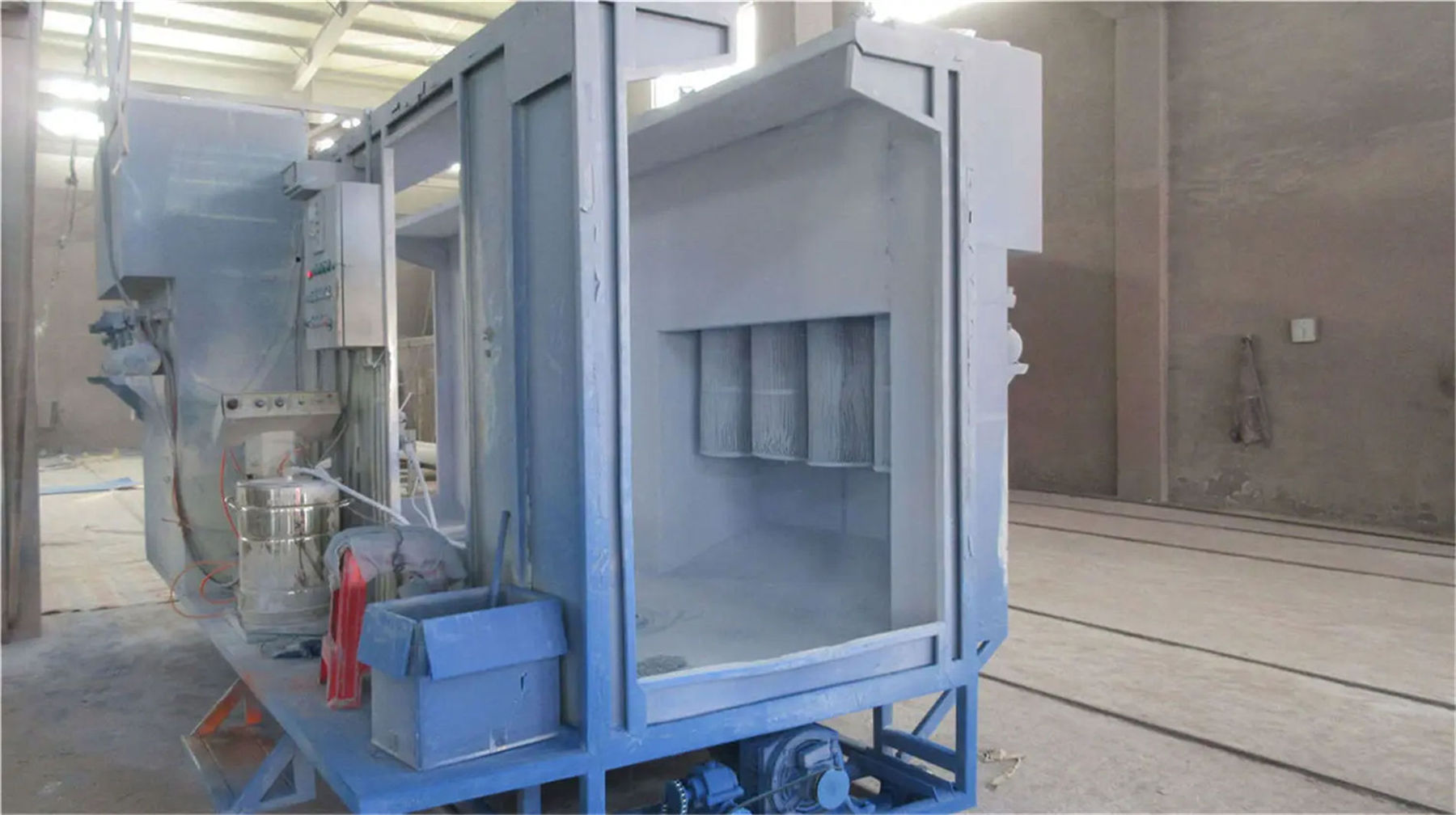
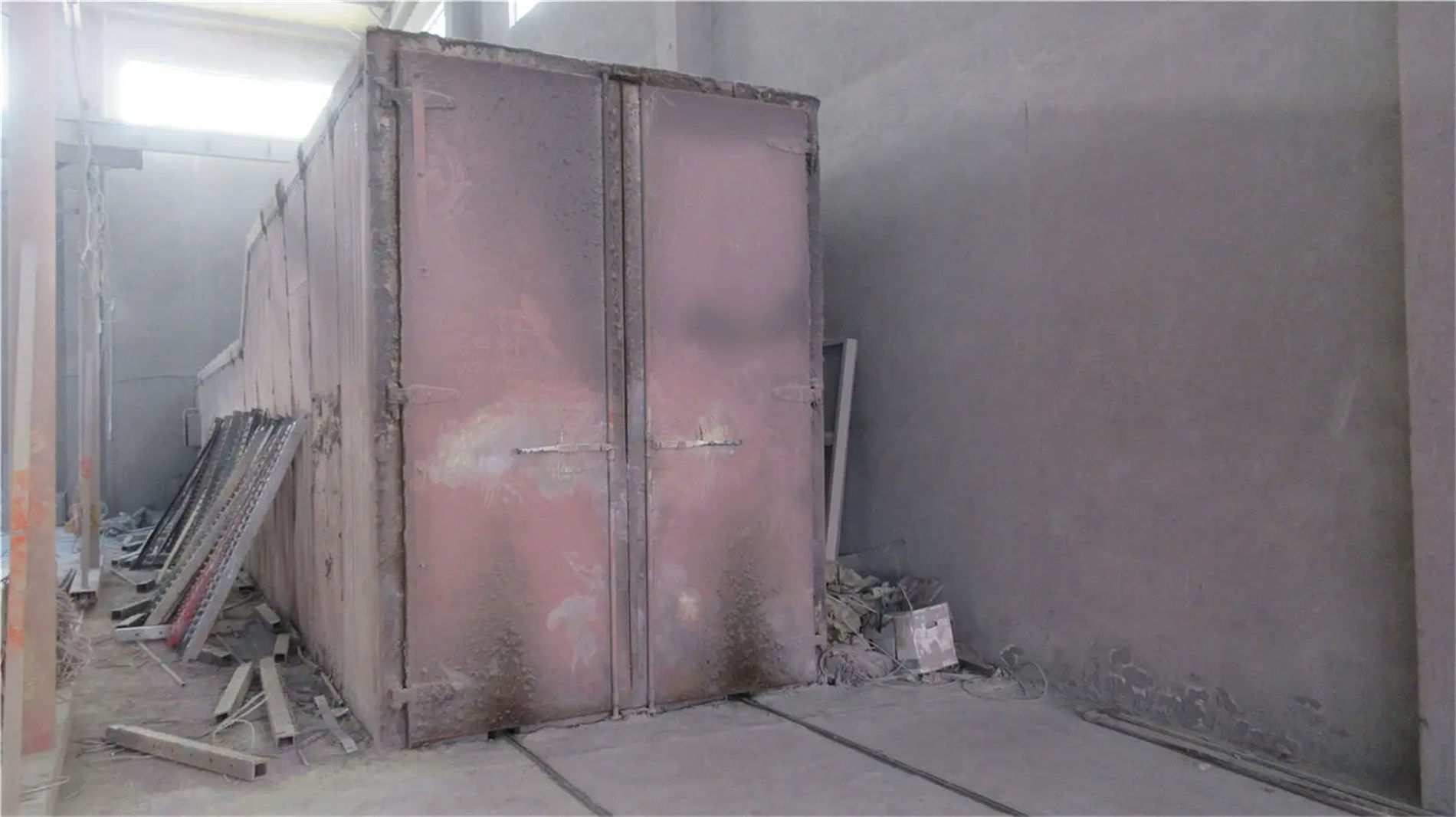
Unlike standard assembly shops, our factory is equipped with advanced heavy machinery including **large CNC bending machines**, high-speed longitudinal shearing lines, automated submerged arc welding systems, high-precision laser cutters, and an automated electrostatic powder-coating facility. Our production infrastructure includes dedicated divisions for smart solar street lighting, LED luminaire assembly, SMT automatic PCB card printing, lithium battery pack assembly, and lighting pole structural fabrication. This extensive vertical integration ensures we maintain unmatched quality control standards, reducing structural failures and field service calls for our clients.
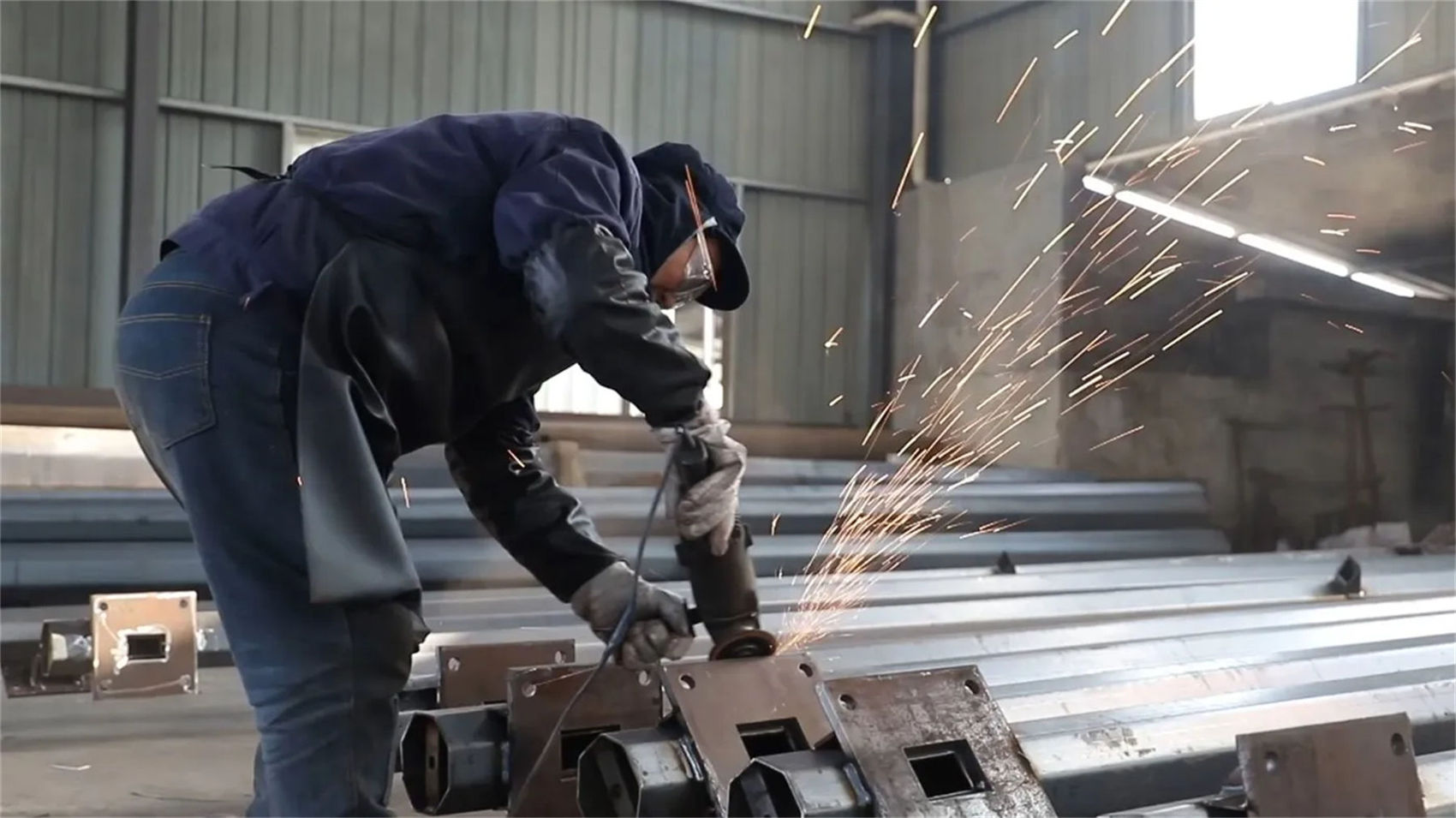
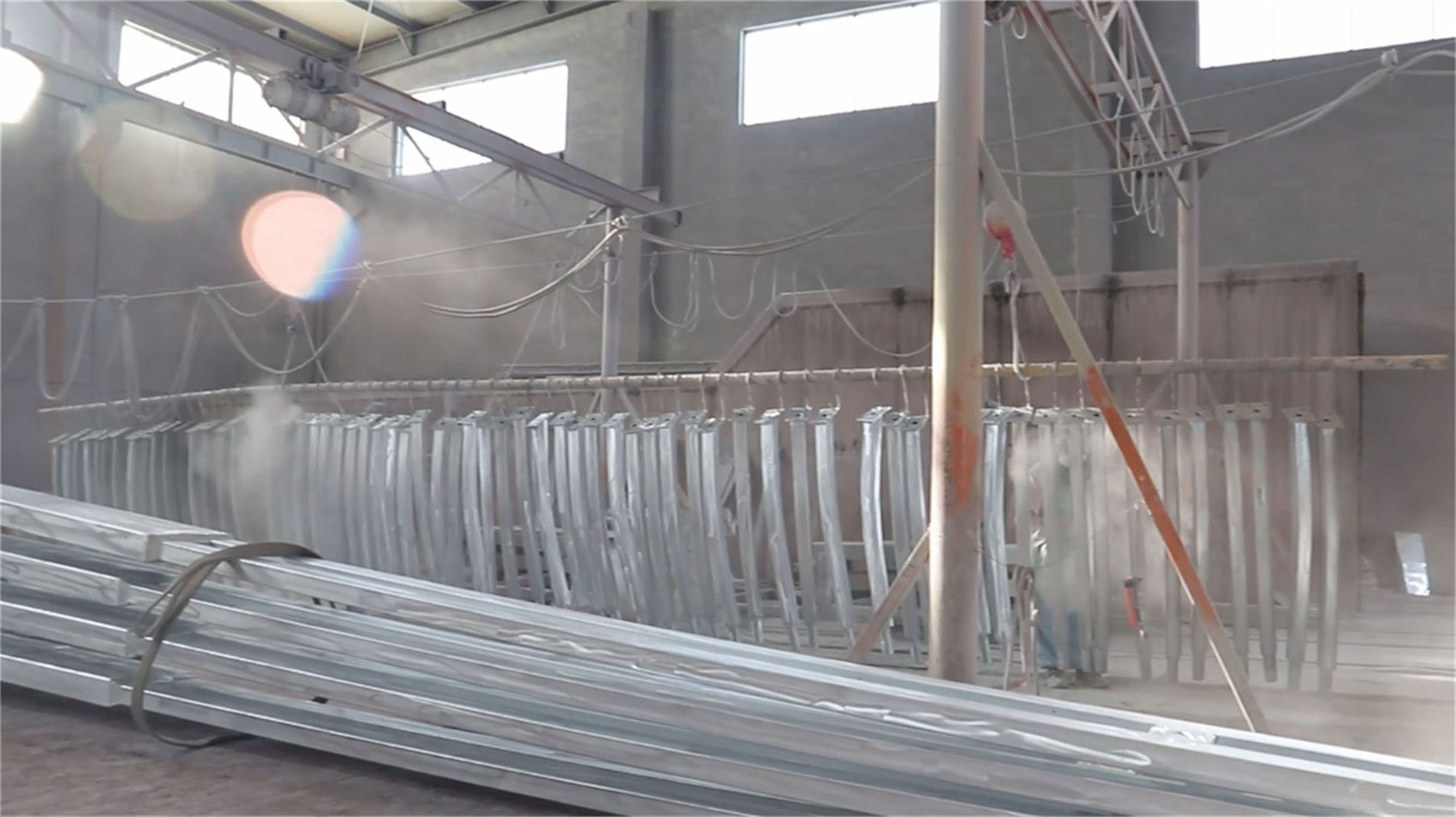
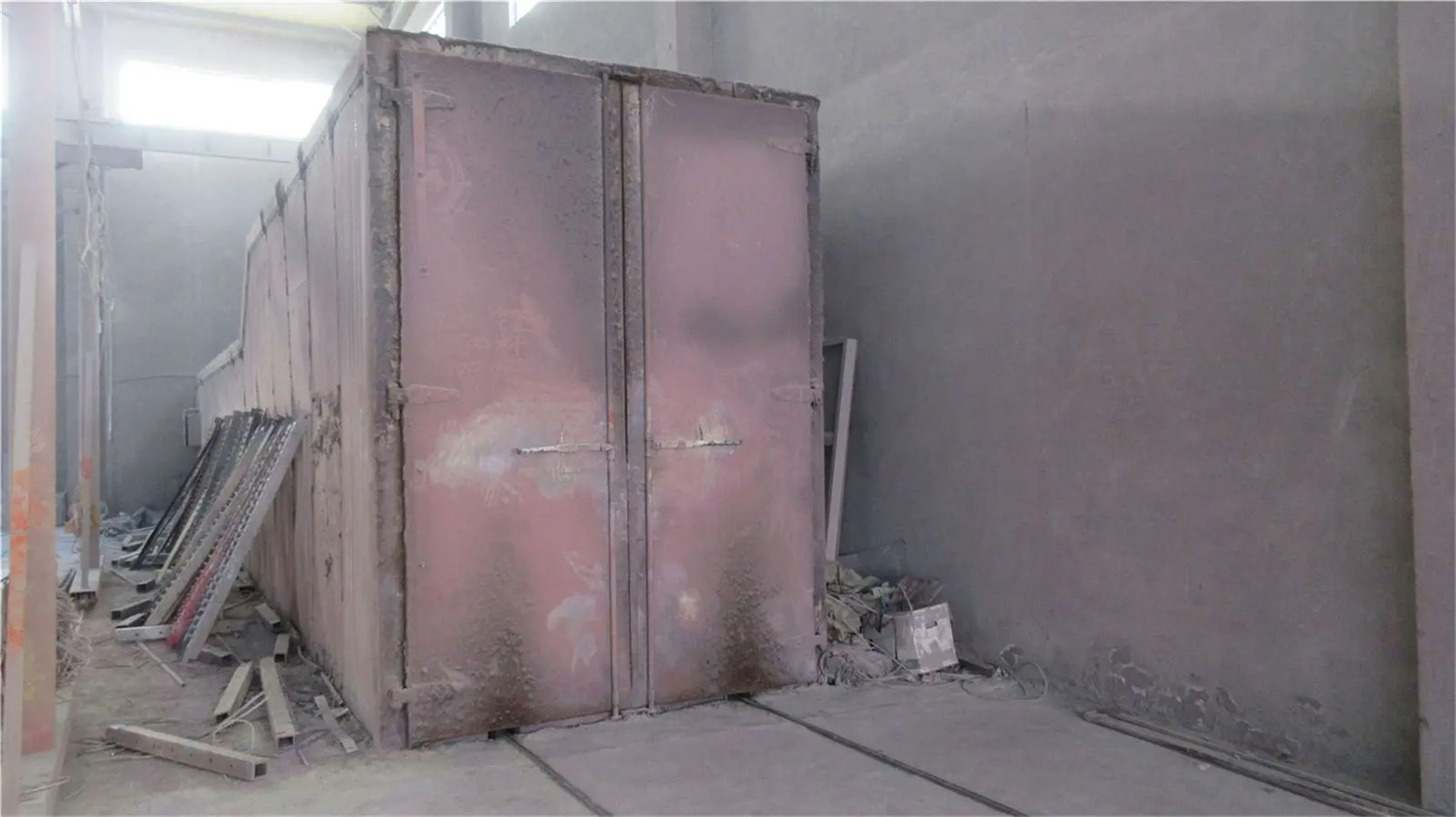
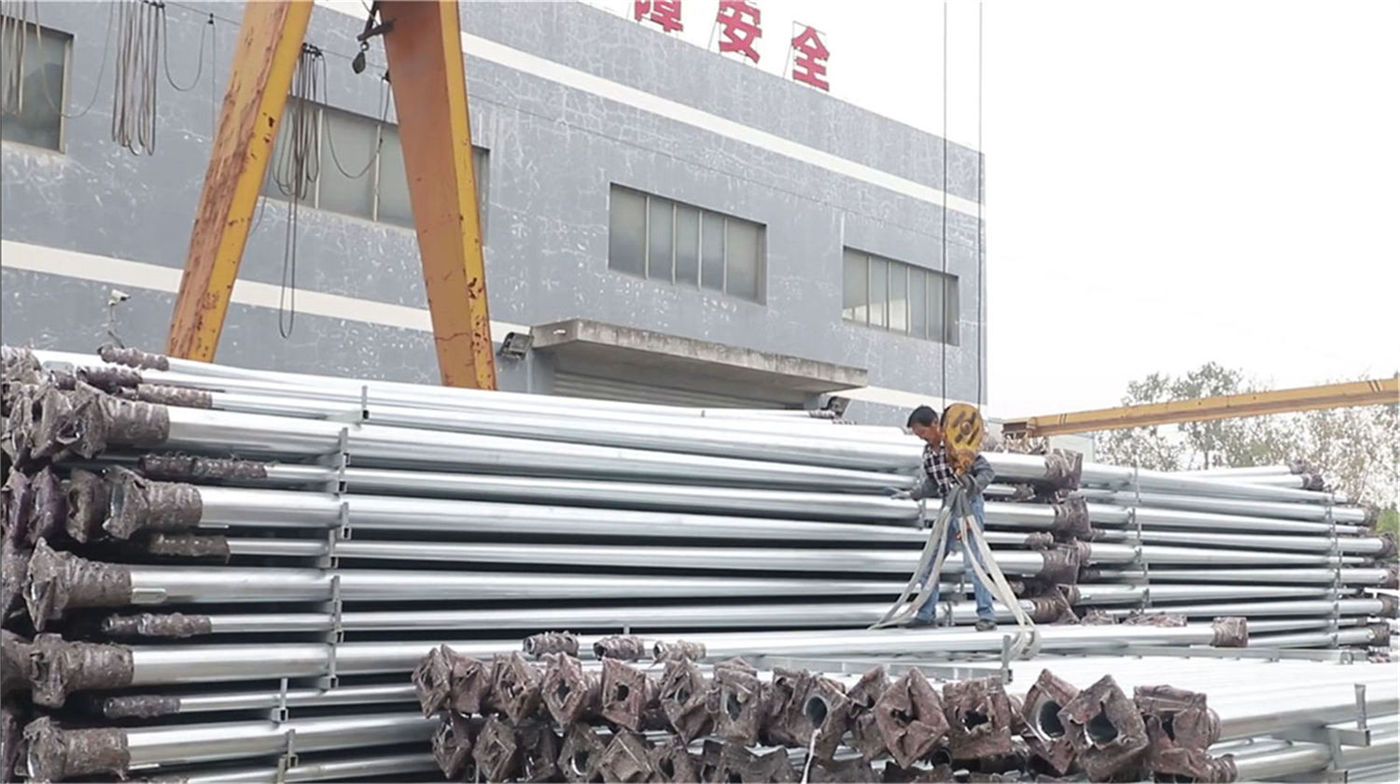
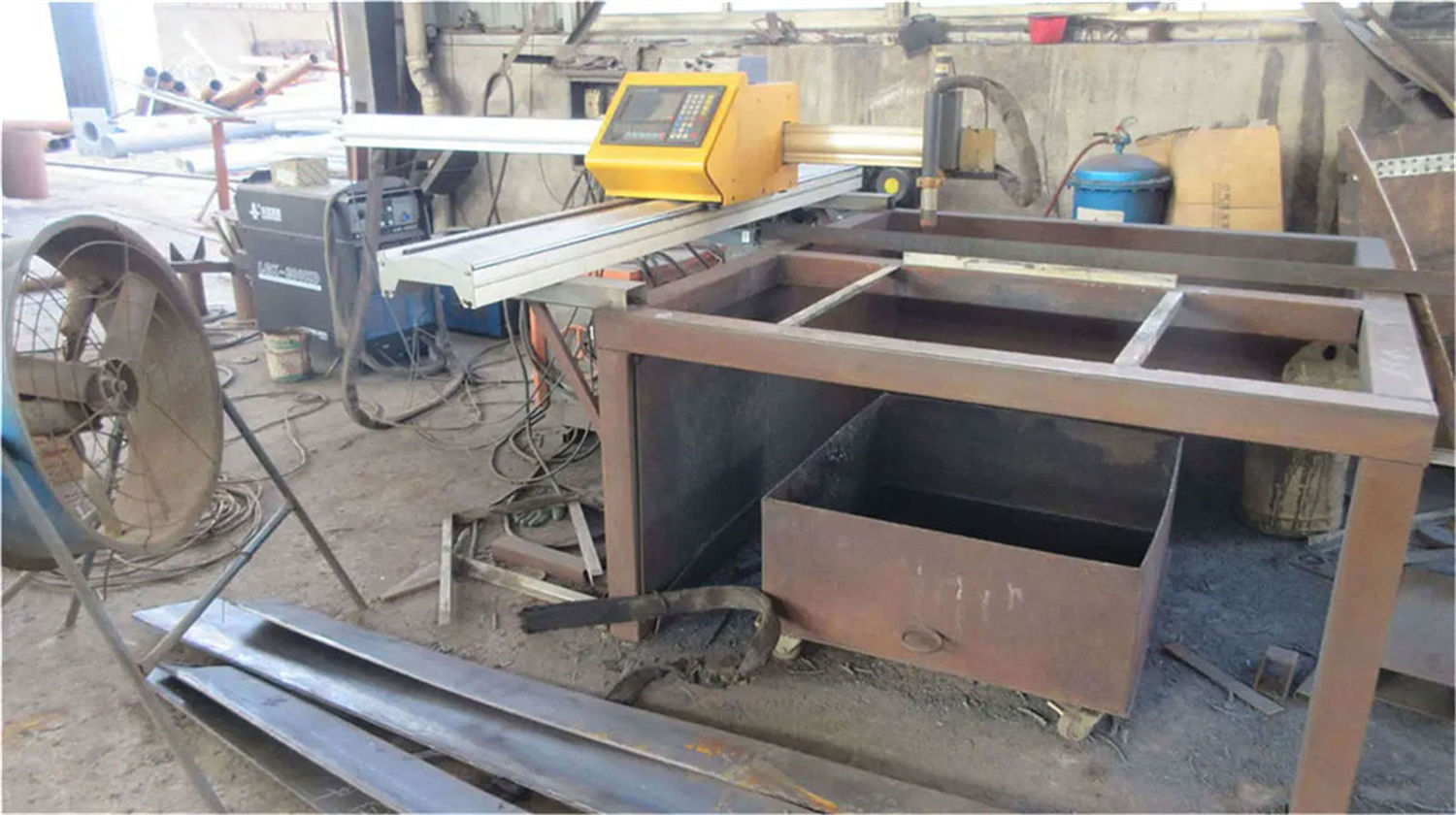
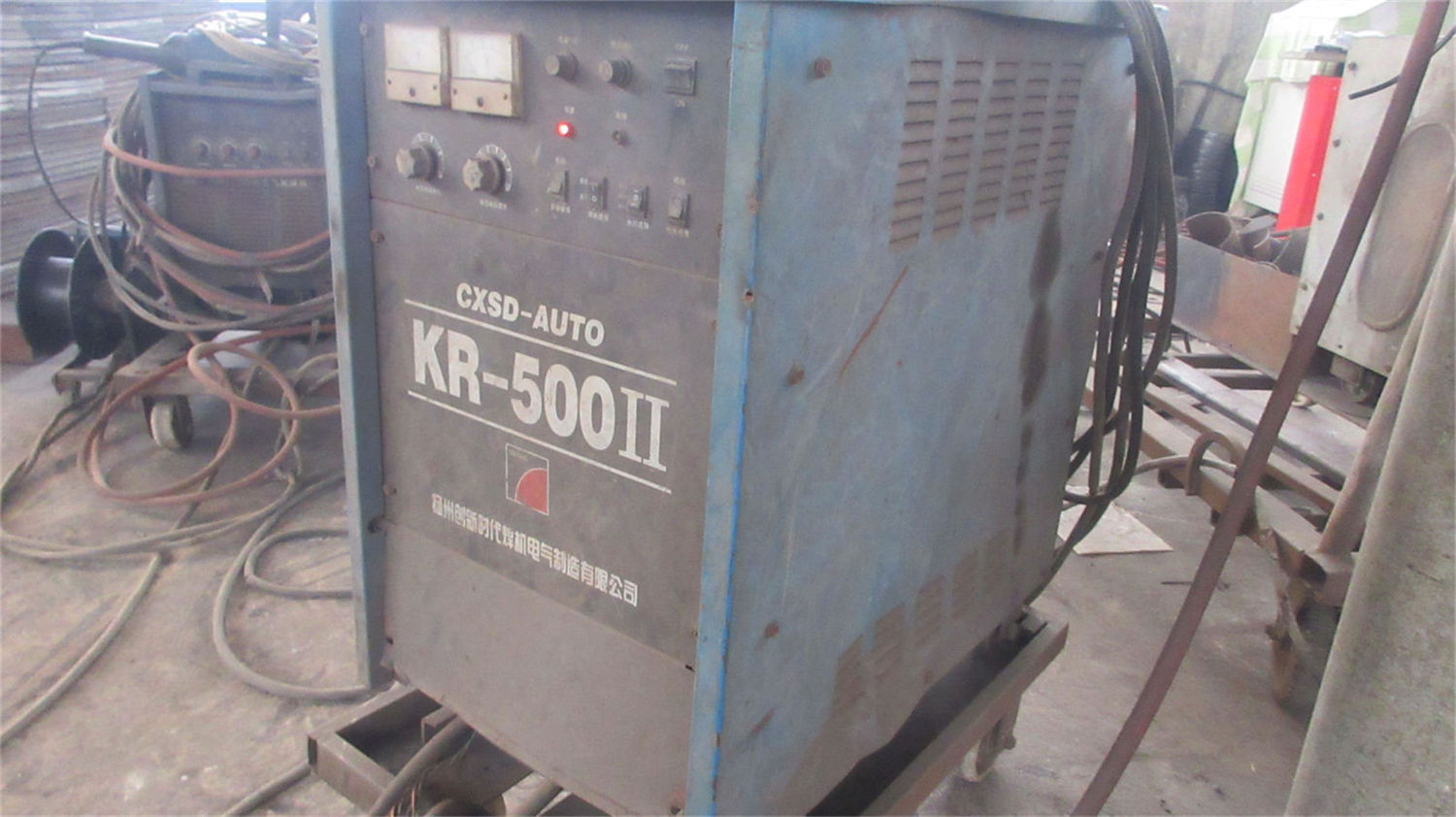
Our engineering design framework addresses the precise demands of various architectural environments across the Netherlands. We design customized product lines configured for three core application scenarios:
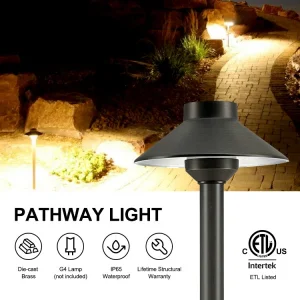
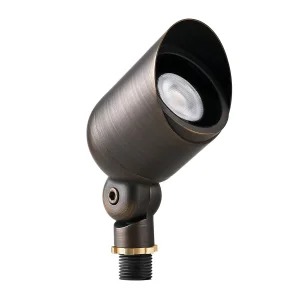
Urban projects in Amsterdam's historic canal belt require low-profile, glare-free, warm-spectrum (2200K - 2700K) illumination. These fixtures must preserve historical integrity while offering modern energy efficiency. Gtron's low-voltage solid brass fixtures are engineered with antique bronze patinas and integrated anti-glare louvers to project warm, directional lighting onto structural stonework, minimizing spill light into public waterways.
For projects in Zeeland or near the Port of Rotterdam, exposure to saline air requires specialized coatings. We utilize marine-grade, salt-spray tested structural alloys with double-layered fluorocarbon finishes. Combined with high ingress protection (IP66/IP67) and pressure-equalizing ventilation plugs, our fixtures remain moisture-free through severe winter cycles.
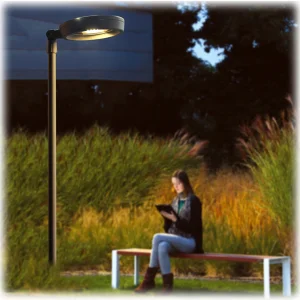
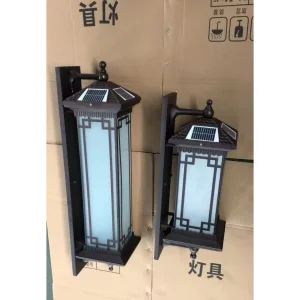
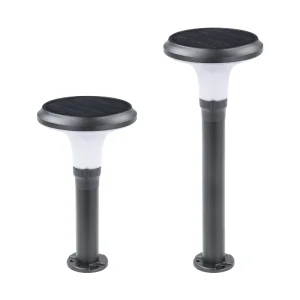
The Netherlands leads the adoption of off-grid solar infrastructure. Gtron's monocrystalline, all-in-one solar bollards and pole systems feature smart MPPT controllers and integrated LiFePO4 battery storage. This ensures reliable operation throughout the low-insolation winter months.
As the architectural lighting landscape evolves, several critical technological trends are reshaping how manufacturers design systems for global markets:
When importing container-load landscape lighting systems into European markets, verifying technical compliance avoids costly customs delays and structural failures. Here are the key verification steps:
Mandatory electrical safety certifications for entering the EU market.
High-level impact and moisture ingress protection ratings.
Verified lumen maintenance data for high LED longevity.
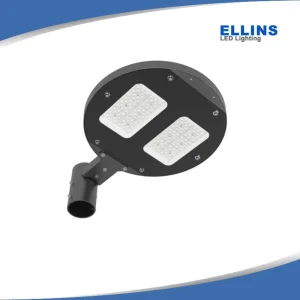
Explore our complete catalog of low-voltage architectural spotlights, smart solar pathway bollards, and heavy-duty municipal luminaires, engineered for reliable performance in demanding environments.