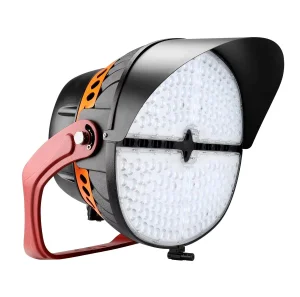
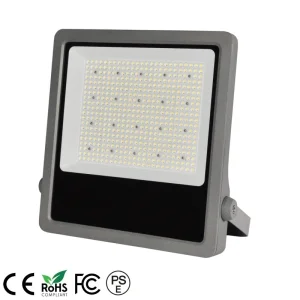
Engineered for extreme resilience, high optical performance, and compliance with local industrial demands.
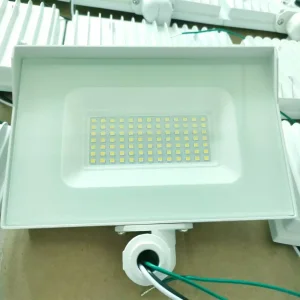
An In-Depth Whitepaper on Local Demands, Environmental Rigors, and Standards
South Korea represents one of the most technologically advanced and sustainability-conscious commercial lighting markets in the Asia-Pacific region. As part of its Green New Deal and the ambitious target to reach carbon neutrality, the Korean government has enforced rigorous energy efficiency mandates for public and commercial spaces. Municipalities across Seoul, Busan, Incheon, and Daegu are actively replacing obsolete high-pressure sodium (HPS) and metal halide fixtures with smart-connected light-emitting diode (LED) systems.
Importing and distributing outdoor lighting products in South Korea requires a deep understanding of local compliance pathways. The most critical certifications include the KC (Korea Certification) mark, which verifies safety and electromagnetic compatibility (EMC), and the KS (Korean Industrial Standards) certification. Additionally, high-efficiency certifications issued by the Korea Energy Agency are highly sought after by EPC (Engineering, Procurement, and Construction) contractors bidding on public tenders. Suppliers that can customize driver topologies, surge protection ratings, and optical lens arrays to match these exact compliance benchmarks enjoy a significant competitive advantage.
Unlike regions with mild climates, South Korea’s geography demands outdoor lighting fixtures engineered for high resilience. Lighting fixtures installed in seaside logistics centers (such as the Port of Busan or Incheon New Port) are subject to severe salt mist, high relative humidity, and corrosive marine atmospheres. Under these conditions, standard aluminum enclosures rapidly oxidize. Yangzhou Gtron Solar addresses these challenges by utilizing marine-grade ADC12 die-cast aluminum alloys treated with multi-layer electrodeposition powder coatings, passing the ASTM B117 salt spray test for over 1000 hours.
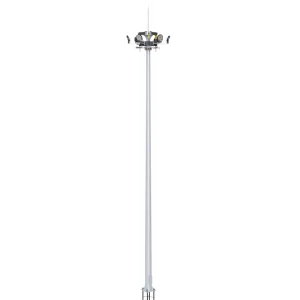
Furthermore, South Korea regularly encounters intense typhoons during late summer, bringing high wind speeds of up to 45 m/s. High-mast installations at major intersections, toll plazas, and industrial parks must undergo structural wind load simulations. The structural integrity of Gtron Solar’s 35m High Mast and street lighting poles is backed by advanced finite element analysis (FEA) to guarantee structural safety under maximum dynamic wind pressure.
Collaborating with a mature Chinese manufacturer like Yangzhou Gtron Solar Co., Ltd. provides South Korean buyers with unique operational efficiencies. Located in Jiangsu province, Gtron Solar is situated within China's primary lighting manufacturing cluster. This provides immediate access to high-quality raw materials, advanced chip packaging facilities, and world-class driver factories (such as MeanWell and Inventronics).
Logistical proximity is another major advantage. Shippments from the ports of Shanghai or Ningbo can reach Incheon Port within 36 to 48 hours, providing a near-seamless supply chain that rivals domestic Korean logistics. This proximity allows Korean contractors to minimize warehouse overhead, optimize just-in-time (JIT) delivery for project milestones, and respond rapidly to unforeseen site modifications.
By leveraging mass production economies of scale, Gtron Solar delivers up to 40% cost reduction compared to Korean domestic assemblers without compromising component quality.
We provide rapid prototyping, dialux photometrical simulations, custom bracket fabrications, and customized LED PCB layouts to meet demanding project parameters.
Seamlessly integrate photocells, microwave motion sensors, NEMA standard 3/5/7-pin sockets, and smart IoT control modules (Zigbee/LoRa) for municipal grids.
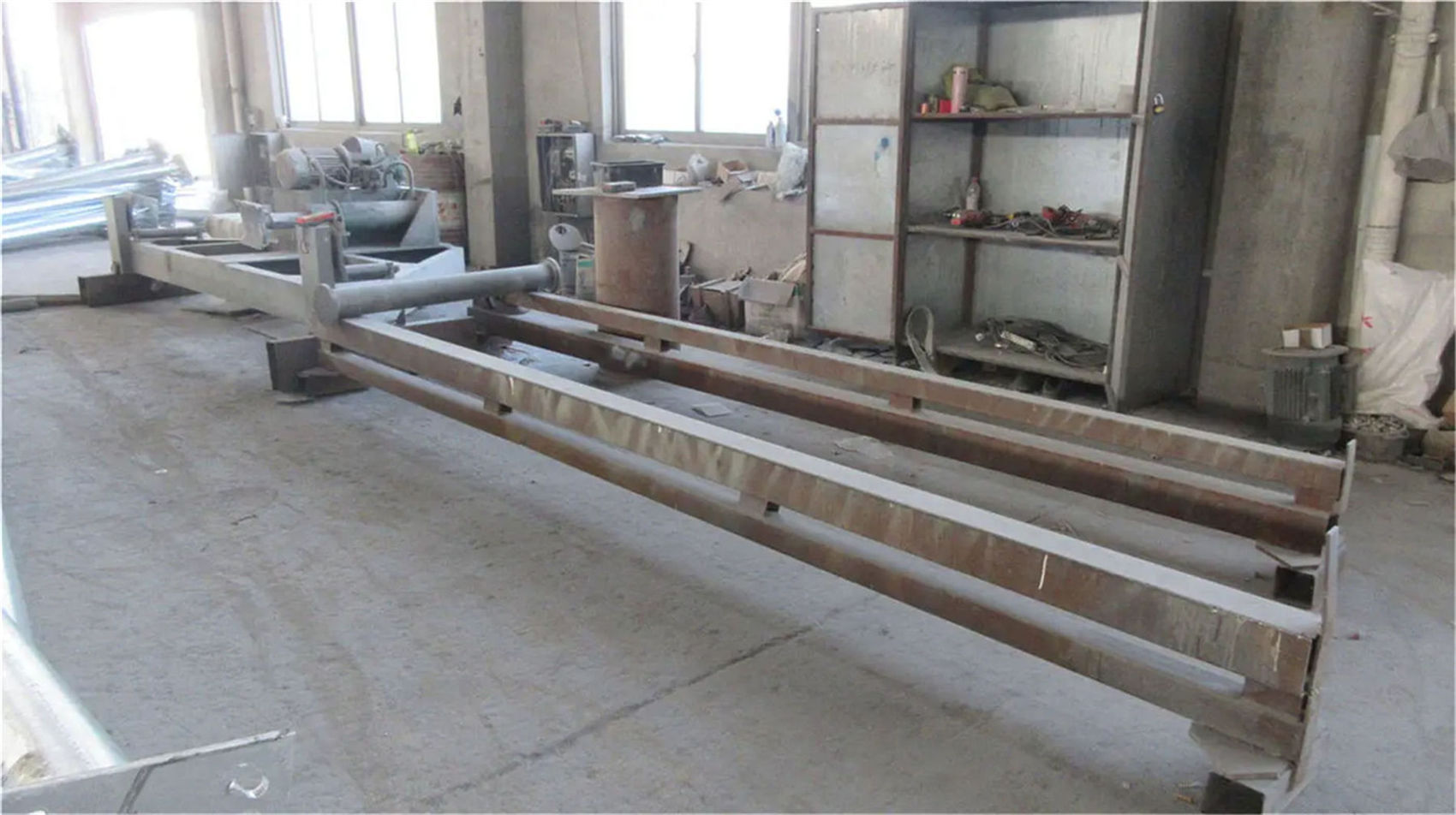
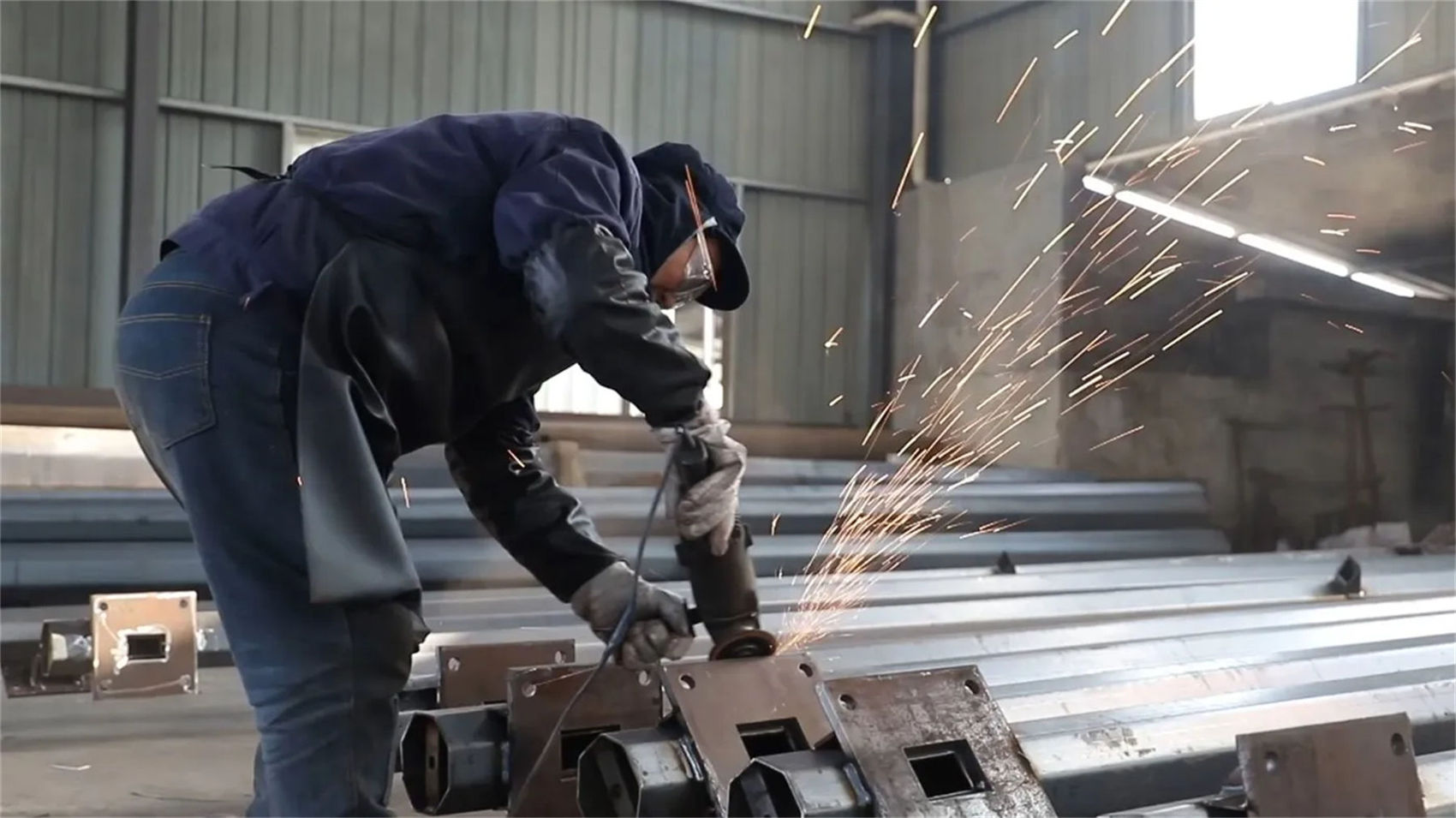
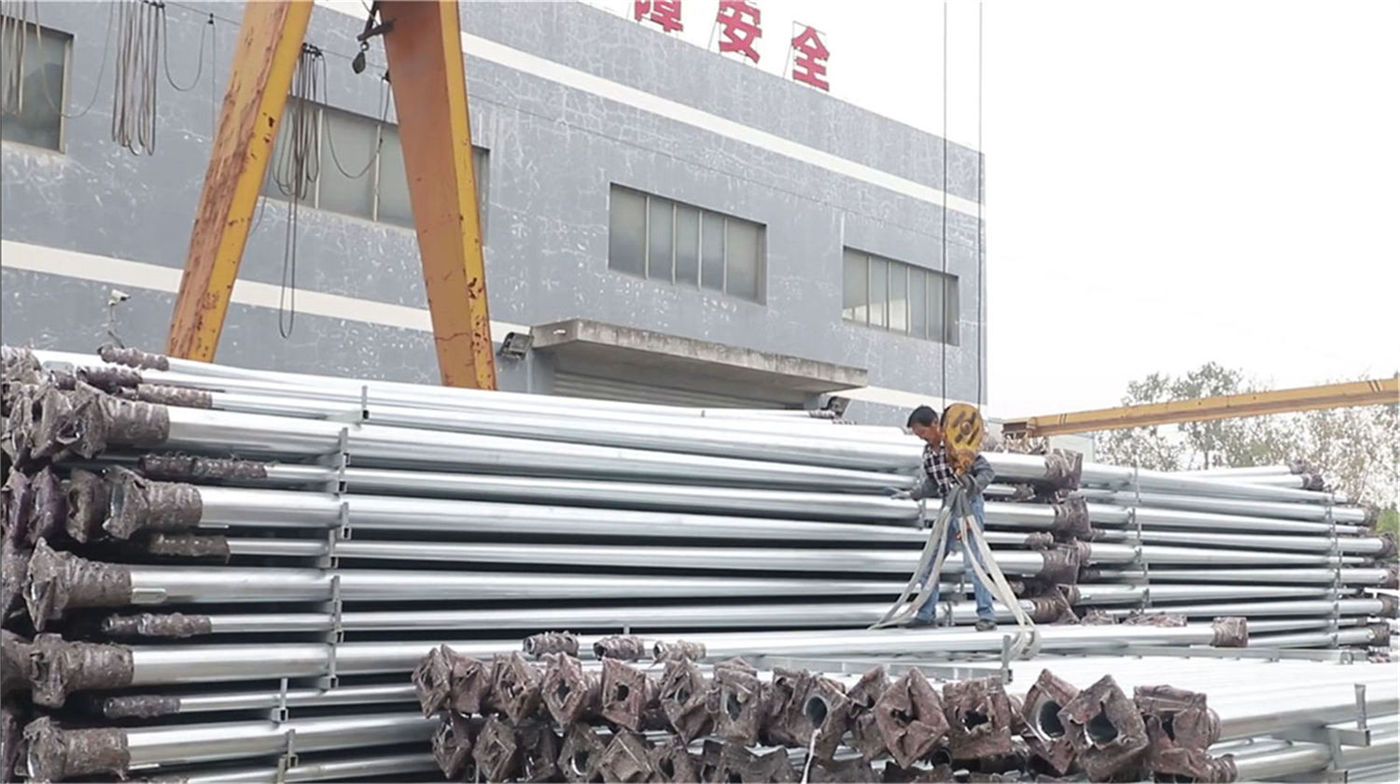
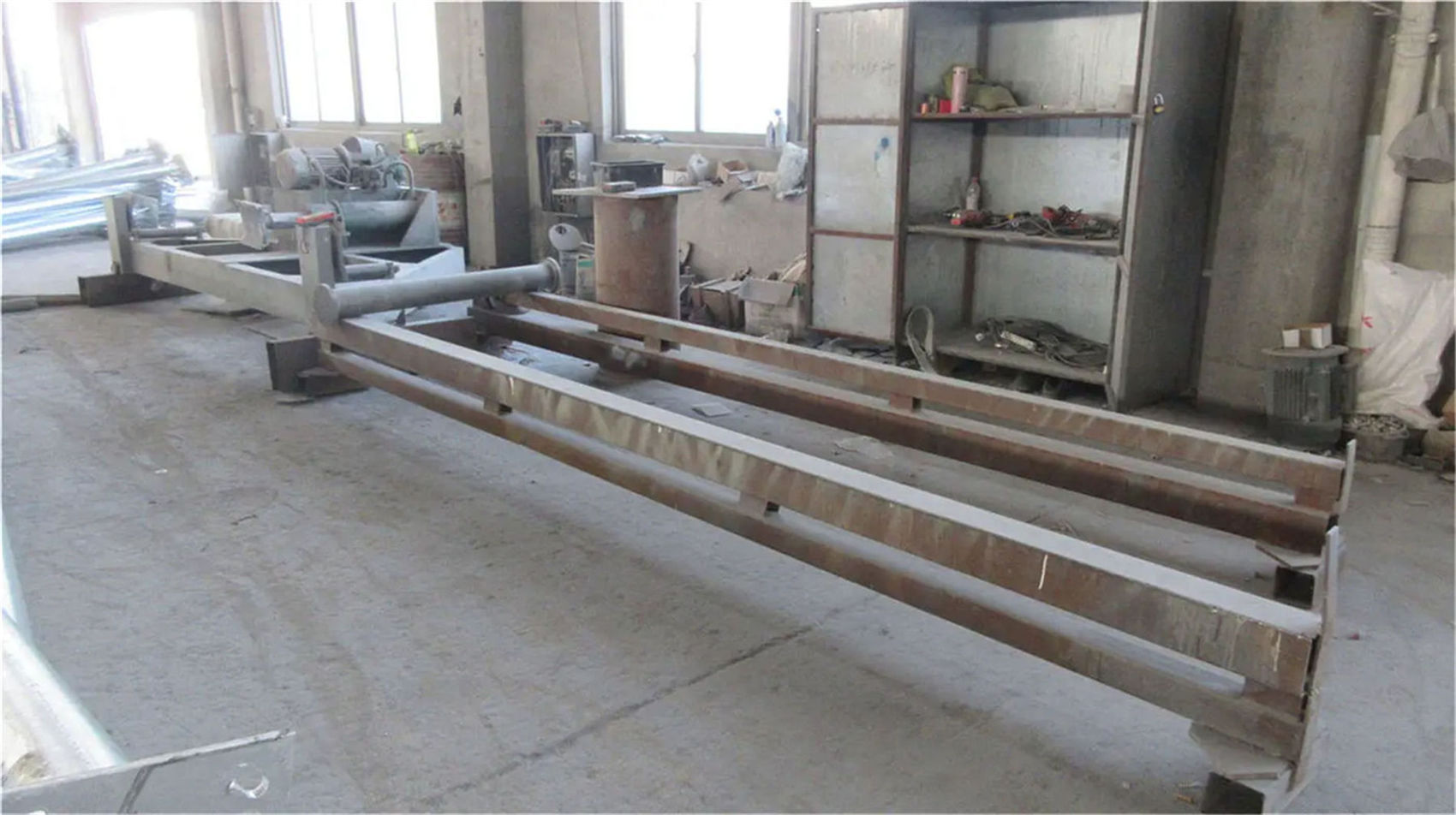
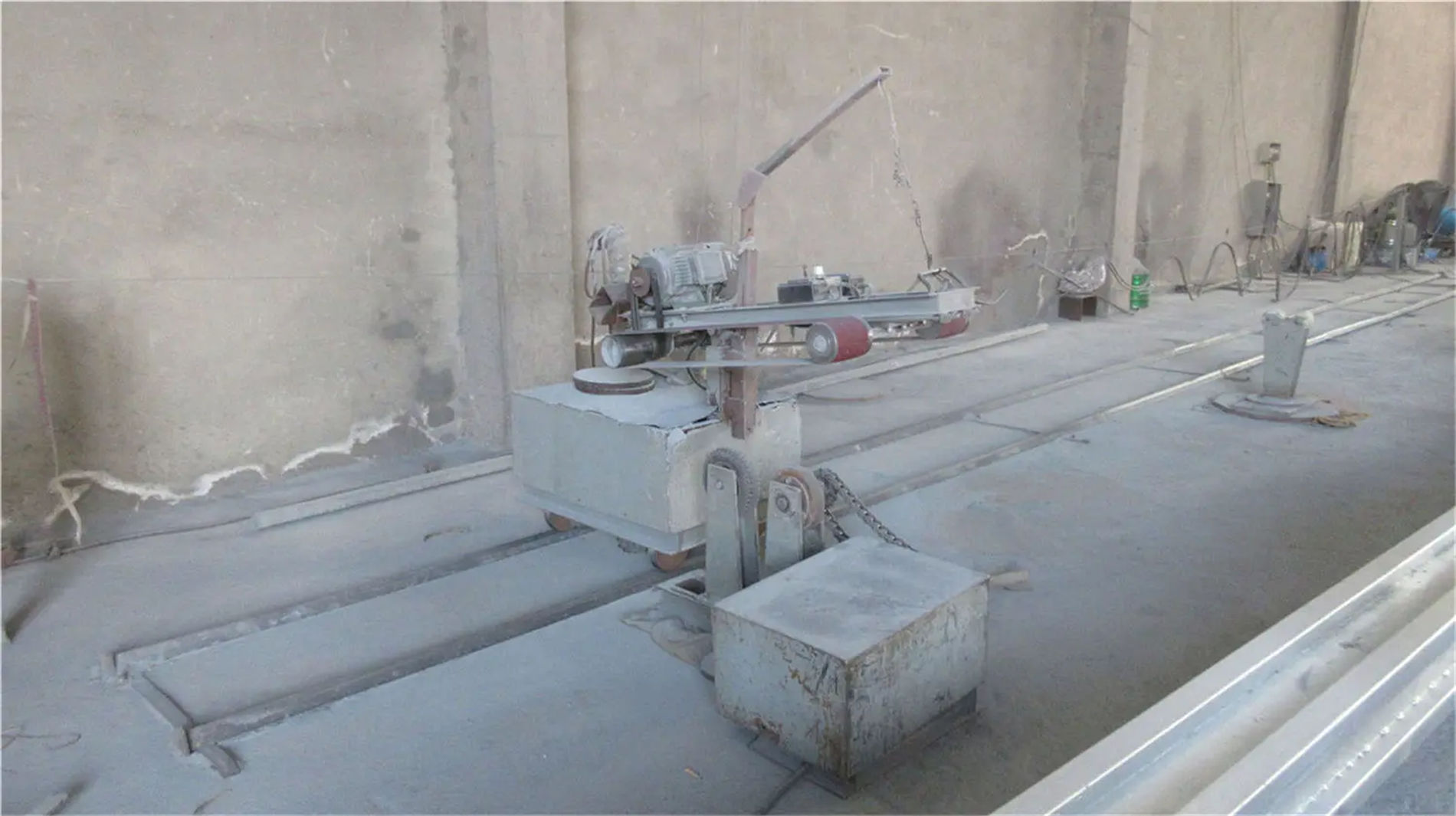
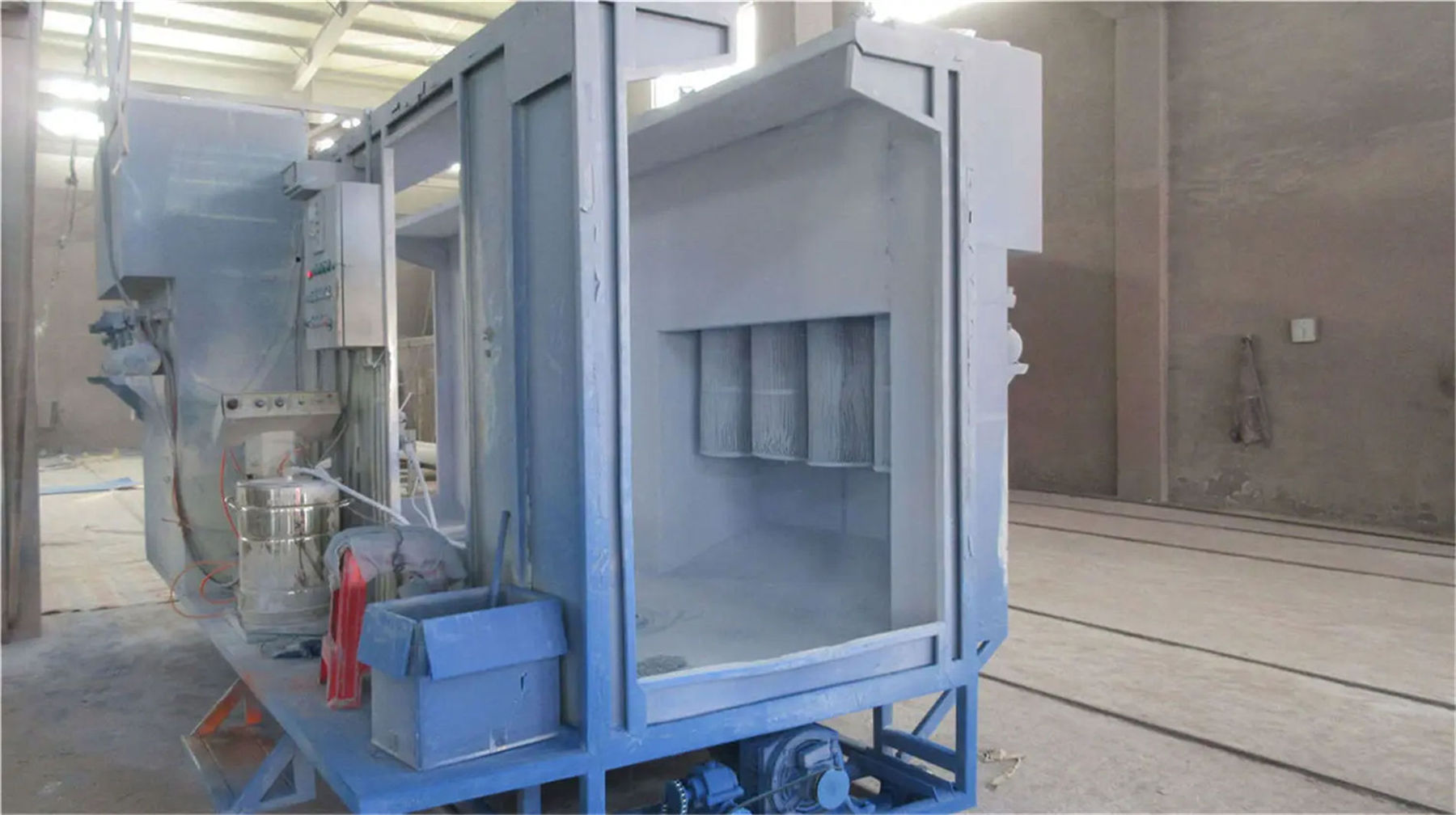
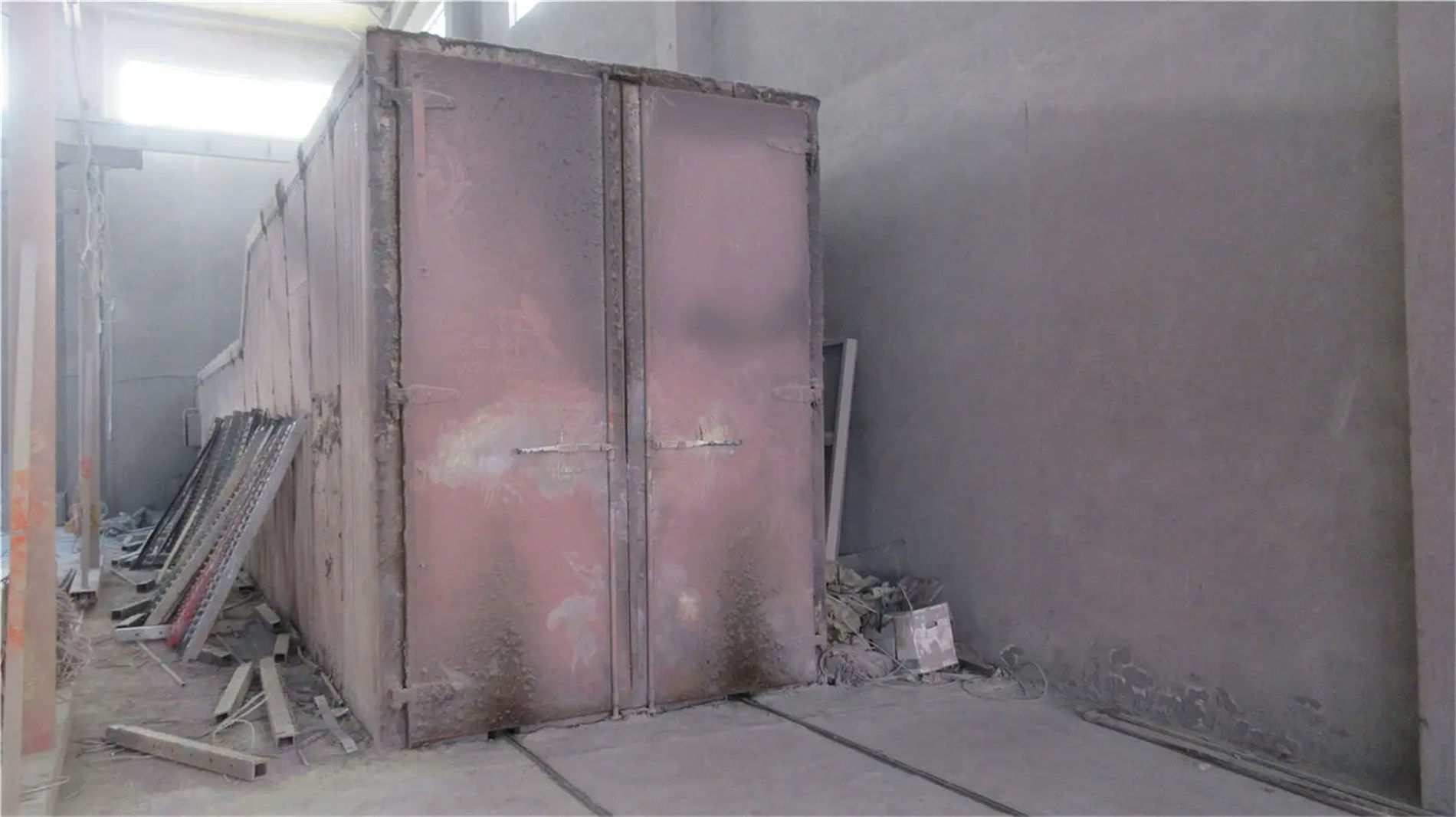
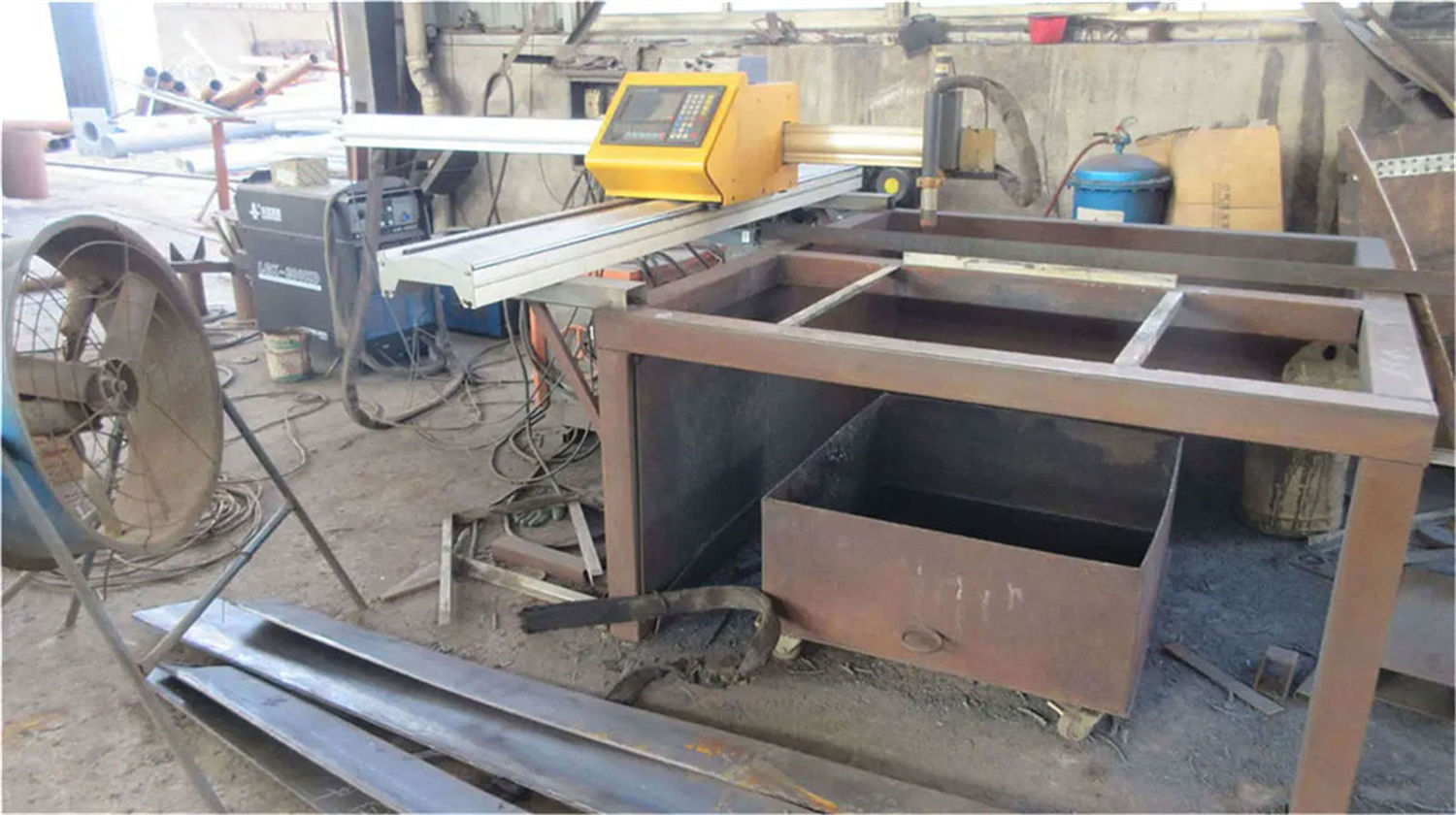
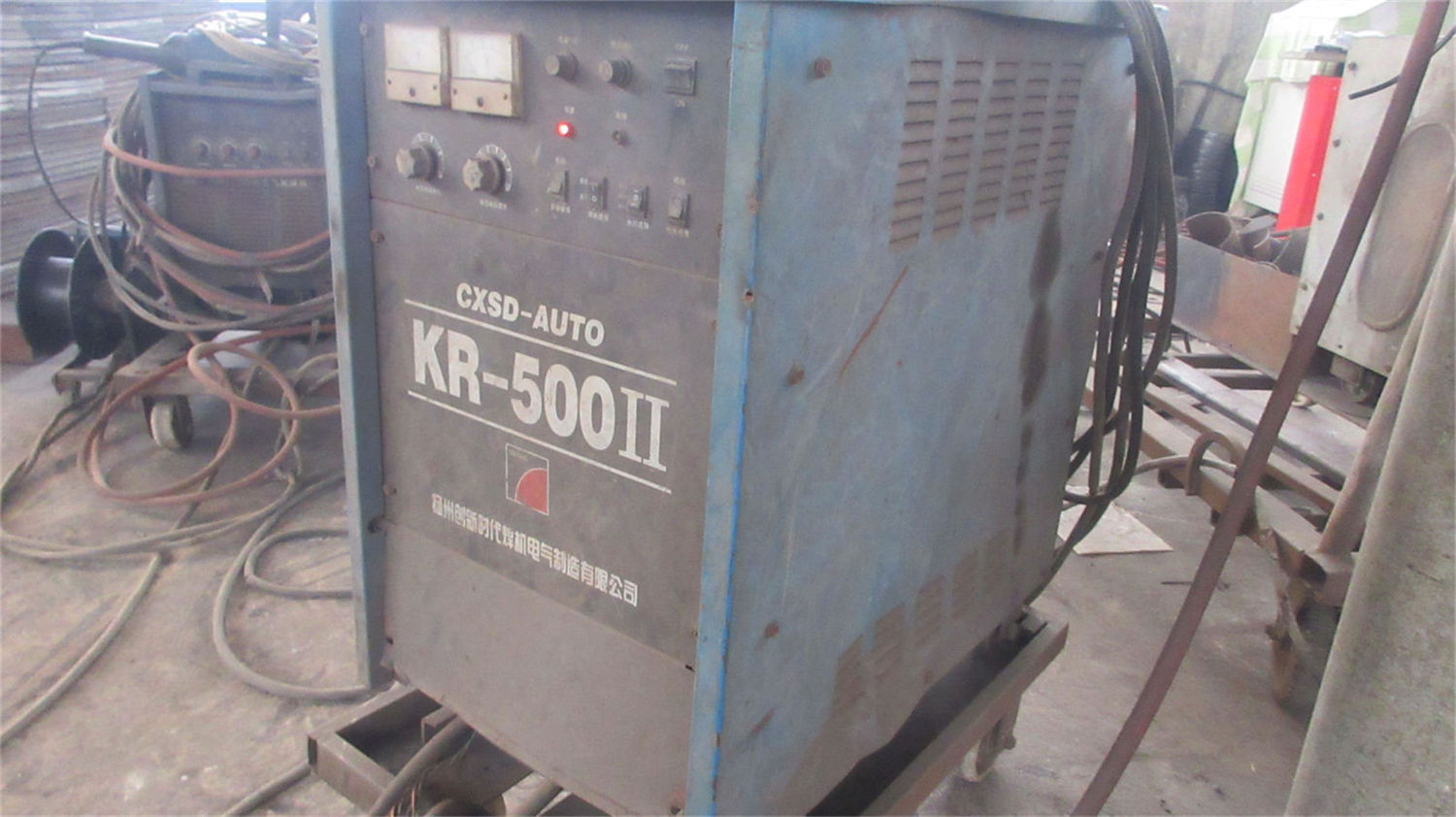
Equipped with state-of-the-art machinery and specialized production lines to ensure precision at every step.
Yangzhou Gtron Solar Co., Ltd. operates a high-tech manufacturing facility in the Industrial Zone of Yangzhou City, Jiangsu Province. Our factory covers the entire value chain—from structural steel fabrication and mechanical tooling to automated electronic SMT assembly and photometric lab verification.
Our specialized production capabilities include smart solar street light assembly, automatic PCB mount (SMT), lithium battery packs, solar panel integration, and high-mast steel pole welding. By keeping these key processes in-house, we exercise absolute control over quality and lead times.
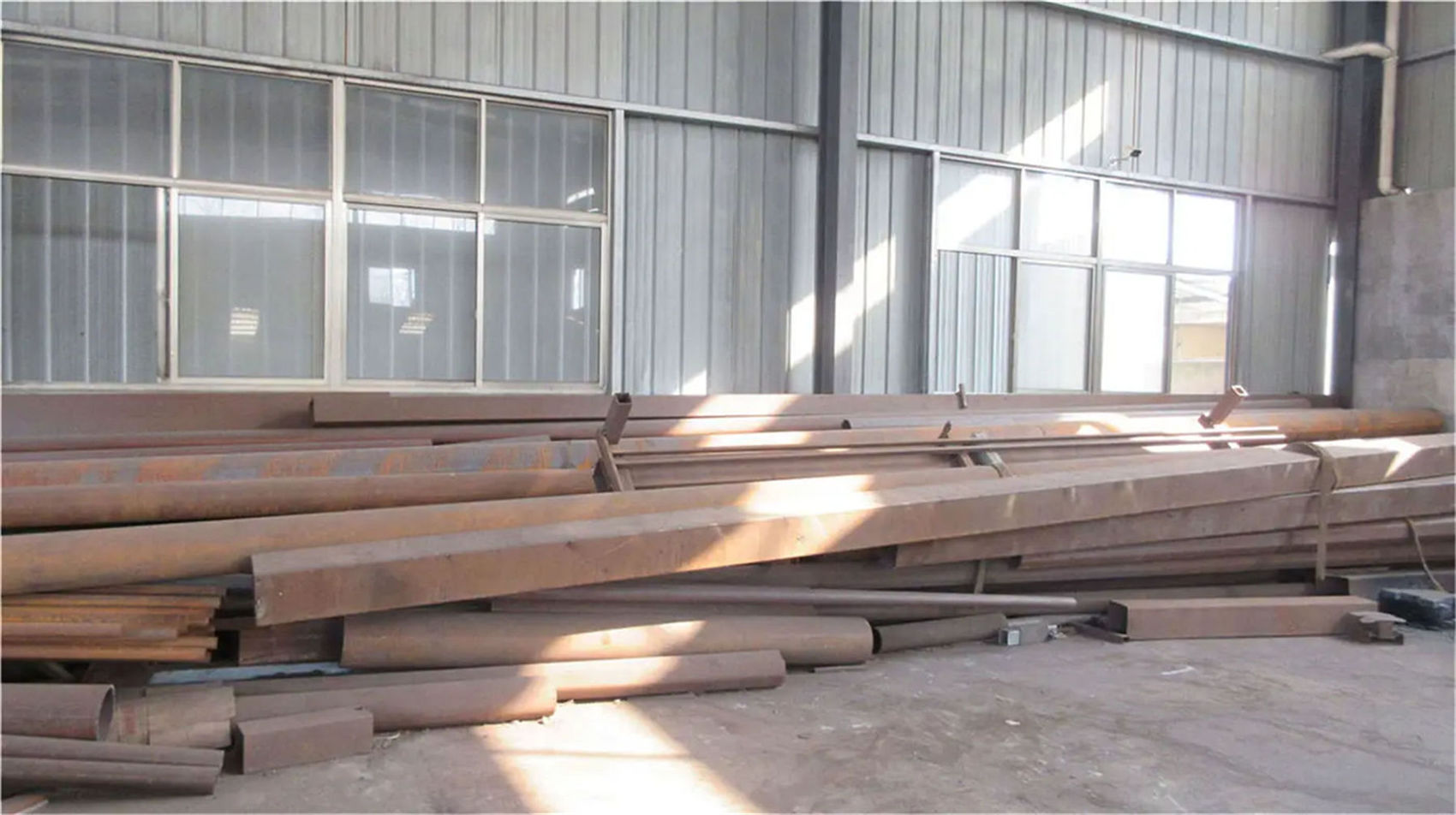
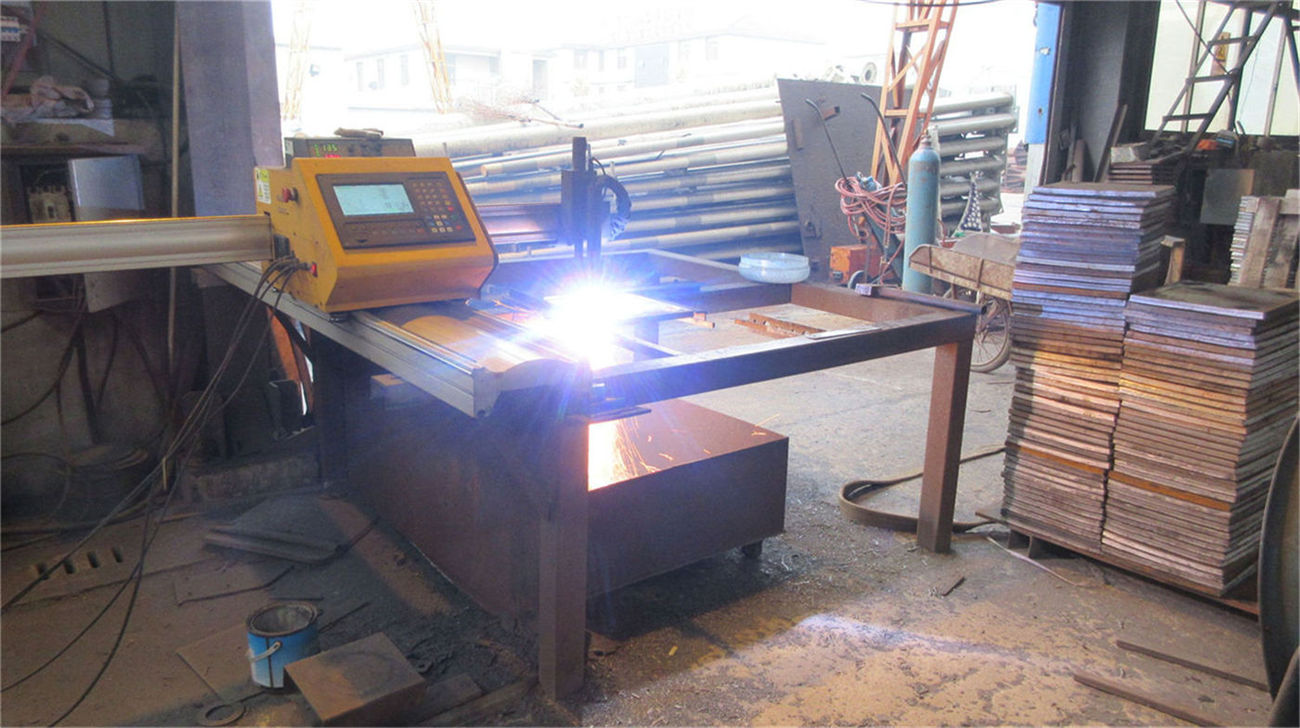
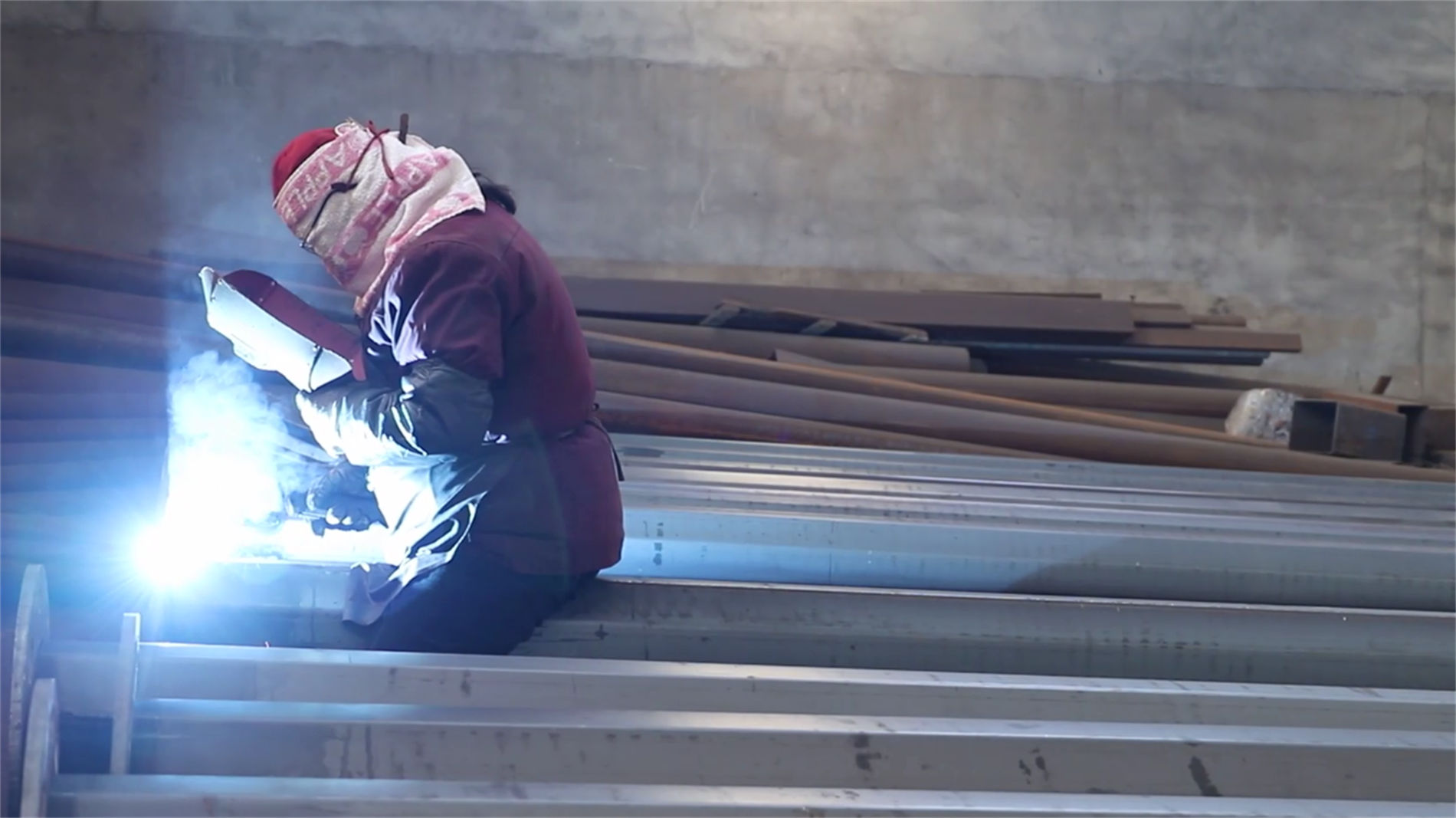
Customized configurations to solve complex lighting requirements across industrial sectors
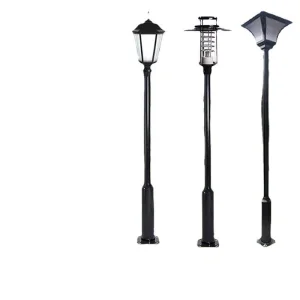
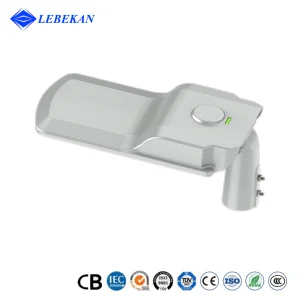
Modern transportation networks in South Korea require highly intelligent lighting grids that optimize driver safety and energy consumption. Our LED road lighting systems feature customizable beam distributions (Type II, Type III, Type IV lenses) to ensure optimal uniformity and minimize light spill onto adjacent residential properties. Compatible with NEMA 3/5/7-pin smart nodes, these fixtures interface seamlessly with centralized monitoring software, enabling dimming schedules, fault detection, and energy consumption analytics in real-time.
Heavy-duty industrial hubs require high-flux light engines capable of throwing high-intensity light down from elevations of up to 40 meters. Gtron's high-mast solutions offer advanced glare reduction and modular structures that make maintenance straightforward. Utilizing high-efficiency MeanWell drivers and Lumileds LED chips, these systems provide L80B10 lifespans in excess of 100,000 hours, dramatically decreasing maintenance intervals and lifecycle operational expenditures (TCO) for facility operators.
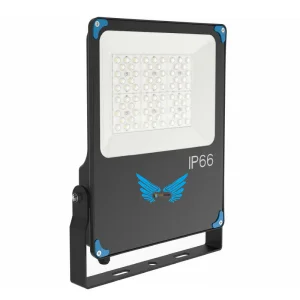
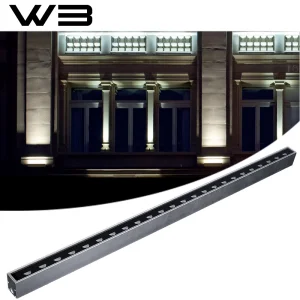
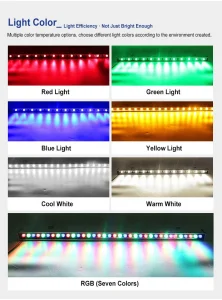
Architectural lighting for retail centers, corporate headquarters, and high-rise facades in major hubs like Gangnam, Seoul, relies on dynamic visual styling. Gtron Solar's outdoor linear wall washers and RGB floodlights provide precise, uniform color mixing. Equipped with robust aluminum housings and high-strength tempered glass, they offer IP65/IP66 ratings to protect delicate internal electronic drivers and LEDs from extreme weather.
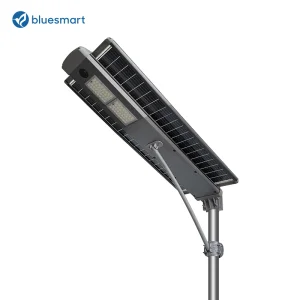
Browse our selection of durable, energy-efficient fixtures engineered for South Korea's demanding environment.
Key engineering and regulatory questions answered for South Korean buyers and EPC contractors
To clear customs and be sold legally in South Korea, commercial lighting fixtures must obtain the KC (Korea Certification) mark. This process includes testing for electrical safety and electromagnetic compatibility (EMC/EMI). For public infrastructure or government-funded bids, the KS (Korean Industrial Standards) certification and Energy Efficiency Labeling are often mandatory. Yangzhou Gtron Solar assists Korean clients by sourcing components compatible with these certifications and cooperating with third-party testing labs.
Our high mast poles are fabricated using premium Q345B carbon steel. They are designed using structural engineering software that models local wind speed coefficients, typical in typhoon-prone coastal cities like Busan. The design ensures the system can withstand wind speeds up to 45m/s. We supply complete mathematical structural calculations and stress tests to engineers during the project planning phase.
We use premium Lumileds or Bridgelux light-emitting chips paired with industrial drivers like MeanWell or Inventronics. This configuration delivers an L80B10 rated life exceeding 100,000 hours. We back our standard industrial floodlights and smart street lighting fixtures with a comprehensive 5-year replacement warranty, covering the cost of replacement parts.
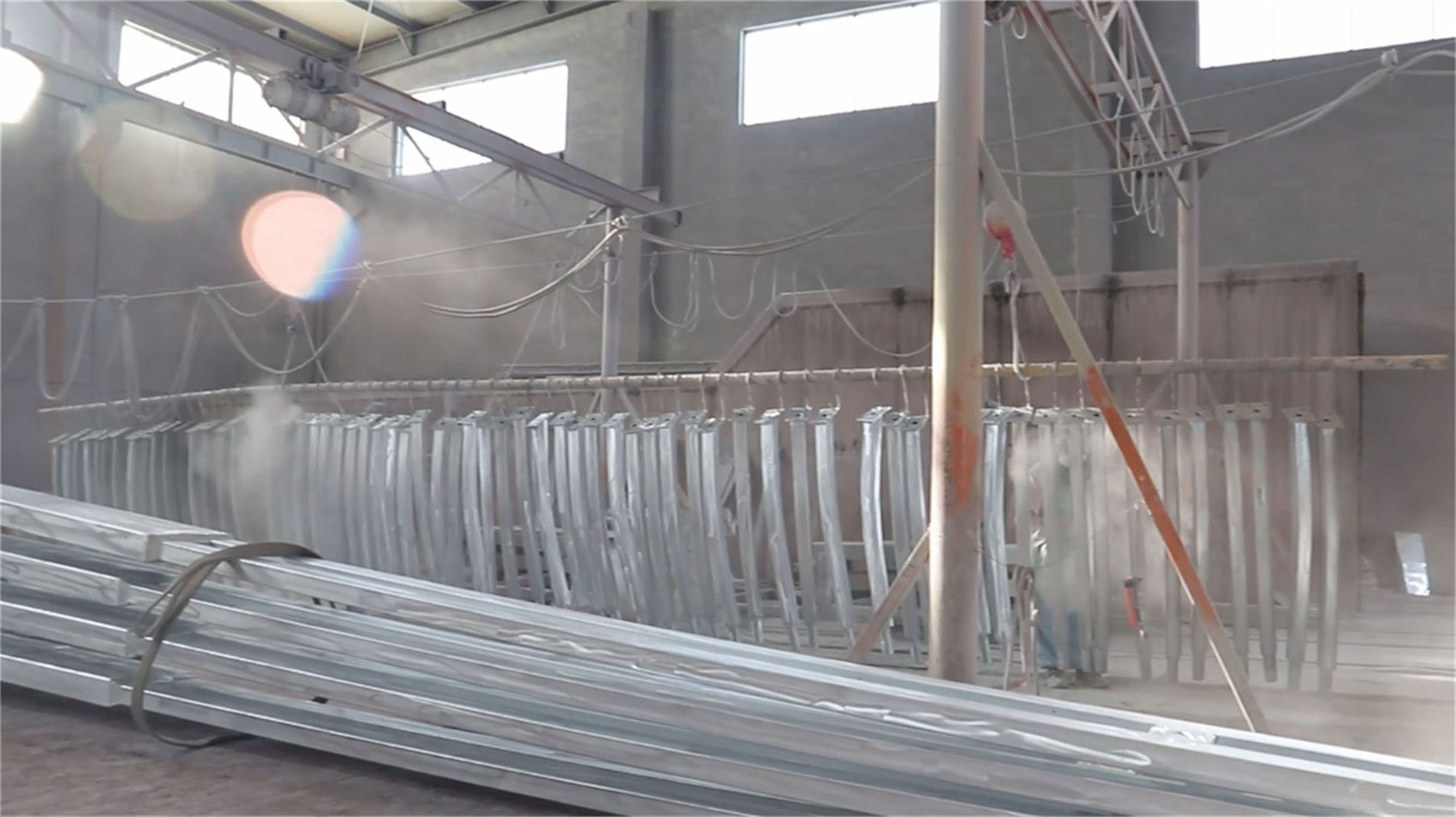
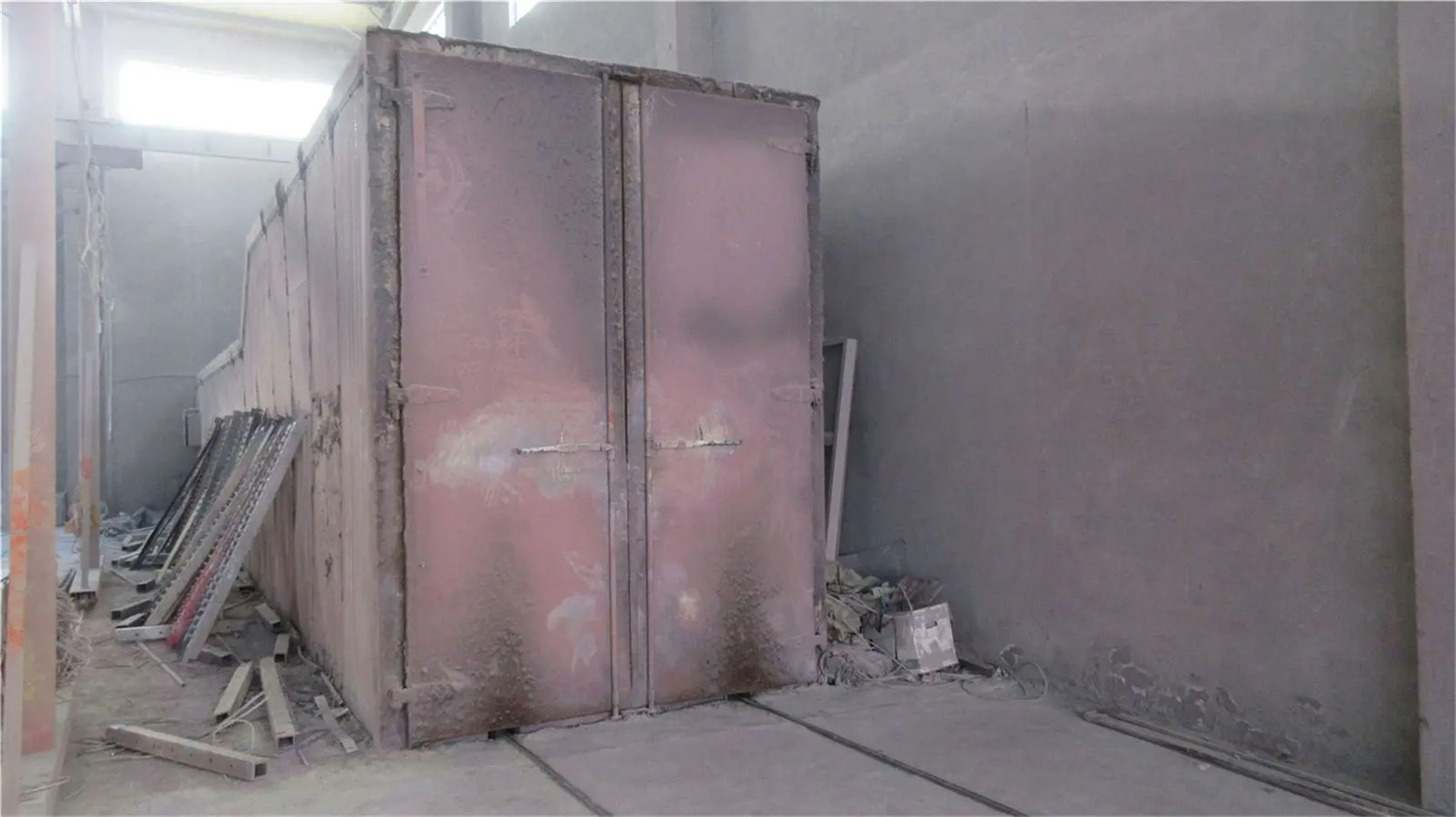
Our fixtures undergo a multi-stage finishing process. We perform automated sandblasting to clear surface contaminants, followed by hot-dip galvanization (for poles and steel brackets) and a baked-on fluorocarbon electrostatic powder coating. This prevents salt-mist from degrading the housing and ensures long-term performance in coastal marine environments.
Yes, our intelligent street and road lighting models support NEMA 3-pin, 5-pin, or 7-pin ANSI C136.41 compliant receptacles. This physical connection lets you plug in various smart controllers (utilizing LoRaWAN, Zigbee, or cellular NB-IoT protocols) that interface with your municipal Central Management System (CMS).