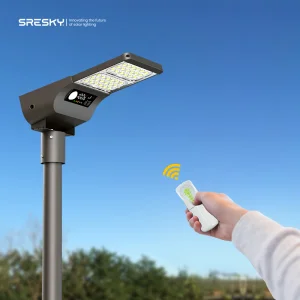
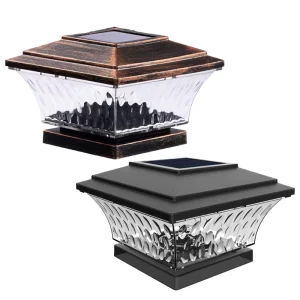
The global energy landscape is undergoing a critical transition. Governments, municipal corporations, and industrial developers are increasingly replacing conventional high-pressure sodium (HPS) and standard AC grid-powered municipal lights with off-grid Solar LED Street Light configurations. This structural shift is propelled by the dual mandate of reducing carbon footprints and lowering the Total Cost of Ownership (TCO). High-efficacy LED luminaires paired with advanced photovoltaic technology bypass the significant capital costs associated with trenching, copper wiring, grid connection, and ongoing utility bills.
Modern solar street lamps are no longer simple stand-alone fixtures. They represent highly engineered, integrated units incorporating high-conversion monocrystalline solar panels, dense Lithium Iron Phosphate (LiFePO4) storage chemistry, intelligent Maximum Power Point Tracking (MPPT) charge controllers, and IoT-enabled wireless telemetry. For engineering procurement construction (EPC) firms, selecting an OEM/ODM partner with deep vertical integration is crucial to ensuring structural durability, optical efficiency, and system reliability over decades in diverse outdoor climates.
Yangzhou Gtron Solar Co., Ltd. is a premier professional manufacturer and solution provider specializing in advanced solar lighting systems, LED outdoor lighting, and renewable energy products. Located in the high-capacity Industrial Zone of Yangzhou City, Jiangsu Province, China—a world-renowned hub for street light manufacturing—the company has been at the forefront of the research, development, production, and international export of premium commercial-grade lighting systems since its inception.
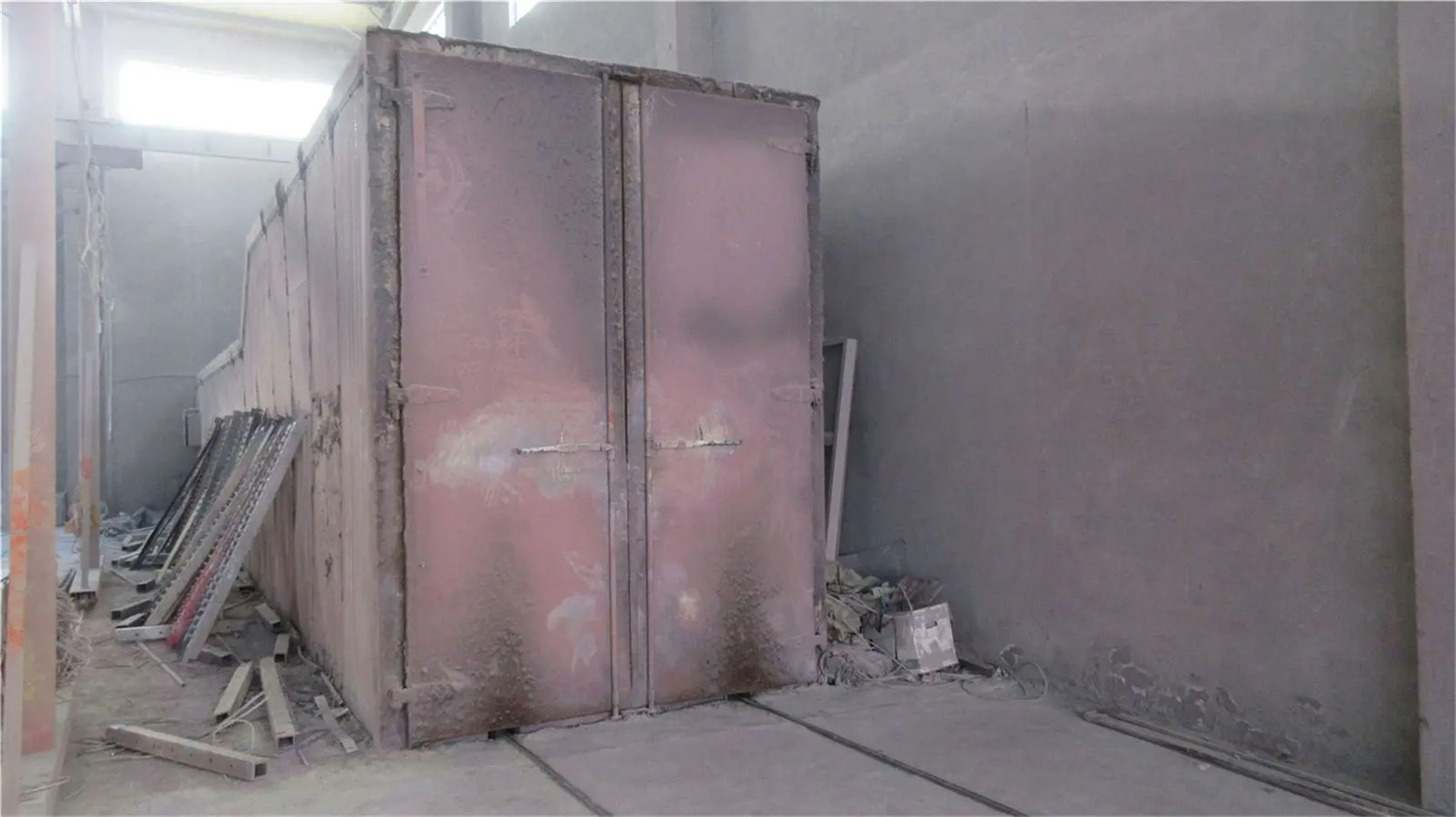
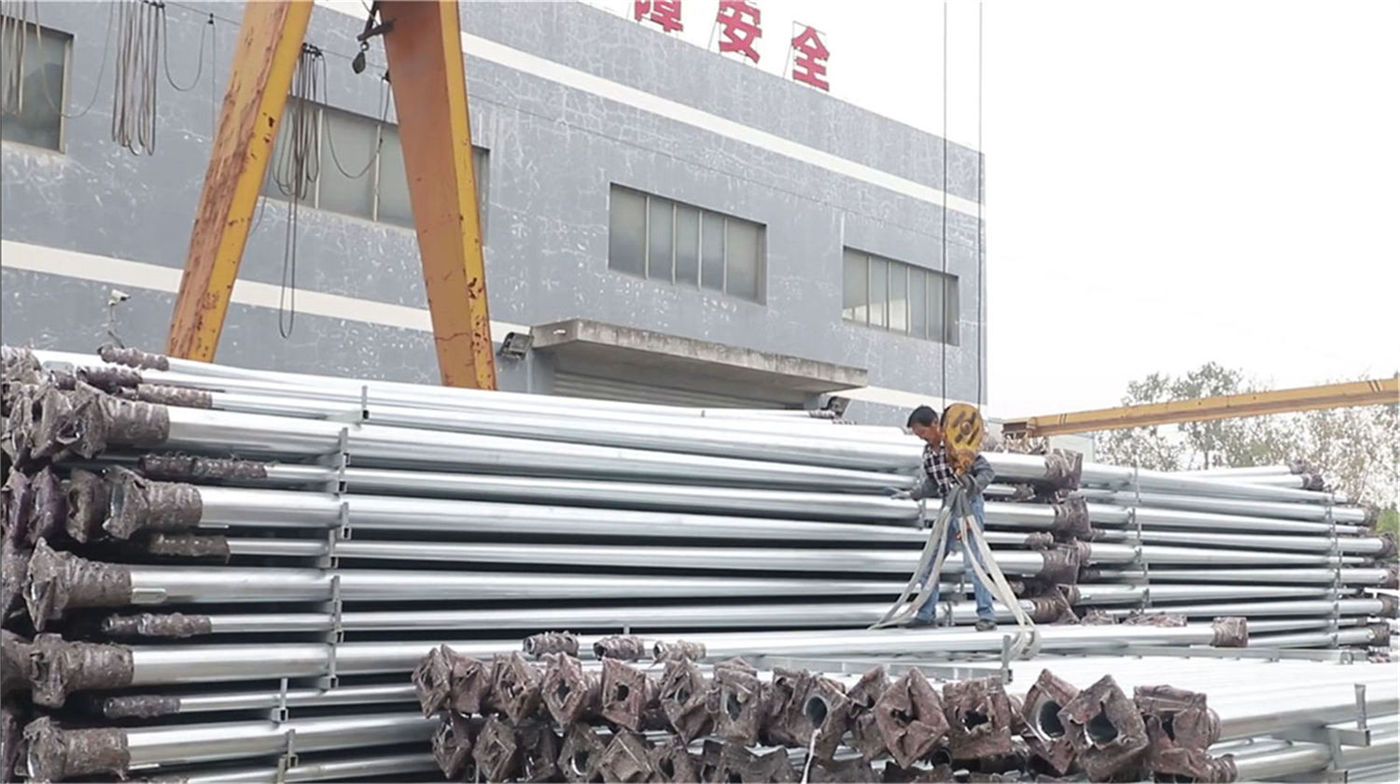
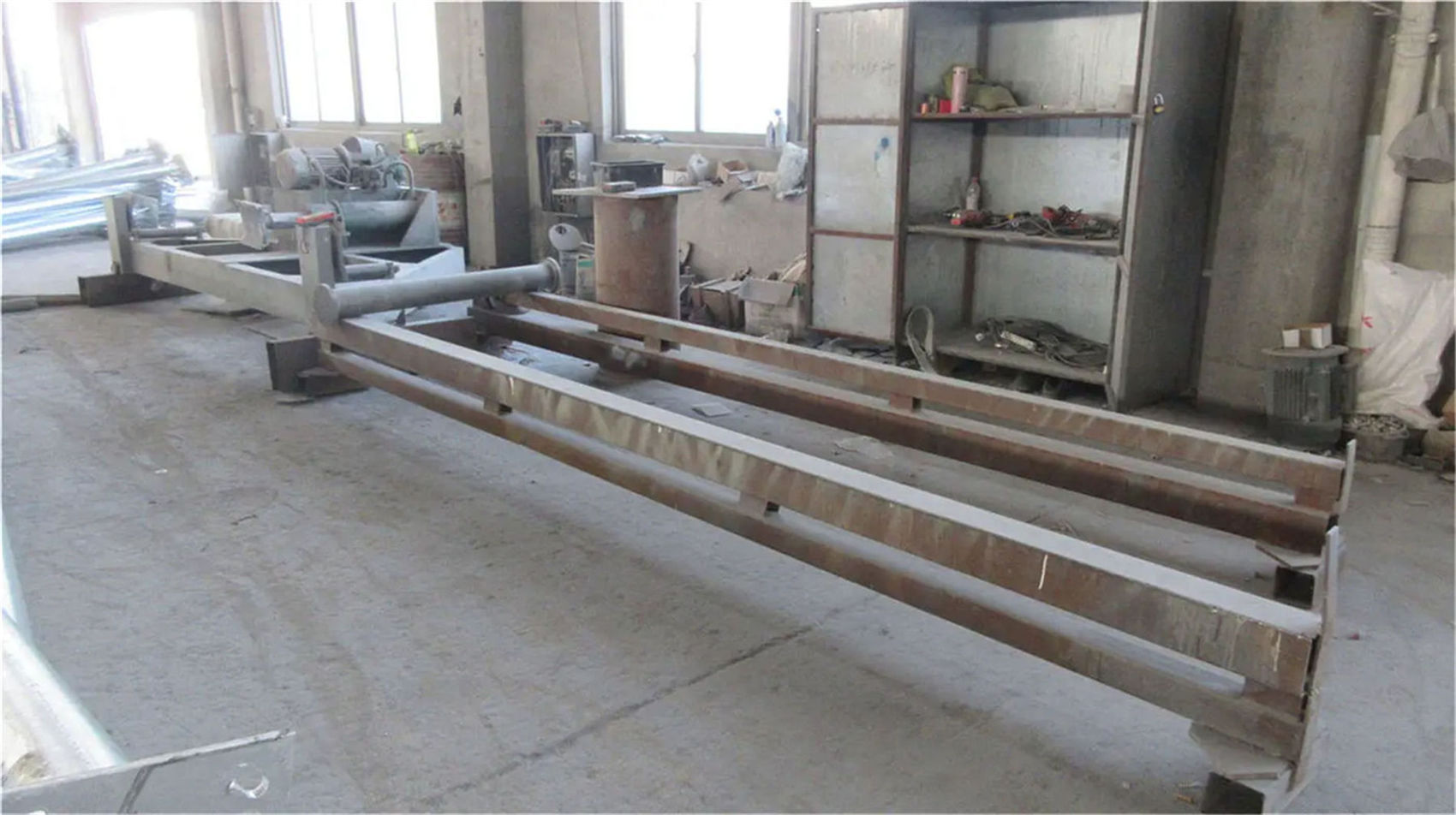
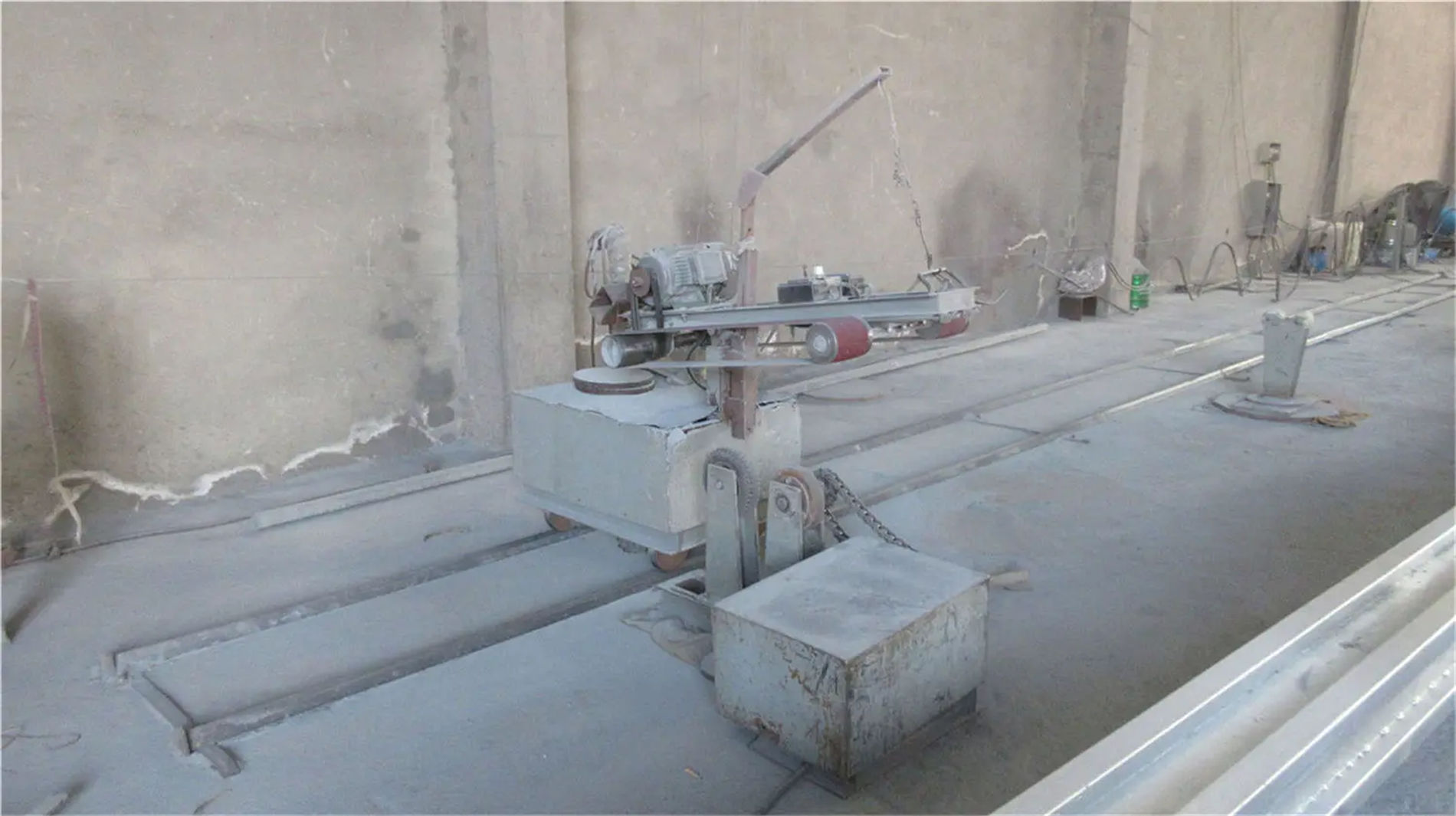
Over the past two decades, Gtron Solar has scaled its operations to become a modern, high-tech enterprise. Our state-of-the-art facility features deep heavy machinery and automated production systems, including large CNC bending machines, high-speed longitudinal shearing machines, automatic submerged arc welding lines, precision laser cutting setups, electrostatic powder coating lines, and a dedicated fluorocarbon paint spraying workshop. Our advanced internal testing instruments ensure that every pole, solar module, and bracket meets stringent mechanical engineering criteria.
As an officially certified National High-Tech Enterprise, Gtron Solar has built a vast patent portfolio and obtained comprehensive international certifications including ISO 9001 Quality Management System, ISO 14001 Environmental Management System, CE, RoHS compliance, CCC, and various third-party structural testing certifications necessary to meet global tender requirements.
Our vertically integrated facility features dedicated operations lines ensuring minimal processing latency and strict quality inspection bounds:
From structural raw steel processing to final product testing, our Yangzhou facility enforces 100% trace-ability and precise mechanical alignment to guarantee wind resistance, corrosion safety, and thermal stability in harsh outdoor settings.
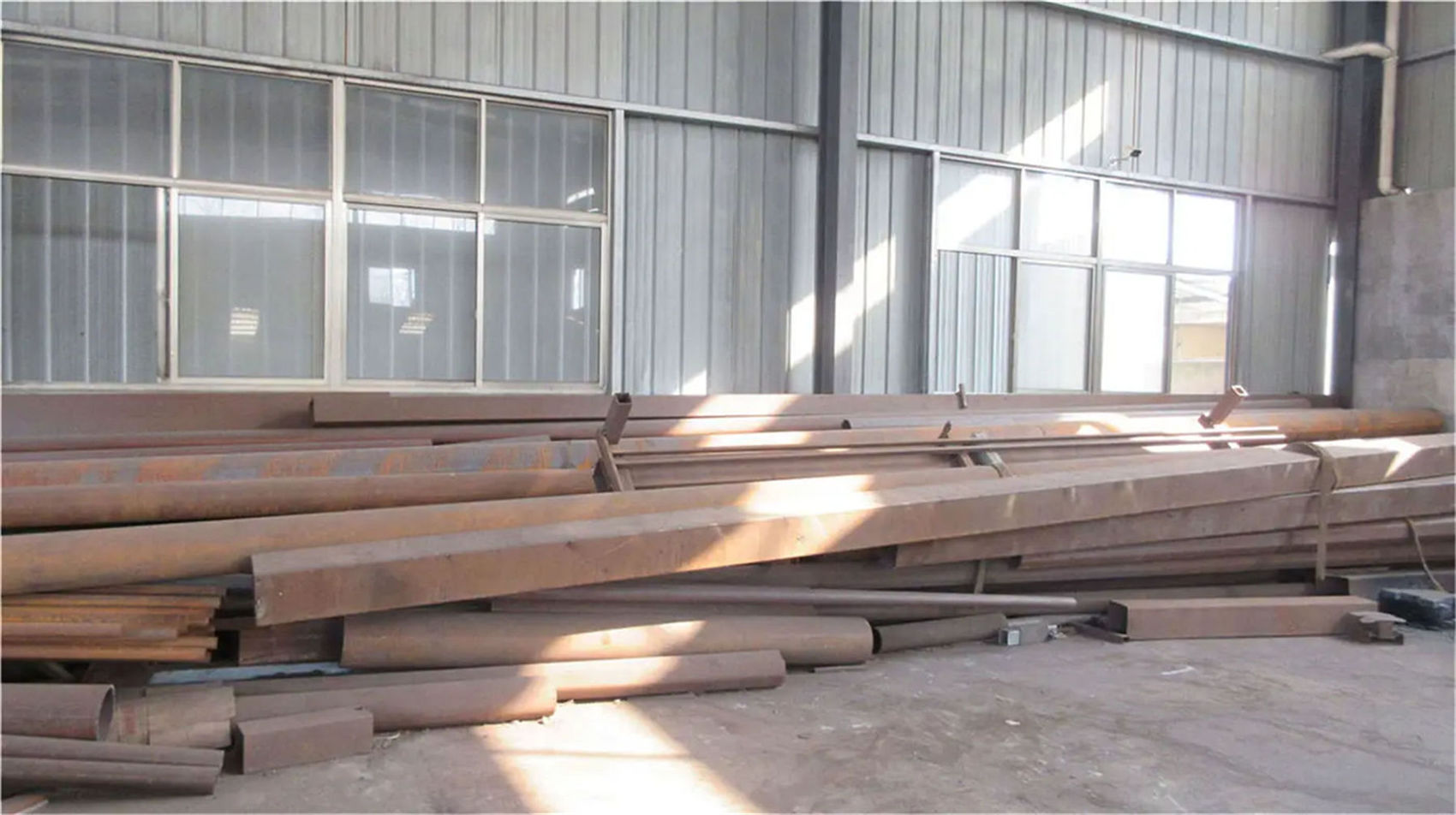
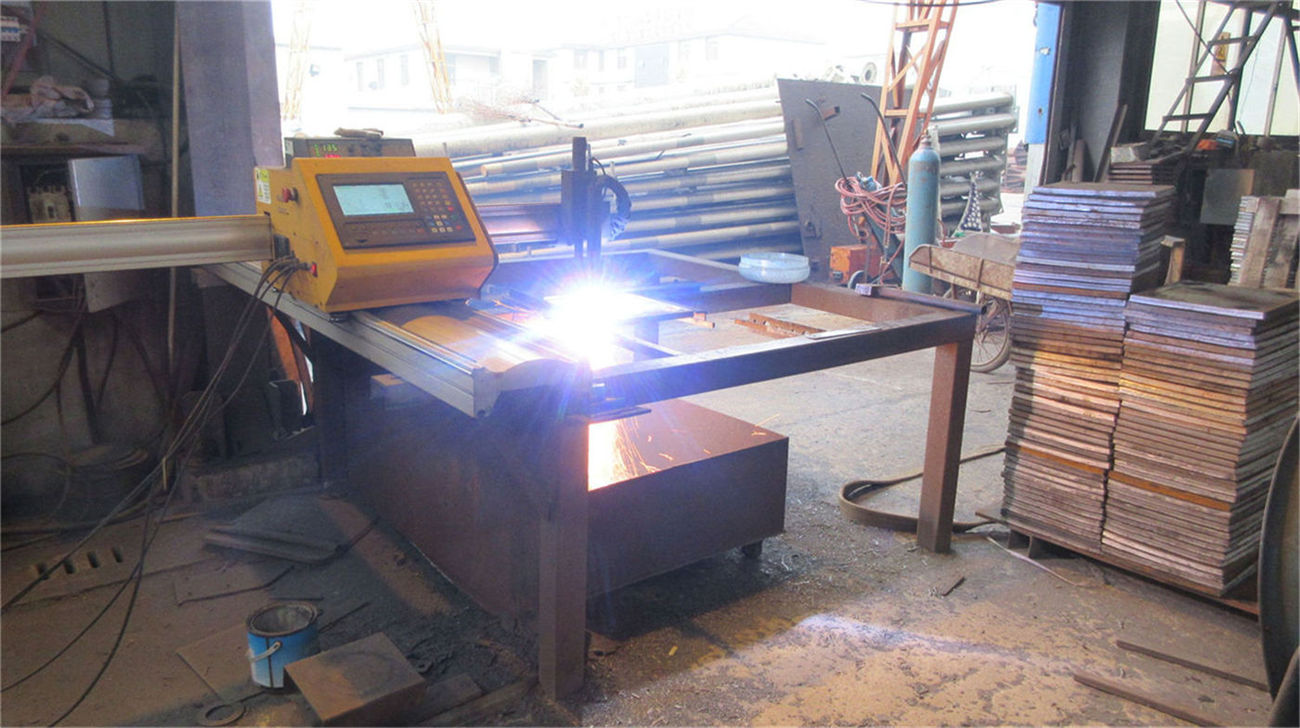
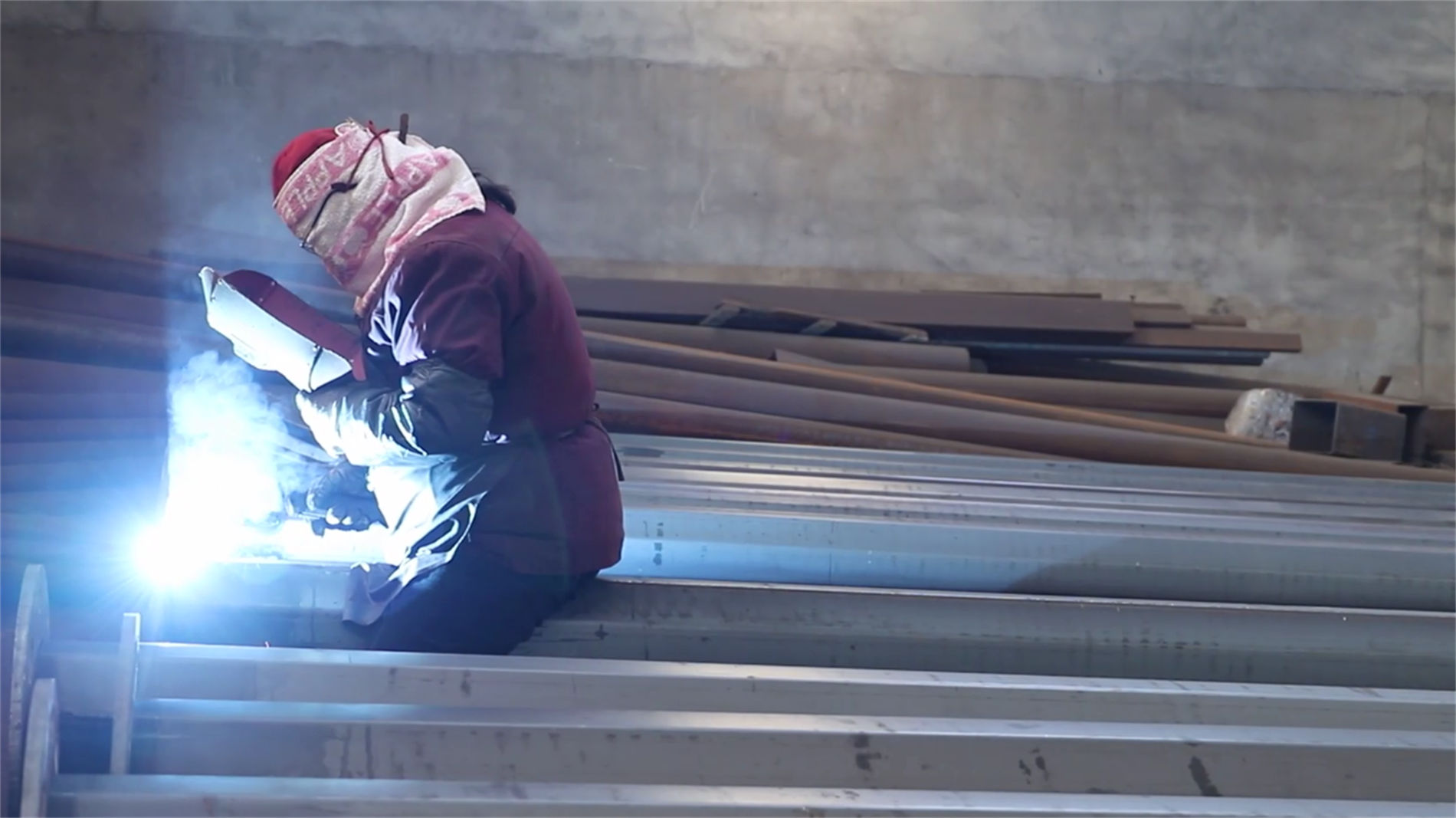
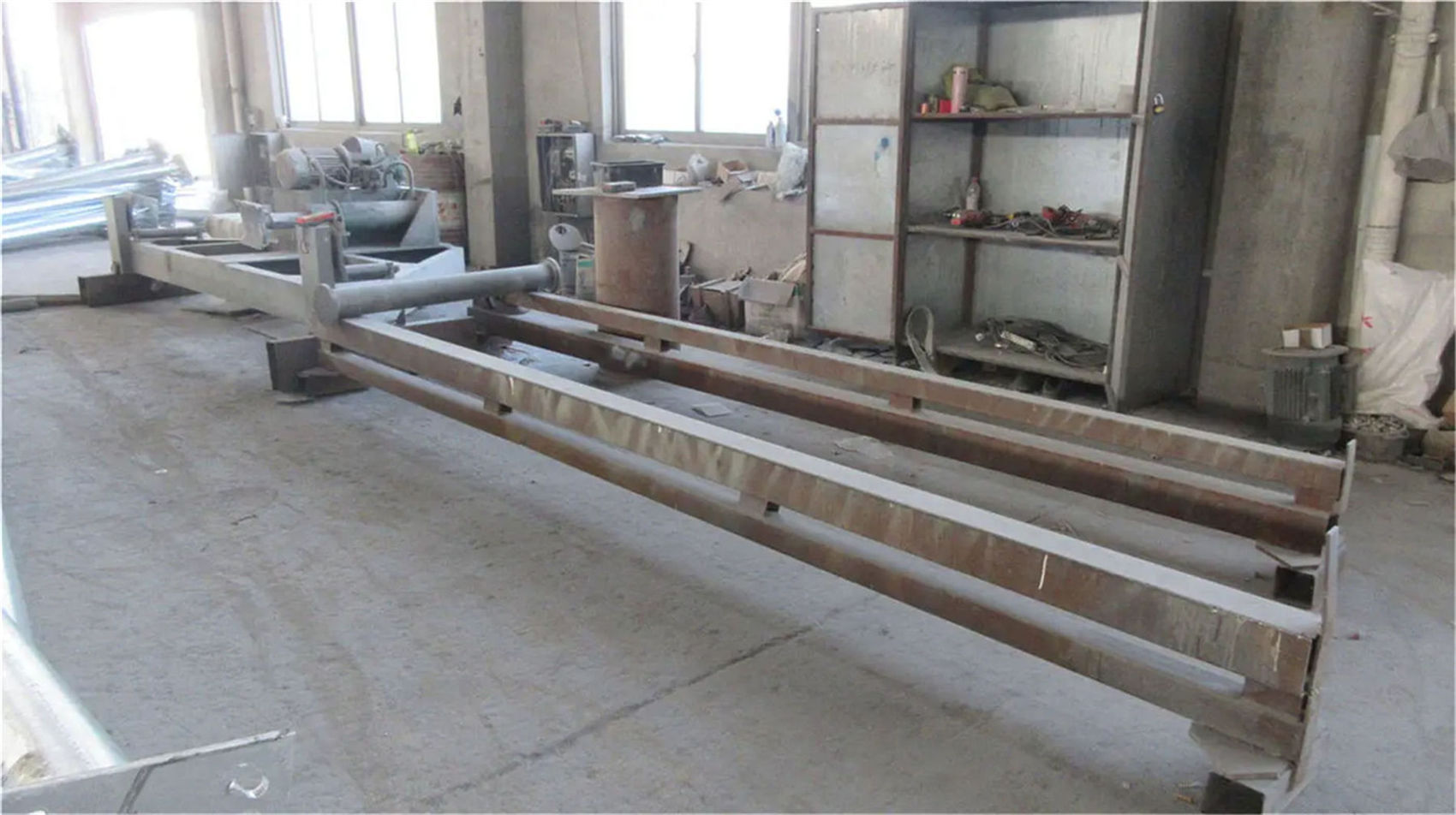
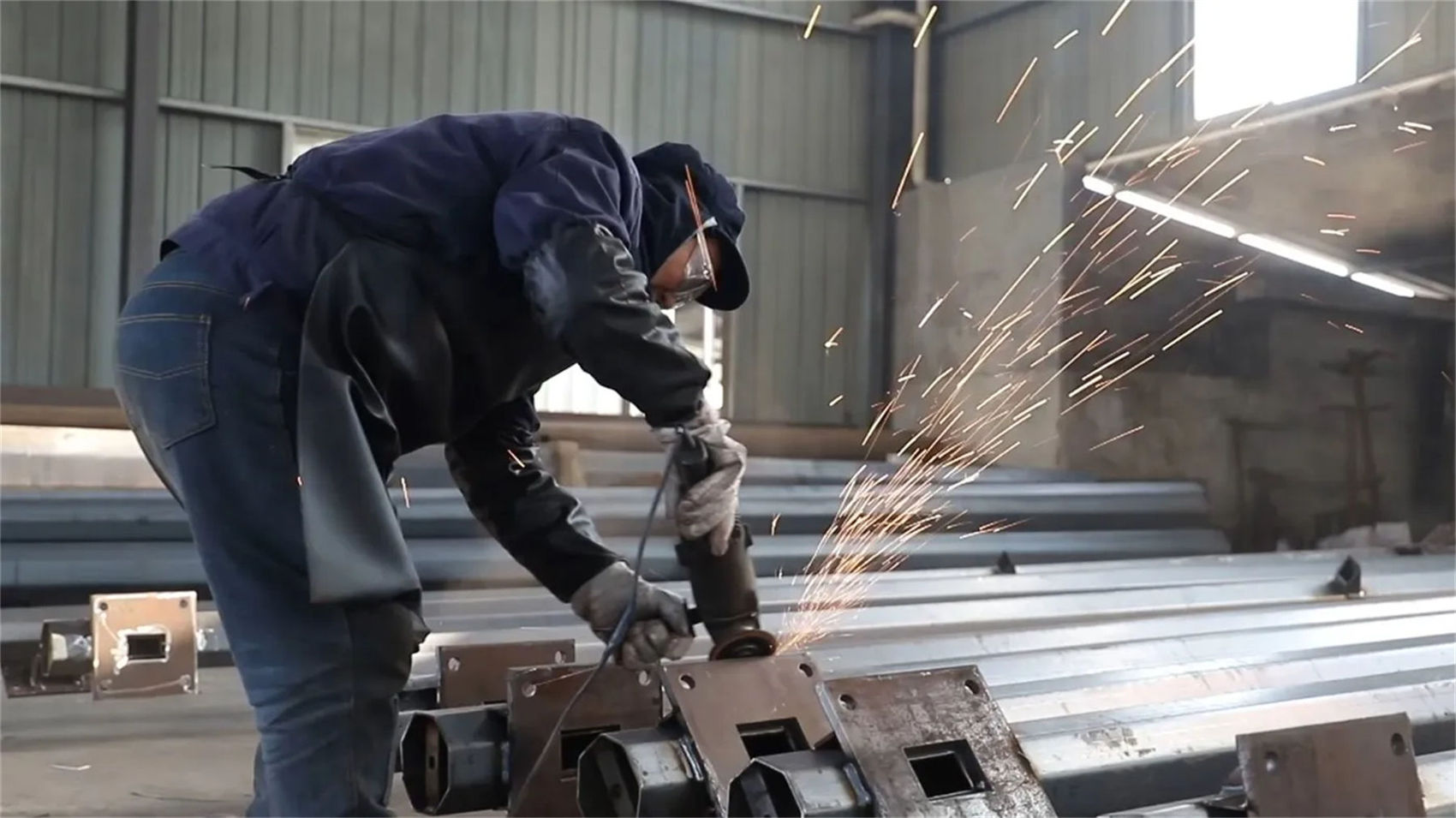
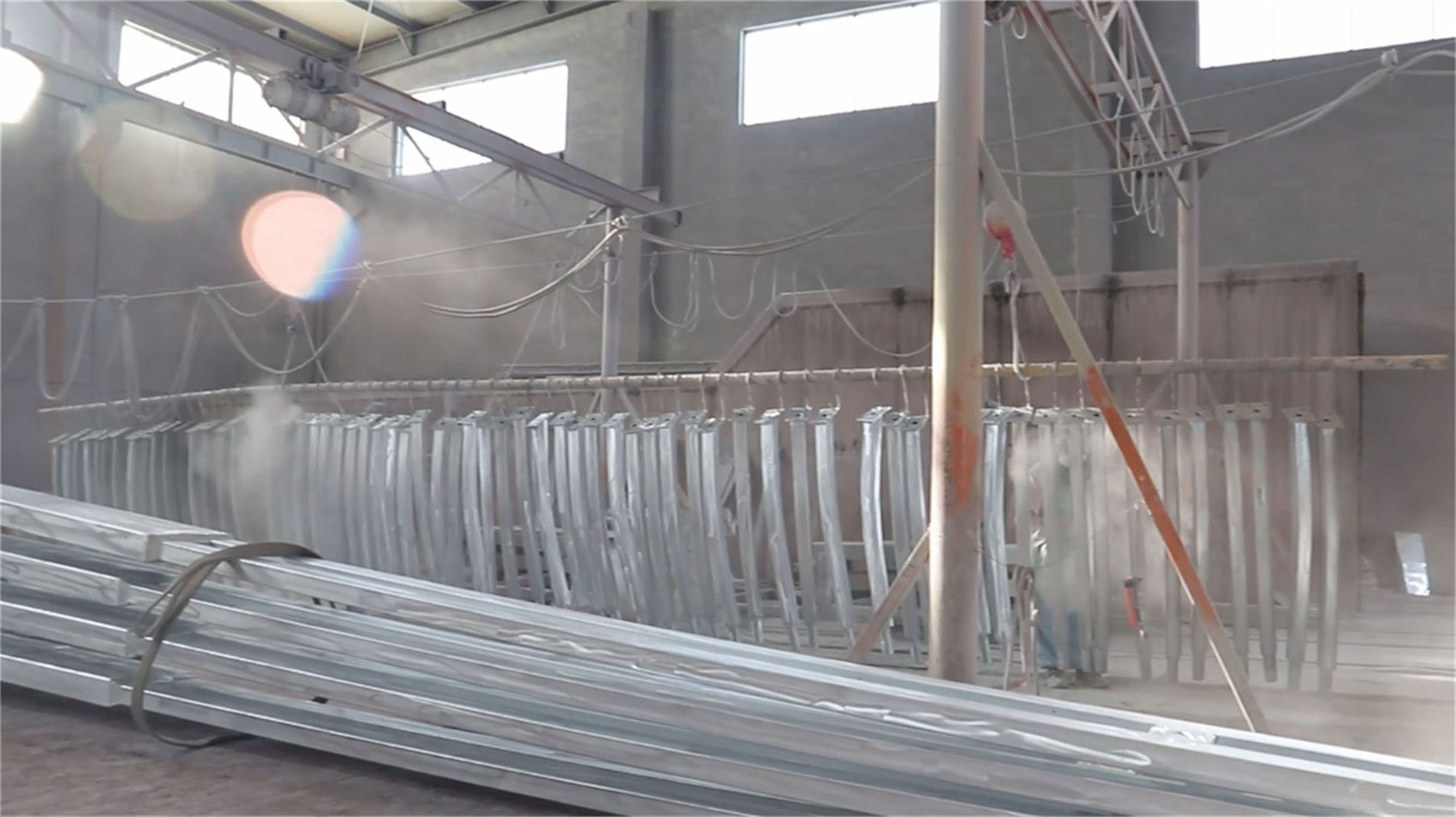
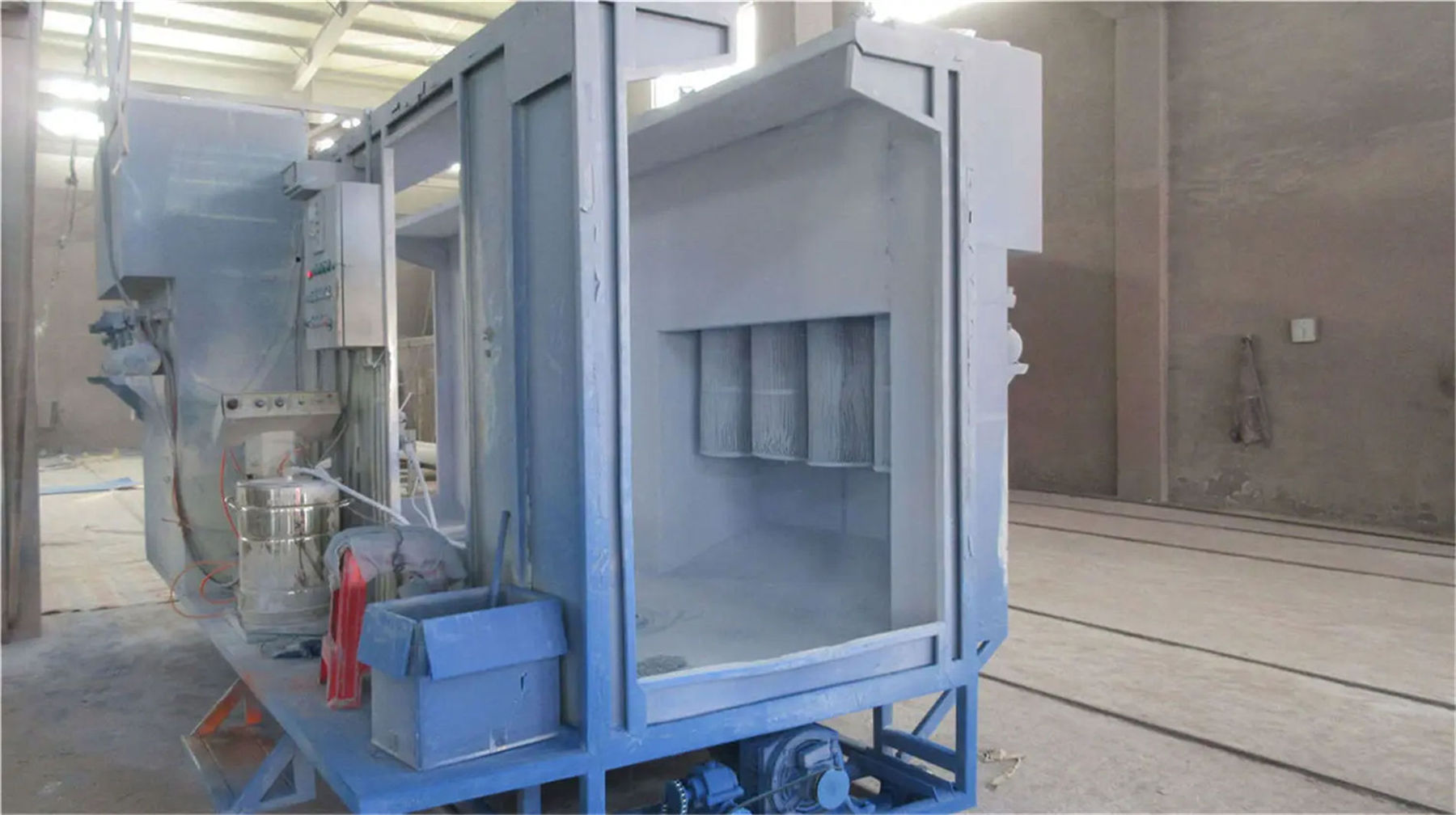
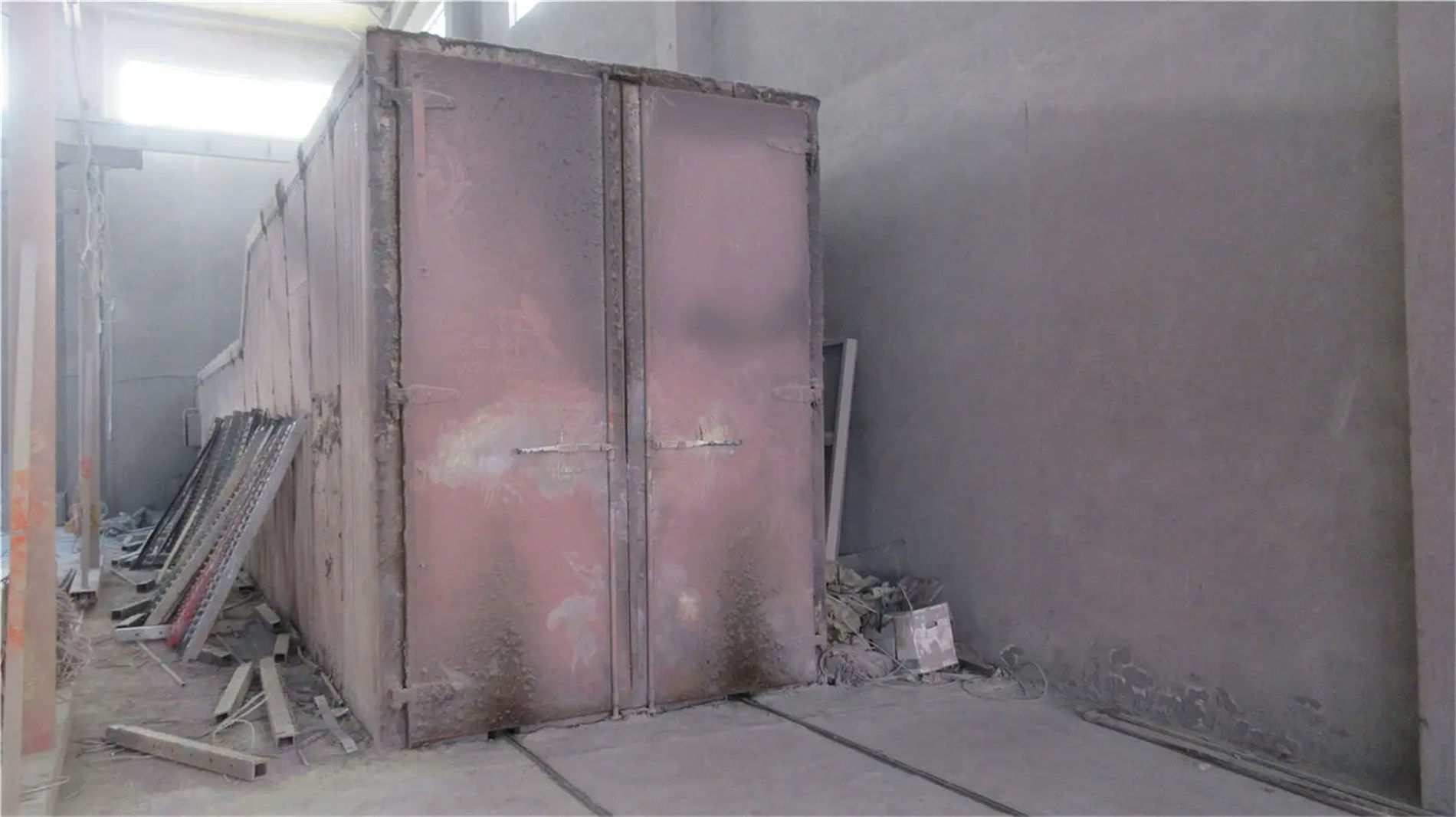
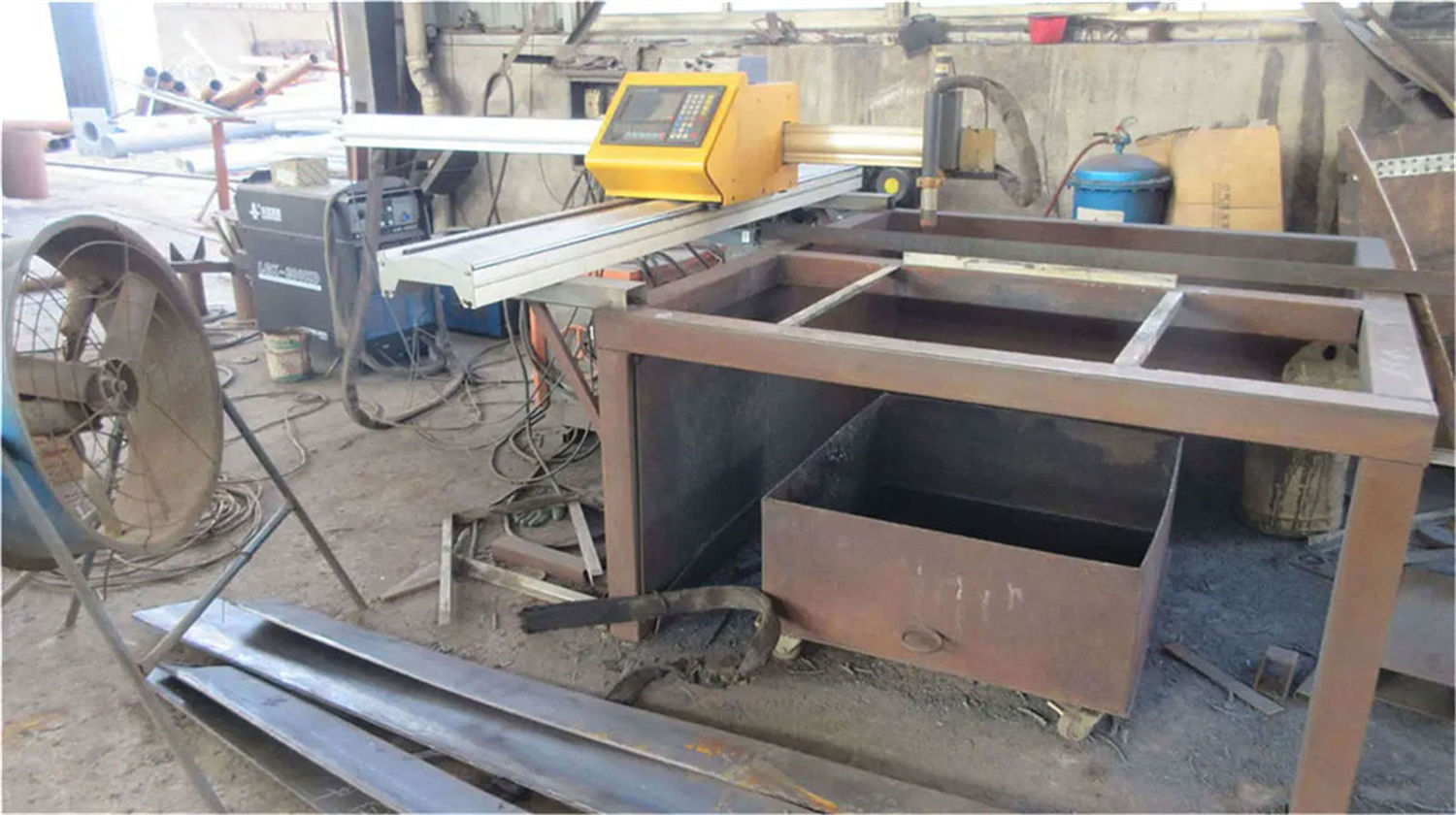
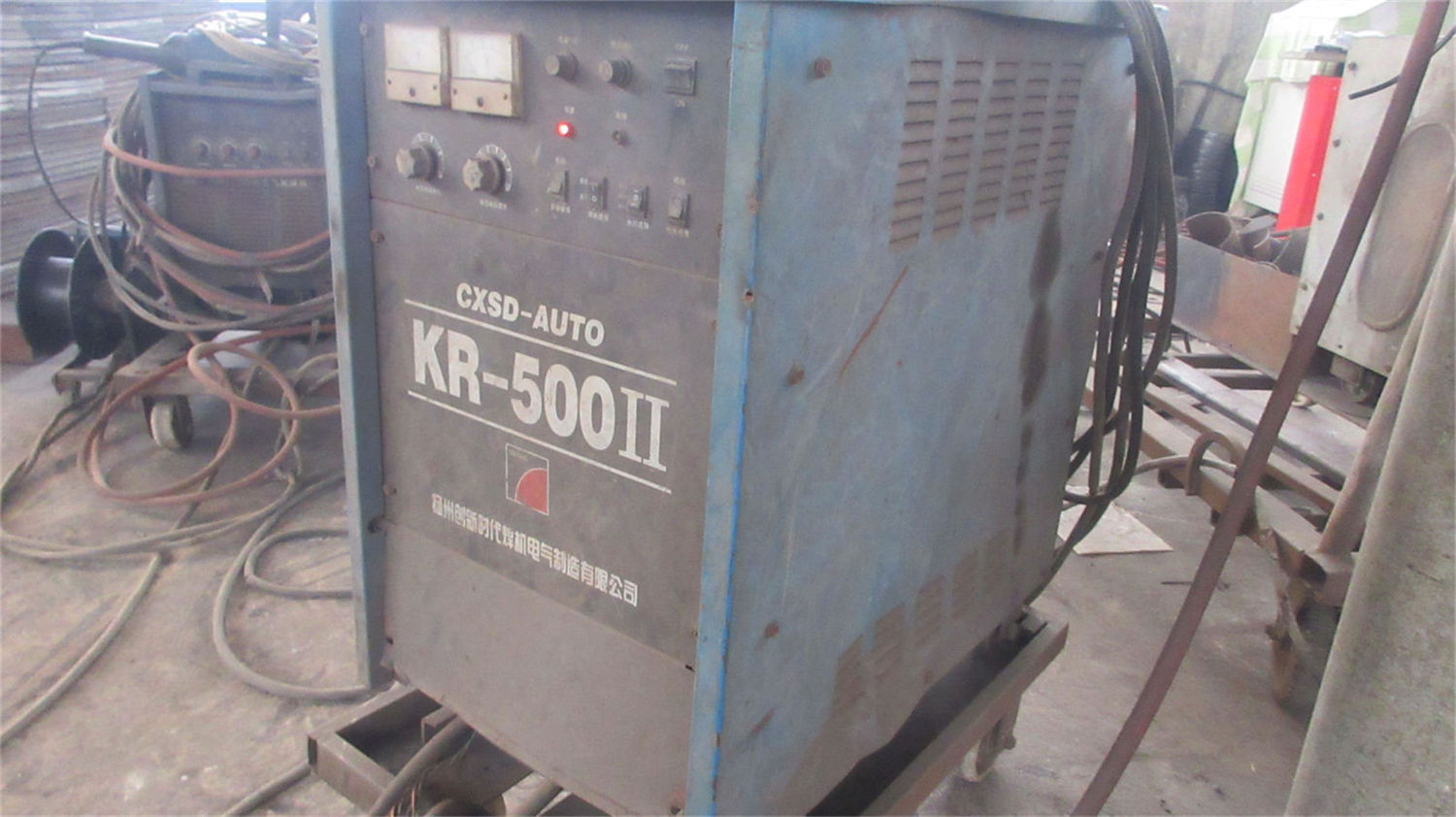
Procurement managers and municipal EPC contractors operating globally face mounting pressure to control supply chain risks and lead times. By centralizing raw material sourcing and system assembly within the industrial heart of Yangzhou, China, Gtron Solar capitalizes on a unique industrial cluster. This concentration brings significant advantages in both efficiency and cost control.
First, vertical component sourcing minimizes production bottlenecks. Unlike assemblers who source components from multiple sub-suppliers, we manufacture the steel poles, solder the LED SMT modules, package the lithium batteries, and construct the monocrystalline solar panels in-house. This internal supply loop prevents component mismatch, protects the raw material supply chain, and insulates international buyers from volatile logistics markets.
Second, our scale and automated infrastructure support massive production capabilities with quick lead times. Large municipal tenders often require thousands of fixtures delivered in phases. With automated welding, computerized polishing, and rapid electrostatic powder coating lines, Gtron Solar can process heavy metal structures and delicate electronics simultaneously. This streamlined flow shortens the production cycle by up to 35% compared to semi-automated facilities, expediting customs dispatch from key ports like Shanghai and Ningbo.
Solar street lighting is not a one-size-fits-all product. Different geographic zones require custom structural engineering and battery management protocols. Gtron Solar adapts its designs to meet the unique challenges of regional installations:
In areas like the Middle East and North Africa, high temperatures and sand accumulation present challenges. Gtron Solar utilizes vertical cylindrical solar panels or tilted, dirt-resistant monocrystalline arrays. This limits dust buildup, maintaining high solar energy conversion. In addition, we configure specialized LiFePO4 battery enclosures with active cooling and thermal isolation to prevent degradation at temperatures up to 65°C.
In humid coastal areas, salt spray, moisture, and high winds are major concerns. Gtron Solar poles undergo a hot-dip galvanization process inside and out (zinc coating thickness >85μm). This is followed by a dual-layer fluorocarbon finish that resists marine corrosion. We also use mechanical reinforcement designs to help poles withstand Category 15 typhoons (wind speeds up to 50m/s).
In places like Europe and North America, winter days are short and temperatures can drop below freezing. Standard lithium chemistry can fail to charge in these conditions. To address this, Gtron Solar integrates high-density LFP cells paired with intelligent heating systems. By using energy from the solar panel during the day to warm the battery compartment, our systems support reliable charging and discharging even at temperatures as low as -30°C.
The field of outdoor lighting is shifting from passive fixtures to active, connected infrastructure. Gtron Solar is driving this change through a multi-phase technology roadmap, focusing on higher efficiency, longer lifecycles, and advanced smart-city connectivity.
Moving beyond standard LED modules, we now deliver up to 210 lm/W at the fixture level. By optimizing the distribution of primary and secondary optical lenses, we reduce glare while maximizing luminaire spacing. This reduces the number of poles required for roadway projects, lowering initial capital costs.
Our upcoming product lines feature bifacial solar panel integration. These modules harvest direct sunlight from the front and reflected ambient light from the back, increasing daily energy yield by up to 15%. This is paired with Grade-A LiFePO4 battery packs that sustain over 4,000 charge cycles at 80% Depth of Discharge (DoD), extending the overall system lifetime.
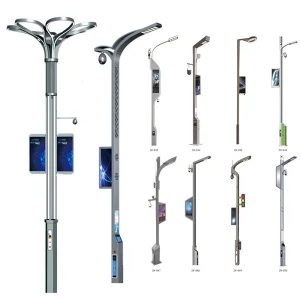
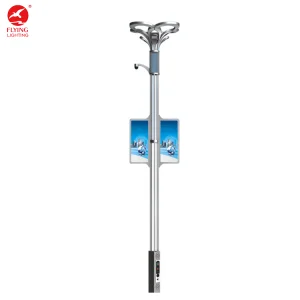
Our smart poles feature Zigbee, LoRaWAN, and 4G/5G cellular connectivity. Operators can remotely monitor energy levels, dim individual fixtures during low-traffic hours, and run diagnostics from a centralized dashboard. These systems also accommodate modular additions like public Wi-Fi, environmental sensors, CCTV security cameras, and municipal advertising displays.
Procuring municipal assets involves navigating complex standards, import certifications, and field warranty structures. Gtron Solar supports international clients by verifying compliance at every stage of the import process. Our testing and documentation are structured to meet strict tender criteria.
Complete Testing Reports: Our products are tested to meet CE, RoHS, and CCC standards. Our laboratory performs salt spray tests, IP65/IP66 ingress testing, IK08/IK10 mechanical impact tests, and photobiological safety assessments. This documentation helps fast-track local customs clearance and engineering approvals.
Comprehensive Engineering Support: Gtron Solar provides Dialux light simulations for large-scale municipal tenders. By calculating lux distribution, average road illuminance, and uniformity, we help engineering firms choose the optimal pole height, arm outreach, and wattage. This eliminates guesswork and ensures projects meet local highway and urban lighting standards.