Solar street lights are becoming increasingly popular in urban landscapes. They offer an eco-friendly solution to street lighting needs. A key component of these systems is the battery which powers them. Understanding how long do solar street light batteries typically last is essential for city planners and municipalities.
According to industry reports, the average lifespan of solar street light batteries ranges from 3 to 7 years. Factors like battery type, usage, and environmental conditions affect longevity. Lithium-ion batteries, for instance, often last longer than lead-acid alternatives. Some reports highlight that improper installations can significantly shorten battery life. This raises questions about best practices and the investment in quality products.
While the benefits of solar street lights are clear, challenges remain. Monitoring and maintaining battery performance is crucial for sustainability. Cities must invest in regular assessments. It's vital to ensure that installations meet required standards, as neglect can lead to premature failures. In the end, making informed decisions about solar street light batteries is critical for a successful implementation.
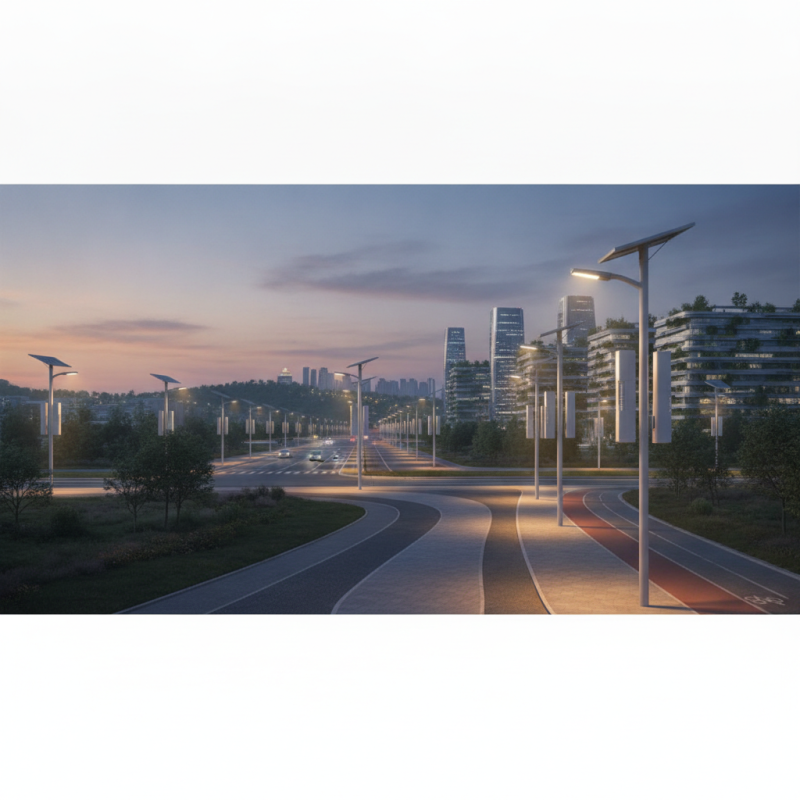
In China, solar street light battery technologies have advanced significantly in recent years. Current reports indicate that lithium-ion batteries dominate the market, accounting for over 70% of installations. This popularity stems from their high energy density and longer lifespan, typically ranging from 8 to 12 years. In comparison, lead-acid batteries may only last up to 5 years, making them less favorable for sustainable street lighting.
Recent studies reveal that the performance of these batteries can be affected by temperature fluctuations. For instance, extreme heat can reduce the lifespan of lithium-ion batteries by 30%. Data also suggests the need for improved thermal management systems in solar street lights. Users reported issues with battery performance during harsh winter conditions, suggesting a lack of adaptability in current technologies.
Additionally, the market shows a growing interest in new chemistries, such as sodium-ion batteries. Preliminary trials indicate they may offer similar lifespans to lithium-ion options but at a reduced cost. However, the overall reliability of these emerging technologies remains under scrutiny. Industry experts emphasize the importance of rigorous testing to ensure that any new technology meets the durability and efficiency demands of urban environments.
The lifespan of batteries in solar street lights is influenced by several critical factors. Temperature and climate play a significant role. High temperatures can accelerate battery degradation, reducing overall lifespan. Reports indicate that lithium-ion batteries can lose up to 20% of their capacity after just a few years in extreme heat. Similarly, very cold environments can reduce efficiency while increasing the time needed for charging.
Another key factor is the quality of materials used in battery construction. Higher quality batteries often come with longer lifespans. Studies show that batteries using advanced technology can last five to seven years under proper conditions. However, poorly designed batteries might only last two to three years despite similar usage.
Charging cycles also determine battery longevity. Frequent deep discharges can be detrimental, leading to excessive wear. In reality, achieving optimal performance requires a careful balance between charging and discharging. Users sometimes overlook this, leading to premature battery failure. Stakeholders in the solar street light industry must prioritize understanding these factors to enhance battery lifespan.
| Battery Type | Average Lifespan (Years) | Depth of Discharge (%) | Temperature Range (°C) | Charging Cycles |
|---|---|---|---|---|
| Lithium-ion | 3-10 | 80 | -20 to 60 | 5000+ |
| Lead Acid | 2-5 | 50 | 0 to 40 | 300-500 |
| Nickel Cadmium | 2-7 | 100 | -20 to 50 | 1000+ |
| Nickel Metal Hydride | 3-5 | 70 | 0 to 45 | 500-1000 |
| Gel Battery | 5-7 | 80 | -20 to 50 | 500-1500 |
| AGM Battery | 4-6 | 50 | -20 to 40 | 300-1200 |
When considering solar street lights, battery choice is crucial. Different battery types offer varying lifespans and performance. Lithium-ion and lead-acid batteries are two common options. According to a recent industry report, lithium-ion batteries can last up to 10 years, while lead-acid batteries typically last between 3 to 5 years. This data highlights the importance of battery selection for sustainable solutions.
In addition to lifespan, efficiency varies significantly. Lithium-ion batteries demonstrate higher energy density. This allows for reduced size and weight compared to lead-acid batteries. A study from the Journal of Renewable Energy indicates lithium-ion batteries can recharge fully within 4 to 5 hours. In contrast, lead-acid batteries may require up to 8 hours. However, lithium-ion batteries come with a higher initial cost. This can be a deterrent for some municipalities.
Not all environments favor every battery type. Extreme temperatures can degrade battery performance. Lead-acid batteries tend to perform poorly in colder climates. Conversely, they are less sensitive to high temperatures. This inconsistency necessitates thoughtful consideration of local conditions. End users must weigh these factors carefully to find the best fit for their needs.
Proper maintenance is crucial for prolonging the battery life of solar street lights. Regularly checking connections and battery voltage can prevent issues. Dust and debris collecting on solar panels reduce efficiency. Cleaning these panels every few months ensures optimal energy absorption. A well-maintained panel can enhance battery performance significantly.
Batteries also need a conducive environment. Avoid placing them in extreme temperatures. Overheating or freezing can lead to a decline in battery health. Seasonal checks help adjust placement if required. Moreover, using temperatures between 20-25°C is ideal for battery longevity. Regular inspections can identify wear or damage early.
Consider implementing a tracking system for battery performance. Monitoring cycles can help determine when replacements are necessary. Keeping accurate records provides insights into battery lifespan trends. Lastly, knowledge sharing among communities can lead to better maintenance practices. Collaboration can bridge gaps in experience, enhancing battery care collectively.
The future of solar battery technology is evolving rapidly. Innovations are set to enhance the performance and longevity of solar street light batteries. A recent report from the International Renewable Energy Agency (IRENA) indicates that advanced lithium-ion batteries can reach a lifespan of 10 to 15 years. This is significantly better than traditional lead-acid counterparts, which average only 3 to 5 years. As efficiency improves, this promises not just cost savings but also less frequent replacements.
Developments like solid-state batteries are promising. Early estimates suggest they may increase energy density and reduce charging times. This could mean solar street lights remain operational longer, even in low sunlight conditions. Solar energy storage, combined with AI monitoring systems, can optimize battery usage patterns. This integration is significant; reports suggest it could lead to a 20% increase in lifespan.
Tips: Regular maintenance improves battery lifespan. Keep the solar panels clean. A clean panel absorbs more sunlight. Also, consider monitoring the battery's performance. This gives insights into optimal usage. The future is bright, but challenges remain. Not all innovations reach the market. Testing and reliability are crucial. Continuous research will drive these advancements forward.
: Lithium-ion batteries can last up to 10 years, while lead-acid batteries last between 3 to 5 years.
Lead-acid batteries perform poorly in cold temperatures but handle high temperatures better.
Lithium-ion batteries recharge in 4 to 5 hours, while lead-acid batteries may take up to 8 hours.
Innovations include advanced lithium-ion batteries and solid-state batteries, enhancing lifespan and performance.
Regular maintenance, like cleaning solar panels, increases efficiency and battery longevity.
AI monitoring systems can optimize usage patterns and potentially extend battery lifespan by 20%.
While they last longer, their initial cost may deter some users from choosing them.
Future advancements could increase lithium-ion battery lifespans to 10 to 15 years, reducing replacements.
Not all innovations are reliable. Testing ensures they meet performance and safety standards before market release.
Users must evaluate local climate conditions, costs, and maintenance needs to find the best battery fit.
This article explores the lifespan of solar street light batteries in China, providing valuable insights into the technologies utilized and the factors that influence their longevity. It delves into various battery types, such as lithium-ion and lead-acid, highlighting their comparative advantages and disadvantages. A critical examination of how long do solar street light batteries typically last reveals that lifespan can vary significantly based on the type of battery, environmental conditions, and usage patterns.
Additionally, the article discusses maintenance practices that can enhance battery life, emphasizing the importance of regular checks and optimal charging conditions. Looking ahead, the piece identifies future trends in battery technology innovations that may further improve the performance and sustainability of solar street lights, paving the way for more efficient urban lighting solutions.