Outdoor lighting enhances the beauty and safety of our environments. However, it faces a significant threat from nature: lightning strikes and electrical surges. Understanding how to protect outdoor lighting from lightning strikes and surges is essential for homeowners and businesses alike. Damage from these events can lead to costly repairs and unplanned outages.
Investing in proper protection measures for outdoor lighting isn't just wise; it's necessary. The unpredictability of storms means that no location is immune to lightning. Simple precautions can make a difference. For example, using surge protectors and proper grounding techniques can significantly reduce risks. Proper installation is also crucial, yet many overlook this aspect. Regular maintenance is vital for ensuring that systems function optimally.
Reflecting on these methods reveals the importance of preparedness. Neglecting this can lead to devastating damage. By prioritizing safety and taking proactive steps, you can safeguard your outdoor lighting effectively. Making informed choices today protects your investment tomorrow.
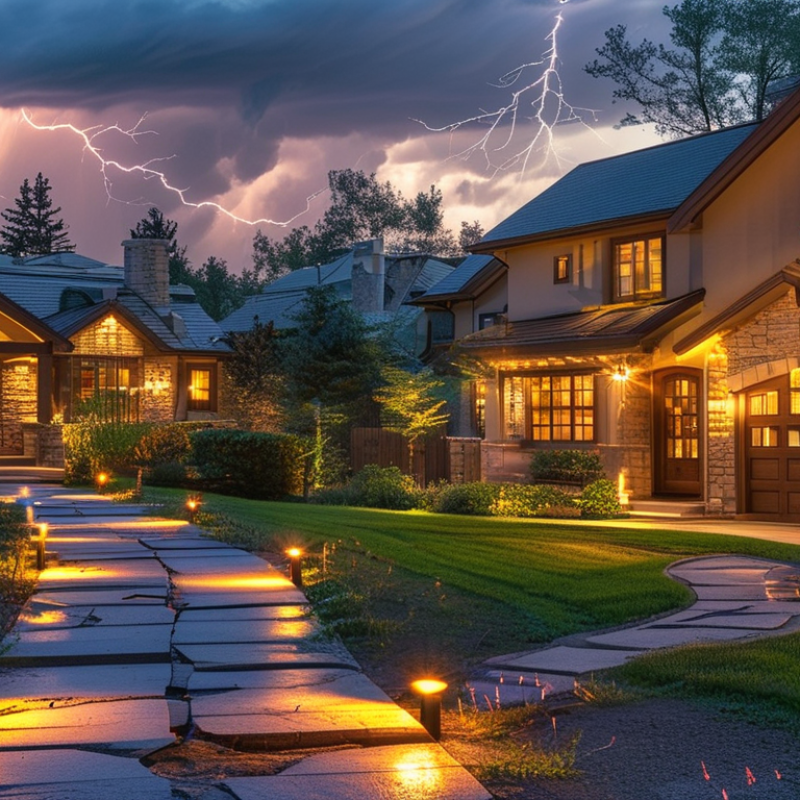
Understanding the risks of lightning strikes to outdoor lighting is crucial. Lightning can cause severe damage to electrical systems, especially in unprotected installations. Outdoor lighting fixtures are vulnerable because they are typically mounted high, making them prime targets during thunderstorms.
To mitigate risks, consider installing surge protection devices. These devices help absorb excess energy from lightning strikes, reducing damage to your lighting systems. Regularly check your wiring and connections to ensure they are secure. A loose connection can create a weak point during a surge, increasing the chance of failure.
Remember, even well-designed systems can face challenges. Not all areas have the same level of lightning risk; understanding your local weather patterns is essential. Additionally, make a habit of disconnecting lighting during storms. While it may seem inconvenient, this simple act can save your investments. Take these steps seriously to protect your outdoor lighting effectively.
When considering outdoor lighting, protecting it from lightning strikes is crucial. One effective component for ensuring this protection is the use of surge protectors. These devices are designed to absorb excess voltage from lightning strikes. They help prevent damage to your lighting systems. Installing them strategically can extend the life of your outdoor fixtures and maintain their functionality.
Another essential component is proper grounding. A well-grounded lighting system safely directs electrical surges into the ground. This minimizes risks associated with lightning strikes. It is vital to ensure that the grounding system meets local code requirements. Regular inspections can reveal grounding issues that may lead to potential hazards.
Tips for protection include installing lightning rods, which can redirect strikes away from your fixtures. Consider using weather-resistant materials for your outdoor lighting. Regular maintenance also plays a role in keeping systems resilient. Pay attention to any signs of wear. Replace damaged components immediately to avoid bigger problems later on. Ignoring these details can lead to unexpected failures.
| Component | Purpose | Recommended Rating | Installation Location |
|---|---|---|---|
| Surge Protection Device (SPD) | Diverts excess voltage from lightning or surges | At least 20 kA | Near outdoor lighting circuit breaker |
| Grounding Rod | Provides a pathway for lightning to dissipate safely into the ground | 8 feet minimum length | Directly below the outdoor lighting fixture |
| Bonding Jumpers | Connect various metal components to ground | Copper or aluminum, no less than 6 AWG | Between fixture and grounding system |
| Lightning Rod | Directs lightning strikes away from fixtures | At least 5 feet above the highest point | On roof or highest outdoor fixture |
| Enclosure | Protects electronic components from surges | IP66 or higher rating | Around sensitive electronic devices and connections |
Implementing surge protection devices (SPDs) is essential for enhancing the safety of outdoor lighting systems. According to the National Fire Protection Association, surge events can damage electrical systems and increase the risk of fire. In fact, lightning strikes can carry thousands of volts, potentially destroying unprotected outdoor lighting. SPDs act as a barrier, redirecting excess voltage away from sensitive equipment. This is particularly significant for advanced lighting systems, which are often costly and critical for safety.
Data from the Electric Power Research Institute indicates that nearly 60% of power disturbances are caused by surges, including external factors like lightning. By investing in quality surge protection, property owners can significantly minimize repair costs and downtime. Unfortunately, many outdoor lighting installations lack adequate protection. Regular assessments should be conducted to verify the effectiveness of SPDs in place.
Employing surge protection not only safeguards equipment but also enhances overall safety. Outdoor lighting serves vital roles in security and visibility. When not protected, these systems are at risk, creating potential hazards. Observing how a surge protection strategy reduces risks can inform future installations. Addressing these gaps is crucial for a proactive approach to outdoor safety.
Regular maintenance and inspection practices are crucial for protecting outdoor lighting from lightning strikes and surges. According to a study by the National Oceanic and Atmospheric Administration (NOAA), lightning strikes cause over $1 billion in damages annually. Ensuring that outdoor fixtures are in optimal condition can significantly reduce these risks. Inspecting connections and wires frequently helps identify potential vulnerabilities.
Routine checks should include examining fixtures for rust and damage. Corroded parts can increase susceptibility to electrical surges during storms. It’s recommended to clean fixtures at least twice yearly to prevent dirt build-up. Additionally, using surge protectors rated for outdoor use can offer an extra layer of defense. Data from the Insurance Information Institute shows that homes with surge protection experience 30% fewer incidents of damage from electrical surges.
Managers of outdoor lighting should document maintenance efforts regularly. This creates a reliable history of inspections and repairs, which is important for evaluating equipment health. Reflecting on the frequency of inspections can highlight trends in weather-related damages. Understand that initial efforts may yield variable results. Ensuring ongoing evaluations can improve reliability over time. Regular inspections not only enhance safety but also extend the lifespan of outdoor lighting systems.
When protecting outdoor lighting from lightning strikes, proper grounding is essential. A well-designed grounding system directs electrical surges away from lighting fixtures. The National Fire Protection Association reports that lightning strikes cause about 28 million dollars in property damage annually. Therefore, effective grounding is crucial for safety and cost savings.
To ground outdoor lighting, use copper or galvanized steel grounding rods. They should be driven deep into the soil for lasting effectiveness. Research indicates that a grounding rod must be at least eight feet long. The soil's resistivity plays a vital role; drier soil can reduce conductivity. A moisture meter can help assess soil conditions.
Regular maintenance is also important. Periodically inspect grounding connections for corrosion. Corroded connections can increase resistance, making the system less effective. Experts recommend testing grounding systems yearly to ensure reliability. Inadequate grounding can lead to failures in the lighting system, resulting in costly repairs and safety hazards. Balancing proactive measures with ongoing assessments can enhance outdoor lighting protection against lightning and surges.
: Outdoor lighting can sustain severe damage during lightning strikes. Unprotected systems are especially vulnerable.
Installing surge protection devices can absorb excess energy. Regularly check wiring and connections for security.
Surge protectors redirect excess voltage, preventing damage. They help maintain the functionality of lighting systems.
A grounded system directs electrical surges safely into the ground. This minimizes risks during lightning events.
Regular inspections are key. Check for wear and replace damaged components promptly to avoid bigger issues.
Yes, disconnecting lighting during storms is a good practice. It might be inconvenient, but it protects your investment.
No, lightning risk levels vary by location. Understanding local weather patterns is essential in assessing the risk.
Look for wear and tear on fixtures. Any unusual behavior, like flickering lights, could indicate issues.
Regular assessments are necessary. Ensure your surge protection devices are functioning correctly.
Ignoring protection can lead to severe damage and increased repair costs. It may also create safety hazards.
When considering how to protect outdoor lighting from lightning strikes and surges, it's crucial to first understand the risks associated with lightning and its potential impact on outdoor lighting systems. Essential components for lightning protection include specialized hardware designed to withstand electrical surges, as well as surge protection devices that can significantly enhance safety.
Regular maintenance and inspection practices are vital to ensure that outdoor lighting remains functional and protected against sudden electrical events. Additionally, proper grounding techniques can prevent damage and enhance the overall safety of these systems. By following these guidelines, property owners can effectively safeguard their outdoor lighting from the dangers posed by lightning strikes and electrical surges, ensuring longevity and reliability.
