Solar panels mounted on high street lights collect dust, pollen, bird droppings, and road grime. Even a thin film can reduce the light reaching the cells. Cleaning them is not simply a matter of reaching up with a brush. The work involves elevated equipment, electrical components, traffic, and fragile panel surfaces. This guide explores how to clean solar panels on high street lights while protecting people and equipment.
A safe routine starts with checking the manufacturer’s instructions and assessing the site. Look for cracked glass, loose fittings, or damaged cables before cleaning. Choose a cool, dry period; hot panels can develop stress when cold water hits them. Use clean water and a soft, non-abrasive brush, and avoid strong pressure or household detergents unless the manufacturer approves them. Small details matter. A gritty brush can leave fine scratches.
The requested expert quotation needs verification before publication. No source article or expert statement was supplied, so inventing a name or quote would weaken the reliability of this advice. Add a confirmed quotation from a qualified solar-maintenance professional, with permission and attribution. That step may feel less polished at first. It is more trustworthy. Cleaning should also stop whenever access, weather, traffic, or electrical conditions create uncertainty; a spotless panel is never worth an avoidable risk.
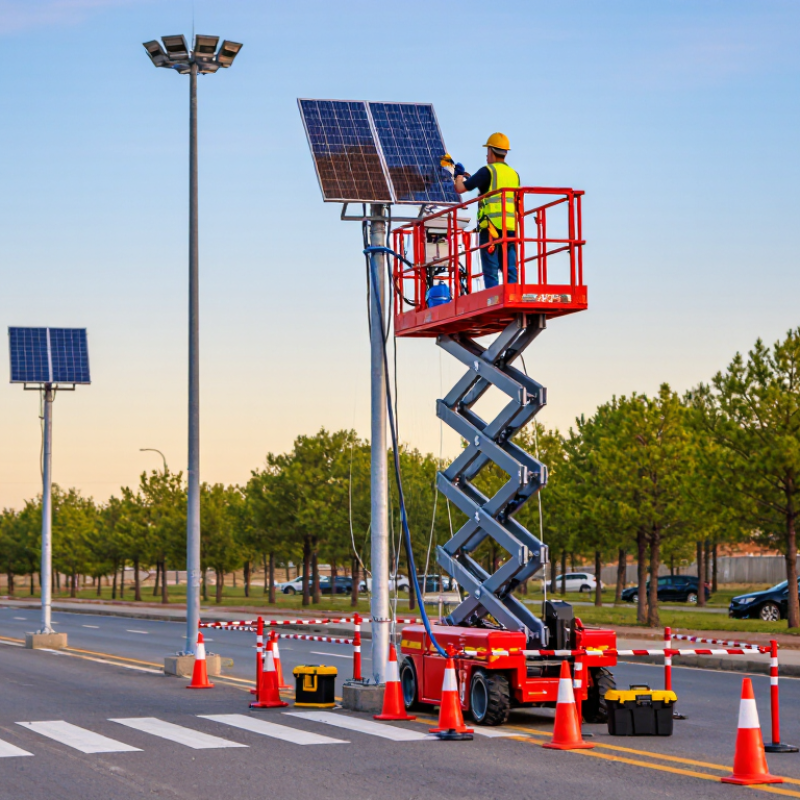
Before cleaning a high-street light, assess the panel from a safe position and note its condition. Look for a hazy film, bird droppings, pollen, leaves, or new shade from nearby branches. Check for cracks or loose edges; these need professional attention, not scrubbing. Small deposits matter.
It is tempting to call every dull panel dirty; that can be wrong. Compare its appearance with nearby units and, where available, review charging or operating records across similar weather. A cloudy week can reduce output without any buildup. One reading is not enough. Record the date, weather, visible deposits, and any change after cleaning.
The site determines the method and timing. Road dust may collect faster beside busy traffic, while trees can leave sticky residue or seasonal pollen. At coastal sites, salt film may need more frequent checks. Avoid abrasive pads and harsh chemicals, which can scratch surfaces or damage seals. High-mounted lights require trained workers, suitable access equipment, and traffic controls. A ground-level inspection cannot reveal everything, and I would not treat a visual check as proof that the system is working well. Cleaning intervals should follow observed buildup and performance, rather than a fixed calendar alone.
| # | Cleaning approach | Condition or site assessment | Practical method | Key precautions |
|---|---|---|---|---|
| 1 | Inspect before cleaning | Check for loose mounting, cracked glass, damaged cables, corrosion, heavy shading, or persistent dirt. | View the panel from a safe position and record visible defects and soiling. Compare output or maintenance records where available. | Do not touch damaged electrical parts. Refer defects to an appropriately qualified maintenance team before cleaning. |
| 2 | Remove loose dry dust with a soft brush | Best suited to a light, dry film of dust or grit on an intact panel at a site with little sticky residue. | Use a clean, soft, non-abrasive brush approved for photovoltaic surfaces; work gently without pressing hard on the glass. | Only clean from safe, authorized access. Avoid brushing abrasive grit across the surface, which can scratch the glass. |
| 3 | Rinse with clean, low-mineral water | Consider when dust or loose deposits remain after brushing and the panel manufacturer permits water cleaning. | Use a gentle flow of clean water to rinse the surface. Low-mineral or deionized water can help reduce drying marks. | Do not direct water into electrical enclosures, connectors, or cable entries. Avoid high-pressure jets. |
| 4 | Use a soft, damp applicator for stuck-on dirt | Useful for localized grime that does not come away with a gentle rinse, such as dried mud or road spray. | Use a clean, non-abrasive sponge or soft cloth with water, following the panel maker’s cleaning guidance. | Do not scrape deposits with blades or rough pads. Stop if the surface coating, glass, or frame appears damaged. |
| 5 | Spot-clean bird droppings promptly | Prioritize visible deposits that cover cells or have hardened, especially where birds commonly perch on nearby structures. | Soften the deposit with water, then gently lift it with a soft cloth or sponge. Rinse the area afterward. | Avoid dry scraping and harsh chemicals. Use appropriate hygiene precautions and dispose of cleaning materials safely. |
| 6 | Address pollen and sticky organic residue | Consider during or after local pollen seasons when a film remains despite ordinary rainfall or a light rinse. | Rinse with clean water and, if needed, gently wipe with a soft, clean applicator in accordance with manufacturer instructions. | Do not assume rainfall has removed all residue. Avoid detergents unless the panel manufacturer specifically permits them. |
| 7 | Choose a cool, low-glare cleaning window | Important for panels exposed to direct sun, where hot glass can dry water quickly and make streaking more likely. | Schedule work in cooler conditions, such as early morning or an overcast period, while maintaining safe visibility and access. | Do not work in poor visibility, storms, high winds, or other unsafe conditions. Follow local traffic and work-zone controls. |
| 8 | Match access equipment to the street site | Assess mounting height, pavement width, traffic, overhead obstructions, pedestrians, and the approved reach of equipment. | Use a trained crew and suitable, inspected access equipment with an approved work zone; clean only where safe access is possible. | Never climb the pole or lean from a vehicle or ladder beyond its safe use. Protect pedestrians and comply with local work-at-height rules. |
| 9 | Use a controlled cleaning schedule | Base frequency on observed soiling, local dust or bird activity, rainfall patterns, inspection findings, and available performance records. | Inspect periodically and clean when deposits are present or maintenance evidence indicates a need; record the date and condition. | A fixed frequent schedule may waste water and labor. Rain can help with loose dust but may not remove sticky or hardened deposits. |
| 10 | Finish with a post-clean inspection | Check whether visible residue remains and whether the panel, frame, mount, or nearby wiring shows a change or defect. | Confirm the surface is clear, remove tools and materials, and document any damage or recurring contamination for follow-up. | Do not open equipment or handle wiring unless authorized and qualified. Escalate electrical or structural concerns to the responsible maintainer. |
Safety note: Solar panels and street-light equipment can involve electrical and work-at-height hazards. Cleaning should be carried out only by authorized, trained personnel using the site’s safety procedures and the panel manufacturer’s instructions.
Check the access points, ground stability, overhead services, and site restrictions. Set an exclusion zone beneath the work area. Recheck barriers before starting.
Choose suitable access equipment, such as a ladder or mobile elevating work platform, based on the site. Trained operators should handle the equipment. Height changes everything.
Use clean water and a soft, non-abrasive brush or cloth on a suitable extension pole. Avoid abrasive pads and high-pressure jets. No scraping.
A cool, overcast morning can help prevent water from drying too quickly. Rinse gently to loosen grit before wiping the glass.
Not necessarily. Soiling losses vary by location, so plan cleaning around conditions rather than washing automatically. A fixed schedule may miss local needs.
If clean water is not enough, use a mild solution approved for the equipment. Rinse carefully so residue does not dry on the panel.
Detergents may leave a film that attracts dust. Harsh chemicals and abrasive powders can damage panel surfaces. Less is safer.
Look for streaks, remaining deposits, loose fittings, or exposed wiring. Do not spray electrical components. A checklist can still miss a detail.
This guide explains how to clean solar panels on high street lights safely and effectively, starting with an assessment of panel condition, surrounding debris, and site-specific needs. Before cleaning, plan safe access, consider the height and location of each light, and choose suitable equipment, such as a stable access method and soft, non-abrasive tools. Remove loose dust and leaves gently to avoid scratching the panel surface or damaging its components.
Next, wash the panels with clean water and, when needed, a mild solution suitable for solar surfaces. Avoid harsh chemicals and excessive pressure, which may harm the panels or their seals. After cleaning, inspect the panels for remaining marks, damage, or obstructions, and check that they are functioning as expected. A routine maintenance schedule based on local weather and pollution levels can help keep high street solar lighting efficient over time.

