Choosing the right color temperature for your backyard lighting can significantly transform your outdoor space. Outdoor lighting is not just about visibility; it sets the mood and enhances your environment. According to lighting expert Lisa Johnson, “The right color temperature can create a welcoming atmosphere or an eerie one.”
Understanding how to choose the right color temperature for backyard lighting involves knowing the difference between warm, neutral, and cool tones. Warm lights, usually around 2700K to 3000K, can evoke feelings of comfort and relaxation. On the other hand, cooler lights, around 4000K to 5000K, can appear stark and clinical.
Despite the importance of making an informed decision, many homeowners struggle with this choice. Sometimes, it’s unclear which temperature fits the intended use. While warm tones are great for gatherings, cooler temperatures might be necessary for security. Balancing aesthetics and functionality is crucial, and reflecting on your space can guide your selection process. Lighting is personal, and what feels right to one person might not to another. So, exploring various options before deciding is essential.
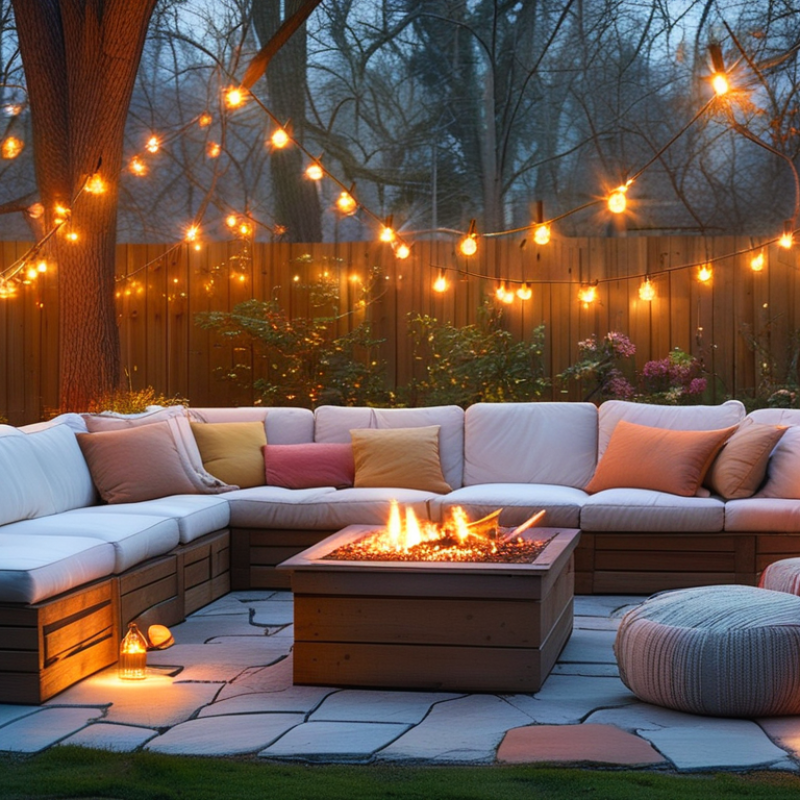
Understanding Color Temperature Basics for Outdoor Lighting
Choosing the right color temperature for your backyard lighting is crucial. Color temperature, measured in Kelvin (K), influences the ambiance of your outdoor space. Warm white light, around 2700K to 3000K, creates a cozy and inviting atmosphere. This is ideal for social gatherings and relaxing evenings. In contrast, cooler lights, about 4000K to 5000K, are bright and energizing, suitable for task-oriented areas like patios or workshops.
When considering outdoor lights, think about the activities in your backyard. You may need different temperatures for varied functions. For dining areas, warmer lighting is preferable. For pathways, a cooler light can enhance visibility and safety. Always test a few different bulbs before deciding. This can lead to surprises. Sometimes, what looks good in-store may not feel the same at night.
Lighting placement can also affect how color temperature is perceived. Fixtures aimed at walls might reflect warmth, while overhead lights can feel harsh. Experiment with angles and heights. Remember, it’s perfectly okay to adjust your choices as you test them out. Finding the perfect balance can take time and thoughtful consideration. Embrace the process.
Evaluating the Purpose and Function of Backyard Lighting
Choosing the right color temperature for your backyard lighting involves understanding its purpose. Is your space meant for relaxation or entertaining guests? For cozy seating areas, warm light (around 2700K) creates an inviting atmosphere. Cooler temperatures (above 5000K) work well for task-oriented spaces, like outdoor kitchens.
Tips for selecting the best lighting: Consider the natural colors of your plants and patio. Warm lights enhance earthy tones, while cooler options can make greens pop. Experiment with fixtures to see how they look at night. Adjust based on mood and functionality.
It's essential to reflect on your lighting choices. Some may find that their original color temperature choice feels too harsh after a few weeks. It’s worth revisiting your selections once you've experienced them in different situations. Keep in mind, lighting can change the mood significantly. Always seek balance between ambiance and functionality. Pay attention to shadows created by fixtures. These can impact the overall feel of your outdoor space.
Exploring Different Color Temperatures and Their Effects
Choosing the right color temperature for your backyard lighting can transform the space. Color temperatures can be categorized into three main ranges: warm, neutral, and cool. Warm light, ranging from 2200K to 3000K, creates a cozy and inviting atmosphere. It’s particularly effective for gathering areas, enhancing social interactions. However, too much warm light can feel dim and inadequate for reading or detailed tasks.
On the other hand, cool light temperatures (4000K to 6000K) offer a bright, energetic feel. This is ideal for outdoor activities requiring visibility. Cool light supports safety, making pathways and steps easier to navigate. But it can sometimes feel harsh and unwelcoming if overused. Striking a balance is essential for comfort and functionality.
Neutral temperatures (3500K to 4000K) present a middle ground. They provide clarity without being overly stimulating or overly calming. This range works well for general outdoor spaces, but users should remain mindful of their specific needs. Experimenting with different temperatures can yield varied effects, and visualizing how each option fits into your backyard will help refine your choices.
Selecting the Ideal Color Temperature for Various Areas
Selecting the ideal color temperature for backyard lighting requires careful consideration of various areas. Warm white (2700K-3000K) creates a cozy atmosphere, perfect for dining and social spaces. This range promotes relaxation, making it ideal for patios and fire pits. Research indicates warmer lights enhance social interactions, fostering a welcoming environment.
For pathways and security lighting, a cool white (4000K-5000K) is often recommended. This color temperature improves visibility and enhances safety. Cool white lights can help deter unwanted visitors. However, too much brightness can feel harsh, so it's essential to find a balance.
Tips: Consider using dimmable fixtures to adjust lighting intensity. Layering different color temperatures can create depth. Always test outdoor lighting at night to assess its impact. Adjusting placement and height can also refine the overall effect. Remember, lighting should complement the natural surrounding and reflect your personal taste. Exploring these nuances can make a significant difference in your backyard atmosphere.
How to Choose the Right Color Temperature for Backyard Lighting
The chart below illustrates the recommended color temperatures for different areas in your backyard. These values can help you select the ideal lighting to create the desired ambiance.
Tips for Balancing Aesthetics and Practicality in Lighting Choices
Choosing the right color temperature for backyard lighting involves balancing aesthetics and practicality. Understanding the nuances of light can elevate your outdoor space. The color temperature affects mood and functionality. Warmer colors create a cozy atmosphere, while cooler tones enhance visibility.
Consider the purpose of your lighting. For social gatherings, soft, warm lights between 2700K and 3000K encourage relaxation. They create a welcoming environment. If you need brighter lights for cooking or working in the yard, a cooler temperature around 4000K is more suitable.
Pay attention to the fixtures. Some designs appear better in specific temperatures. Test different bulbs in your space. Look at how the light interacts with plants, decks, and seating areas. An imperfect setup may reveal how changing colors can shift the ambiance. Don't hesitate to experiment and adapt. Striking the right balance requires thoughtful consideration and a bit of trial and error.
How to Choose the Right Color Temperature for Backyard Lighting?
| Color Temperature (Kelvin) |
Appearance |
Best Uses |
Aesthetic Impact |
Practical Benefits |
| 2700K |
Warm White |
Ambient Lighting |
Creates a cozy and inviting atmosphere. |
Enhances relaxation and comfort. |
| 3000K |
Soft White |
General Lighting |
Warm and inviting, ideal for homes. |
Versatile for outdoor gatherings. |
| 4000K |
Neutral White |
Task Lighting |
Balanced brightness for activity-focused areas. |
Enhances visibility for outdoor cooking or living. |
| 5000K |
Daylight White |
Security Lighting |
Bright and clear, mimics daylight. |
Improves safety and deters crime. |
| 6000K+ |
Cool White to Blue White |
Specialty Lighting |
Modern, sleek look; often used in commercial settings. |
Ideal for events or showcasing outdoor features. |
Conclusion
When considering how to choose the right color temperature for backyard lighting, it is crucial to understand the basics of color temperature in outdoor settings. Color temperature, measured in Kelvin (K), impacts the ambiance of your space, with lower temperatures producing warm, inviting light and higher temperatures offering cooler, brighter illumination. Evaluating the purpose and function of your backyard lighting is essential; whether for relaxation, entertaining, or security, the chosen color temperature can enhance the overall experience.
Exploring different color temperatures reveals their varied effects on mood and perception. For instance, warm white light (2700K-3000K) fosters a cozy atmosphere, ideal for lounging areas, while cooler white light (4000K-5000K) promotes alertness, making it suitable for workspaces or pathways. When selecting the ideal color temperature for various areas, consider both aesthetic appeal and practicality, ensuring that your lighting enhances beauty while serving its intended function effectively. Balancing these factors will guide you to the perfect choice for your backyard lighting scheme.

