Monocrystalline solar panels have emerged as a preferred choice for street lighting solutions. Their efficiency rates often exceed 20%, offering better energy output compared to other types. According to the International Renewable Energy Agency (IRENA), solar technologies like monocrystalline panels contribute to reducing carbon footprints effectively. A notable industry expert, Dr. Sarah Thompson, emphasizes, “Monocrystalline panels are optimal for street lights because they perform well in low-light conditions, ensuring consistent illumination.”
When considering street lights, the choice of solar panels impacts overall performance. Monocrystalline panels are typically more space-efficient due to their higher power density and superior energy conversion. This is crucial in urban areas where space is limited. Additionally, their sleek and compact design enhances the aesthetics of street lighting. However, some project managers express concerns about initial costs. Yet, evidence shows that savings on electricity bills justify these investments in the long term.
Understanding "why are monocrystalline solar panels better for street lights" requires examining not just efficiency, but also durability. Monocrystalline panels have a longer lifespan, often exceeding 25 years, which can result in lower maintenance costs over time. As cities seek sustainable solutions, these panels reflect an intelligent choice for future-proof street lighting.
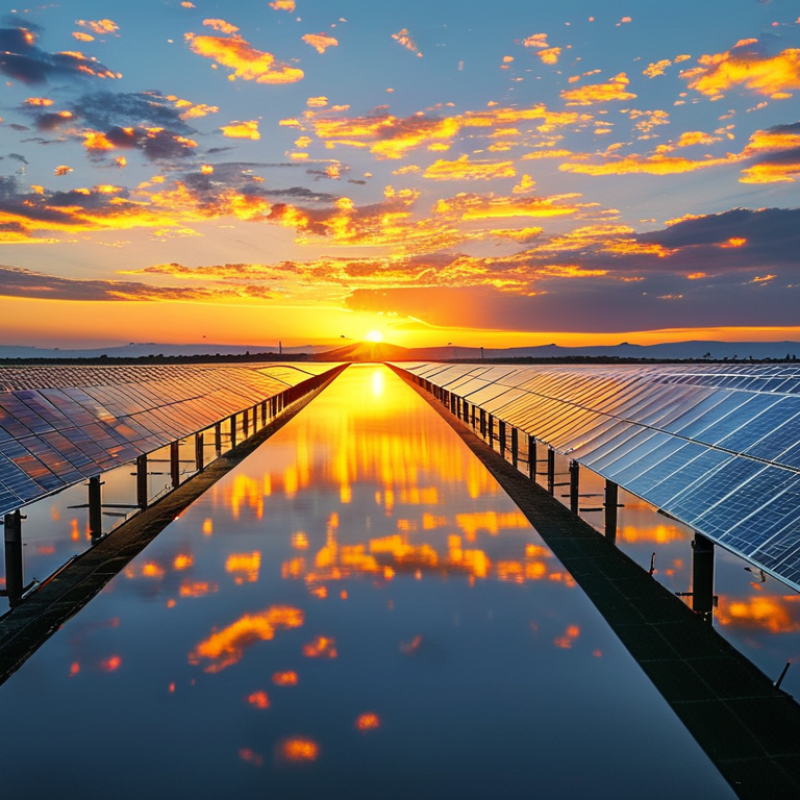
Understanding Monocrystalline Solar Panel Technology
Monocrystalline solar panels have gained popularity for street lighting. Understanding their technology is crucial for effective usage. These panels are made from a single crystal structure. This ensures high efficiency and better performance. Their ability to convert sunlight into electricity surpasses that of other types. This makes them ideal for locations with limited sunlight.
Efficiency is a key advantage, but it’s important to consider their cost. Monocrystalline panels are usually more expensive. The initial investment may be higher, but long-term savings are evident. They often have a longer lifespan compared to other options. This can lead to cost-effective solutions in the long run.
Some drawbacks exist. They can be less effective in high temperatures. This might not be an issue everywhere, but it is a point to ponder. Additionally, if the installation site has shading, even minor, performance can drop significantly. Evaluating the specific location and conditions is essential for optimal results.
Evaluating Efficiency Ratings and Performance Specifications
Choosing monocrystalline solar panels for street lights requires careful evaluation of efficiency ratings and performance specifications. These factors directly impact energy generation and overall functionality. Often, efficiency ratings indicate how much sunlight can be converted into usable electricity. Higher ratings suggest better performance in less sunlight, which is ideal for street lighting.
When assessing performance specifications, consider temperature coefficients and degradation rates. A panel's performance may decline over time, influenced by heat and environmental conditions. Look for panels with low degradation rates, ensuring longevity. Additionally, examine wattage output. Selecting panels with adequate wattage for the street light's needs ensures they will provide reliable illumination throughout the night.
Don’t hesitate to compare different panels. Not all will meet your specific requirements. Sometimes, marketing claims can be misleading. Seek expert opinions or user reviews to validate your choices. Remember, investing in solar panels is a commitment to sustainability. It’s essential to choose wisely, balancing both efficiency and cost. The wrong choice could lead to higher long-term expenses. Aim for panels that provide genuine value and reliability.
Comparative Analysis of Cost per Watt and Lifespan
When selecting monocrystalline solar panels for street lights, a core consideration is cost per watt versus lifespan. Studies reveal that monocrystalline panels typically range from $0.70 to $1.00 per watt. In contrast, polycrystalline or thin-film options may cost less initially but often have shorter lifespans. Monocrystalline panels generally last 25 years or more, with warranties backing this longevity. The higher upfront investment can lead to long-term savings.
Lifespan directly affects maintenance costs and replacement intervals. Research indicates that monocrystalline panels retain 80% of their capacity after 25 years. Conversely, polycrystalline panels may decline more rapidly. Therefore, choosing panels with a longer lifespan may minimize total expenditures over time. The periodic need for replacements can significantly inflate the overall costs, making longevity a critical factor in decision-making.
Moreover, not all installations require the same panel efficiency. In areas with abundant sunlight, the advantages of monocrystalline technology shine. However, in less optimal conditions, performance may drop. Assessing local climate factors is crucial for ensuring an effective decision. Long-term investment should balance initial costs and expected returns, highlighting the importance of thorough analysis.
Comparative Analysis of Monocrystalline Solar Panels for Street Lights
Assessing Installation Requirements and Compatibility Factors
When selecting monocrystalline solar panels for street lights, installation compatibility is crucial. The lighting project's location plays a significant role in determining the best panel. Factors like sunlight exposure and potential shading from trees or buildings can influence solar panel performance. Ensure the chosen area receives ample sunlight throughout the day. Sometimes, unexpected obstacles can block light access, leading to inefficiencies.
Compatibility with the existing electrical system is another important aspect. Verify that the power output of the solar panel aligns with the street lights' energy requirements. Adjustments may be needed if the wattage is too low or too high. Also, check local regulations. They can affect the installation process and ultimately the overall project success.
Evaluating the mounting structure is equally essential. The panels must integrate smoothly with the pole design and street light fixtures. Poor compatibility can lead to installation delays or structural issues. Consider the aesthetics as well; mismatched designs could detract from the environment. Reflecting on these details early in the planning phase can save time and costs, ensuring a reliable and effective lighting solution.
How to Choose Monocrystalline Solar Panels for Street Lights?
| Parameter |
Description |
Value |
| Efficiency |
The proportion of sunlight converted into usable electricity. |
15% - 22% |
| Size |
Dimensions of the solar panel. |
1.6 m² – 2 m² |
| Weight |
The total weight of the solar panel. |
15 kg – 25 kg |
| Temperature Coefficient |
Change in efficiency with temperature increases. |
-0.3% / °C to -0.5% / °C |
| Warranty Period |
Duration of product warranty for defects. |
10 - 25 years |
| Cost |
Average installation and material cost. |
$1,000 - $3,000 per panel |
| Compatibility with Inverters |
Suitability with various inverter types. |
Grid-tied and off-grid systems |
Exploring Environmental Impact and Sustainability Benefits
Choosing monocrystalline solar panels for street lights involves understanding their environmental impact. These panels are known for their high efficiency and durability. They generate more energy per square meter compared to other solar technologies. This efficiency translates into fewer panels needed for installation, which can save space and reduce material usage.
One significant sustainability benefit is the reduction in carbon footprint. As cities strive for greener solutions, solar panels offer a reliable energy source. They help decrease reliance on fossil fuels. This shift plays a crucial role in combating climate change. However, it's essential to consider the production process of these panels. The mining of raw materials and manufacturing procedures can have environmental effects. Awareness of these issues is critical.
Tips for choosing the right solar panels include checking their efficiency ratings. Higher efficiency means better performance, especially in urban settings. Additionally, consider the panel lifespan. Longer-lasting panels typically offer better long-term sustainability. Look for certifications that verify their environmental impact. Reliable panels often come from manufacturers committed to eco-friendly practices.
Conclusion
Choosing monocrystalline solar panels for street lights involves understanding the underlying technology, efficiency ratings, and performance metrics. Monocrystalline panels are typically more efficient than their counterparts, providing a higher energy output even in limited space, making them particularly effective for street lighting applications. When considering cost per watt and lifespan, these panels may present a higher initial investment but offer long-term savings due to their durability and lower maintenance requirements.
Installation requirements and compatibility factors are also critical to ensure optimal performance in urban environments. Furthermore, exploring the environmental impact reveals that monocrystalline technology aligns with sustainability goals, promoting cleaner energy solutions. Thus, the question arises: why are monocrystalline solar panels better for street lights? Their superior efficiency, longevity, and eco-friendly benefits make them an ideal choice for enhancing urban infrastructure sustainably while reducing reliance on traditional energy sources.

