10 Best Tips to Winterize Solar Outdoor Lights in Freezing Temperatures?

Time:2026-08-09 Author:Henry
0%

As the chilly months approach, it's crucial to understand how to winterize solar outdoor lights in freezing temperatures. Mark Thompson, a solar energy expert, emphasizes, "Proper maintenance in winter can extend the life of your outdoor lights." His insights remind us that the right steps can make a significant difference during harsh weather.

Solar lights, while energy-efficient, are vulnerable to freezing conditions. Batteries can drain quickly in low temperatures, often leading to light failures. Ensuring that these lights are prepared for winter is essential. From choosing suitable locations to protecting the panels from snow, every detail counts.

Investing time in ensuring your solar lights are ready can lead to better performance when spring arrives. Remember, neglect can result in costly replacements. Preparing your outdoor lights might seem tedious, but the benefits outweigh the effort. Understanding how to winterize solar outdoor lights in freezing temperatures protects your investment and enhances your outdoor space's aesthetics.
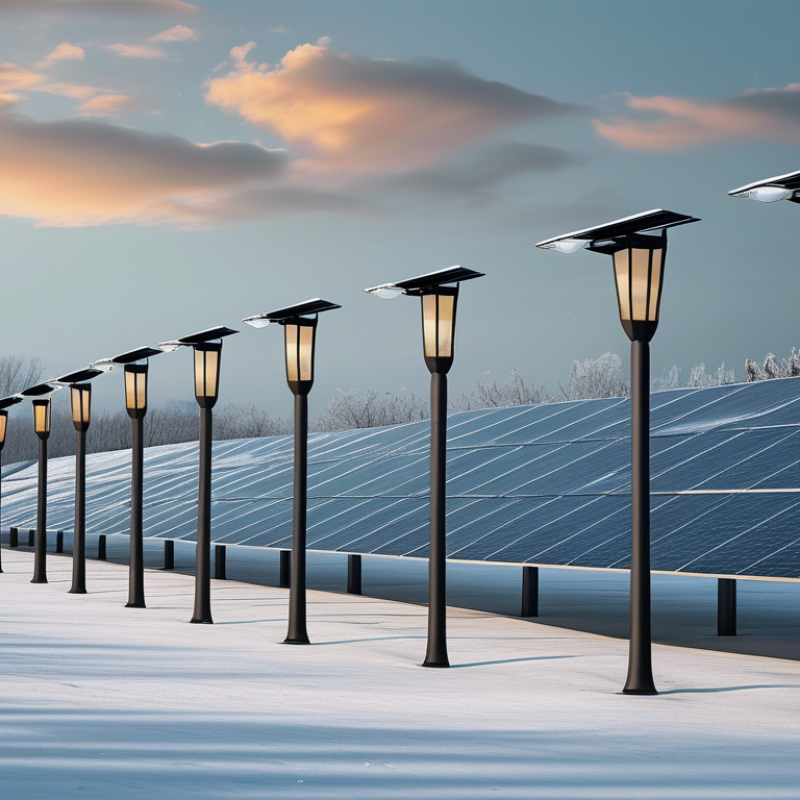
10 Best Tips to Winterize Solar Outdoor Lights in Freezing Temperatures?

Assessing Your Solar Outdoor Lights for Winter Compatibility

When winter approaches, assessing your solar outdoor lights is crucial. Check if your lights are designed for cold conditions. Look for features like weatherproofing and durability. These aspects determine their longevity in freezing temperatures.

One key tip is to clear any debris from the lights. Leaves or snow accumulation can block sunlight. This can reduce their charging efficiency significantly. Another aspect to focus on is the battery. Cold weather can impair performance. Batteries may lose charge quickly, so ensure they are rated for low temperatures.

Consider positioning your lights wisely. Moving them to areas with more sun exposure can enhance their performance. If your solar lights are fixed, ensure that they can withstand snow and ice buildup. Reflecting on these details will help maintain functionality during harsh winters.

Cleaning and Maintenance: Preparing Lights for Cold Weather

Preparing solar outdoor lights for winter is essential. When temperatures drop, these lights can be affected. Start by cleaning the fixtures. Remove dirt, dust, and debris from the solar panels. This step helps ensure maximum sunlight absorption. A soft brush or damp cloth works well for this task.

Inspect the solar lights for any damage. Cracks in the housing can let moisture inside. Replace any broken components to prevent failures during winter. Furthermore, check the batteries. Cold weather can reduce battery life. Replacing older batteries with new ones can enhance performance.

Consider angling the solar panels toward the sun. This adjustment can help capture more sunlight during shorter winter days. Finally, secure the lights to prevent them from blowing away in strong winds. Proper maintenance and preparation can prolong the life of solar outdoor lights. Embrace the chilly months confidently by taking these proactive steps.

Proper Placement: Positioning Lights to Maximize Sun Exposure

Positioning solar outdoor lights correctly is essential, especially in winter. The angle of sunlight changes in cold months. This affects how much energy your lights can gather. To maximize sun exposure, place lights in an open area. Avoid shaded spots from trees or buildings. When managing outdoor spaces, consider the sun’s path.

Additionally, aim for a south-facing orientation. This direction typically receives the most sunlight. Experiment with your lights’ placements. You might find a spot that works better than others. Remember to consider the snow. Accumulated snow can block light sources, reducing their effectiveness. Regularly check and clear any snow or debris from the lights to maintain performance. Engagement with your outdoor setup can lead to better lighting outcomes in winter.

10 Best Tips to Winterize Solar Outdoor Lights in Freezing Temperatures

Tip No. Tip Description Benefits
1 Choose the Right Location Position your lights in areas that receive maximum sunlight during the day. Ensures optimal charging of the solar batteries.
2 Tilt Lights for Sun Exposure Adjust the angle of the lights to capture more sunlight. Improves solar charging efficiency.
3 Clear Debris Regularly Remove snow, ice, and leaves from the solar panel. Enhances light performance and prolongs lifespan.
4 Use Battery Heaters Implement insulation or heaters for battery packs. Protects against freezing temperatures.
5 Position Above Ground Install lights higher to avoid snow accumulation. Prevents light blockage and maintains functionality.
6 Select the Right Type of Lights Choose durable solar lights designed for winter use. Ensures reliability and longevity in cold weather.
7 Limit Light Usage Reduce usage to conserve battery power. Extends operational hours during freezing conditions.
8 Consider Outdoor Decor Incorporate solar lights with holiday decorations. Increases visibility and aesthetic appeal.
9 Test Before Winter Check functionality before cold temperatures arrive. Identifies any issues early on.
10 Store When Not in Use Take down lights and store during the harshest winter. Prevents damage and extends lifespan.

Insulating Batteries: Protecting Components from Freezing Temperatures

Winter weather can be brutal for outdoor solar lights. Insulating batteries is critical in preventing damage from freezing temperatures. Lithium-ion batteries, commonly used in outdoor lights, operate best above 32°F (0°C). When temperatures drop, these batteries can lose charge rapidly and reduce lifespan. A recent study highlighted that battery degradation can occur at temperatures below 20°F (-6°C).

To insulate batteries effectively, consider wrapping them in thermal materials. Foam or reflective blankets work well. This small investment can prolong battery life significantly. Also, check the manufacturer's guidelines for specific insulation tips.

Another approach is to relocate solar lights. Place them in areas sheltered from wind. Wind chills can exacerbate the effects of cold on batteries. When batteries are insulated and protected from the elements, their performance improves noticeably. Remember to adjust the solar panels, too. Ensure they remain exposed to sunlight for optimal charging. Don't ignore these practical steps; they can make a difference during winter months.

Testing Functionality: Ensuring Lights Operate Effectively in Winter Months

As temperatures drop, it's crucial to check the functionality of solar outdoor lights. Freezing conditions can affect their performance. Start by testing each light unit. Ensure they illuminate properly during the shorter winter days. A quick assessment helps identify any malfunctions early.

Another consideration is the placement of solar lights. Ensure they receive enough sunlight during the day. Shadows from nearby structures can hinder their ability to store energy. If a light seems dim, it may need relocation or cleaning. Dust or snow buildup can impede the solar panel's efficiency.

Additionally, battery maintenance is vital for optimal performance. Inspect the batteries for any signs of corrosion. Replace them if they are older than two years. This simple check can save you from frustration when the nights are long and cold. Regular testing and adjustments can ensure your solar lights remain functional throughout winter.

FAQS

: How can I check if my solar outdoor lights are winter compatible?

: Look for weatherproofing features and durability ratings. These indicate if they can withstand cold conditions.

What should I do to ensure better sunlight absorption for solar lights?

Clear any debris like leaves or snow. This prevents blockage and maintains charging efficiency.

How does cold weather affect solar light batteries?

Batteries can lose charge quickly in cold temperatures. Ensure you use batteries rated for low temperatures.

Where should I position my solar lights for maximum performance in winter?

Place them in areas with more sun exposure. Avoid shaded spots that limit sunlight during the day.

What maintenance should I perform on my solar outdoor lights before winter?

Clean the fixtures and solar panels. Remove dirt and debris to ensure maximum sunlight absorption.

How can I secure solar lights from strong winter winds?

Ensure they are properly anchored. This helps prevent them from blowing away during storms.

How can I test if my solar lights are functioning properly in winter?

Test each light unit to see if they illuminate as expected. Assess their performance regularly.

What should I do if my solar lights seem dim during winter?

Check for dust buildup or relocate to a sunnier spot. This may improve their charging capacity.

How often should I replace the batteries in solar outdoor lights?

Replace them if they are older than two years. This can enhance performance in cold months.

What common issues should I look for during inspection of solar lights?

Check for cracks in the housing. Moisture can enter and cause failures in winter.

Conclusion

To effectively learn how to winterize solar outdoor lights in freezing temperatures, it is crucial to start by assessing whether your lights are suitable for winter use. This includes cleaning and maintaining the lights to prepare them for the harsh weather conditions. Proper placement is also vital; positioning the lights strategically can help maximize sun exposure during the shorter winter days.

Additionally, insulating the batteries is an important step to protect these components from freezing temperatures. Finally, testing the functionality of your solar outdoor lights ensures they operate effectively throughout the winter months, allowing you to maintain a beautifully illuminated outdoor space despite the cold. By following these tips, you can ensure your solar lights remain functional and effective year-round.

Henry

Henry

Henry is a dedicated marketing professional with a profound expertise in the company's offerings. With years of experience in the industry, he possesses an impressive understanding of the market dynamics and consumer behaviors that drive success. Henry is committed to sharing his insights through......