Why Choosing the Right Lumens Matters for Outdoor Lighting?

Time:2026-06-06 Author:Aria
0%

Choosing the right lumens for outdoor lighting is crucial for creating safe and inviting spaces. According to lighting designer Julie McCullough, "Selecting appropriate lumens can transform an outdoor area from dull to dynamic." Lumens determine the brightness and effectiveness of your lighting. Understanding how to choose the right lumens for outdoor lighting ensures visibility and ambiance.

Outdoor settings often require different levels of brightness. A pathway may need less lumens compared to a security area. Careful consideration of the environment is essential. Too much light can cause glare, while too little can lead to accidents. It is important to find a balance.

Many property owners struggle with this decision. They may feel overwhelmed by choices. Reflect on your specific needs. Take time to analyze your outdoor space. A discussion with an expert can provide clarity. Understanding the right lumens can improve safety and enhance enjoyment in your outdoor environment.
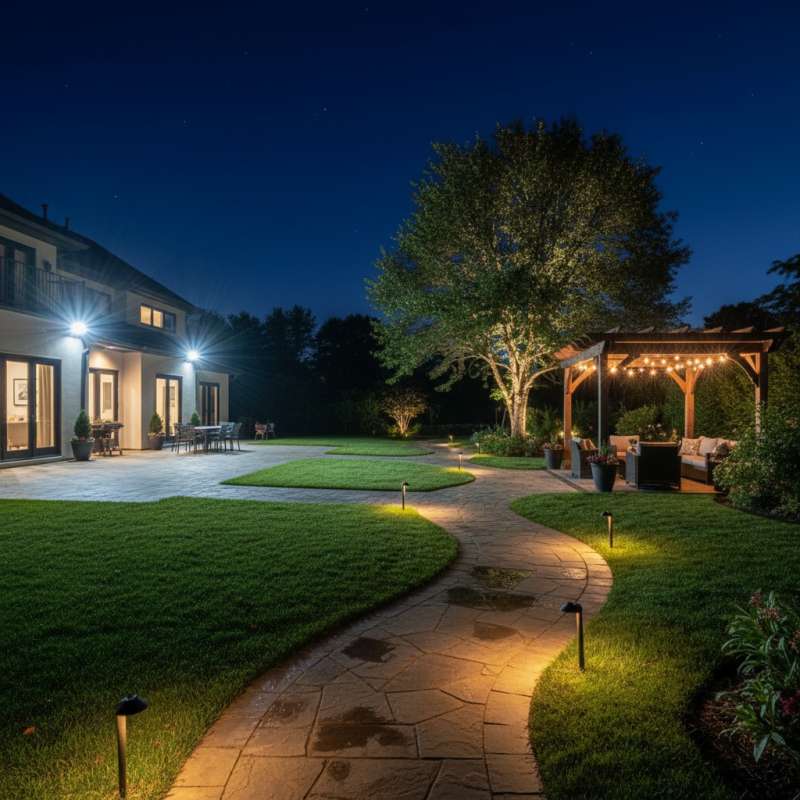
Why Choosing the Right Lumens Matters for Outdoor Lighting?

Understanding Lumens and Their Role in Outdoor Lighting

Choosing the right lumens is essential for effective outdoor lighting. Lumens measure the amount of visible light emitted by a source. Understanding lumens helps in creating safe, inviting, and functional outdoor spaces. For instance, the Illuminating Engineering Society (IES) suggests that pathways should have a brightness of at least 5-10 lumens per square foot. This level ensures visibility without overwhelming glare.

In a garden setting, 100-200 lumens are often recommended for accent lighting. This range highlights features while maintaining a cozy atmosphere. However, many overlook the importance of lumens and focus solely on aesthetics. This can result in uneven lighting and dark spots, which create safety hazards. Additionally, over-lighting can lead to light pollution and disrupt local wildlife.

Consideration of lumens is particularly important for security lighting. A common recommendation is 200-300 lumens for motion sensor lights. This level deters intruders without causing unnecessary brightness that could annoy neighbors. Balancing lumens for both functionality and ambiance poses a challenge. Striking the right balance is crucial for maximizing outdoor lighting effectiveness while being mindful of the environment.

Factors Influencing Lumens Requirements for Different Outdoor Spaces

When considering outdoor lighting, lumens play a crucial role in creating the desired atmosphere. Different outdoor spaces require varying levels of brightness. For instance, pathways may only need around 100 lumens per fixture. This ensures safety without causing harsh light. In contrast, areas like patios may call for 200 to 300 lumens to enhance social interactions.

Factors influencing lumen requirements include the purpose of the area. For relaxing gardens, softer lighting is ideal, generally between 100 to 150 lumens. However, security-focused spaces, such as driveways or entrances, benefit from brighter lights of about 700 lumens. It’s also essential to consider the color of surfaces; darker surfaces absorb light and often require higher lumen outputs to achieve visibility.

Height and placement of fixtures matter too. Lights positioned higher can cast wider beams, requiring fewer lumens. Yet, lower placements may produce more concentrated light but often need higher lumens to illuminate a given area adequately. Balancing these elements can be challenging and often requires adjustments based on real-world usage.

Why Choosing the Right Lumens Matters for Outdoor Lighting? - Factors Influencing Lumens Requirements for Different Outdoor Spaces

Outdoor Space Type Recommended Lumens Purpose of Lighting Height of Fixtures
Pathways 100-200 Lumens Safety and Navigation 8-12 feet
Patios 300-600 Lumens Ambiance and Socializing 10-15 feet
Driveways 700-1000 Lumens Safety and Security 12-18 feet
Gardens 150-300 Lumens Highlighting Features 6-10 feet
Entryways 200-400 Lumens Welcoming and Safety 8-12 feet

Comparing Lumens to Other Lighting Measurements: What You Need to Know

When selecting outdoor lighting, understanding lumens is crucial. Lumens measure brightness, helping you choose the right fixture for your space. However, lumens aren't the only measurement to consider. Watts measure energy consumption, while Kelvin indicates color temperature. Each plays a role in your lighting choices.

Knowing the difference is key. High lumens mean bright light, useful for security. But too many lumens can overwhelm the senses. On average, a space needs about 100 lumens per square foot for good visibility. Yet, personal preference matters. Some may prefer softer lighting for ambiance.

Still, the comparison doesn’t end there. It's important to recognize the interplay between these measurements. A fixture with low lumens may save energy but might not illuminate enough. Finding balance requires consideration of both brightness and energy efficiency. Proper outdoor lighting enhances safety, security, and aesthetics. Reflecting on your choices can lead to improvements. Each decision can shape your environment.

Choosing the Right Lumens for Safety and Security in Outdoor Areas

When it comes to outdoor lighting, choosing the right lumens is crucial for safety and security. Proper illumination deters crime and helps individuals navigate outdoor spaces safely. For example, a dimly lit pathway can pose risks of tripping or encountering hazards. Areas like driveways and porches should have sufficient brightness to ensure visibility.

Different outdoor areas require different levels of brightness. For instance, a patio may need about 100-200 lumens per square foot. In contrast, a security light may require up to 700 lumens to effectively illuminate the area. Such distinctions highlight the importance of tailored lighting solutions. However, it’s essential to balance between too much and too little light. Overly bright areas can cause glare and discomfort, which can deter rather than attract desired activities.

It's easy to overlook the specific needs of each space. Not every part of the yard or property needs the same lighting levels. Conducting a personal assessment of your outdoor areas is necessary. Reflect on where shadows linger at night. Improving illumination in those spots can enhance safety. Remember, thoughtful lighting is not just about brightness; it’s about creating a secure environment for all.

How to Calculate the Ideal Lumens for Your Outdoor Lighting Needs

When planning outdoor lighting, determining the ideal lumens is crucial. Lumens measure brightness. Too little illumination makes areas unsafe. Excessive brightness can create glare and discomfort. Understanding your specific needs is essential.

To calculate the required lumens, assess the area size. For pathways, use about 100 lumens per fixture. For patios, 200 to 300 lumens should suffice. Remember to consider the height at which lights are installed. Higher installations may need more lumens for adequate coverage.

Tips: Use a light meter for precise readings. Experiment with different bulb types for the best effect. Don’t underestimate the importance of color temperature; it influences mood and visibility. Remember, lighting is about balance. It should enhance, not overpower. Reflect on the functionality of each area. Different places serve different purposes, and your lighting should cater to those unique needs.

Ideal Lumens for Different Outdoor Spaces

FAQS

: What are lumens, and why are they important for outdoor lighting?

: Lumens measure brightness. They ensure safe navigation in outdoor spaces by preventing dimly lit areas.

How many lumens are needed for pathways?

Pathways generally require around 100 lumens per fixture. This level provides safety without harshness.

What brightness should patios have?

Patios typically need 200 to 300 lumens. This enhances social interactions without overwhelming the space.

How do surface colors affect lumen requirements?

Darker surfaces absorb light and need more lumens. This helps achieve adequate visibility in those areas.

Why is the height of fixtures significant?

Higher fixtures can cast wider beams. They may need fewer lumens compared to lower placements for focused lighting.

Can too much light be a problem?

Yes, overly bright areas can cause glare. This discomfort can deter activities and influence safety negatively.

What should I do before selecting outdoor lighting?

Conduct a personal assessment of your space. Reflect on shadows and visibility to improve overall safety.

How can I ensure balanced lighting?

Consider the unique purposes of each area. Adjust lumens to enhance functionality without overpowering the space.

How can I calculate the required lumens for my area?

Assess area size and use around 100 lumens for pathways and 200-300 for patios to find ideal brightness.

What tools can help in selecting the right lighting?

A light meter can provide precise readings. Experiment with different bulb types to achieve the desired atmosphere.

Conclusion

Choosing the right lumens for outdoor lighting is crucial for creating safe and aesthetically pleasing environments. Understanding lumens and their significance in various outdoor spaces helps homeowners and designers make informed decisions. Factors such as the size of the area, the intended use, and specific lighting needs play a critical role in determining the appropriate lumen levels.

Moreover, it’s essential to compare lumens with other lighting measurements for a comprehensive understanding of outdoor lighting dynamics. Safety and security considerations further emphasize the need for adequate lighting, ensuring visibility and deterrence in darker areas. Finally, calculating the ideal lumens for outdoor lighting involves assessing personal preferences and practical requirements, enabling individuals to effectively illuminate their outdoor spaces for both functionality and style.

Aria

Aria

Aria is a dedicated marketing professional with a deep passion for innovative strategies and a keen understanding of our company's product offerings. With a wealth of experience in the industry, Aria excels at crafting engaging content that highlights the unique features and benefits of our......